


Manali in Winter vs Summer: Which Season Should You Visit?
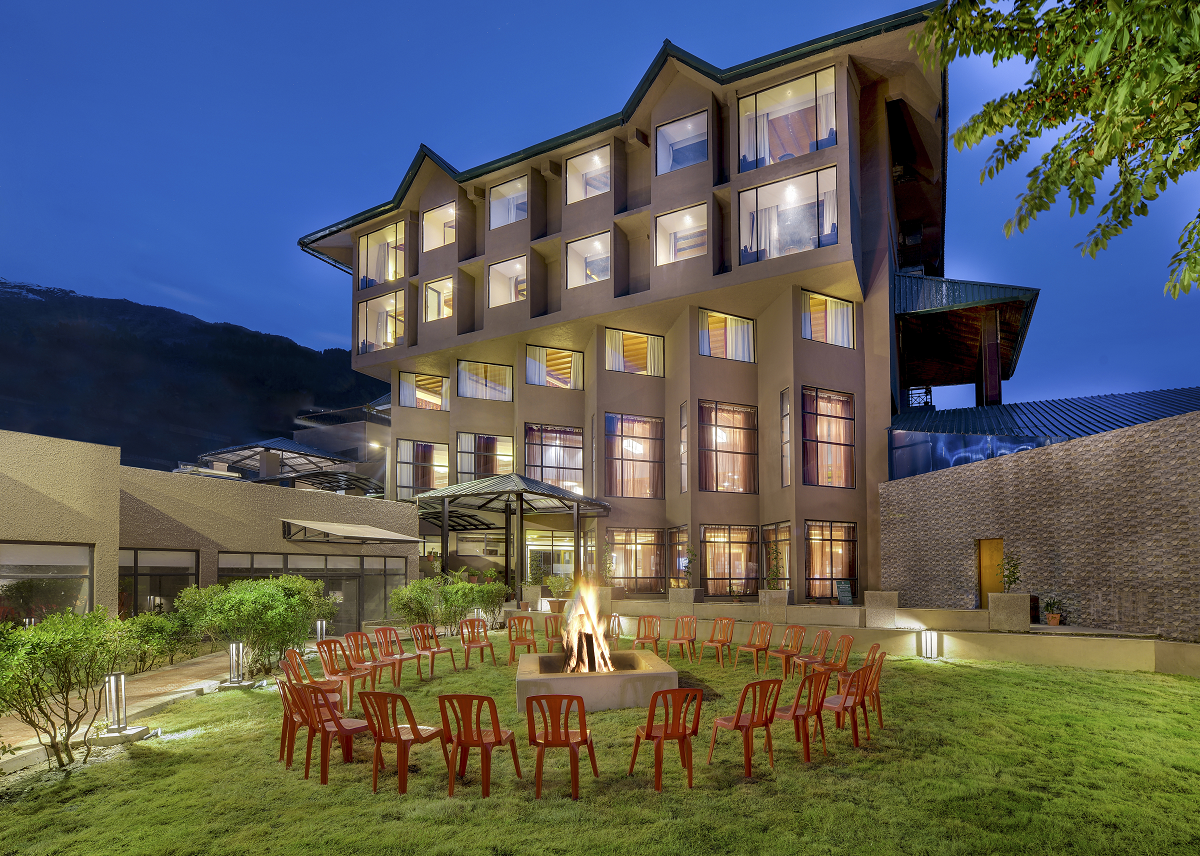
Nestled in the majestic Himalayas, Manali is a year-round magnet for travelers. But its character undergoes a dramatic transformation with the seasons. The emerald valleys and gushing rivers of summer give way to a pristine, snow-blanketed wonderland in winter. This leads to the quintessential traveler’s dilemma: should you experience Manali in winter or Manali in summer? This detailed guide breaks down the distinct experiences of each season, from weather and activities to crowd levels and cost, to help you decide the best time to visit Manali for your dream vacation.
Manali in Winter: A Snowy Fairytale (December – February)
The Manali snowfall season turns this hill station into a scene straight out of a postcard. The air is crisp, the landscapes are monochrome, and the vibe is overwhelmingly cozy.
Weather & Landscape:
Temperatures can plummet to sub-zero levels, especially at night and in higher-altitude areas like Solang Valley and Gulaba. Days are cold but often sunny. The entire region, from pine forests to rooftops, gets draped in a thick, white layer of snow, creating a breathtaking, silent wonderland.
Activities & Experiences:
Winter is the season for snow-based thrills and cozy retreats.
- Winter Sports: This is the prime time for activities like skiing, snowboarding, and snow tubing. Solang Valley becomes the epicenter for these adventures. For a detailed look, check out our Manali winter sports guide.
- Snowfall & Photography: Simply witnessing heavy snowfall is an experience in itself. The landscape offers incredible opportunities for photography.
- Cozy Stays & Local Culture: There’s nothing quite like curling up with a book by a fireplace in a wooden cabin or enjoying a hot cup of local chai. It’s also a great time to visit the ancient temples of Manali, like Hadimba Temple, with a serene, crowd-free atmosphere. You can soak in the natural hot water springs at Vashisht Village to warm up—a perfect winter activity. Discover more about this charming village here: Sterling Holidays – Vashisht Village.
Crowd & Cost:
The period around Christmas and New Year is exceptionally crowded and expensive. However, much of January and February see fewer tourists, making it a good time for a quieter retreat, though the Manali trip cost for accommodation with heating and private transport will be on the higher side.
Manali in Summer: An Adventurer’s Paradise (March – June)
As the snow melts, Manali bursts into a palette of vibrant greens. The days are pleasantly warm, and the valley is buzzing with energy, making it the perfect escape from the scorching heat of the plains.
Weather & Landscape:
Summer weather is mild and sunny, with daytime temperatures ranging from pleasant to warm. The Beas River is in its full, roaring glory, and the valleys are lush and blooming with flowers. It’s a completely different, yet equally stunning, visual spectacle compared to winter.
Activities & Experiences:
Summer is synonymous with summer adventure activities in Manali.
- Trekking: The trails to Hampta Pass, Bhrigu Lake, and Beas Kund open up, offering breathtaking views for trekkers of all levels.
- River Rafting: The increased water flow makes the Beas River ideal for thrilling white-water rafting sessions.
- Paragliding: Soar like a bird over the green valleys of Solang and Marhi for an unforgettable aerial perspective.
- Sightseeing: It’s the best time to comfortably visit nearby attractions like Rohtang Pass (once it opens), Jogini Falls, and the Naggar Castle.
Crowd & Cost:
Summer is the peak tourist season. Manali is packed with families and honeymooners, leading to higher prices for flights and hotels. Advance booking is essential. This is often considered the prime Manali honeymoon season comparison point, as couples can enjoy both adventure and comfortable sightseeing.
Head-to-Head Comparison: Winter vs. Summer
| Aspect | Manali in Winter | Manali in Summer |
| Best For | Snow lovers, honeymooners, photographers | Families, adventure seekers, trekkers |
| Atmosphere | Cozy, serene, romantic | Lively, vibrant, energetic |
| Key Activities | Skiing, snowboarding, enjoying snowfall | Trekking, river rafting, paragliding |
| Landscape | Snow-covered, pristine white | Lush green, blooming flowers |
| Crowd Level | Moderate to high (peak during holidays) | Very High (peak season) |
| Manali Trip Cost | High (due to demand for heated stays) | High (due to peak season demand) |
| Packing | Heavy woolens, thermals, waterproof boots | Light woolens, jackets, trekking shoes |
Voices from the Valley
Hearing from fellow travelers can often provide the clearest perspective.
- A Traveler’s Seasonal Preference: “I’ve visited Manali in both December and May. While the summer trek to Bhrigu Lake was incredible, there’s a magic in winter that’s unmatched. Waking up to a fresh layer of snow covering everything in sight is a surreal experience. For me, Manali in winter wins, hands down.”
- A Review for All-Season Comfort: “We stayed at Sterling Holidays in Manali for our anniversary in January and were blown away. The room was warm and cozy with a fantastic view of the snow-capped mountains. The location is perfect to explore both the main town and quieter spots. It’s a resort that seems perfectly suited for both the chilly winters and the pleasant summers.”
Conclusion: So, Which Season is for You?
The best time to visit Manali ultimately depends on the kind of experience you are seeking.
- Choose Manali in Winter if you dream of a snowy escape, want to play in the snow, enjoy cozy moments by the fireplace, and don’t mind the cold. It’s a romantic and picturesque time to visit.
- Choose Manali in Summer if you are an adventure enthusiast looking to trek, raft, and paraglide, or if you’re a family wanting to explore the sights in pleasant, sunny weather.
No matter your choice, Manali promises an unforgettable holiday. Whether you’re drawn by the silent call of the snow or the adventurous roar of the rivers, this Himalayan gem will not disappoint. Plan your stay accordingly and get ready to be captivated.