


Gir National Park: Lion Safari Tour Guide, Tickets, and Stay
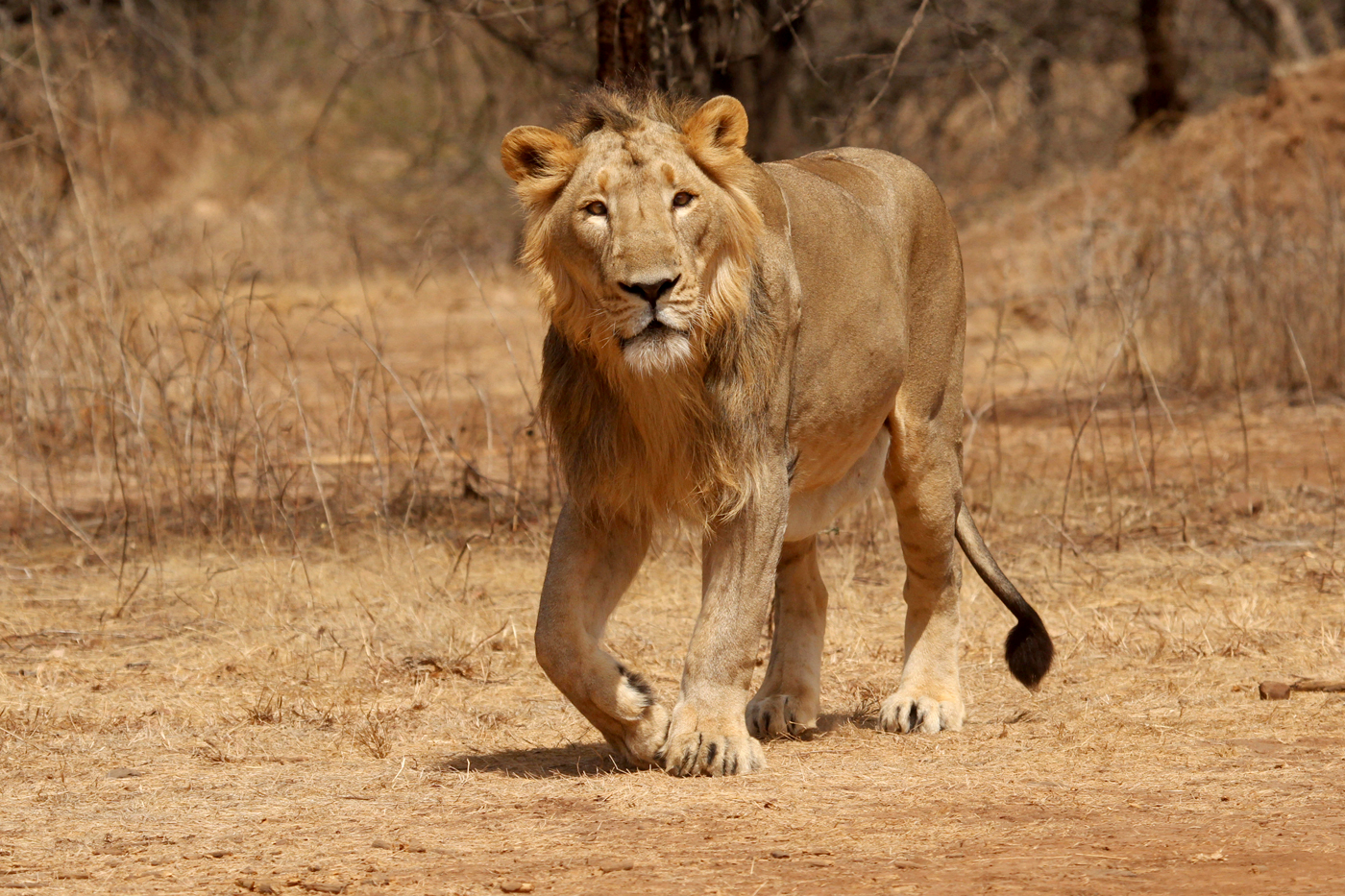
Concealed between the Junagadh, Gir Somnath, and Amreli districts of the Indian state of Gujarat is one of India’s most celebrated wildlife sanctuaries, Gir National Park, commonly called Sasan Gir. Covering an extent of 1,400 square kilometres, the magnificent park is globally famous as the final natural home of the Asiatic lion (Panthera leo persica). Compared to their African relatives, Gir lions are shorter in body, possess a distinctive belly fold of fat, and shorter manes. To see them in the wild is to look at an animal that can be seen nowhere else on Earth—a precious gift and a triumph for Indian wildlife protection.
But lions are only the beginning of the Gir saga. The park safeguards a breathtaking range of habitats in which dry deciduous forests merge unperturbed with open grasslands of savannah-like aspect and meandering streams. The atypical habitat supports a phenomenal range of wildlife: striped hyenas, leopards, golden jackals, and elusive smaller cats such as rusty-spotted and desert cat. Nimble herds of sambar, nilgai, chital, and the four-horned antelope with its critically endangered status can often be seen moving through the scrub thickets. Gir is not just for mammals, there are reptiles too, and the Kamleshwar Dam has one of India’s biggest populations of mugger crocodiles. Bird enthusiasts are in heaven with over 300 species documented, ranging from the stunning Asian paradise flycatcher to the powerful crested serpent eagle and the white-backed vulture, an endangered species.
The lion safari is the largest draw for most tourists. Run in open jeeps with experienced naturalists, the safari covers differing regions of the park, ensuring that every experience is novel. Lasting approximately three hours, safaris are held twice daily: early morning and late afternoon, when most of the wildlife activity occurs. Since lion sightings are quite customary, the thrill of watching a leopard emerge out of the bushes or jackals running down a track is just as memorable. Safari is not only predator spotting—it’s sitting out for sounds of the jungle, watching a peacock fan out its feathers, or catching a glimpse of a sunbathing crocodile along the side of a stream. Gir National Park entrance is tightly regulated to maintain its delicate ecosystem.
Visitors must book permits well in advance, which can be arranged through the Gujarat Forest Department website. For Indian travelers, safari tickets cost between ₹800 and ₹1,000 per jeep (that accommodates six) and for international tourists, ₹5,000 around per jeep. There is an additional charge for hiring a jeep, guides, and camera kit. A photo ID that is valid is required to be carried, as it is checked at the entrance of the park. The park is kept open between mid-October and end of May and remains closed during the monsoon, when heavy rains make the landscape unfriendly. The best time to go is between November and March, when the weather is nice and the sightings are regular. The warmer months of April and May, though problematic climatically, tend to make wildlife move closer to water sources—perfect for photographic reasons.
Accommodation in and around Gir accommodates all types of travellers.
Forest rest houses offer basic accommodation for those who want to live near nature, while eco-lodges and luxury resorts have modern amenities, escorted game drives, and Gujarati cuisine. Some even include cultural evenings that feature the folk culture of the region, enhancing the visitor experience. Other neighboring towns like Junagadh and Veraval offer options, if only for a combination of comfort and accessibility, Sterling Gir Resort is the superior option for finding a balance of warm hospitality and a nature experience. Far removed from safaris, the landscape surrounding Gir offers treasures to be unearthed.
The Kamleshwar Dam is a scenic overlook where crocodiles and migratory birds coexist. The Devalia Safari Park—also known as the Gir Interpretation Zone—is a short, fenced-up safari for time-restricted travelers that offers a chance to spot lions, leopards, and deer in a more restricted setup. History and spirituality buffs will enjoy the sacred Somnath Temple, which is only 50 kilometres away from here, and Junagadh’s ancient Uparkot Fort offers a glimpse of Gujarat’s glorious past. Together, these places make a Gir tour an upscale combination of heritage and nature. Simple tips, which follow, maximize the safari experience.
Wearing camouflage gear so as to blend with the woods and using binoculars for better bird watching are advantageous. Sunhats, sunscreen, and water are essentials, especially in summer. Being quiet and adhering to the guide’s etiquette increase your sighting opportunities while minimizing disturbance to the animals. Most of all, gentleness with the forest—littering not, feeding the animals not, and keeping out of banned zones—goes some way toward preserving this fragile world. A Gir safari is more than an animal trip.
It is an introduction to a conservation success story in real life, a chance to catch the faint roar of an Asiatic lion echo through teak forests, to watch vultures wheel through blue skies, and to catch a glimpse of a crocodile glide silently through still water. No matter whether you’re a family seeking adventure, a photographer in search of the photo of a lifetime, or a traveler seeking connection with nature, Gir National Park promises a singular, humbling, and unforgettable experience.
Begin your journey to the wild: Book your lion safari at Gir