


7 Seasonal Wonders: Athirappilly Wildlife Experiences You Can’t Miss
Quick Planner: Athirappilly Wildlife Visits
- Best Time for Wildlife:Year-round, with different highlights each season.
- Ideal Trip Duration:2-3 days.
- Nearest Hub:Cochin International Airport (38 km) & Thrissur Railway Station (59 km).
- Best For:Nature lovers, bird watchers, photographers, and families.
The call of the wild is a powerful one, especially when it emanates from a place as pristine and vibrant as Athirappilly. Many travelers ask, “Which is the best season for Athirapally falls visit?” The secret is that there is no single best time each season in Athirappilly unveils a unique facet of its breathtaking ecosystem. This guide is your key to unlocking these seasonal wonders, positioning the region not just as a waterfall destination, but as a year-round sanctuary for nature lovers. And for the ultimate immersion into this natural paradise, your ideal base is Sterling Athirappilly, a resort designed to bring you closer to the symphony of the wild.
The Ever-Changing Canvas of Athirappilly
Nestled in the Western Ghats, the Athirappilly region is a dynamic landscape where the Chalakudy river biodiversity thrives. The volume of the mighty falls, the density of the forest canopy, and the activities of its inhabitants are all dictated by the rhythm of the seasons. Understanding this rhythm is the first step to crafting your perfect wildlife itinerary. To begin planning your trip, explore our comprehensive destination guide for Athirappilly.
- The Monsoon Majesty (June – September)
Witness the Falls in Full, Thundering Glory
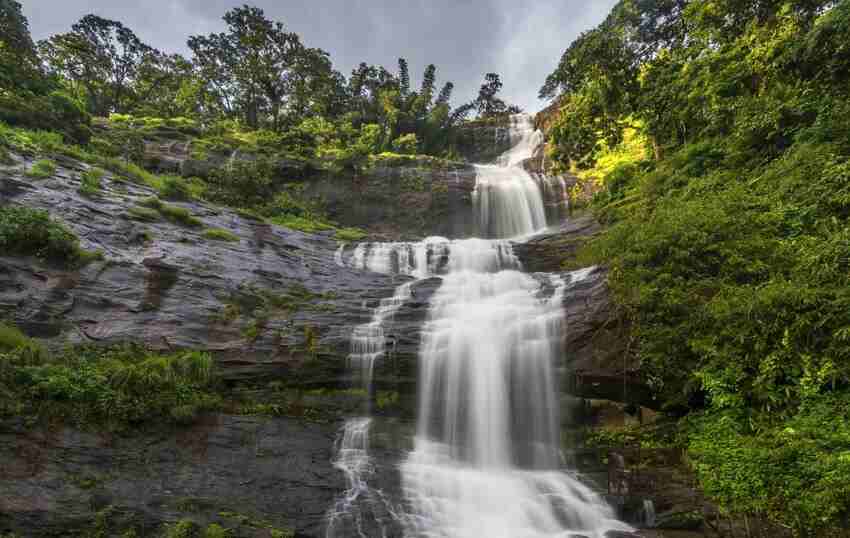
The monsoon is, without a doubt, the most dramatic athirapally falls season. The skies open up, feeding the Chalakudy River until it transforms into a colossal, roaring cascade. The mist from the falls blankets the surrounding forest, creating an ethereal, almost mystical atmosphere.
- What to See:The waterfall is at its most powerful and awe-inspiring. The surrounding athirapally wildlife sanctuary turns a brilliant, luminous green, with countless smaller streams and rivulets coming to life.
- Best Season:Peak monsoon (July-August) for the maximum raw power.
- How to Experience It:View the falls from the official viewpoints. The sound and the spray are an experience in themselves. Due to safety concerns, direct access to the base may be restricted, but the spectacle from above is unparalleled.
- The Post-Monsoon Proliferation (October – November)
A Photographer’s Paradise and Butterfly Bonanza
As the heavy rains recede, the landscape is left lush and teeming with life. This is the perfect window for photographers seeking the perfect shot of the falls still impressively full but under clearer skies. The receding rains also trigger an explosion of insect life, which in turn attracts a multitude of butterflies.
- What to See:The majestic falls against a backdrop of blue skies, and a spectacular variety of butterflies in the surrounding grasslands and forest edges.
- Best Season:October, when the weather is pleasant and the forest is at its greenest.
- How to Experience It:Take a guided walk along the forest paths near the falls. A knowledgeable guide can point out rare butterfly species and explain the intricate ecosystem.
- The Winter Birding Spectacle (December – January)
Prime Time for Avian Enthusiasts
Winter marks the beginning of the prime season for bird watching kerala is famous for. The weather is cool and dry, making it comfortable for long periods of observation. Migratory birds join the resident species, making the riverbanks and forest canopies a bustling avian metropolis.
- What to See:Look for the Great Hornbill, the majestic state bird of Kerala, along with Malabar Grey Hornbills, various species of kingfishers, drongos, and if you’re lucky, the elusive Ceylon Frogmouth.
- Best Season:December to February.
- How to Experience It:The Sholayar Range wildlife area is a hotspot for hornbills. Early morning walks along the river, armed with binoculars, are highly rewarding.
- The Summer Sanctuary Seekers (February – May)
Wildlife Spotting by the Watering Holes
As the summer heat intensifies and smaller water sources dry up, the Chalakudy River and the pools around Athirappilly Falls become vital watering holes for the forest’s inhabitants. This concentration makes wildlife much easier to spot.
- What to See:This is the best time for Athirappilly waterfall region to see elephants, gaur (Indian bison), sambar deer, and Nilgiri langurs as they come to the river to drink, especially in the early morning and late evening.
- Best Season:Late April and May.
- How to Experience It:Engage in quiet, patient observation at designated spots near the river, always maintaining a safe and respectful distance.
- The Nocturnal World Unveiled (Year-Round, Best in Dry Months)
Explore the Forest After Dark
When the sun sets, a different world awakens in the athirapally wildlife sanctuary. A night safari offers a thrilling opportunity to encounter the elusive creatures of the night, from the smallest insects to the most formidable predators.
- What to See:The Indian leopard, civets, porcupines, owls, nightjars, and a fascinating array of reptiles and amphibians.
- Best Season:The drier months from October to May, when forest roads are accessible.
- How to Experience It:Book a authorized night safari through a licensed operator. It’s a completely different sensory experience that reveals the hidden pulse of the forest.
- The River’s Rich Biodiversity (Year-Round)
Discover the Life Within the Chalakudy River
The ecosystem isn’t just around the river; it’s in it. The Chalakudy river biodiversity is remarkable, supporting a unique aquatic community that is crucial to the health of the entire region.
- What to See:Look for the smooth-coated otter playing in the water, spot the endangered Mahseer fish, and observe the complex web of life that includes amphibians, water birds, and riparian plants.
- Best Season:Post-monsoon and winter, when the water is clear.
- How to Experience It:A calm, guided walk along the riverbank, focusing on the water’s edge, can be incredibly revealing.
- The Cultural & Cinematic Landscape (Year-Round)
Walk Through a Living Film Set
The awe-inspiring beauty of Athirappilly has made it a beloved location for Indian cinema, particularly Malayalam films. Experiencing this landscape is like walking onto a living movie set, adding a layer of cultural significance to its natural beauty.
- What to See:Recognize viewpoints and landscapes featured in famous films.
- Best Season:Any time of year, as the “set” is always stunning.
- How to Experience It:A local guide can point out specific filming locations. Simply being there allows you to connect with the art that this landscape has inspired. For a comfortable stay that complements this experience, discover the Sterling Athirappilly resort.
Travelers’ Tales
“The raw power of Athirappilly Falls during the monsoon left me speechless. It’s not just a sight; it’s a force of nature you can feel in your bones.”
“Our stay at Sterling Athirappilly was magical. Waking up to the sound of the forest and the convenience of being so close to nature made our family holiday unforgettable. The kids didn’t want to leave!”
“The staff at Sterling Athirappilly went above and beyond. They helped us plan our day around the best times for bird watching and even arranged a guide. It felt like a truly personalized wildlife retreat.”
Conclusion
From the thunderous roar of the monsoon falls to the silent flight of a Great Hornbill in winter, Athirappilly offers a profound wildlife experience in every season. By timing your visit with these seven wonders, you can curate a journey that resonates with your spirit of adventure. It’s a place that reminds us of the enduring power and beauty of the natural world.
Ready to witness these seasonal wonders for yourself? Book your nature retreat at Sterling Athirappilly and immerse yourself in the unforgettable rhythm of the wild.