


How to Plan the Perfect Jungle Safari in Corbett National Park
Nestled in the foothills of the Himalayas, Jim Corbett National Park is not just India’s oldest national park; it is a timeless wilderness where the wild calls out in the trumpet of an elephant and the stealthy silence of a stalking tiger. A jungle safari corbett is a rite of passage for every wildlife enthusiast. However, the key to an unforgettable adventure lies in meticulous planning. This ultimate guide walks us through every step to ensure our Corbett safari is nothing short of perfect.
Step 1: Timing Your Tiger Trail – The Best Time to Visit Corbett
The first question every traveler asks is about the best time to visit corbett. The park’s character changes with the seasons, directly impacting wildlife sightings.
- Summer (Mid-March to Mid-June): This is the undisputed champion for tiger sightings. As the heat intensifies, water sources shrink, drawing animals to predictable waterholes. The sparse foliage offers better visibility. However, we must prepare for scorching temperatures.
- Winter (November to February): The weather is pleasant and ideal for bird watching. The park is lush and beautiful, but the dense undergrowth can make spotting the elusive corbett big cats safari a more challenging, yet rewarding, task.
- Monsoon (July to October): Note that the core safari zones of Corbett remain closed during this period due to heavy rainfall and breeding season. Some buffer zones might be accessible.
For the highest probability of a royal Bengal tiger encounter, we should plan a trip between April and June.
Step 2: Decoding the Zones – Your Corbett National Park Booking Guide
Corbett is divided into multiple zones, each with a unique landscape and wildlife density. Choosing the right zone is the most critical part of any Corbett National Park booking guide.
- Dhikala Zone: The crown jewel of Corbett. Famous for vast grasslands and the Ramganga reservoir, Dhikala offers the most spectacular scenery and the highest chance of seeing elephants, tigers, and deer in large numbers. Dhikala zone safari tips include booking months in advance, as this is the most sought-after zone. Only full-day safari gypsies are allowed, and overnight stays at the Dhikala Forest Lodge are an experience in themselves.
- Bijrani Zone: Often called ‘Mini Dhikala’, this zone is a mix of dense forests and open grasslands. This zone is highly productive for tiger sightings and is more accessible than Dhikala.
- Jhirna Zone: This zone remains open throughout the year and is known for sloth bears and wild boars. Jhirna is a good alternative if other zones are booked.
- Dhela Zone: A relatively new buffer zone, Dhela is rich in birdlife and offers a good chance to see tigers and leopards.
- Durga Devi Zone: A paradise for bird watchers and those seeking a corbett elephant safari, this zone, set along the Ramganga and Kosi rivers, is lush and beautiful.
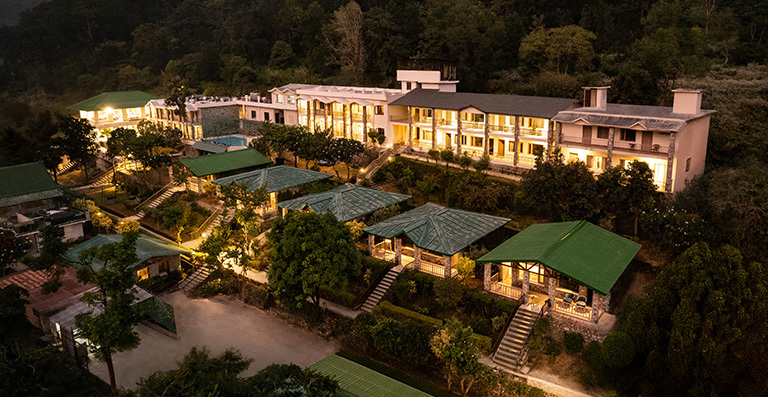
Pro Tip: For first-timers, Bijrani is an excellent start. For the ultimate, raw wilderness experience, nothing beats Dhikala. Choosing a well-located base, such as Sterling Holidays Corbett, can make accessing these zones significantly easier, as detailed on the Sterling Corbett Resort page.
Step 3: Booking Your Safari – Navigating the Process
All safari bookings for the core zones are handled online via the official Uttarakhand Forest Department website. This process is competitive, so we must follow these steps:
- Plan Early: Bookings open 45 days in advance. For popular zones like Dhikala, slots fill up within minutes.
- Create an Account: Register on the official portal.
- Choose Your Safari: Select a zone, date, and vehicle type (usually a 6-seater Gypsy). We must be prepared with multiple date and zone options.
- Make the Payment: Have payment details ready. The corbett jeep safari price varies by zone, with Dhikala being the most expensive.
- Carry ID: We must not forget to carry the same photo ID used for booking on the safari day.
Considering the complex booking process, many travelers find ease in booking through authorized resorts. Packages that include safari arrangements, like those often found at Sterling Holidays, streamline the entire adventure, letting us focus on the wildlife. Discover more about these curated experiences on the Sterling Holidays Corbett Destination guide.
Step 4: Choosing Your Steed – Jeep vs. Elephant Safari
The mode of transport defines the safari experience.
- Jeep Safari: The most popular and practical option. A jungle safari corbett in a gypsy allows us to cover large distances, navigate deep into the forest, and is ideal for photography. A jeep safari is a shared but intimate experience.
- Corbett Elephant Safari: A more traditional and elevated experience. An elephant can traverse denser forests and marshy areas inaccessible to jeeps, offering unique angles for viewing wildlife, especially birds and smaller animals. An elephant safari is a quieter, more serene way to explore.
For a comprehensive experience, many enthusiasts opt for a combination of both.
Step 5: Packing for the Wild – The Essential Safari Kit
Packing right enhances comfort and safety.
- Clothing: We should wear muted colors like olive green, beige, or brown. Avoiding bright colors and white is crucial. Full-sleeved shirts and trousers protect from the sun and insects.
- Footwear: Comfortable, closed shoes are a must.
- Gear: Binoculars are non-negotiable. A good camera with a zoom lens, extra batteries, and memory cards is essential.
- Protection: Sunscreen, a hat, and sunglasses are vital. We should carry a reusable water bottle.
- Documents: The safari permit and photo ID are mandatory.
Step 6: Beyond the Stripes – What to See in Corbett Besides Tigers
While the tiger is the star, a jungle safari corbett is about the entire ecosystem. We must keep an eye out for:
- The Majestic Elephant Herds
- Leopards and Deer (Spotted Deer, Sambar, Barking Deer)
- The Shy Sloth Bear
- Reptiles like the Mugger Crocodile and Indian Python
- Over 600 species of birds, including the Great Hornbill and the Crested Serpent Eagle.
Traveler Tales from Corbett
Nothing builds excitement like a first-hand account. One visitor vividly recalls an encounter:
“We were at a waterhole in the Bijrani zone, our jeep engine switched off. The silence was profound. Suddenly, a langur sent out a sharp alarm call. Our guide whispered, ‘Be ready.’ And then, she emerged from the tall grass—a tigress, majestic and powerful. She walked within 20 feet of our jeep, completely ignoring us, her eyes focused on the horizon. For those two minutes, time stood still. It was pure, untamed magic.”
Experience Unmatched Comfort with Sterling Corbett
After a long day in the wild, a comfortable and convenient stay is paramount. Sterling Holidays offers just that, creating a perfect base for our adventure.
“Our stay at Sterling Corbett was the perfect complement to our wildlife safari. The resort is beautifully located, the staff was incredibly helpful in arranging our jeep safaris, and the naturalist sessions in the evening were highly informative. Coming back to a cozy room and a warm meal after an exhilarating day in the forest made our holiday seamless and stress-free.”
Safari Etiquette: Tread Softly, Leave Only Footprints
- Silence is Golden: Noise disturbs wildlife. We must speak in hushed tones.
- No Littering: The forest is home; we must not pollute it.
- Stay in the Vehicle: We should not stand up or get down from the jeep unless at a designated spot.
- Follow the Guide: Guides are experts. Their instructions are for our safety and the well-being of the animals.
- No Flash Photography: Flash can startle and distress animals.
A well-planned jungle safari corbett is more than a trip; this adventure is an immersion into the heart of the wild. By following this guide, we are not just planning a vacation—we are preparing for an unforgettable dialogue with nature. We should start this journey today.