


Rivers of India: Following the Waterways That Shape Our Journeys
Rivers of India: Following the Waterways That Shape Our Journeys
Rivers do more than flow through India. They shape its landscapes, nourish communities, inspire traditions and quietly influence the way we travel. This World Rivers Day, we follow the waterways that lead us to some of India’s most memorable escapes.
There is something about arriving beside a river that immediately changes the pace of a journey. The sound of moving water replaces the rush of traffic. Mornings begin differently. Landscapes seem wider, quieter and more alive.
But what if a river could be more than a backdrop to a holiday? What if it could become the journey itself?
Across India, rivers have long been at the centre of civilisation. They have carried people, stories, food, traditions and livelihoods across generations. Today, they are also drawing travellers towards experiences that feel closer to nature and local life.
From the mighty Godavari to Kerala’s intricate waterways, river-led destinations offer another way of seeing India one that begins with following the water.
Where the Godavari Becomes a Way of Life
In Andhra Pradesh, the Godavari is more than one of India’s great rivers. It is a living presence that influences the landscape and the communities around it.
At Sterling Palavelli Godavari, the river becomes part of the travel experience itself. Set amidst the lush landscapes of the Godavari region, the destination offers travellers an opportunity to experience a slower side of Andhra Pradesh where waterways, greenery and local culture come together.
Here, the appeal isn’t simply about being beside a river. It is about understanding the landscape that the river has helped create.
And perhaps that is the real magic of river travel: the destination begins to make sense only when you understand the water that runs through it.
When the River Becomes the Landscape
Some rivers announce themselves dramatically. Others reveal themselves quietly through forests, valleys and changing landscapes.
At Sterling Lontano, the connection with nature takes a different form. Surrounded by the verdant beauty of the Western Ghats, the destination brings travellers closer to landscapes shaped by water, forests and mountain ecosystems.
The Western Ghats are home to numerous rivers and streams that sustain some of India’s richest ecosystems. Here, water is not merely something to look at it is part of the landscape’s rhythm.
A journey into such places reminds us that India’s rivers do not exist in isolation. They are connected to forests, rainfall, wildlife, agriculture and the people who depend on them.
Following Water Through the Western Ghats
Further into Kerala, the relationship between water and landscape becomes even more intimate.
At Sterling Vythiri, the experience is rooted in the lush environment of Wayanad, where streams, forests and mist-covered hills create a setting that feels worlds away from the pace of urban life.
Here, water is woven into the identity of the destination. Monsoon rains transform the landscape, streams come alive and the forest seems to breathe differently.
For travellers, this creates an experience that is less about ticking places off a list and more about slowing down enough to notice them.
Because sometimes, the most memorable journeys aren’t the ones that take us farther they are the ones that make us pause longer.
Alleppey: Where Water Becomes the Road
Then there is Alleppey, where the very idea of a road seems to change.
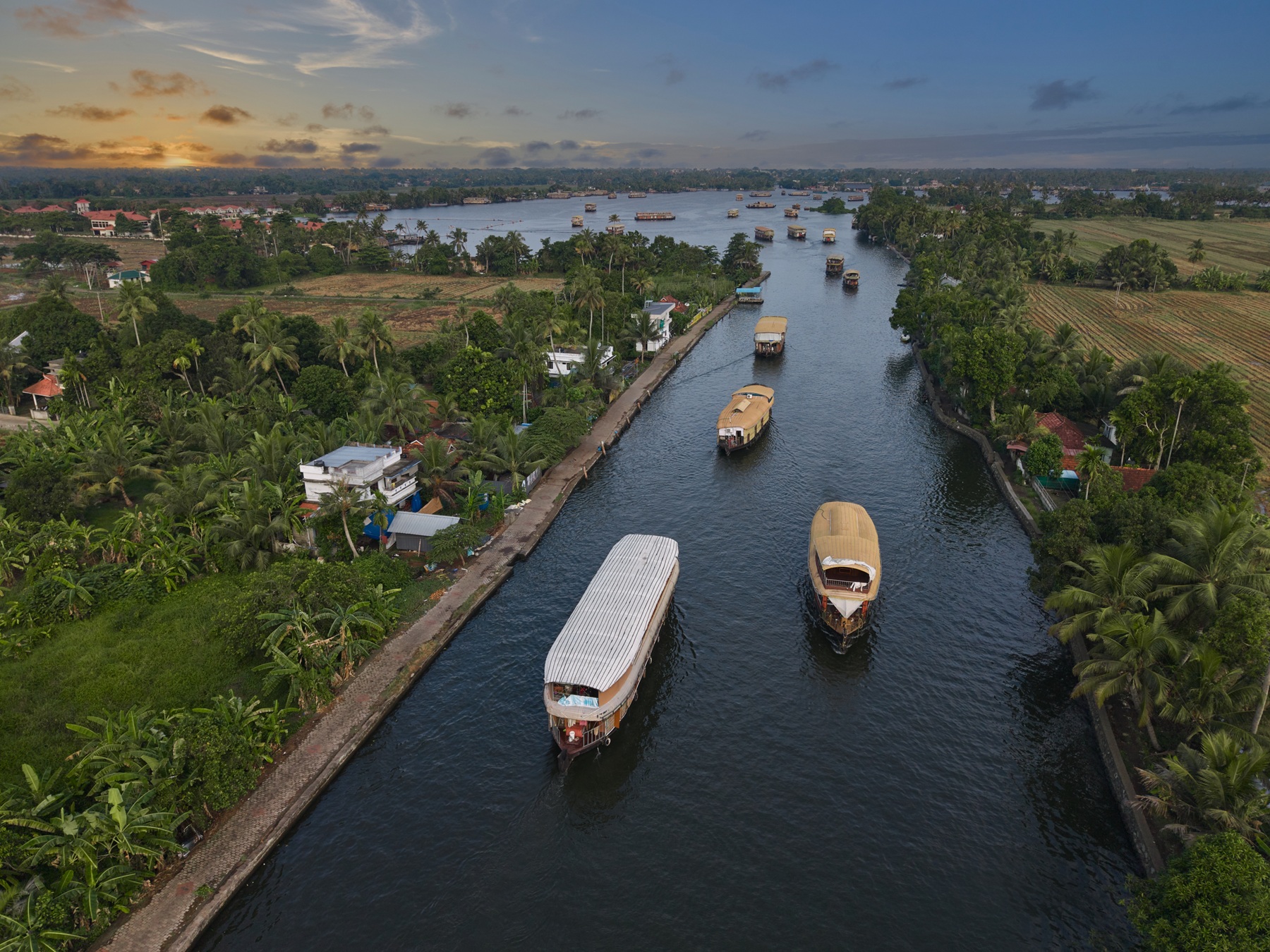
Kerala’s famous backwaters form an intricate network of lakes, canals and waterways, with communities living and working alongside them. Here, boats replace buses, waterfront villages replace conventional streets and everyday life unfolds around the water.
At Sterling Lake Palace Alleppey, this distinctive relationship with Kerala’s waterways becomes part of the stay. The setting offers travellers a chance to experience a landscape where water isn’t simply something to admire it is how the destination connects.
The backwaters also tell a larger story about coexistence. Fishing, farming, traditional boat travel and tourism all intersect within this delicate ecosystem.
And that makes travelling through these landscapes an opportunity to appreciate something easily overlooked: rivers and waterways are not just scenic assets; they are living systems.
A Journey Worth Protecting
World Rivers Day is a reminder to look at rivers beyond their beauty.
India’s waterways face growing pressures from pollution, urbanisation, changing rainfall patterns and increasing demands on water resources. Protecting them requires more than government action or conservation programmes. It also requires awareness from communities, businesses and travellers.
River-led travel can play a small but meaningful role in creating that awareness. When we experience a destination through its waterways, we begin to understand why those waterways matter.
From the Godavari at Palavelli to the green landscapes of Lontano and Vythiri, and the waterways of Alleppey, these journeys reveal different expressions of India’s relationship with water.