


Sterling Panchgani
Set in the Satara district of Maharashtra at roughly 1,300 metres in the Sahyadri range, this Western Ghats hill station is named for the five villages, Dandeghar, Godavali, Ambral, Khingar, and Taighat, that once ringed its slopes, and remains one of the most searched places to visit near Mahabaleshwar. Developed as a British summer retreat in the 1860s under superintendent John Chesson, it grew into a genteel hill town of colonial-era bungalows, convent boarding schools, and health resorts, prized even then for a climate mild enough to visit through most of the year.
Its signature draw is Table Land, a vast volcanic plateau ranked among Asia's largest, offering horse rides and sweeping views over the Krishna Valley. A cluster of viewpoints nearby, including Parsi Point and Sydney Point, look out over the Dhom Dam, Kamalgad Fort, and the town of Wai, while Rajpuri Caves and the Devrai Art Village add a cultural stop to the itinerary. The destination sits about 21 km from Mahabaleshwar and around 108 km from Pune, and is often paired with a trip to the Kaas Plateau, a UNESCO World Heritage wildflower reserve that blooms each monsoon.
Come strawberry season, roadside stalls and the well-known Mapro Garden sell fresh berries, jams, and crushes grown across the surrounding slopes, giving the hills their other well-earned reputation. Whether it's a plateau sunrise, a fort trek, or simply a quiet stretch of pine-lined roads, the twin hill stations reward an unhurried pace over a checklist of sights.
Our Resort(s) at PANCHGANI

Important Information
State: Maharashtra
District: Satara
Destination Type: Hill Station
Road Connectivity: Well connected via the Pune-Satara-Mahabaleshwar road, about 108 km from Pune and 21 km from Mahabaleshwar
Languages: Marathi, Hindi, English
Nearest Railway Station: Satara Railway Station, which is 48 km away
Nearest Airport: Pune International Airport (115 km)
Summer (March to June): Warm days generally between 20°C and 35°C with cooler evenings, pleasant compared to the plains below
Monsoon (July to September): Heavy rainfall typical of the windward Sahyadri range, with lush greenery and occasional landslide-related road closures
Winter (October to February): Cool and pleasant, generally between 10°C and 25°C, and the peak season for strawberry picking and sightseeing
● Visit Table Land early in the morning or around sunset for the best light and to avoid the busiest crowds and horse-ride touts.
● Pick up fresh strawberries, jams, and crushes from local farms or Mapro Garden, best enjoyed between December and April.
● Carry a light jacket even in the warmer months, since evenings stay cool at this elevation.
● Avoid the ghat roads during heavy downpours in July and August, when the Sahyadri stretch can see landslide-related closures.
● Book your stay ahead for weekends and the Diwali to New Year stretch, when demand from Pune and Mumbai travellers peaks.
QUICK FACTS
OUR RESORT IN PANCHGANI
Sterling Panchgani
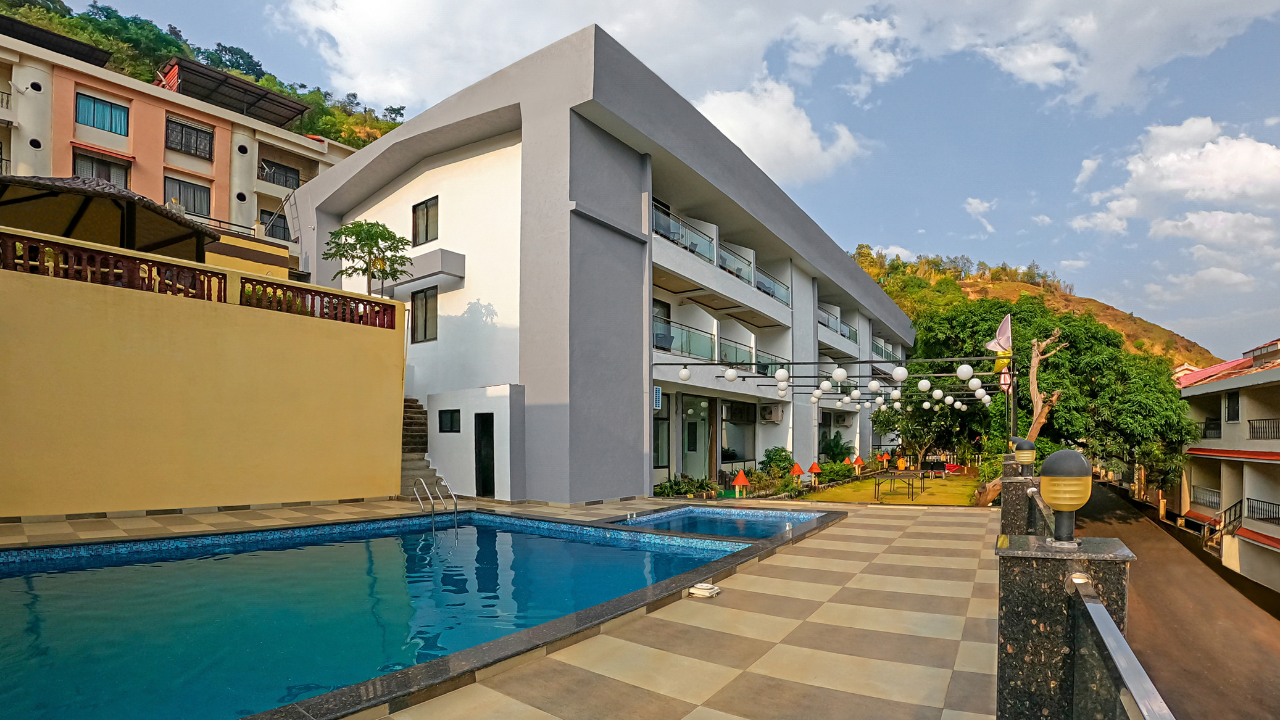
Perched on a private hillock just 4 km from the market area, Sterling Panchgani is a 24-room property that trades the noise of the main road for an elevated, valley-facing setting. Rooms range from the Premier Room with Balcony and Mountain View Premier Rooms, up to the Mountain View Privilege Suite, each with a private balcony and views over the surrounding Sahyadri range. Guests can unwind at the in-house spa, while the Silver Oak restaurant serves Maharashtrian staples like vada pav and puran poli alongside Indian and international dishes.
LOCATION & INFORMATION
State: Maharashtra
District: Satara
Destination Type: Hill Station
Road Connectivity: Well connected via the Pune-Satara-Mahabaleshwar road, about 108 km from Pune and 21 km from Mahabaleshwar
Languages: Marathi, Hindi, English
Nearest Railway Station: Satara Railway Station, which is 48 km away
Nearest Airport: Pune International Airport (115 km)
● Visit Table Land early in the morning or around sunset for the best light and to avoid the busiest crowds and horse-ride touts.
● Pick up fresh strawberries, jams, and crushes from local farms or Mapro Garden, best enjoyed between December and April.
● Carry a light jacket even in the warmer months, since evenings stay cool at this elevation.
● Avoid the ghat roads during heavy downpours in July and August, when the Sahyadri stretch can see landslide-related closures.
● Book your stay ahead for weekends and the Diwali to New Year stretch, when demand from Pune and Mumbai travellers peaks.
Summer (March to June): Warm days generally between 20°C and 35°C with cooler evenings, pleasant compared to the plains below
Monsoon (July to September): Heavy rainfall typical of the windward Sahyadri range, with lush greenery and occasional landslide-related road closures
Winter (October to February): Cool and pleasant, generally between 10°C and 25°C, and the peak season for strawberry picking and sightseeing
Gallery


Best Time to Visit
October to February – Winter & Strawberry Season
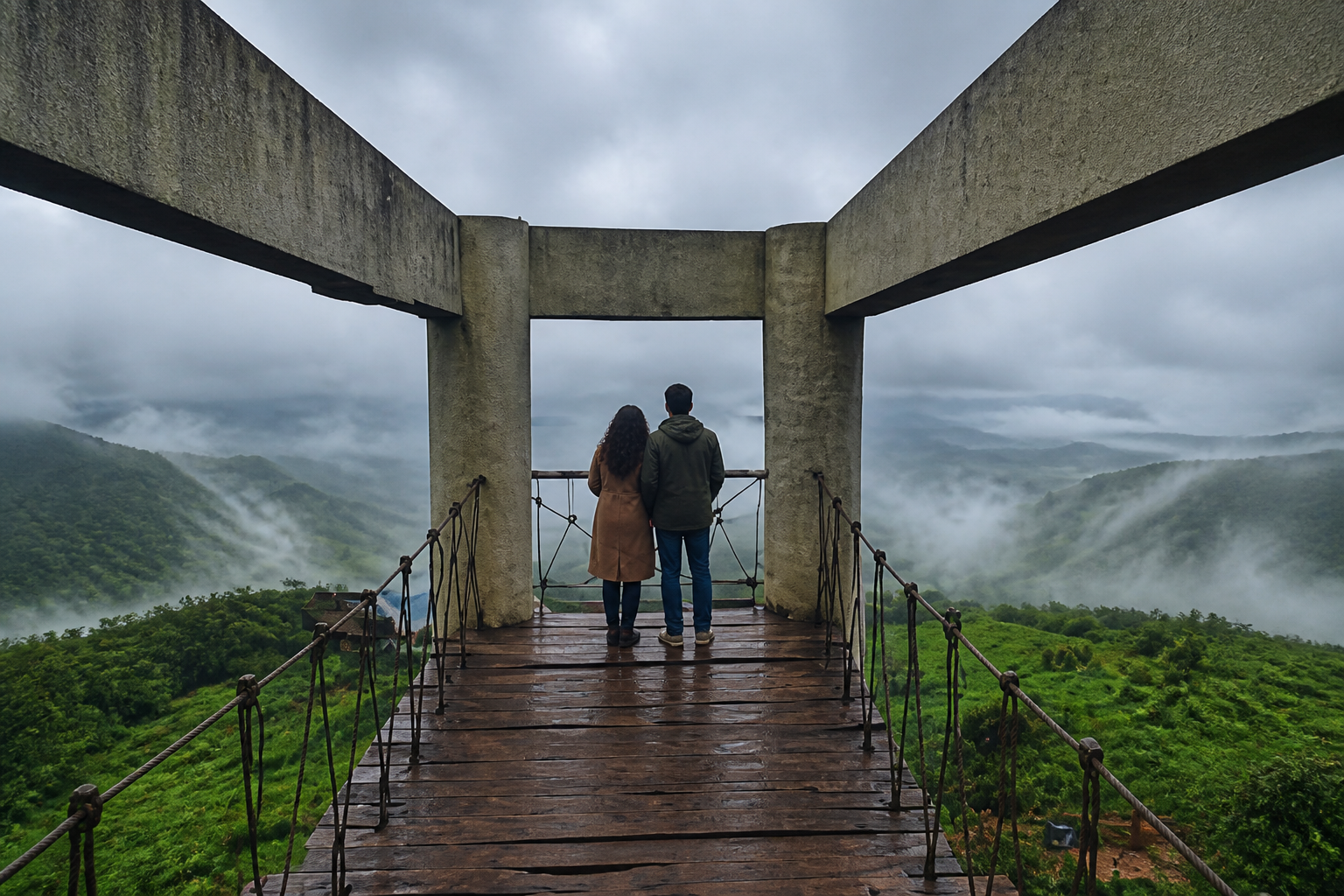
Winter brings the coolest, clearest weather, ideal for plateau walks, viewpoint sightseeing, and fort visits. This period overlaps with the strawberry season, when farms around town are at their most productive, making it the most popular stretch for both first-time visitors and returning travellers.

March to June – Summer, Warm Days & Cool Nights
Summer days are noticeably warmer, but the elevation keeps mornings and evenings comfortable, making this a good window for those escaping the heat of Pune or Mumbai. It's also a quieter season at the main viewpoints compared to the winter rush.
July to September – Monsoon & Lush Greenery
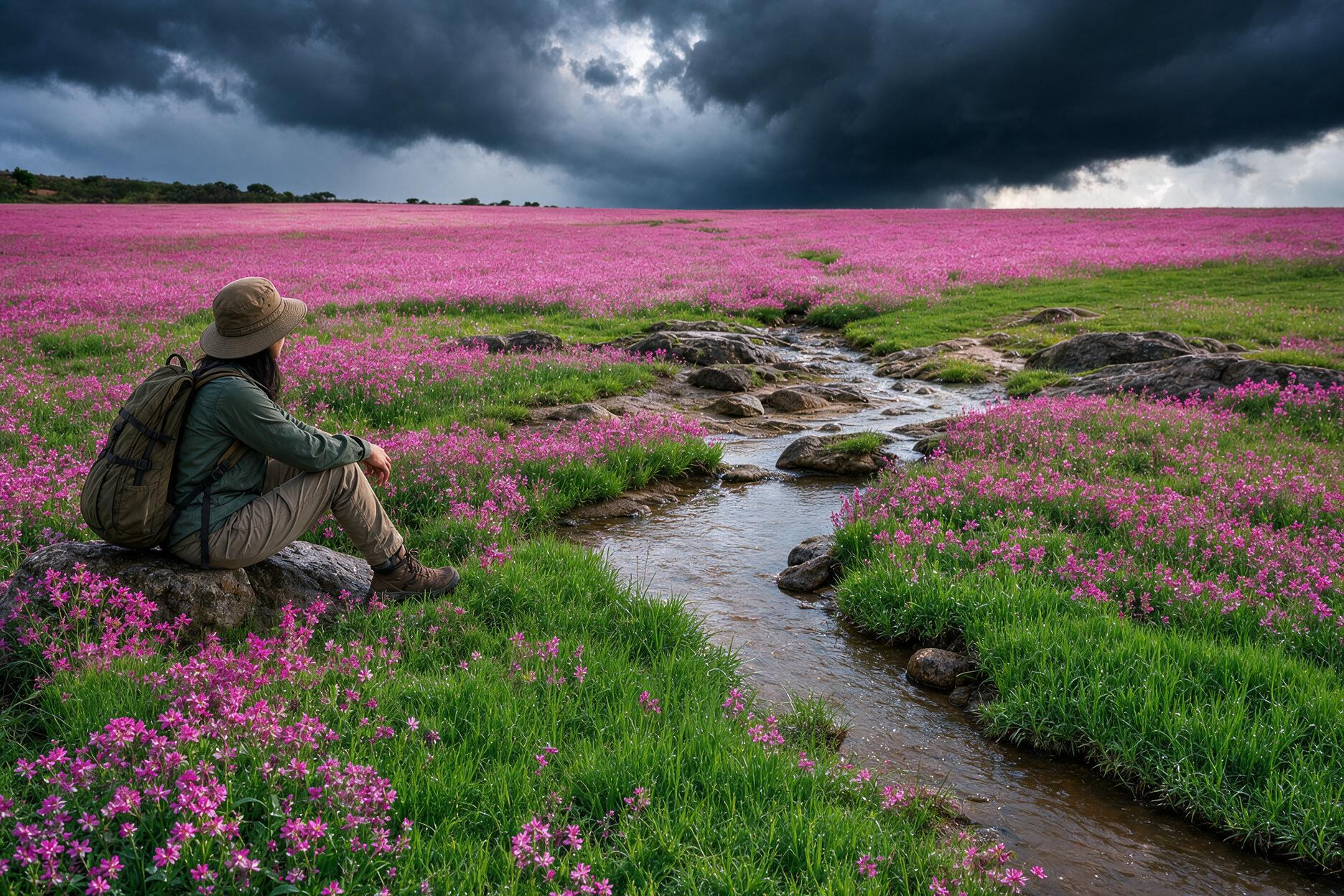
The monsoon turns the Sahyadri hillsides a vivid green and fills the Krishna Valley's dams and streams, making it a scenic season for travellers who don't mind rain. Some ghat roads can see landslide-related disruptions during heavy spells, so it's worth checking conditions before setting out, particularly on a trip that includes the Kaas Plateau bloom.
For the most comfortable sightseeing and the best chance at fresh strawberries, plan a visit between October and February. Travellers who prefer quieter viewpoints can consider March to June, while those chasing waterfalls, mist, and the seasonal wildflower bloom at Kaas should aim for July to September.