


Best Places to Visit in Mussoorie for Himalayan Views and Colonial Hill Station Charm
Perched at over 2,000 metres in the Garhwal Himalayas, Mussoorie has earned its nickname 'Queen of the Hills' and remains one of North India's most searched hill-station getaways for travellers researching places to visit in Mussoorie. Just over 30 km from Dehradun, the town traces its origins to 1827, when Captain Frederick Young of the Gorkha regiment built a hunting lodge here and unwittingly founded what grew into Mussoorie and its original cantonment, Landour.
The town's best-known draw is the Winterline, a rare band of orange and yellow light that appears on the horizon at sunset each winter and is visible from only a handful of places worldwide, drawing crowds to viewpoints such as Lal Tibba, George Everest House and Cloud's End between mid-October and January. Mall Road remains the town's social spine, home to the Cambridge Book Depot linked to author Ruskin Bond, while a short hike or ropeway ride leads up to Gun Hill, the second-highest point in town. Adventure travellers head out to Kempty Falls and the lesser-known Jharipani Falls, both roughly a half-hour drive away, or wander the flower-lined paths of Company Garden, before exploring the pine forests and colonial cottages of Landour; the destination sits within easy driving distance of Dehradun, Rishikesh and Haridwar for a longer Uttarakhand itinerary.
Just above the main town, the quieter lanes of Landour hide Christ Church, one of the oldest churches in the Himalayas, along with century-old bakeries and bookstores that still draw browsing crowds. A short walk along Camel's Back Road takes visitors past old colonial cemeteries and pine groves, while the reputedly haunted Lambi Dehar Mines offer an offbeat detour for the more adventurous. Beyond the town, day trips extend to the terraced orchards and paragliding slopes of Dhanaulti, or further downhill to Rishikesh for river rafting on the Ganga, making Mussoorie a convenient base for a wider Garhwal Himalayan trip.
Our Resort(s) at MUSSOORIE

Important Information
State: Uttarakhand
District: Dehradun
Destination Type: Hill Station
Nearest Airport: Dehradun, about 63 km from the resort
Nearest Railway Station: Dehradun Railway Station, about 38 km from the resort
Road Connectivity: Well connected via NH707 and the Dehradun-Mussoorie Road
Languages: Garhwali , Gorkhali, Kumaoni, Hindi and English
Summer (March to June): Pleasant days between 15°C and 30°C, ideal for sightseeing and outdoor walks.
Monsoon (July to September): Heavy rainfall with temperatures around 20°C to 24°C; landslides possible on hill roads.
Winter (October to February): Cold and crisp, dropping to sub-zero at night, with occasional snowfall and the Winterline visible at sunset.
• Time a winter visit between mid-October and February to catch the Winterline at sunset from viewpoints such as Lal Tibba or Gun Hill.
• Carry warm layers year-round, since evenings turn chilly quickly at this altitude even in summer.
• Book a cab or rent a scooter in advance for the winding drive to Kempty Falls, since roads narrow considerably outside the main town.
• Avoid travelling during heavy monsoon spells between July and September, when landslides can disrupt the Dehradun-Mussoorie road.
• Walk Camel's Back Road in the early evening for quieter Himalayan views away from the Mall Road crowds.
Quick Facts
Our Resort in Mussoorie
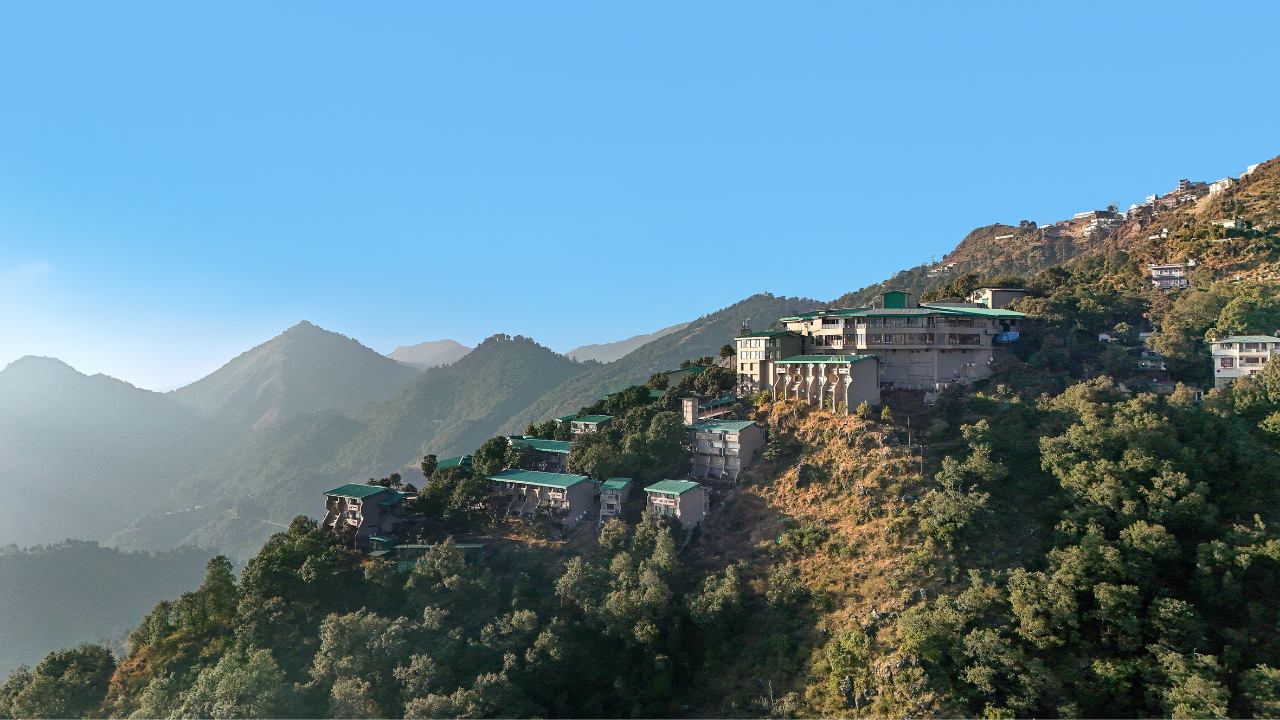
Sterling Mussoorie
Sterling Mussoorie is a 5.5-acre cliff-top resort offering sweeping views over the Doon Valley and its famous Winterline. The property has 115 rooms, most fitted with a large picture window, giving guests a choice between valley-facing rooms overlooking the Himalayan foothills or standard rooms set further back from the cliff edge. Guests can spend an afternoon at the Discovery Central activity zone, try zip-lining, rope adventures and target shooting at the resort's Holiday Activity Centre, or unwind with a treatment at the on-site spa. The Doon Diner restaurant serves Garhwali cuisine such as Pahari Rajma and Lauki ke Kofte alongside Satvik, Indian and international dishes, and evenings often wind down at the amphitheatre with a bonfire or DJ night.
Location And Information
State: Uttarakhand
District: Dehradun
Destination Type: Hill Station
Nearest Airport: Dehradun, about 63 km from the resort
Nearest Railway Station: Dehradun Railway Station, about 38 km from the resort
Road Connectivity: Well connected via NH707 and the Dehradun-Mussoorie Road
Languages: Garhwali , Gorkhali, Kumaoni, Hindi and English
• Time a winter visit between mid-October and February to catch the Winterline at sunset from viewpoints such as Lal Tibba or Gun Hill.
• Carry warm layers year-round, since evenings turn chilly quickly at this altitude even in summer.
• Book a cab or rent a scooter in advance for the winding drive to Kempty Falls, since roads narrow considerably outside the main town.
• Avoid travelling during heavy monsoon spells between July and September, when landslides can disrupt the Dehradun-Mussoorie road.
• Walk Camel's Back Road in the early evening for quieter Himalayan views away from the Mall Road crowds.
Summer (March to June): Pleasant days between 15°C and 30°C, ideal for sightseeing and outdoor walks.
Monsoon (July to September): Heavy rainfall with temperatures around 20°C to 24°C; landslides possible on hill roads.
Winter (October to February): Cold and crisp, dropping to sub-zero at night, with occasional snowfall and the Winterline visible at sunset.
Gallery


Best Time To Visit
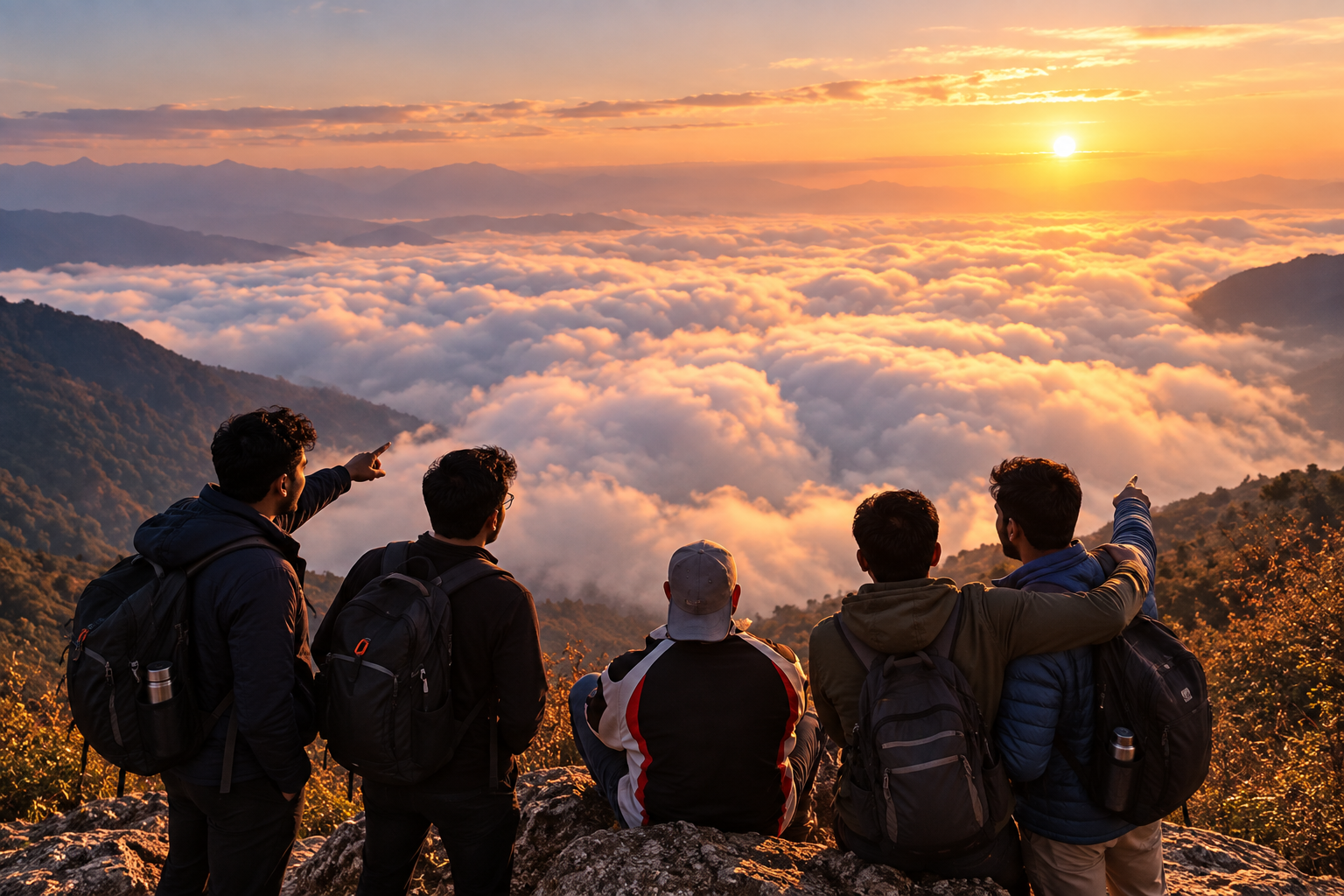
March to June – Summer & Peak Sightseeing Season
Summer brings Mussoorie its most pleasant weather, with days ranging between 15°C and 30°C, ideal for walking Mall Road, riding the Gun Hill ropeway and exploring Camel's Back Road. This season also suits day trips to Kempty Falls and the George Everest House, since the hill roads stay clear and driving conditions are at their best. Evenings still turn cool, so light woollens are worth packing even in peak summer.
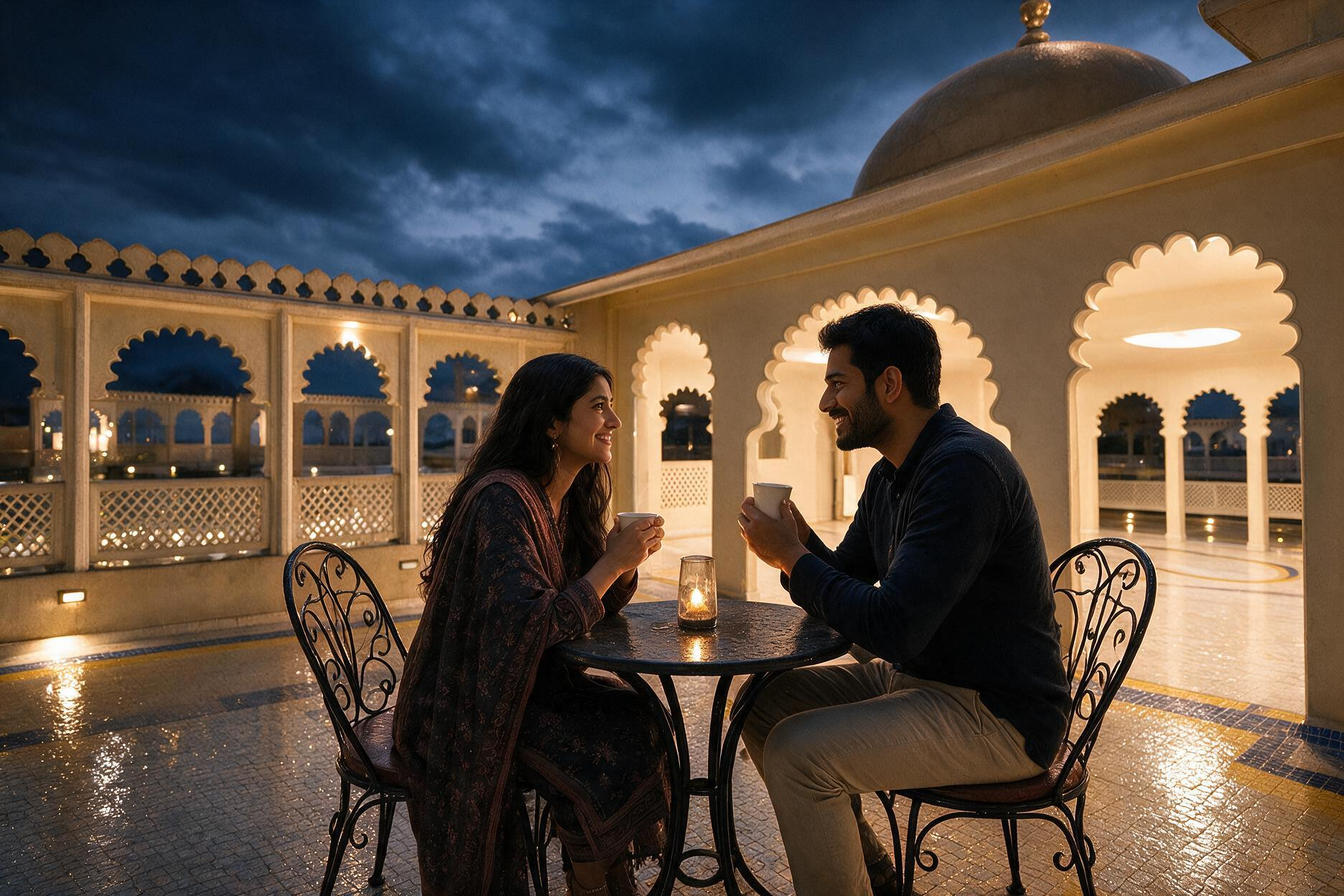
July to September – Monsoon & Lush Green Hills
The monsoon turns the Doon Valley and surrounding pine forests a deep, misty green, with temperatures holding between 20°C and 24°C. Heavy rainfall can trigger landslides on the Dehradun-Mussoorie road, so this season suits travellers who don’t mind occasional disruptions in exchange for quieter viewpoints and lush scenery. It is generally considered the least favourable season for a first visit.
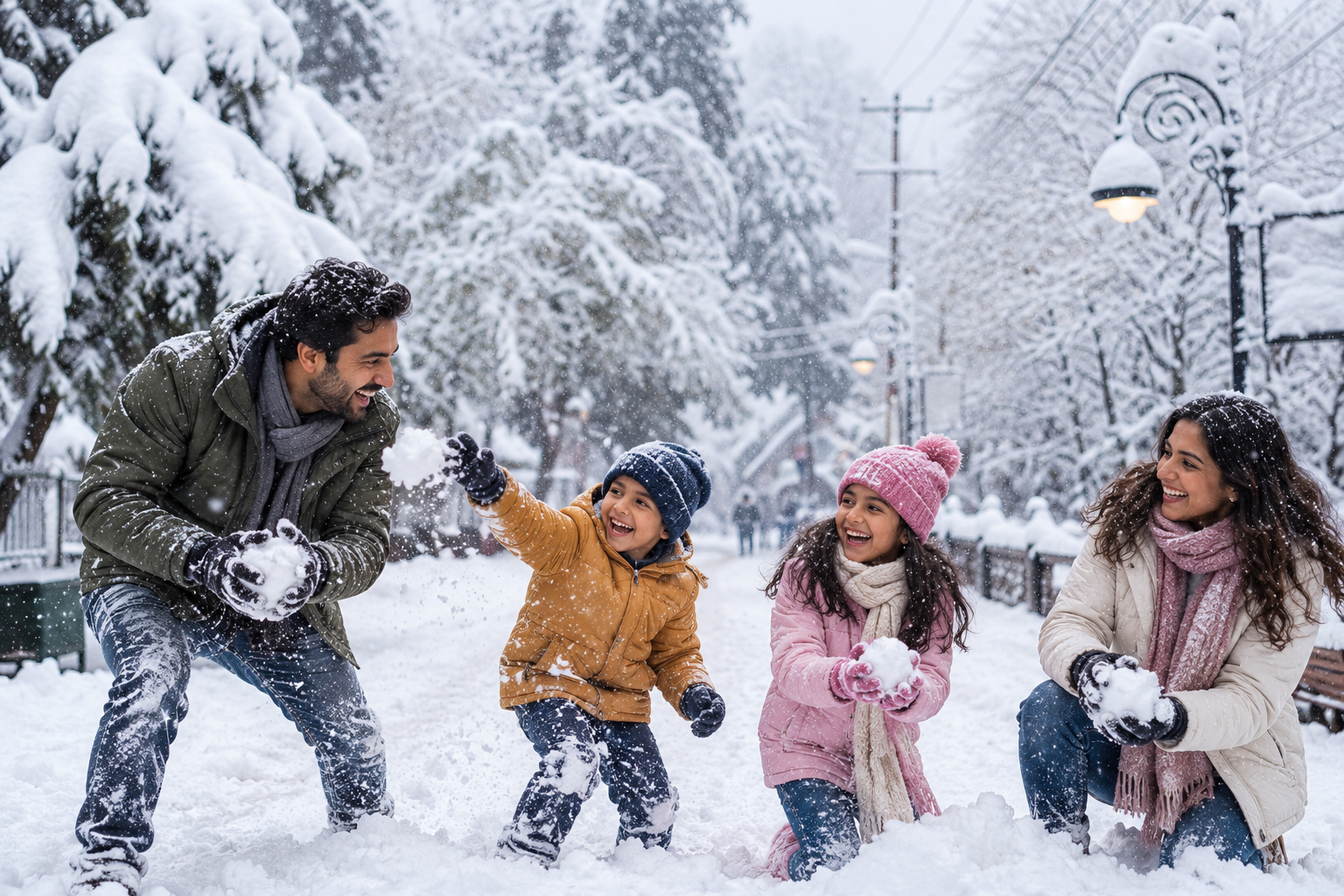
October to February – Winter & Winterline Season
Winter is Mussoorie's coldest stretch, with night temperatures dropping to sub-zero and occasional snowfall dusting Lal Tibba and Gun Hill. This is also when the Winterline phenomenon lights up the evening sky, drawing photographers and travellers to viewpoints such as George Everest House and Cloud's End, with the town hosting its Winterline Carnival every December. Warm layers are essential, but the crisp air and mountain views make it a favourite season for winter getaways.
For classic hill-station weather and the widest choice of outdoor activities, the summer months of March to June are the best time to visit Mussoorie. Travellers chasing the Winterline and a crisp, wintry atmosphere should plan a trip between October and February, while the monsoon months of July to September are best avoided due to the risk of landslides on hill roads.
Experiences
-
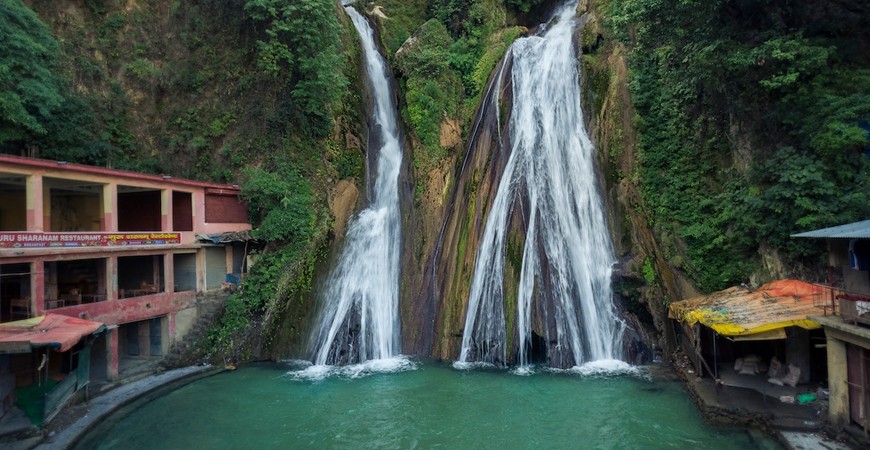
Kempty Falls : Afternoon Tea with a View
A picturesque waterfall near Mussoorie, Kempty Falls is a treat for the eyes! Known to be a favourite amongst the British gentry, the beauty of the falls is ethereal.
-
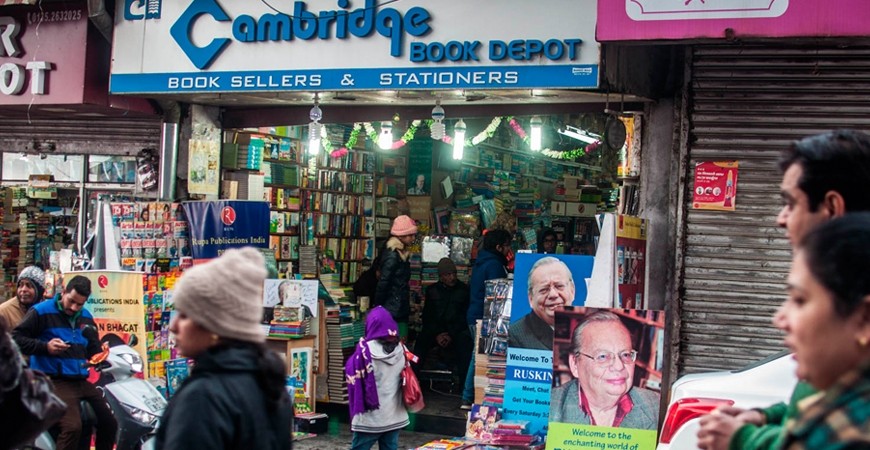
Cambridge Book Depot : Where Mussoorie comes alive for the Book lovers
Mussoorie is home to Ruskin Bond. At Cambridge Book Depot, a nondescript bookstore on Mall Road, you’ll find everything about what inspired this prolific author of children's literature, and a chance to meet him!
-
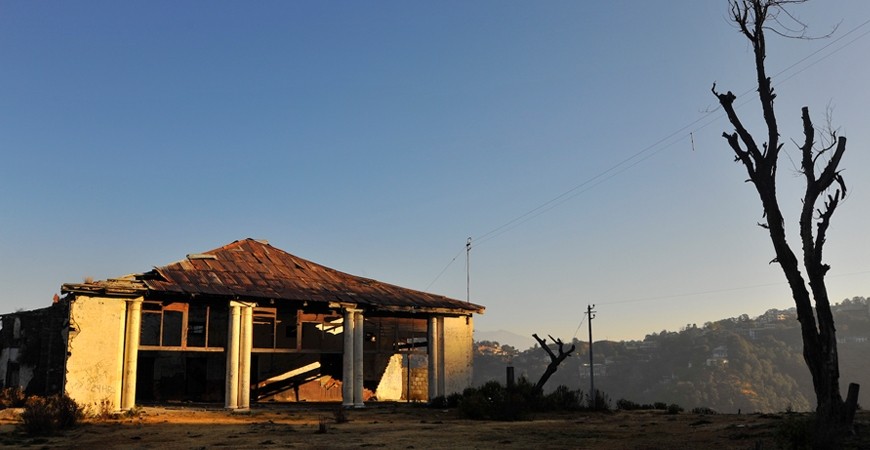
Kandi Lodge: Witness India 's Checkered Colonial Past
Kandi Lodge and Punishment Point are completely off the tourist beat. Just a short walk away from Sterling Mussoorie, these places hold dark secrets of the British Raj.
-
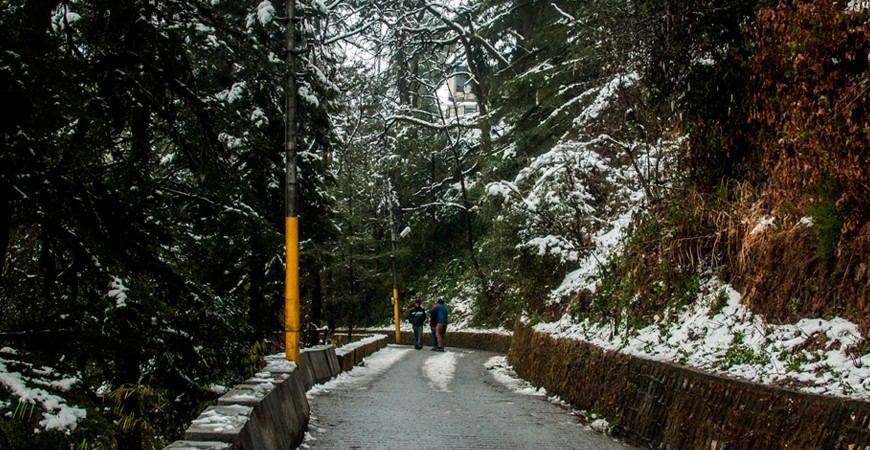
Lal Tibba: The Blushing Peak of Mussoorie
The climb up to Mussoorie's highest peak, Lal Tibba, is a quiet walk past cemeteries, churches, old cottages and thickets of pine.
-
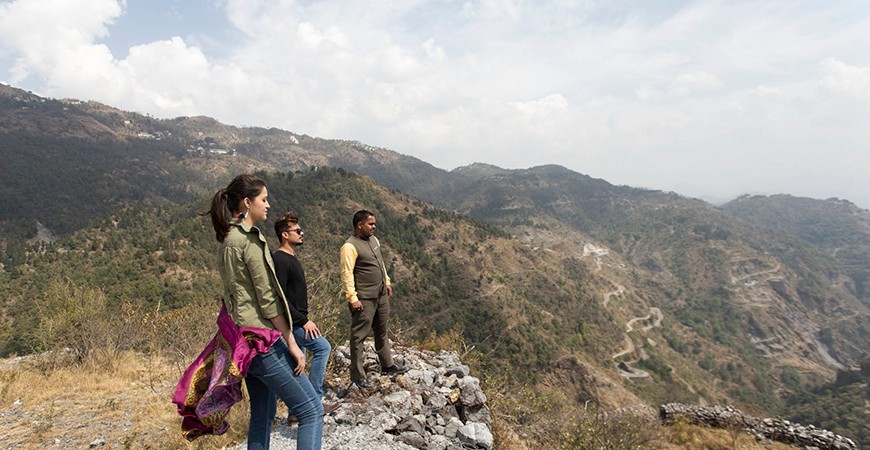
Gun Hill: Time-Keeping, The Traditional Way
A charming place with a quirky history, Gun Hill is just a short hike from the Mall road. It has a carnival-like atmosphere where Mussoorie comes out in all its glory.
-
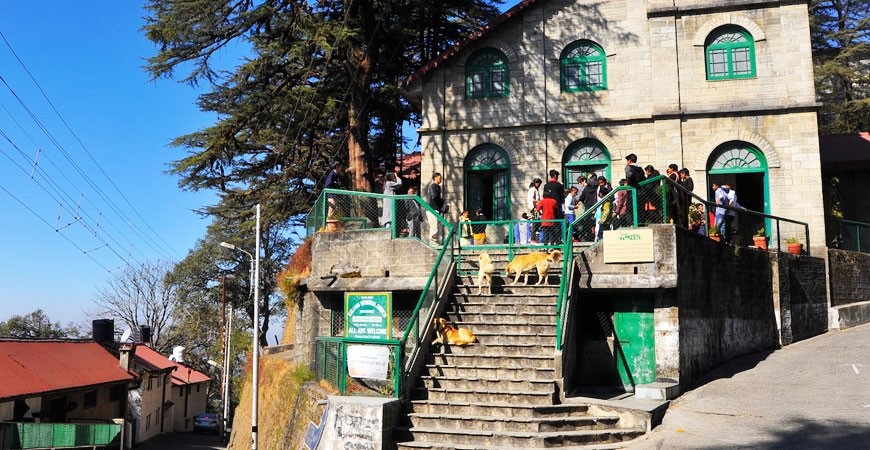
Landour: When it was Meat Instead of Potatoes
Landour is the original British settlement, which expanded into Mussoorie. Charming stone cottages, old churches and schools are still in good shape as is the spirit of the place.
-
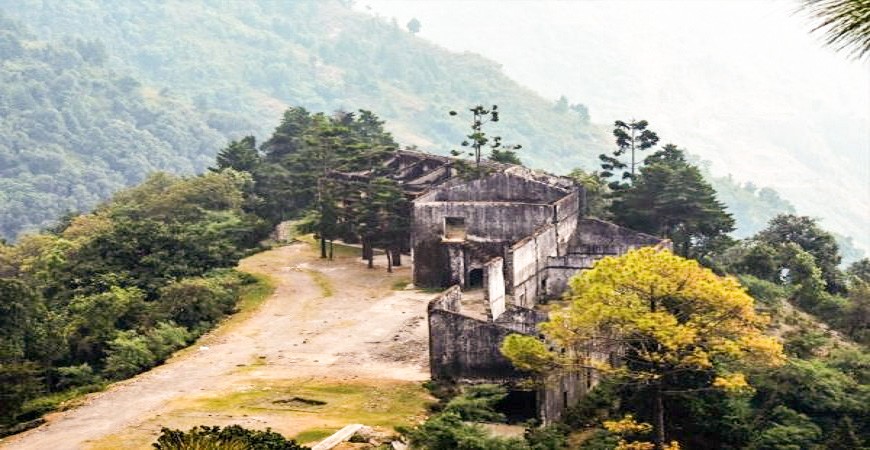
Lambi Dehar Mines: A Trek into the Haunted Past
A haunted mine where you can supposedly hear the cries of 50,000 dead mine workers. Defintely not for the faint-hearted.
-
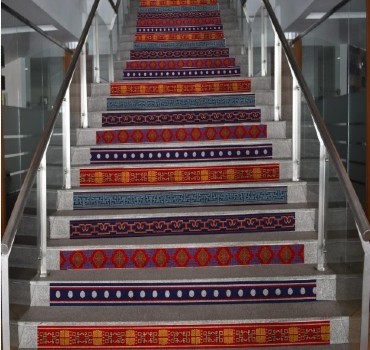
FLIGHT OF FANCY
Tread with care! This flight of stairs is embellished with traditional ‘Pahadi’ Art developed by the weavers of the Bhutia community over several centuries.
-
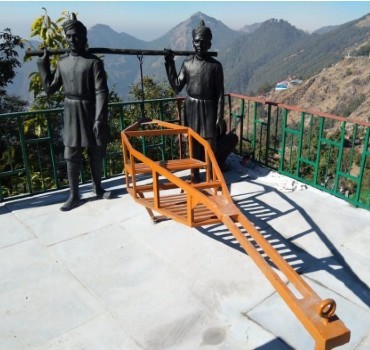
CARRY ON DANDY
Pull on a costume from the bygone era and click a memorable experience of being carried in a private ‘Dandy’, surrounded in the backdrop of the majestic Garhwal ranges of Mussoorie.
-
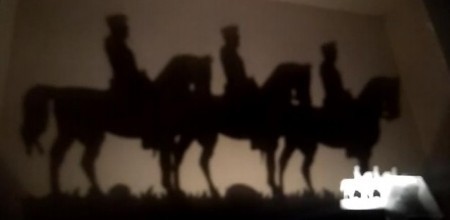
THE WAR OF 1814
Did you know the Anglo-Nepalese War or the ‘Gurkha War’ led to the then British Army recruiting a regiment of Gorkhali and Kumaoni warriors into the Armed services? This is one ‘bloody’ history story you wish you knew.
-
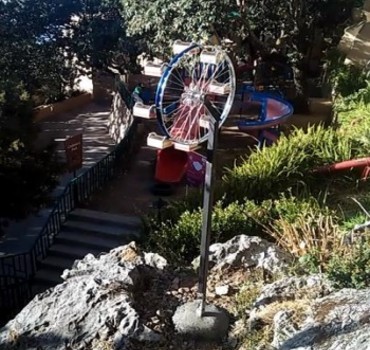
FEEDER ON WHEEL
Speckled Piculet, Brown-Headed Barbet, Coppersmith Barbet, Himalayan Flameback, Lesser Yellownape are some of many feathered guests staying with us. Meet them here!
-
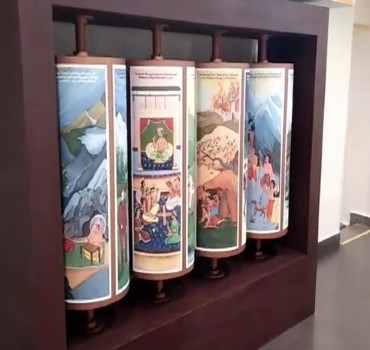
FABLES OF MUSSOORIE ON THE PRAYER WHEELS
Spin the prayer wheels to read about some lesser known legends and fables from the land of Dev Bhoomi.
-
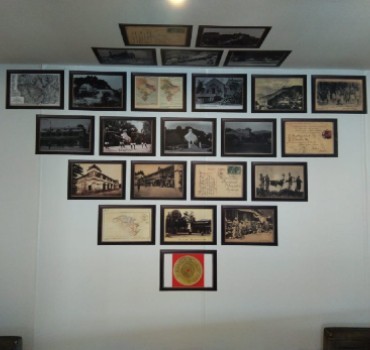
THE VINTAGE WALLS
Welcome to ‘Mansuri’. Join us in a visual walk into its history and memories captured over time. Let’s flashback to the 1800’s!
-
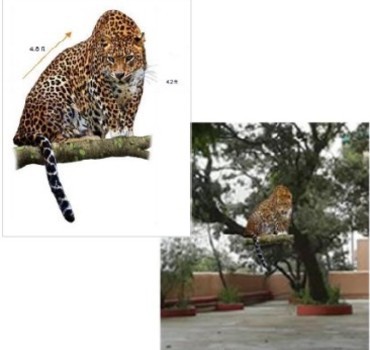
LEOPARD ON A TREE
In a world of people, the skin can be black, white and Leopard. Know more about this majestic feline and don’t forget to say Cheese. Click! Click!.
-
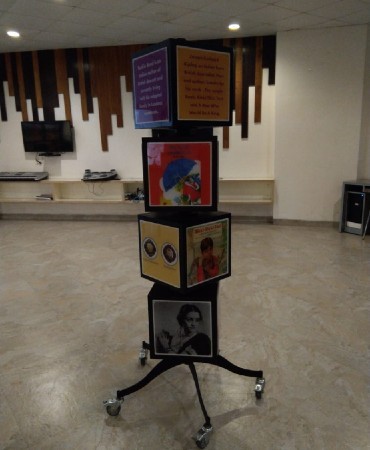
FAMOUS CUBES
Re-arrange the cubes and get to know the ‘Who and What’ about these famous locals.
Must See
-
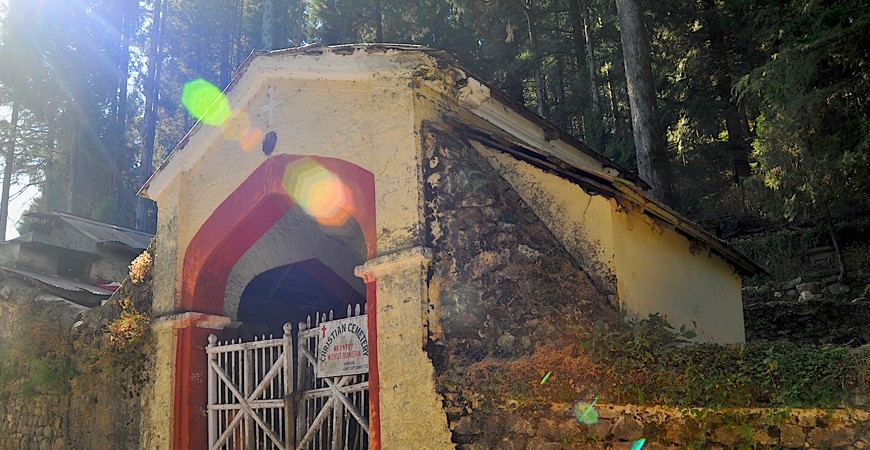
Cemeteries: Where History Rests in Peace
Reading epitaphs can be akin to reading the history of a place. The picturesque cemetery at Lal Tibba and that at Camels Back are Landour’s history.
-
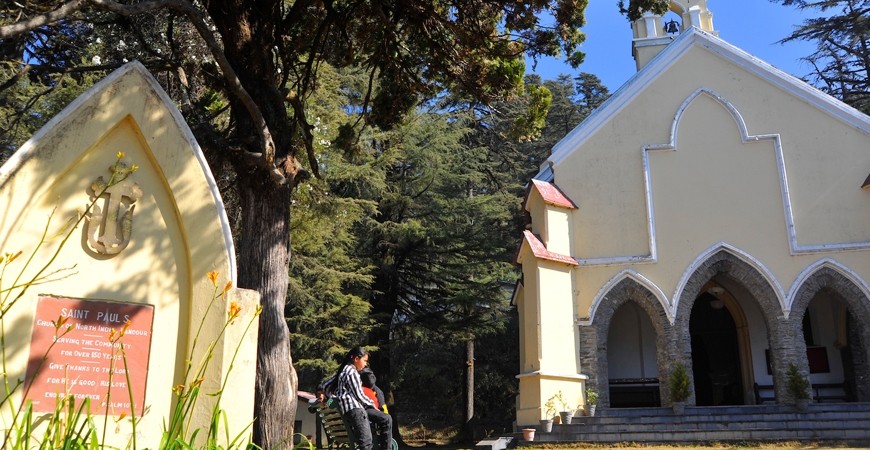
St. Paul's Church: Where Jim Corbett's Dad Said, “I do”
St Paul’s Church was the main church for the British Cantonment. Set up in 1839, the church has been a witness to the passage of time.