


Best Places to Visit in Madurai for a Temple City Heritage Trip
One of the oldest continuously inhabited cities in the world, Madurai sits on the banks of the Vaigai River in southern Tamil Nadu and remains a favourite stop for anyone researching places to visit in Madurai or planning a Madurai tourism itinerary. Widely known as the Cultural Capital of Tamil Nadu, this ancient temple city traces its lineage through more than 2,500 years of Sangam-era literature, drawing pilgrims, history lovers and first-time travellers in equal measure. Life here still moves through narrow streets radiating outward from a single sacred centre, giving Madurai its enduring identity as a living heritage city.
At the heart of it all stands the Meenakshi Amman Temple, a sprawling complex of towering, brightly sculpted gopurams dedicated to Goddess Meenakshi and Lord Sundareswarar, and easily the most photographed of Madurai's ancient temples. Just two kilometres away, the 17th-century Thirumalai Nayakkar Mahal showcases a striking blend of Dravidian and Indo-Saracenic architecture, complete with a nightly sound-and-light show retelling the story of the Nayak kings. Every spring, the city transforms for the Chithirai festival, a fortnight-long celebration of Meenakshi's celestial wedding that pulls in lakhs of devotees and turns the surrounding streets into a moving procession of chariots and colour. Beyond its temple architecture, Madurai also works as a gateway city, sitting within comfortable driving distance of hill retreats like Kodaikanal and Munnar, the pilgrim town of Rameswaram, and the forests around Kumily and Thekkady, making it a natural stop on longer South Indian itineraries.
Add to this a food trail built around the city's own jigarthanda and filter coffee, along with bustling flower and banana markets that rarely quieten down, and it's easy to see why Madurai is nicknamed Thoonganagaram, the city that never sleeps. A stay close to the temple keeps the sightseeing circuit, local markets and evening street food all within easy reach for a well-rounded Madurai holiday.
Our Resort(s) at MADURAI

Important Information
State: Tamil Nadu
District : Madurai
Destination Type: Heritage / Temple City
Road Connectivity: Well connected via NH44 and NH38 from Chennai, Coimbatore, Tiruchirappalli and Rameswaram
Languages: Tamil ,English
Nearest Railway Station: Madurai Junction Railway Station (8.1 km from the resort)
Nearest Airport: Madurai International Airport (20 km from the resort)
Summer (March to June): Dry and often scorching, climbing from around 27°C past 40°C by May; this is also when the Chithirai festival draws its biggest crowds
Monsoon (July to September): Moderate rainfall keeps temperatures a little more bearable at 26°C to 30°C, with thinner crowds and shorter temple queues.
Winter (October to February): The most comfortable stretch, between a pleasant 20°C and 29°C, and the peak season for sightseeing
● Carry light, breathable cotton clothing and stay hydrated, since summer temperatures can climb past 40°C.
● Visit the Meenakshi Amman Temple early in the morning or in the evening to avoid both the midday heat and the biggest crowds.
● Photography and mobile phones are restricted inside parts of the temple complex, so check the rules at the entrance before heading in.
● Book accommodation well ahead if travelling during the Chithirai festival in April-May, when the city fills up quickly.
Quick Facts
Our Resort In Madurai
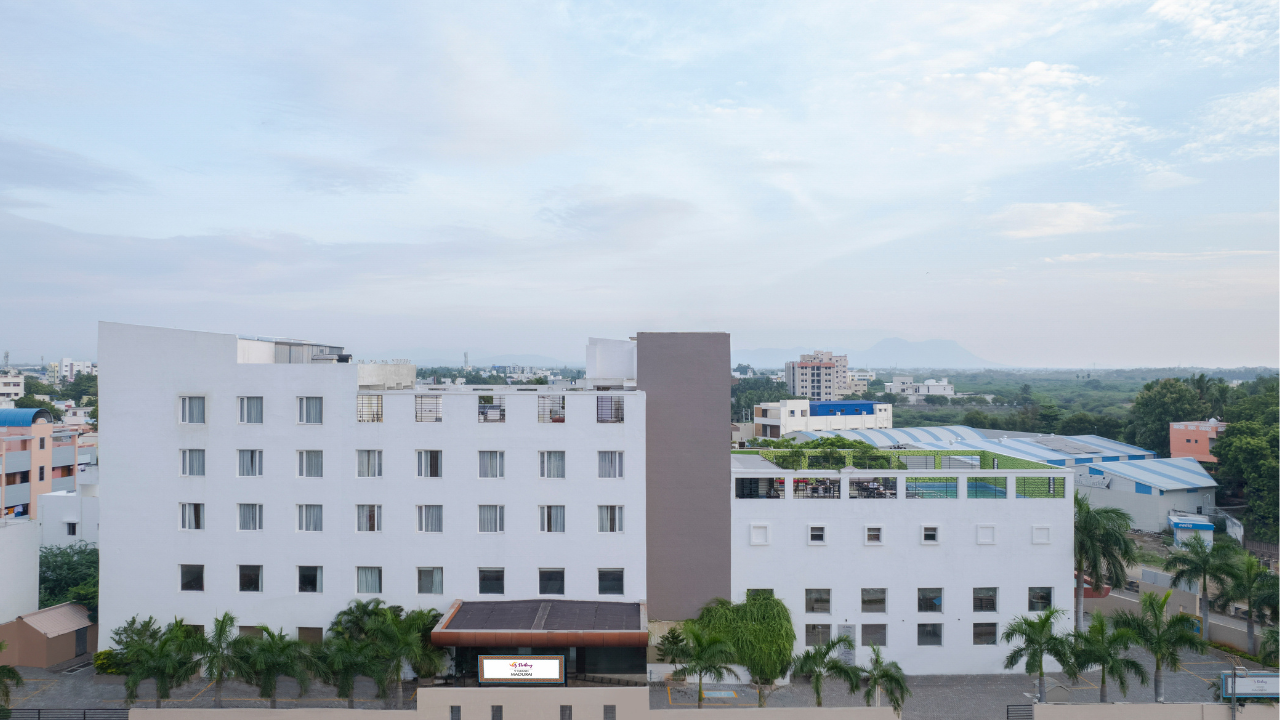
Sterling V Grand Madurai
Just 6.9 km from the Meenakshi Amman Temple, Sterling V Grand Madurai is a contemporary upscale 48 room hotel built for both business travellers and holidaymakers exploring the temple city. Rooms are arranged across Classic Room, Classic Twin Room, Premier Room and Privilege Suite categories, with well-appointed, air-conditioned layouts suited to both short business stopovers and longer leisure stays. The rooftop swimming pool and alfresco Upper Deck restaurant open out to views over Madurai's skyline, while the Grand Ayyanar restaurant serves up local Madurai delicacies alongside Indian and global favourites. Guests can also unwind at the city's biggest sports bar and lounge, right on the resort's own premises, making this a convenient base for both temple sightseeing and city exploration.
Location & Information
State: Tamil Nadu
District : Madurai
Destination Type: Heritage / Temple City
Road Connectivity: Well connected via NH44 and NH38 from Chennai, Coimbatore, Tiruchirappalli and Rameswaram
Languages: Tamil ,English
Nearest Railway Station: Madurai Junction Railway Station (8.1 km from the resort)
Nearest Airport: Madurai International Airport (20 km from the resort)
● Carry light, breathable cotton clothing and stay hydrated, since summer temperatures can climb past 40°C.
● Visit the Meenakshi Amman Temple early in the morning or in the evening to avoid both the midday heat and the biggest crowds.
● Photography and mobile phones are restricted inside parts of the temple complex, so check the rules at the entrance before heading in.
● Book accommodation well ahead if travelling during the Chithirai festival in April-May, when the city fills up quickly.
Summer (March to June): Dry and often scorching, climbing from around 27°C past 40°C by May; this is also when the Chithirai festival draws its biggest crowds
Monsoon (July to September): Moderate rainfall keeps temperatures a little more bearable at 26°C to 30°C, with thinner crowds and shorter temple queues.
Winter (October to February): The most comfortable stretch, between a pleasant 20°C and 29°C, and the peak season for sightseeing
Gallery


Best Time to Visit
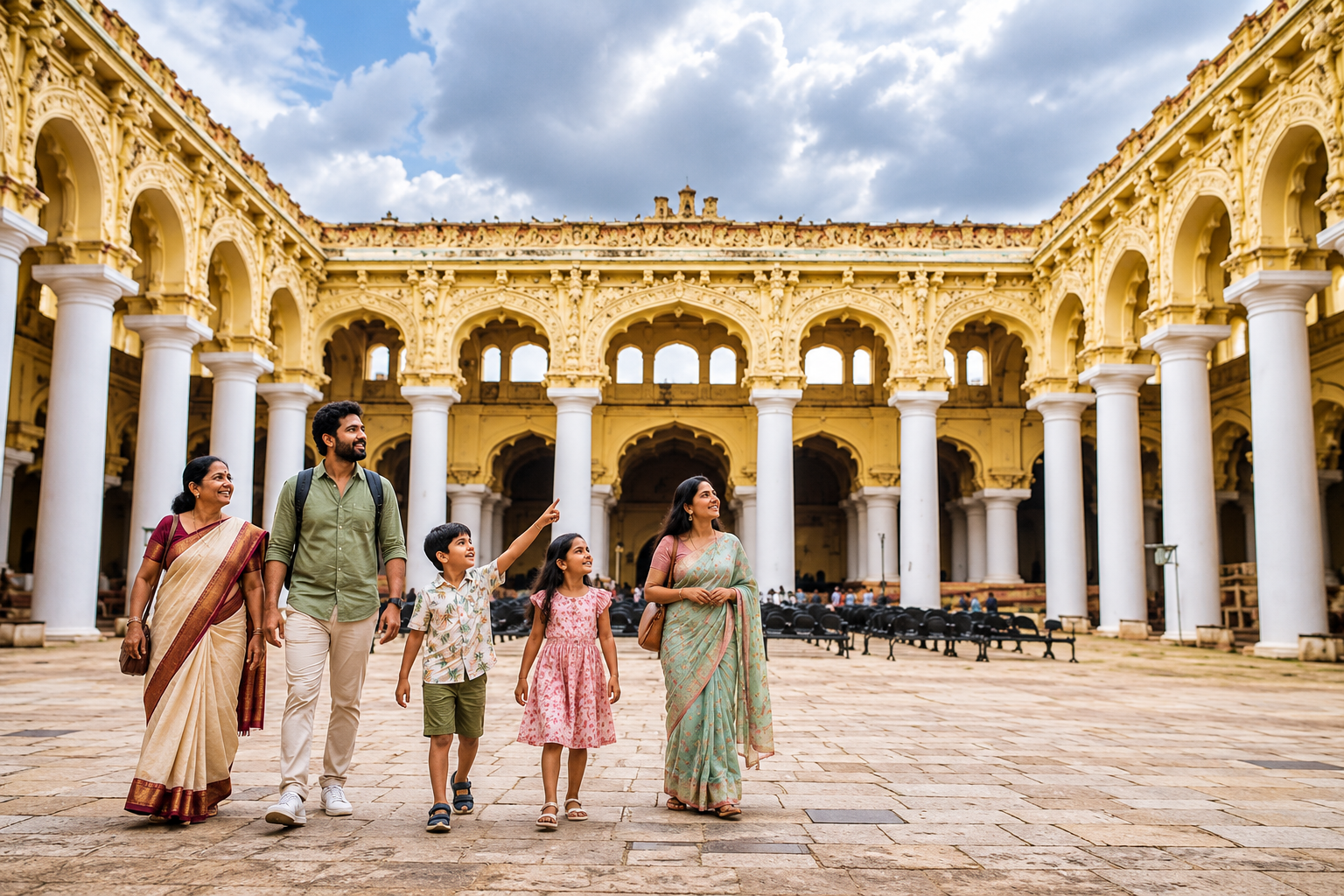
October to February - Winter, the Peak Season
Winter is Madurai's most comfortable stretch, with daytime temperatures ranging between a pleasant 20°C and 29°C. Cooler mornings make it easy to cover the Meenakshi Amman Temple, Thirumalai Nayakkar Mahal and the old city's markets without the midday heat, which is why this window sees the highest footfall and slightly higher room rates of the year.
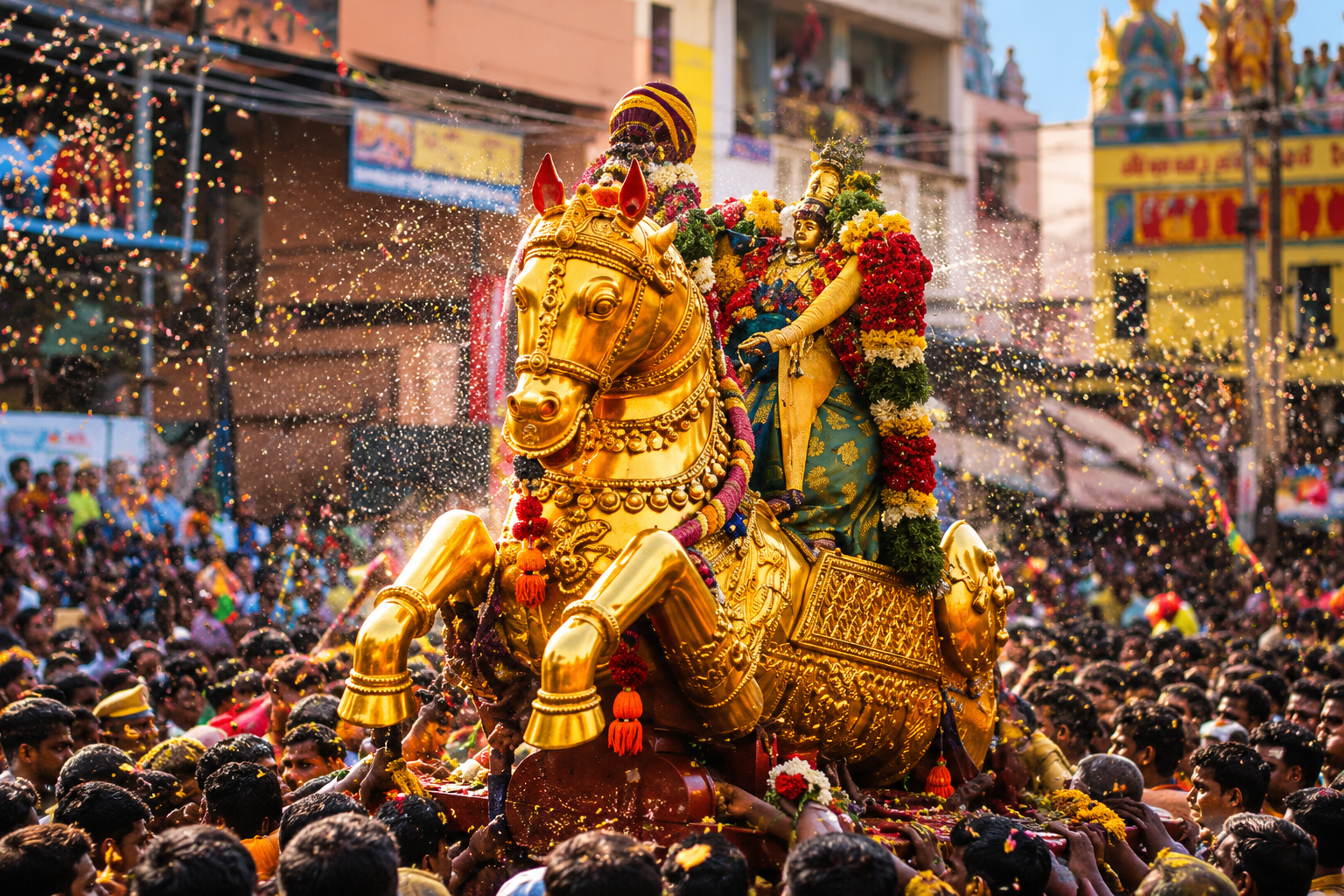
March to June - Summer and the Chithirai Festival
Summer brings dry, often scorching weather, with temperatures climbing from around 27°C past 40°C by May. Despite the heat, this is when Madurai draws its biggest crowds for the Chithirai festival, the fortnight-long celebration of Meenakshi's celestial wedding held every April-May. Travellers timing a visit around the festival should plan for early mornings, light cottons and plenty of water.
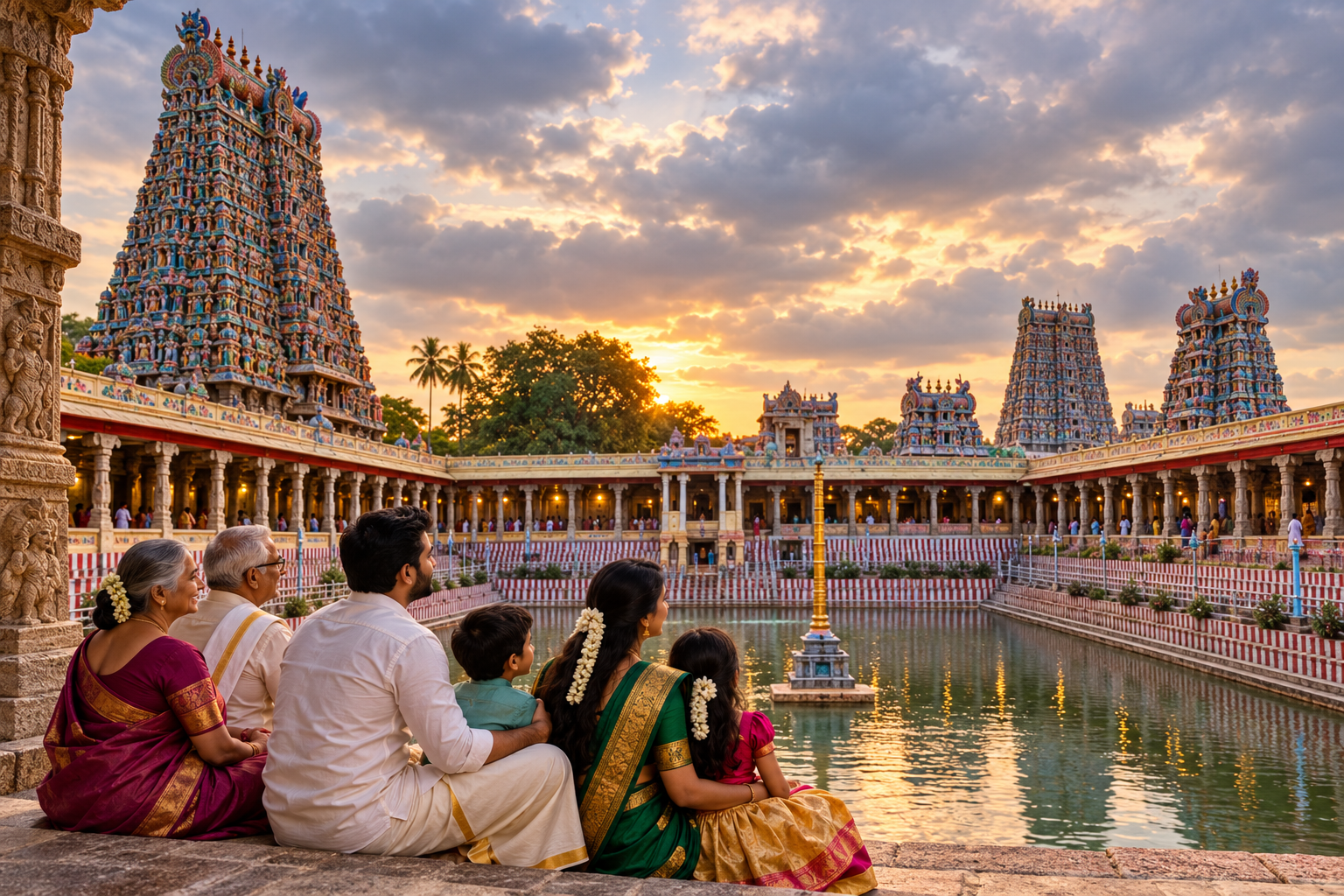
July to September - Monsoon, Quieter and Greener
The south-west monsoon brings moderate rainfall between July and September, with temperatures a little more bearable at 26°C to 30°C. Crowds thin out considerably during these months, and nearby waterfalls such as Kutladampatti come alive, making it a good window for travellers who don't mind occasional showers in exchange for shorter temple queues and lower prices.
For comfortable sightseeing across the Meenakshi Amman Temple and the palace circuit, the winter months of October to February work best. Travellers keen to witness the Chithirai festival can plan around April-May despite the heat, while those seeking a quieter, budget-friendly visit may consider the July to September monsoon stretch.
Experiences
-
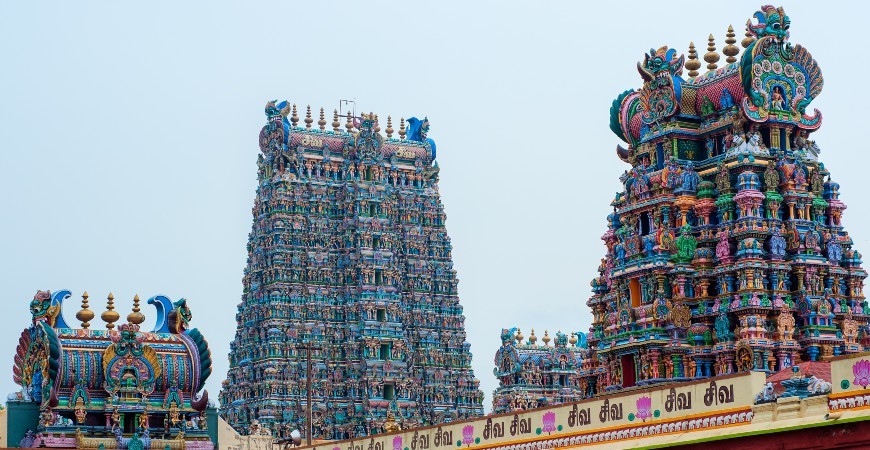
Madurai Meenakshi Temple
Dedicated to the Goddess Meenakshi – a form of Parvati – the Madurai Meenakshi Temple is the outstanding feature of the ancient temple city of Madurai.
-
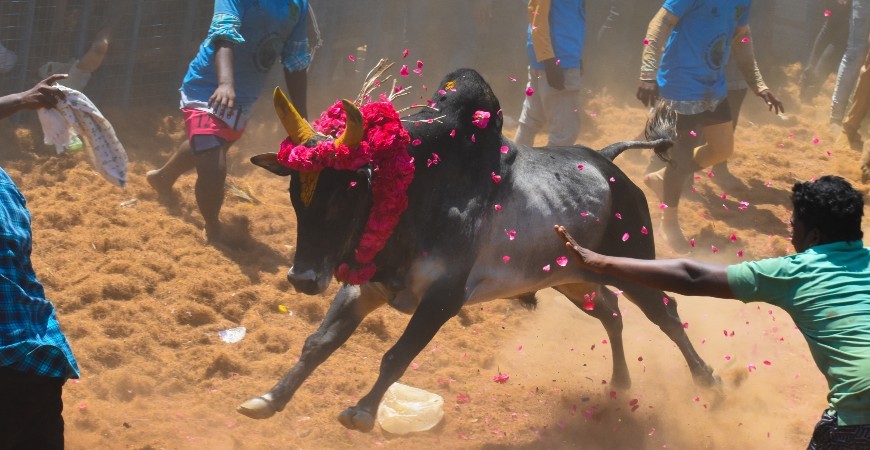
Jallikattu
The traditional and radically different Indian alternative to the famous Spanish sport of bull fighting, Jallikattu is a sport played as a part of the celebrations during the harvest festival of Pongal.
-
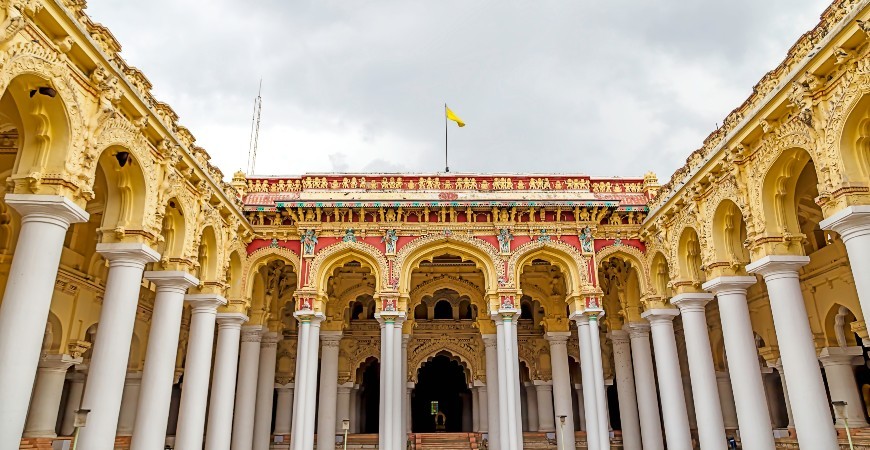
Thirumalai Nayakkar Mahal
Built in 1635, by the King Thirumalai Nayak who had the vision of creating a masterpiece of a royal residence, it was designed for the king by an Italian architect.
-
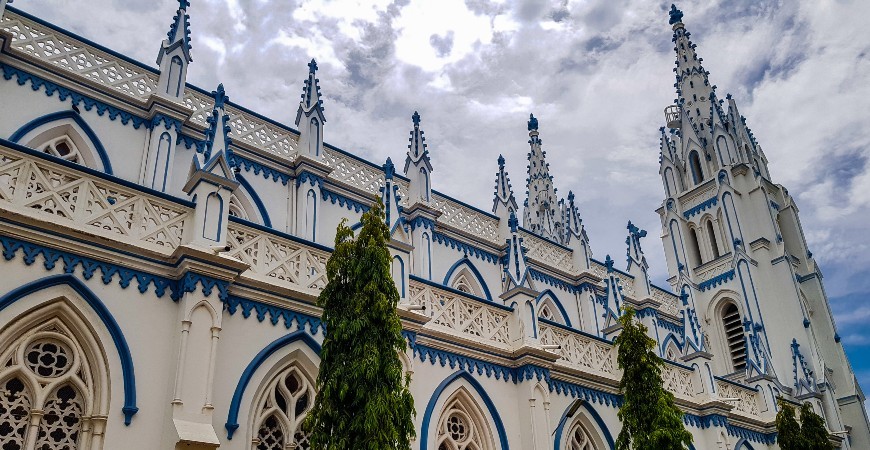
Saint Mary’s Cathedral
St. Mary’s Cathedral, Madurai, also known as the Church of Our Lady of Dolours, is one of the most popular churches not only in Madurai but also in Tamil Nadu.
-
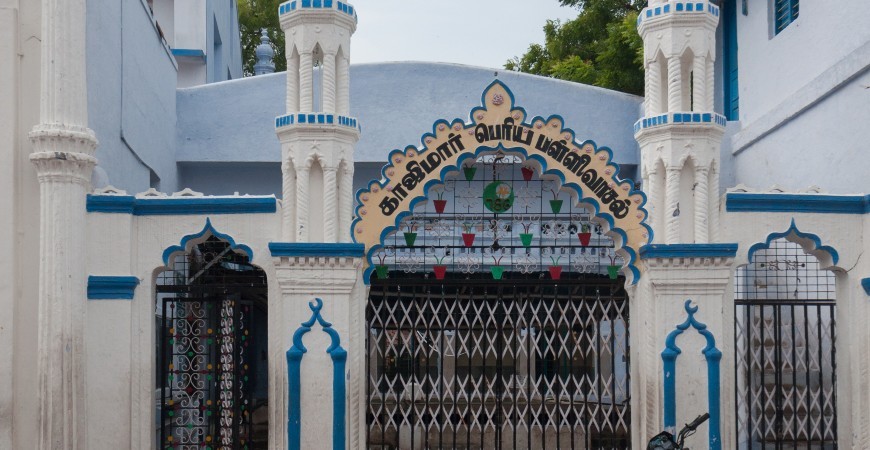
Kazimar Big Mosque
Said to be the first Islamic place of worship in Madurai city, Kazimar Big Mosque was built in 13th century by a descendant of Prophet Muhammad, Hazrat Kazi Syed Tajuddin who had visited the city from Yemen.
-
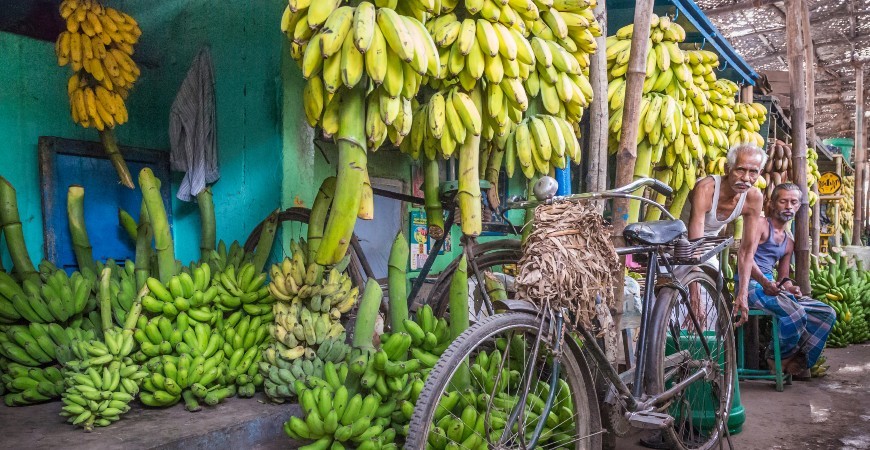
Wholesale Banana Market
Are you bananas for bananas? Then you must visit the Wholesale Banana Market in Madurai.
-
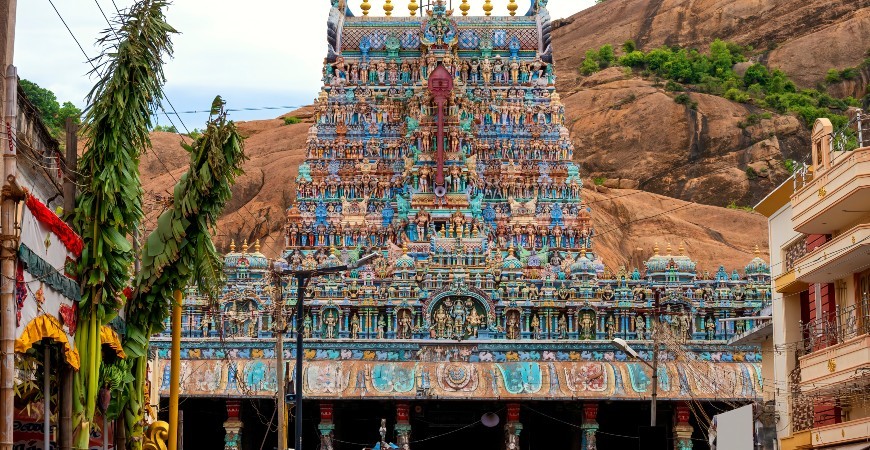
Thiruparankundram Subramaniya Swamy Temple
One of the 6 temples of the ‘Arupadaiveedu’, dedicated to Lord Murugan, the Thiruparankundram Subramaniya Swamy Temple is one of the most prominent religious shrines in south India.
-
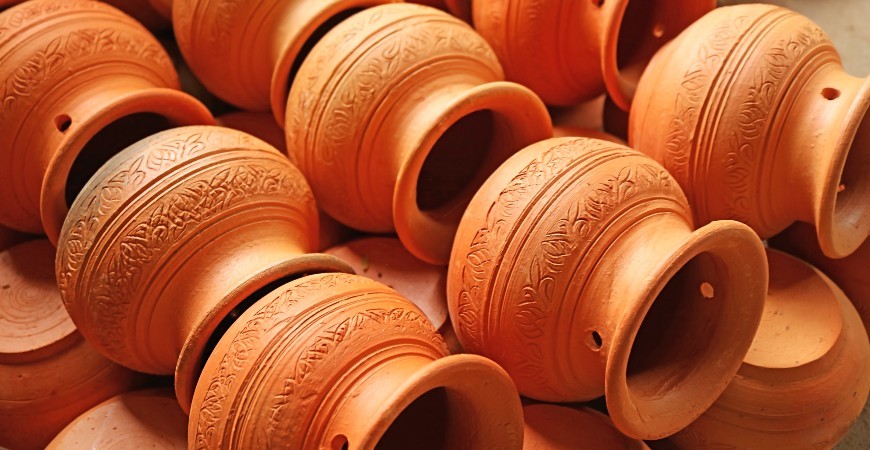
Vilachery Pottery Village
A 30-minute drive from Madurai will take you to the fantastic and quaint village of Vilachery, best known as a pottery village where almost every single one of the 200 homes belongs to pottery artisans.
-
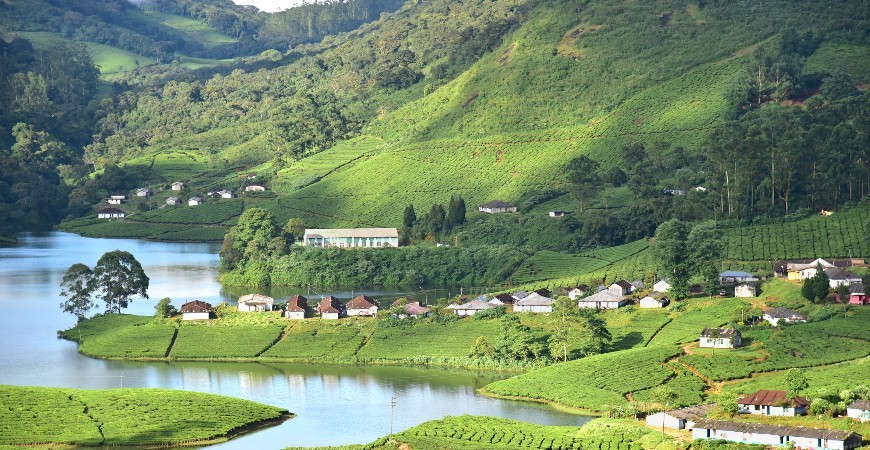
Meghamalai
Looking for a gorgeous day-trip from Madurai? Look no further than Meghamalai!
-
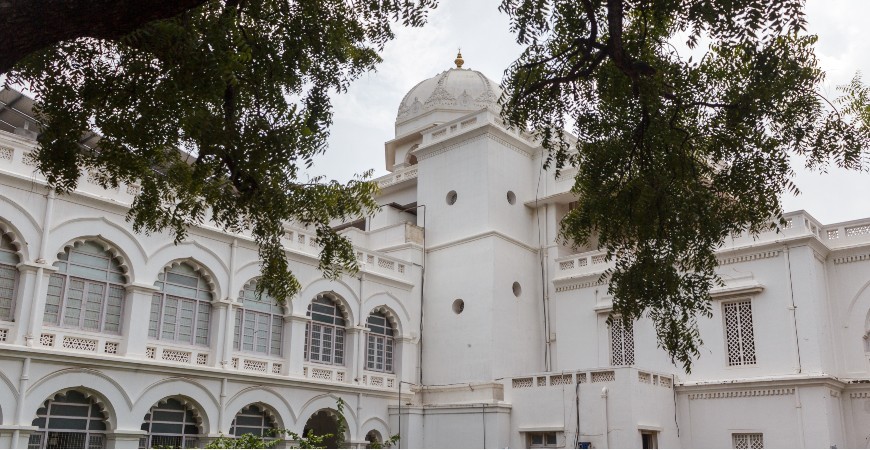
Gandhi Memorial Museum
Not many people know this, but the city of Madurai has played quite a role in the life of the Nation’s Father Mahatma Gandhi.
-
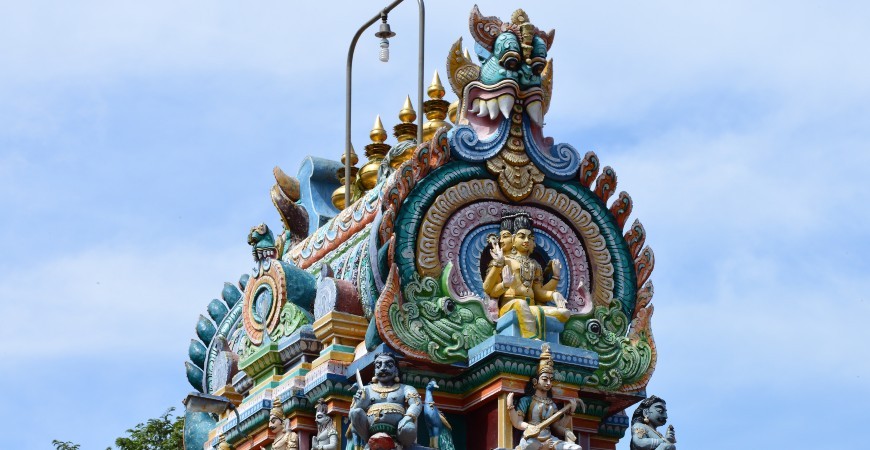
Pazhamudhircholai Murugan Temple
One of the six important abodes of Lord Murugan – otherwise known as the ‘Arupadaiveedu’ - the Arulmigu Solaimalai Murugan Temple is located on the Pazhamudhircholai hill, north of Madurai.
-
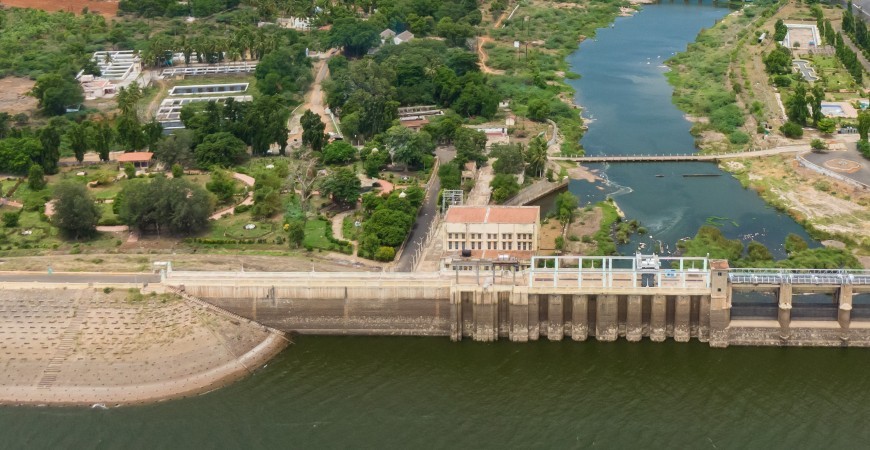
Vaigai Dam
Built across the river Vaigai, the Vaigai dam is one of the premier picnic spots in the area. The Vaigai dam itself is a lifeline for the people of Madurai, Theni and Dindgul.
-
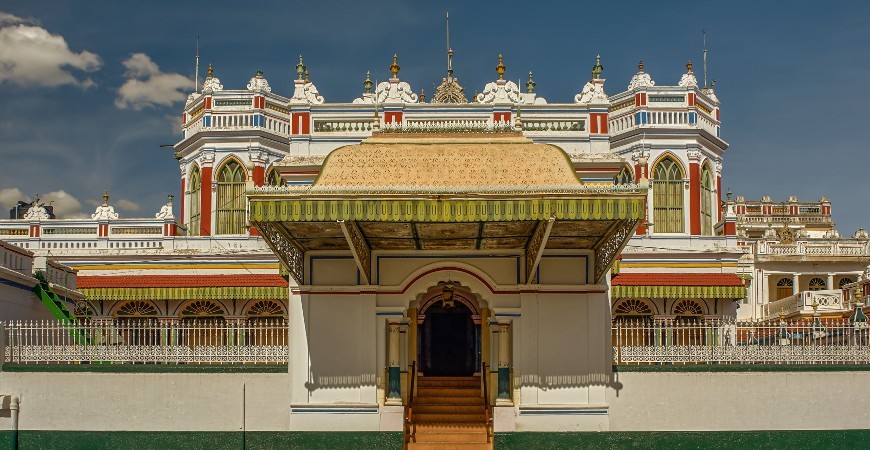
Chettinad Maharaja’s Palace
Also known as the Kanadukathan Palace, this architectural wonder is a perfect example of traditional Chettinad Architecture.
-
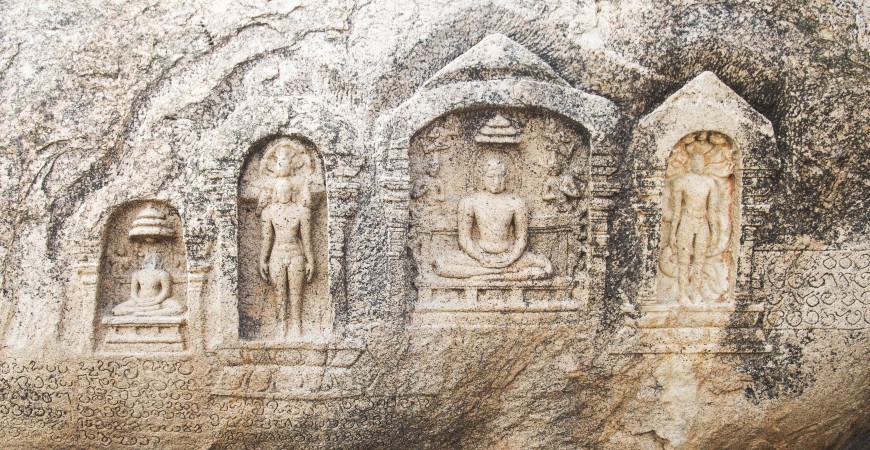
Samanar Hills
Samanar hills are a beautiful blend of nature with history. Declared as a protected monument by the Archaeological Survey of India, these hills are associated with Jainism and Tamil-Brahmi inscriptions depict various facets of the religion.
-
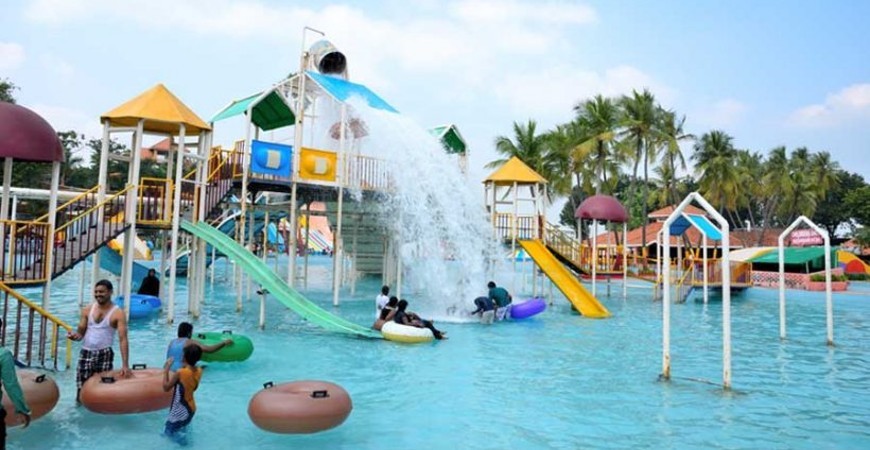
Athisayam Theme Park
If you’re looking for a fun day out with family or friends, head to the Athisayam Theme Park in Madurai.
-
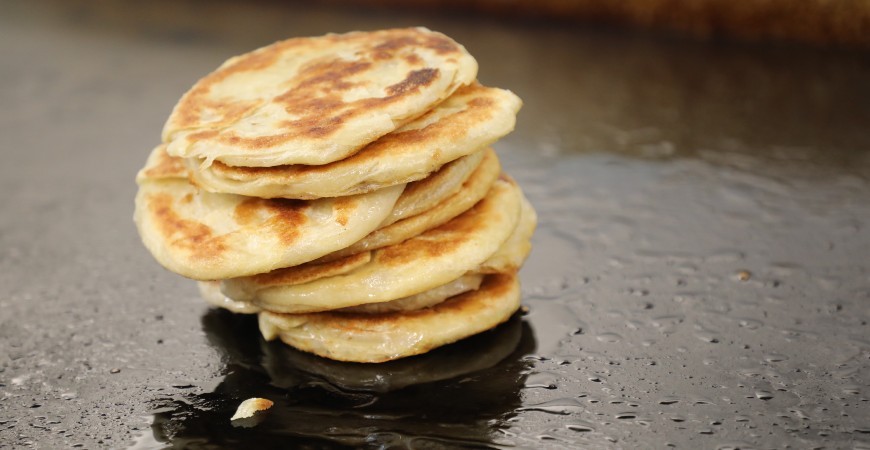
The Madurai Food Experience
Food and Madurai are so synonymous that it draws foodies from around the globe. The food in Madurai has evolved over centuries.