


Best Places to Visit in Wayanad for Wildlife, Waterfalls and Western Ghats Trails
Spread across Kerala's only plateau in the state's northeastern corner, Wayanad is one of South India's most searched hill destinations for a green, jungle-fringed escape. Ringed by the Western Ghats and bordering Karnataka's Coorg and Tamil Nadu's Nilgiris, the plateau sits between 700 and 2,100 metres above sea level, which keeps its climate cool through most of the year. For anyone researching places to visit in Wayanad, the district brings together rainforest, coffee and spice estates, prehistoric rock art, and one of Kerala's largest wildlife sanctuaries into a single, easy itinerary.
The region's best-known draw is the Wayanad Wildlife Sanctuary, part of the wider Nilgiri Biosphere Reserve, where the Muthanga and Tholpetty ranges offer some of South India's more reliable elephant and gaur sightings on a jeep safari. Nearby, the Edakkal Caves shelter Neolithic-age petroglyphs cut into a boulder-strewn cleft on Ambukuthi Hill, while Chembra Peak, the district's highest summit, draws trekkers to its cloud-brushed ridge and heart-shaped lake. Cascades such as Soochipara and Meenmutty tumble through evergreen forest, and the Kabini river, which rises in these hills before joining the Kaveri, winds past betel-nut groves and pepper vines on its way to the uninhabited river islets of Kuruva Island.
Wayanad is also one of Kerala's most culturally rich districts, home to indigenous communities such as the Paniya, Kuruma, and Kattunaikkan tribes, whose art, dance, and handicrafts add a living cultural layer to the district's forests and farmland. Formed in 1980 out of parts of Kozhikode and Kannur, the plateau carries a long spice-trade history, and that legacy shows up on the plate through Malabar cuisine favourites like bamboo biryani and Kappa with fish curry. Beyond wildlife and trekking, travellers can walk through working coffee, tea, and cardamom estates, visit centuries-old temples such as Thirunelli Temple, and time a trip around local festivals like Ashtami Rohini at Mananthavady.
Our Resort(s) at WAYANAD


Important Information
State: Kerala
District: Wayanad — bordering Kozhikode, Kannur, and Malappuram districts of Kerala, Karnataka's Kodagu (Coorg) and Mysuru, and Tamil Nadu's Nilgiris
Destination Type: Plateau, Jungle & Hill Terrain
Destinations Nearby: Kozhikode (about 85 km), Mysuru (about 123 km), and Bengaluru (about 266 km)
Languages: Malayalam, English
Nearest Airport: Kozhikode (Calicut) International Airport and Mysuru Airport; Kannur International Airport is also within driving distance
Nearest Railway Station: Kozhikode (Calicut) Railway Station, with Mysuru Railway Station as a further connecting option
Nearest Airports: Kozhikode (Calicut) International Airport and Mysuru Airport; Kannur International Airport is also within driving distance
Road Connectivity: Well connected via NH766 through Kozhikode's Thamarassery Churam ghat road, and via Gundlupet from Mysuru and Bengaluru through the Bandipur and Nagarhole forest corridors
Summer (March to May): Warm and humid, between 20°C and 36°C, with cooler evenings; a good window for sightseeing and plantation walks
Monsoon (June to September): Both the south-west and north-east monsoons bring heavy rainfall, turning the hills a deep green and swelling the waterfalls, though landslides can occasionally disrupt travel
Winter (October to February): Cool and pleasant through the day, dropping to around 10°C on some mornings; the most popular season for wildlife safaris and outdoor sightseeing
Carry a valid ID if driving in from Mysuru or Bengaluru, since the forest stretches through Bandipur and Nagarhole restrict night traffic between 9 pm and 6 am.
Pack light woollens for early mornings and evenings, especially between December and February when temperatures can dip to around 10°C.
Book Chembra Peak trekking permits in advance through the Wayanad Forest Department, since the number of daily trekkers is capped.
Carry mosquito repellent and waterproof footwear, particularly if travelling during the monsoon months.
Keep some buffer time on the Wayanad Ghat Road from Kozhikode, which sees heavy traffic on weekends and holidays.
QUICK FACTS
LOCATION & INFORMATION
State: Kerala
District: Wayanad — bordering Kozhikode, Kannur, and Malappuram districts of Kerala, Karnataka's Kodagu (Coorg) and Mysuru, and Tamil Nadu's Nilgiris
Destination Type: Plateau, Jungle & Hill Terrain
Destinations Nearby: Kozhikode (about 85 km), Mysuru (about 123 km), and Bengaluru (about 266 km)
Languages: Malayalam, English
Nearest Airport: Kozhikode (Calicut) International Airport and Mysuru Airport; Kannur International Airport is also within driving distance
Nearest Railway Station: Kozhikode (Calicut) Railway Station, with Mysuru Railway Station as a further connecting option
Nearest Airports: Kozhikode (Calicut) International Airport and Mysuru Airport; Kannur International Airport is also within driving distance
Road Connectivity: Well connected via NH766 through Kozhikode's Thamarassery Churam ghat road, and via Gundlupet from Mysuru and Bengaluru through the Bandipur and Nagarhole forest corridors
Carry a valid ID if driving in from Mysuru or Bengaluru, since the forest stretches through Bandipur and Nagarhole restrict night traffic between 9 pm and 6 am.
Pack light woollens for early mornings and evenings, especially between December and February when temperatures can dip to around 10°C.
Book Chembra Peak trekking permits in advance through the Wayanad Forest Department, since the number of daily trekkers is capped.
Carry mosquito repellent and waterproof footwear, particularly if travelling during the monsoon months.
Keep some buffer time on the Wayanad Ghat Road from Kozhikode, which sees heavy traffic on weekends and holidays.
Summer (March to May): Warm and humid, between 20°C and 36°C, with cooler evenings; a good window for sightseeing and plantation walks
Monsoon (June to September): Both the south-west and north-east monsoons bring heavy rainfall, turning the hills a deep green and swelling the waterfalls, though landslides can occasionally disrupt travel
Winter (October to February): Cool and pleasant through the day, dropping to around 10°C on some mornings; the most popular season for wildlife safaris and outdoor sightseeing
OUR RESORTS IN WAYANAD
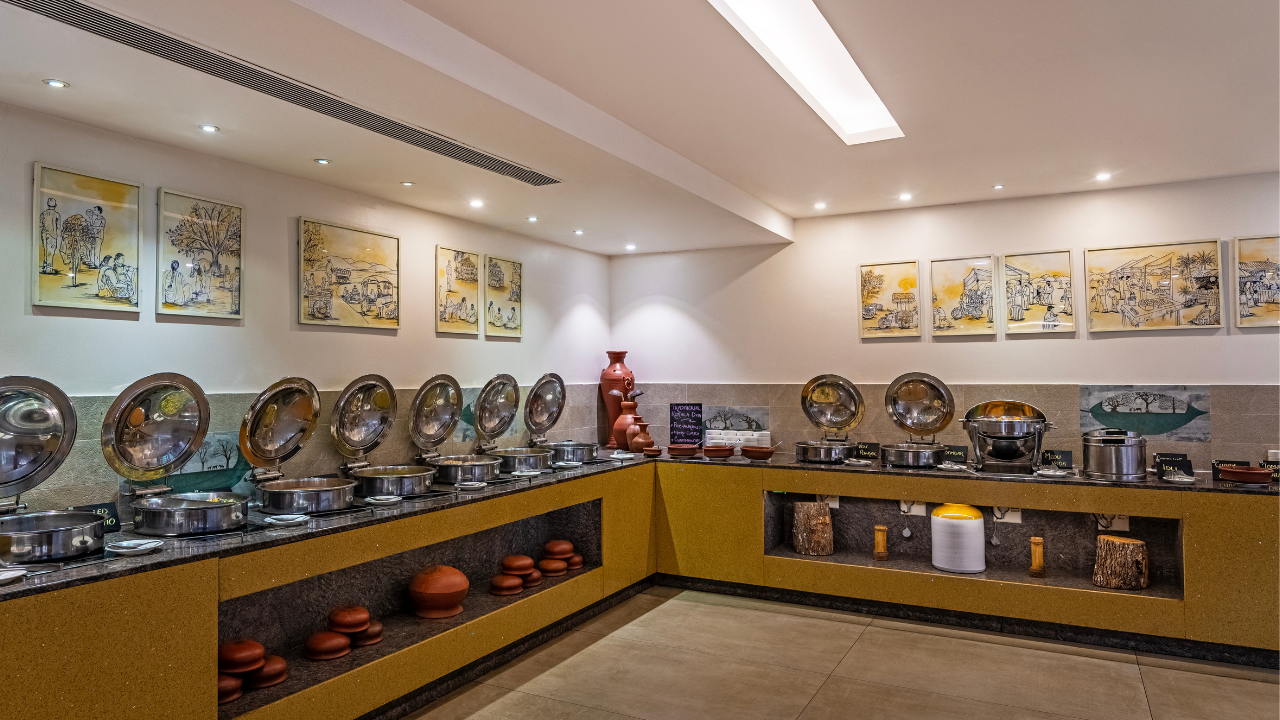
Sterling Wayanad
Set on 8.5 acres of landscaped greenery bordering the Muthanga Wildlife Sanctuary, Sterling Wayanad is a 61-room family resort in the Sulthan Bathery zone, the traditional gateway to the district's forest safaris. Rooms range from compact Classic Rooms to the 580 sq. ft Villa Suite with a separate living area, most opening to views of the Muthanga forest or the resort's own natural pond. Dining spans two restaurants: Machan, a multi-cuisine spot known for its Kappa with fish curry and bamboo biryani, and The Malabar, a speciality restaurant built around Kerala's old spice-trade route, serving dishes such as fire-roasted stuffed squid and banana-leaf steamed fish.
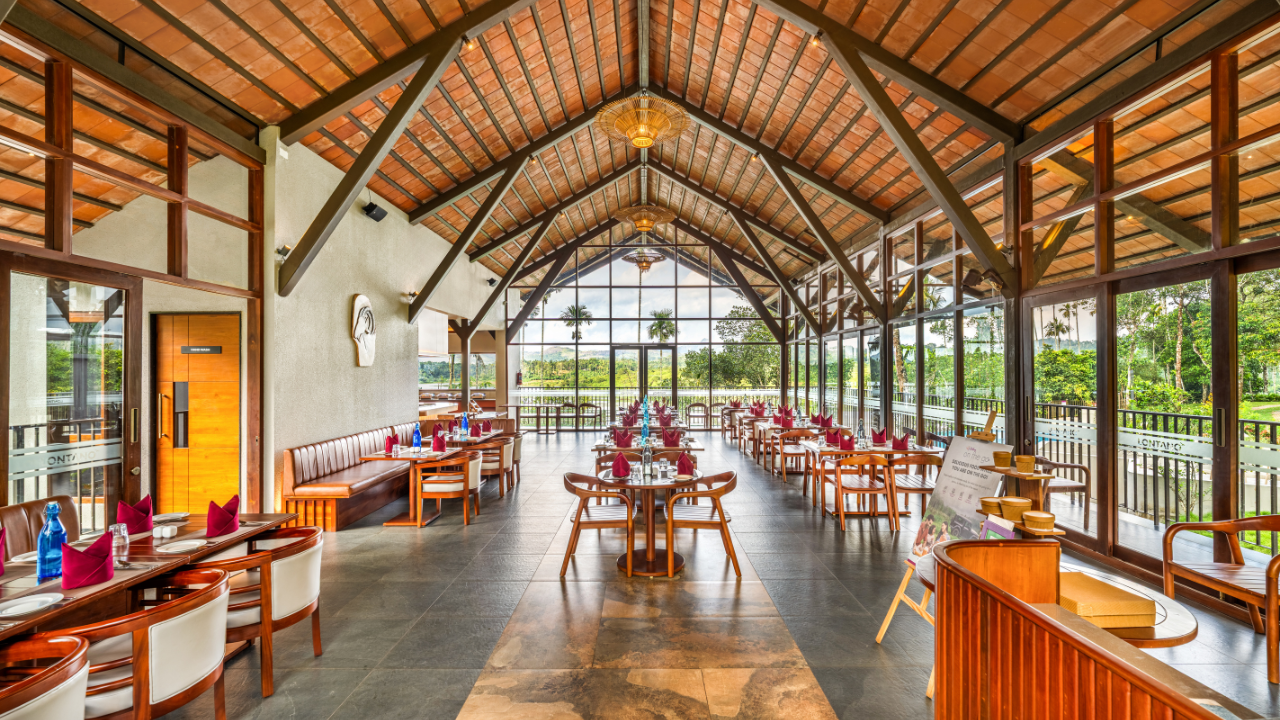
Sterling Lontano Waterfront Wayanad
Overlooking the Karapuzha Dam's silver-blue lagoon with Chengeri Hill as its backdrop, Sterling Lontano Waterfront Wayanad is an upscale 21-room resort spread across 3 acres of landscaped gardens, roughly three-quarters of which is planned greenery of mango, coconut, and jackfruit trees. Rooms and suites range from the 350 sq. ft Waterfront Room with Balcony to the 620 sq. ft Waterfront Suite. The resort's all-wood, live-kitchen restaurant, The Tamarind, serves Malabari coastal specialities alongside global favourites with uninterrupted waterfront views, making it a popular spot for a leisurely meal.
Gallery


BEST TIME TO VISIT
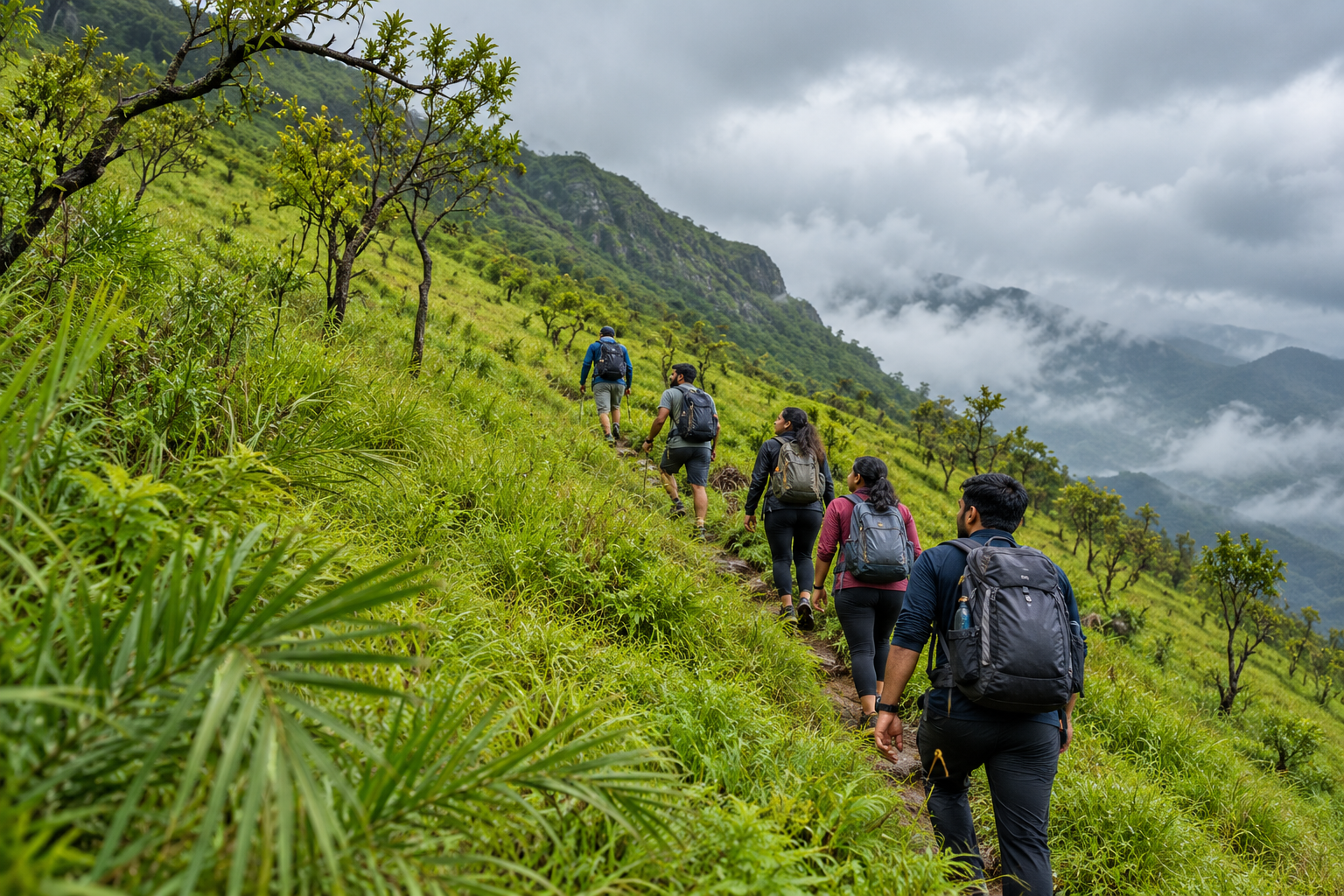
October to February - Winter, Peak Wildlife Season
This is Wayanad's most popular stretch, with cool, pleasant days that suit long drives, plantation walks, and jeep safaris through the Muthanga and Tholpetty ranges of the wildlife sanctuary. Mornings can turn crisp, occasionally dropping to around 10°C, making it the preferred window for wildlife sightings, sightseeing, and outdoor activities across the plateau.
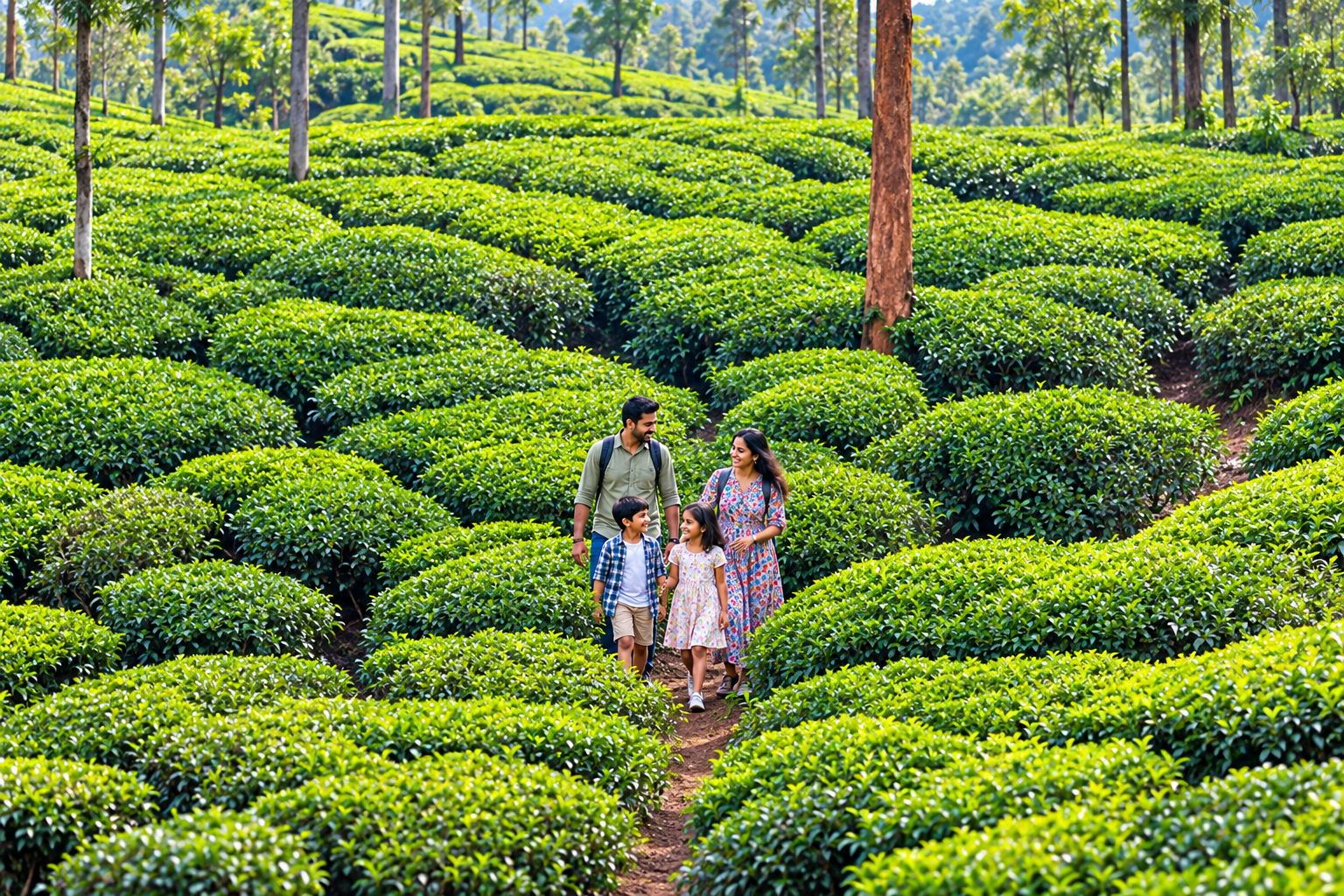
March to May - Summer, Warm Days & Plantation Season
Summer brings warmer days between 20°C and 36°C, though evenings stay comfortably cool at this altitude. This period suits early-morning treks, coffee and spice plantation tours, and a relatively quieter visit before the monsoon sets in, with generally lighter crowds than the winter peak.
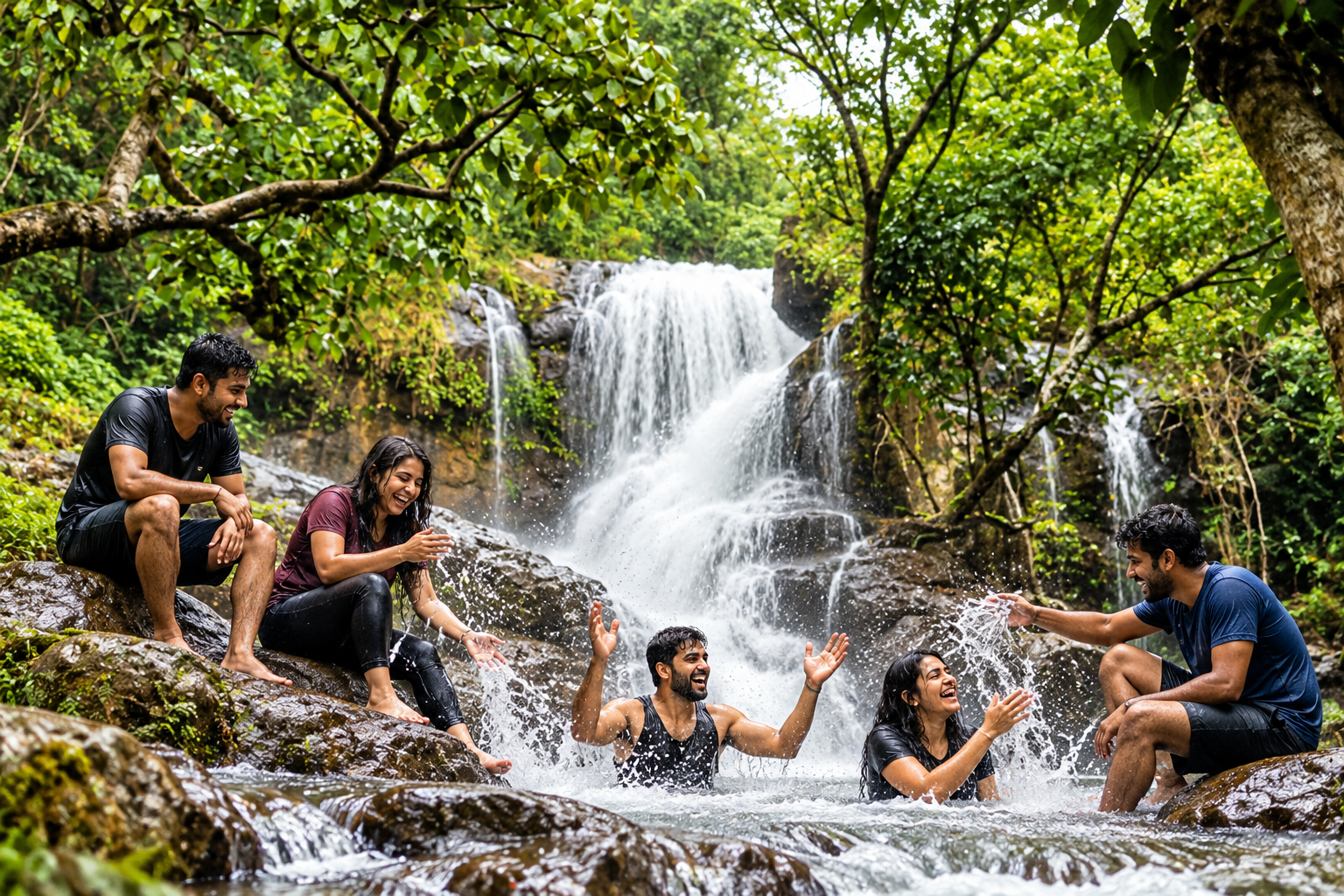
June to September - Monsoon, Lush Green Season
Both the south-west and north-east monsoons drench Wayanad, turning its forests, tea and coffee estates, and paddy fields a deep, dramatic green while swelling waterfalls such as Soochipara and Meenmutty. It is a favourite season for travellers who enjoy misty landscapes and don't mind the rain, though heavy showers can occasionally cause landslides and disrupt travel on the ghat roads.
For the best mix of pleasant weather, wildlife sightings, and easy sightseeing, plan a visit between October and February. Travellers chasing waterfalls and lush greenery, and who don't mind occasional rain, can consider the monsoon months of June to September, while March to May works well for a quieter trip focused on plantations and early treks.