


Best Places to Visit in Haridwar for Ganga Ghats and Himalayan Beginnings
Set on the banks of the Ganga at the point where the river leaves the Himalayas and enters the plains, this Uttarakhand pilgrim city is one of Hinduism's seven holiest sites and a top search for anyone planning places to visit in Haridwar. With a recorded history running over 2,000 years, the city takes its name from Hari, meaning God, and dwar, meaning gateway, a fitting title for the traditional starting point of the Char Dham Yatra to Gangotri, Yamunotri, Kedarnath, and Badrinath.
The evening Ganga Aarti at Har Ki Pauri, the ghat believed to hold a footprint of Lord Vishnu, remains the city's defining ritual, drawing pilgrims and travellers alike to watch priests set floating lamps adrift on the river at sunset. A short ropeway ride leads up to the hilltop Mansa Devi and Chandi Devi temples, while Rajaji National Park, known for its elephant herds, adds a wildlife detour just outside town. The city is also one of four sites that host the Kumbh Mela, with the next Ardh Kumbh Mela scheduled here from January to April 2027, and sits around 34 km from Rishikesh, making the two easy to combine on one trip.
Beyond its spiritual pull, the city carries a busy modern side too, home to industrial hubs like BHEL and SIDCUL and a convenient stopover on the Delhi-Haridwar and Chandigarh-Haridwar highways. Whether the visit is built around a holy dip, a Char Dham send-off, or a quick business trip, it works equally well as a base for either
Our Resort(s) at HARIDWAR

Important Information
State: Uttarakhand
District: Haridwar
Destination Type: Pilgrimage & Heritage City
Nearest Airport: Jolly Grant Airport, Dehradun (49 km)
Nearest Railway Station: Haridwar Railway Junction, about 11 km from the resort
Road Connectivity: Well connected via the Delhi-Haridwar and Chandigarh-Haridwar highways, roughly 210 km from Delhi and 34 km from Rishikesh
Languages: Hindi,English
Summer (April to June): Hot, generally between 35°C and 45°C, best suited to early-morning sightseeing and indoor plans by afternoon
Monsoon (July to September): Heavy rainfall with occasional flooding along the ghats, so evening Aarti plans are worth checking against water levels
Winter (October to March): Cool and pleasant, generally between 10°C and 30°C, and the most popular season for sightseeing and pilgrimage
● Arrive at Har Ki Pauri at least 30 minutes before sunset to get a good spot for the Ganga Aarti, and dress modestly, with women generally expected to cover their heads during the ceremony.
● Take the ropeway to Mansa Devi and Chandi Devi temples rather than the steep uphill trek, especially with elderly travellers or young children.
● If travelling during the Ardh Kumbh Mela in early 2027, book accommodation and transport months in advance given the scale of the crowds.
● Avoid the evening Aarti during heavy monsoon flooding between July and September, when water levels can rise sharply.
● Sample the street food around Har Ki Pauri's lanes, but note that the city, being a pilgrimage centre, is strictly vegetarian in most public eateries.
Quick Facts
Our Resort in Haridwar
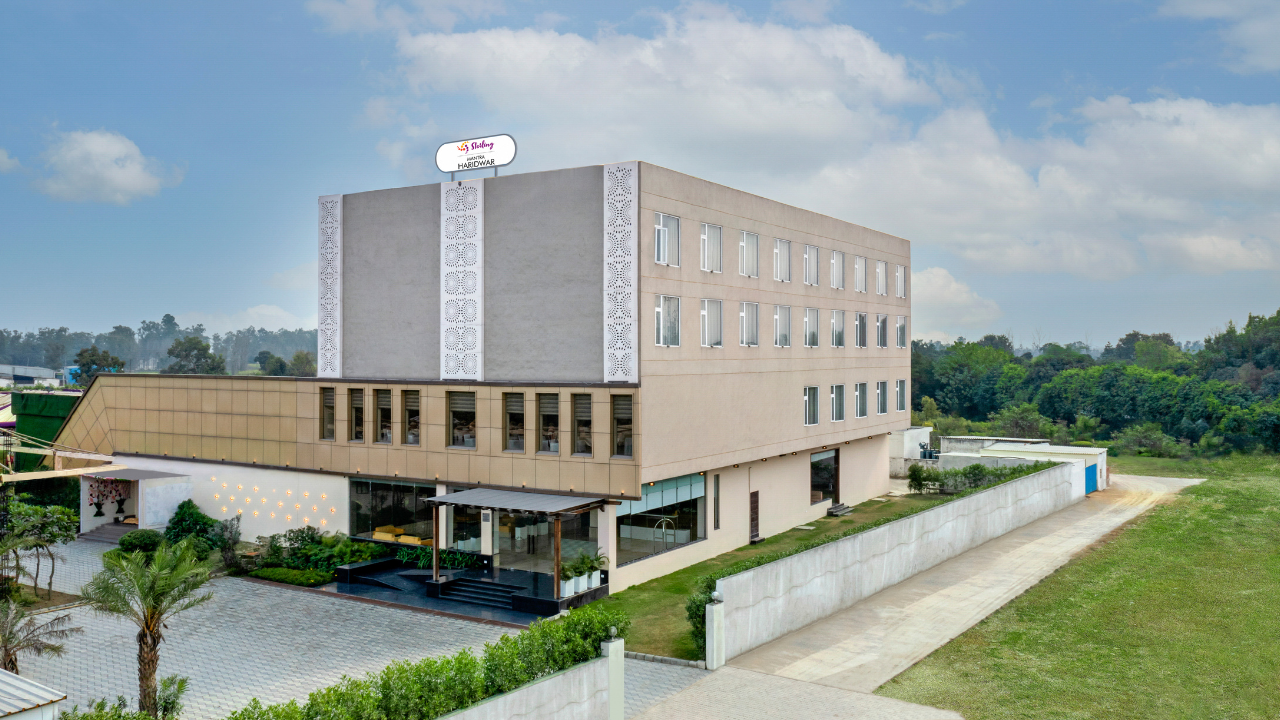
Sterling Mantra Haridwar
Just off the Delhi-Haridwar and Chandigarh-Haridwar highways and within 15 minutes of both Har Ki Pauri and the SIDCUL industrial area, Sterling Mantra Haridwar is a hotel built to serve pilgrims, families, and business travellers alike. Rooms span the Classic and Premier categories at 325 sq. ft., each with a choice of king or queen beds and signature bath amenities. High-speed Wi-Fi, a banquet hall, and ample parking make it a practical choice for conferences and weddings, while the front desk can arrange white water rafting, trekking, and a Rajaji National Park trail for guests looking to add some adventure to a pilgrimage stop.
Location & Information
State: Uttarakhand
District: Haridwar
Destination Type: Pilgrimage & Heritage City
Nearest Airport: Jolly Grant Airport, Dehradun (49 km)
Nearest Railway Station: Haridwar Railway Junction, about 11 km from the resort
Road Connectivity: Well connected via the Delhi-Haridwar and Chandigarh-Haridwar highways, roughly 210 km from Delhi and 34 km from Rishikesh
Languages: Hindi,English
● Arrive at Har Ki Pauri at least 30 minutes before sunset to get a good spot for the Ganga Aarti, and dress modestly, with women generally expected to cover their heads during the ceremony.
● Take the ropeway to Mansa Devi and Chandi Devi temples rather than the steep uphill trek, especially with elderly travellers or young children.
● If travelling during the Ardh Kumbh Mela in early 2027, book accommodation and transport months in advance given the scale of the crowds.
● Avoid the evening Aarti during heavy monsoon flooding between July and September, when water levels can rise sharply.
● Sample the street food around Har Ki Pauri's lanes, but note that the city, being a pilgrimage centre, is strictly vegetarian in most public eateries.
Summer (April to June): Hot, generally between 35°C and 45°C, best suited to early-morning sightseeing and indoor plans by afternoon
Monsoon (July to September): Heavy rainfall with occasional flooding along the ghats, so evening Aarti plans are worth checking against water levels
Winter (October to March): Cool and pleasant, generally between 10°C and 30°C, and the most popular season for sightseeing and pilgrimage
Gallery


Best Time To Visit
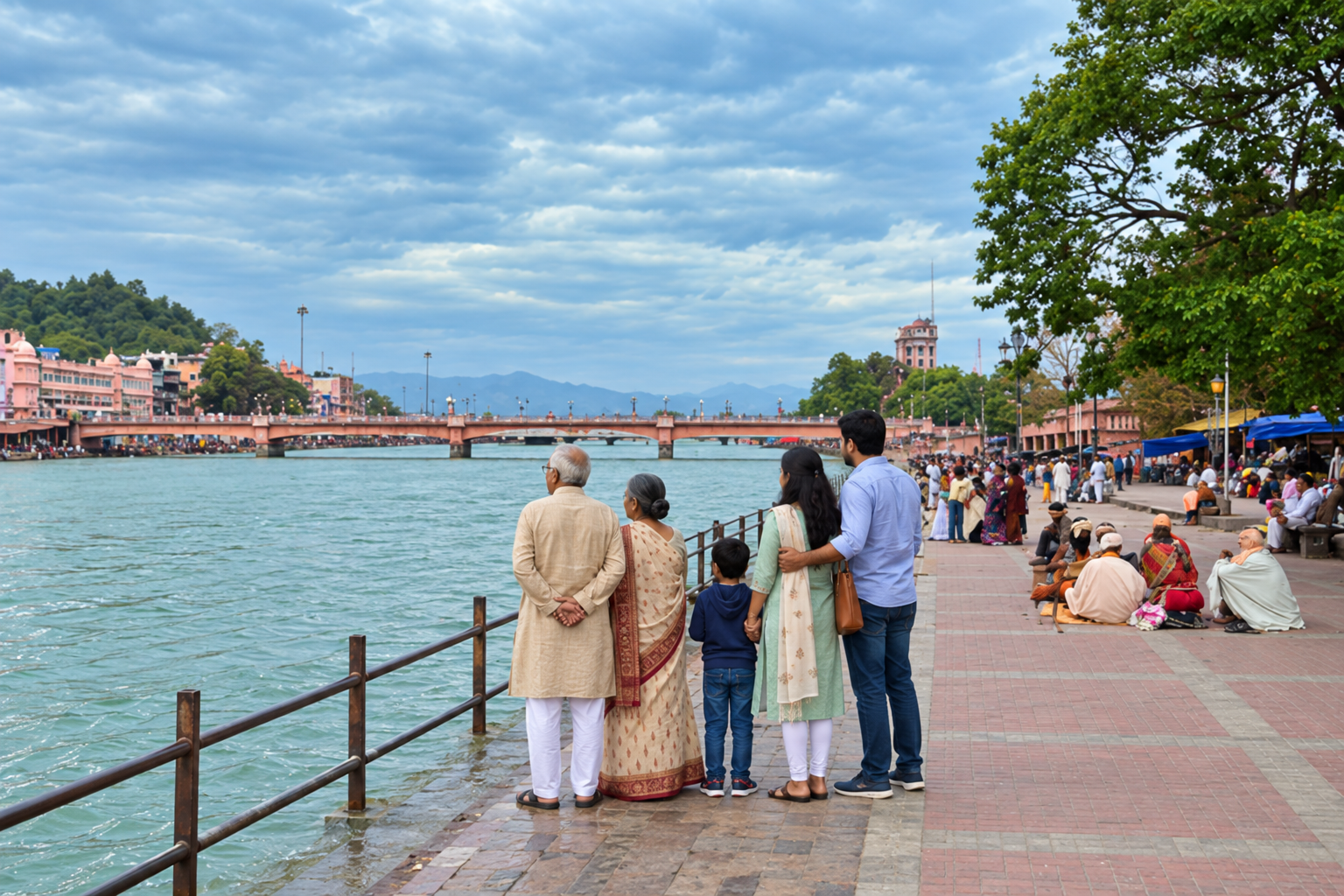
October to March – Winter & Peak Pilgrimage Season
Cool, comfortable weather makes this the best window for temple visits, ghat walks, and the evening Ganga Aarti without the summer heat. It's also the busiest season for pilgrimage travel, and especially significant during the Ardh Kumbh Mela, scheduled to run from January to April 2027, when advance planning is essential.
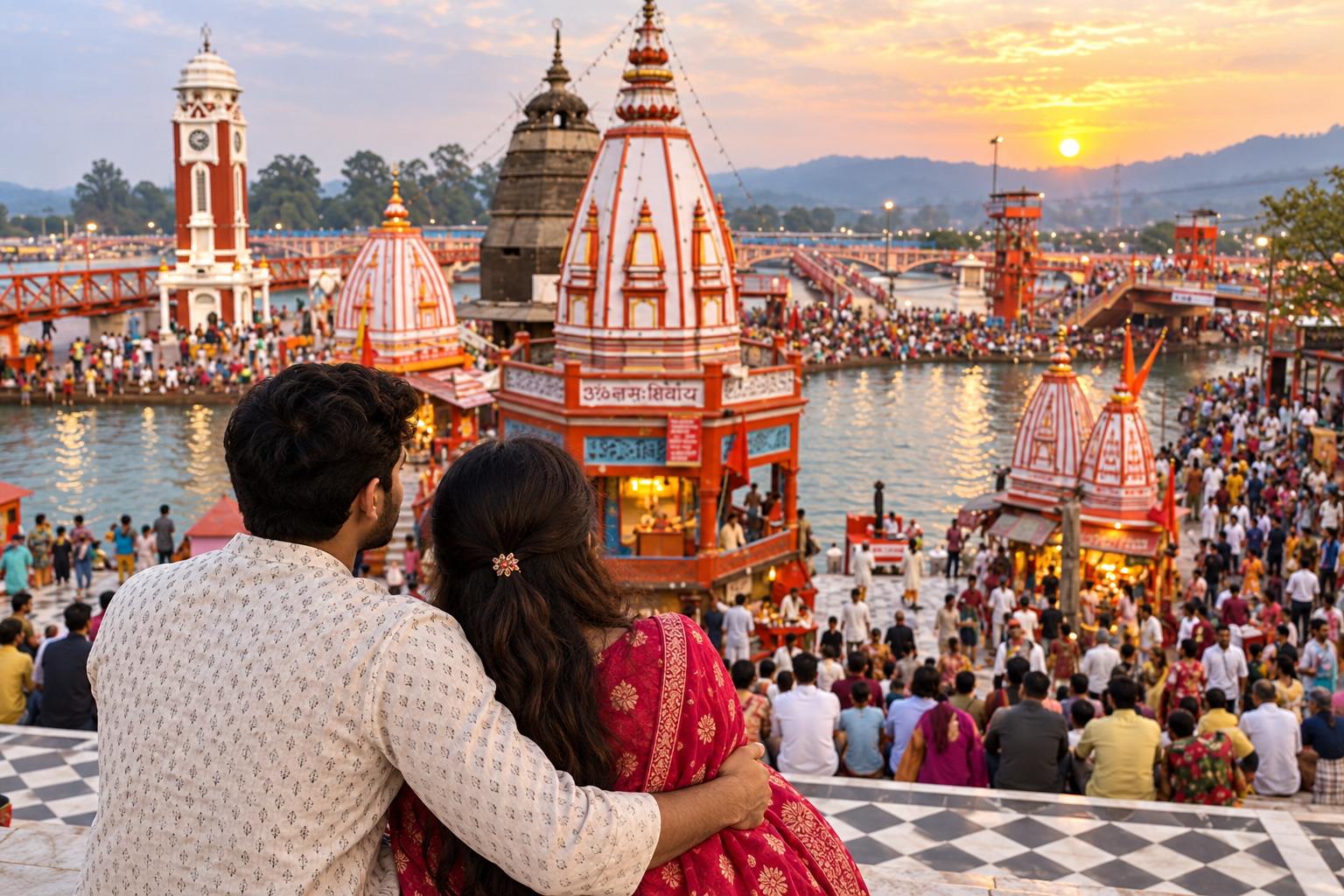
April to June – Summer, Hot & Best Kept Brief
Daytime temperatures climb well past 35°C, making sightseeing more comfortable in the early morning or after sunset. Many pilgrims still visit for ritual reasons during this period, but leisure travellers may prefer to keep midday plans centred around the hotel.
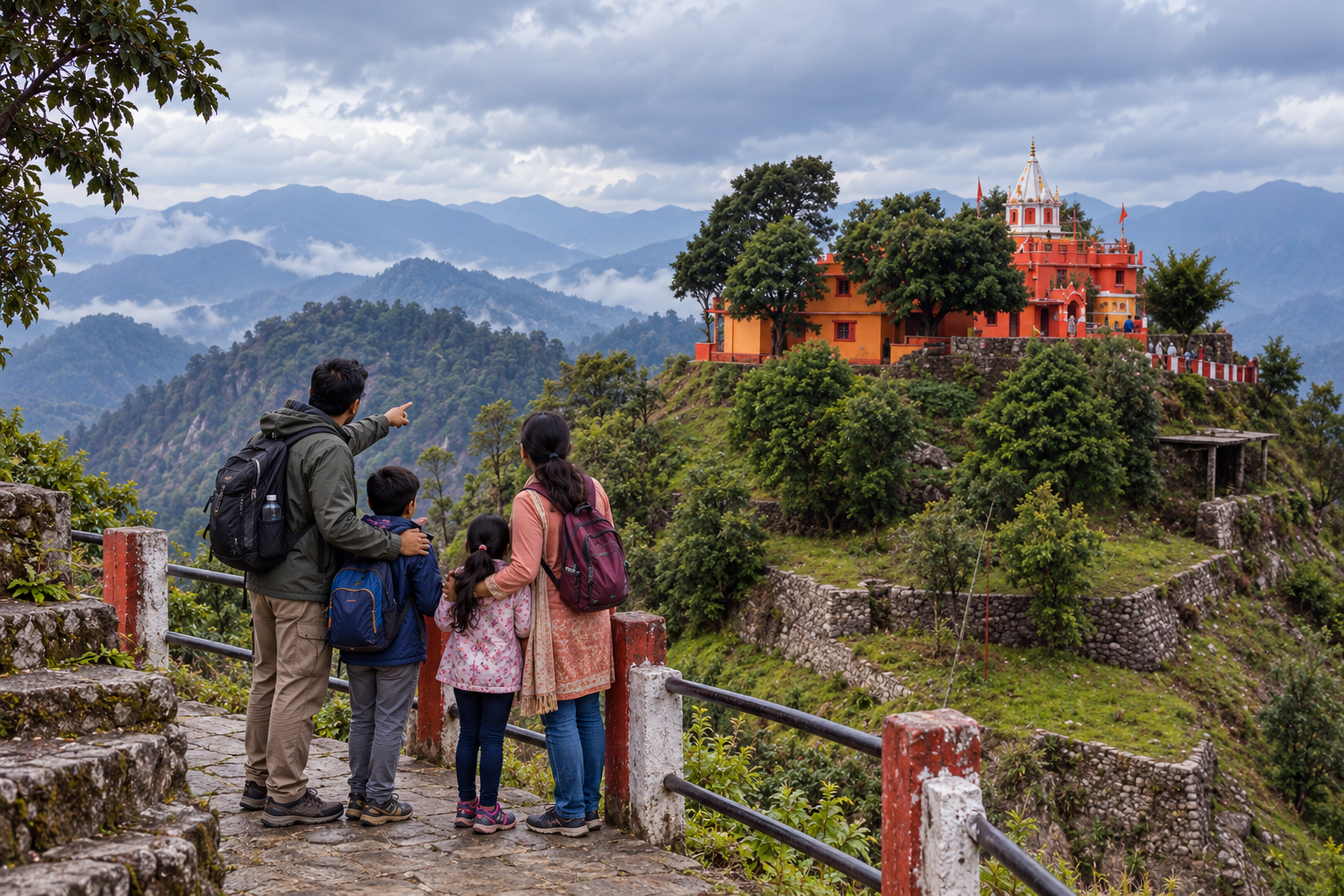
July to September – Monsoon & Rising Ganga
The monsoon brings heavy rain and a swollen river, giving the ghats a dramatic, powerful character, though flooding can occasionally disrupt access to Har Ki Pauri for the evening Aarti. It's a quieter season for travel, suited to those who don't mind rain-affected plans.
For the most comfortable sightseeing and pilgrimage experience, plan a visit between October and March. Travellers timing a trip around the 2027 Ardh Kumbh Mela should book well ahead, while those visiting in summer or monsoon should build flexibility into ghat-side plans.