


Best Places to Visit in Lonavala for Caves and Waterfalls
Perched at around 624 metres in the Sahyadri range of the Western Ghats, this Pune district hill station isone of the most searched weekend getaway options from Mumbai and Pune in Maharashtra. For anyone researching the best places to visit in Lonavala, the appeal is straightforward: rock-cut Buddhist caves, forested viewpoints, and monsoon-fed waterfalls, all reachable in under two hours from either city on the Mumbai-Pune Expressway. Developed as a hill retreat by Governor Lord Elphinstone, the twin towns of Lonavala and Khandala sit on the ridge that divides the Deccan Plateau from the Konkan coast, which is what gives the region its dramatic, cliff-edge views.
The ancient Bhaja Caves and Karla Caves, rock-cut Buddhist shrines dating back over 2,000 years, flank the town on either side and remain among its most visited heritage sites. Nature and adventure draws include Tiger's Point, a cliff viewpoint with sweeping valley views, Lion's Point, Duke's Nose for rappelling and trekking, the seasonal cascades at Bhushi Dam, and the multi-tiered Kune Waterfalls, one of the taller falls in India during monsoon. History buffs can add the Maratha-era Lohagad and Rajmachi forts to an itinerary, both a short trek from town, while Karla sits close to Pune and Bhaja towards the Mumbai side, making it easy to combine sightseeing with a longer Sahyadri road trip.
A recently opened bypass on the Mumbai-Pune Expressway has trimmed travel time from Mumbai even further, adding to the appeal of a quick two-day escape. Locally made chikki and fudge, sold at roadside stalls throughout town, make for a fitting edible souvenir, while the surrounding forest trails and lakeside dams offer a slower-paced alternative to the crowded viewpoints for travellers who prefer a quieter mountain break.
Our Resort(s) at LONAVALA

Important Information
State: Maharashtra
District: Pune
Destination Type: Hill Station
Nearest Airport: Pune International Airport (67 km)
Nearest Railway Station: Lonavala Railway Station, on the Mumbai-Pune rail line, about 3.7 km from the resort
Road Connectivity: Well connected via the Mumbai-Pune Expressway and NH-48, roughly 92 km from Mumbai and 65 km from Pune
Languages: Marathi, Hindi and English
Summer (March to May): Hot and dry, generally between 23°C and 35°C, better suited to pool time or indoor attractions than outdoor sightseeing
Monsoon (June to September): Heavy rainfall typical of the windward Western Ghats, with waterfalls and dams at their fullest and the hills turning a vivid green
Winter (October to February): Pleasant and cool, generally between 11°C and 24°C, widely considered the most comfortable season for sightseeing
● Carry comfortable hiking shoes and a pair of binoculars if you're planning fort treks or a stop at any of the viewpoints.
● Pick up chikki and fudge from one of the many local stores, a signature edible souvenir of the region.
● Visit crowd-heavy spots like Bhushi Dam and Tiger's Point early in the morning, especially on monsoon weekends, to avoid traffic and long queues.
● Check weather advisories before a monsoon trek, since heavy rainfall can make trails slippery and occasionally restrict access to dams and waterfalls.
● Book your stay in advance for December to February weekends, when demand from Mumbai and Pune travellers peaks.
Quick Facts About Lonavala
Our Resort In Lonavala
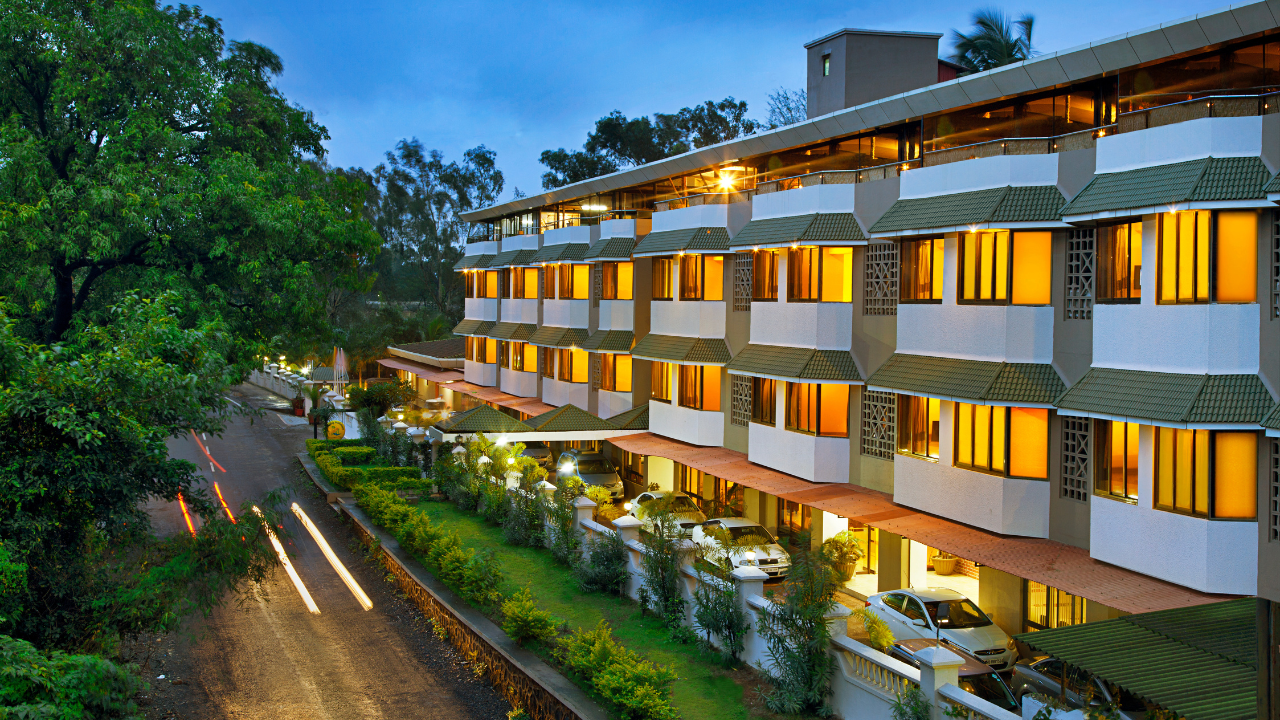
Sterling Stolen Heaven Lonavala
Set on 5 acres between the Bhaja Caves to the west and the Karla Caves to the east, Sterling Stolen Heaven Lonavala is a 50-room property designed around spacious, apartment-style rooms, making it a strong fit for large families. The line-up runs from a 186 sq. ft. Standard Room with Sit-Out, through 418 sq. ft. 1 Bedroom and 600 sq. ft. 2 Bedroom apartments, up to an 830 sq. ft. 3 Bedroom apartment. Guests can dine across two outlets, the Retro Coffee House and Vann, cool off at the swimming pool, and host events at the resort's banquet hall and wedding lawn, which accommodates up to 1,000 guests.
Location And Information
State: Maharashtra
District: Pune
Destination Type: Hill Station
Nearest Airport: Pune International Airport (67 km)
Nearest Railway Station: Lonavala Railway Station, on the Mumbai-Pune rail line, about 3.7 km from the resort
Road Connectivity: Well connected via the Mumbai-Pune Expressway and NH-48, roughly 92 km from Mumbai and 65 km from Pune
Languages: Marathi, Hindi and English
● Carry comfortable hiking shoes and a pair of binoculars if you're planning fort treks or a stop at any of the viewpoints.
● Pick up chikki and fudge from one of the many local stores, a signature edible souvenir of the region.
● Visit crowd-heavy spots like Bhushi Dam and Tiger's Point early in the morning, especially on monsoon weekends, to avoid traffic and long queues.
● Check weather advisories before a monsoon trek, since heavy rainfall can make trails slippery and occasionally restrict access to dams and waterfalls.
● Book your stay in advance for December to February weekends, when demand from Mumbai and Pune travellers peaks.
Summer (March to May): Hot and dry, generally between 23°C and 35°C, better suited to pool time or indoor attractions than outdoor sightseeing
Monsoon (June to September): Heavy rainfall typical of the windward Western Ghats, with waterfalls and dams at their fullest and the hills turning a vivid green
Winter (October to February): Pleasant and cool, generally between 11°C and 24°C, widely considered the most comfortable season for sightseeing
Gallery


Best Time To Visit
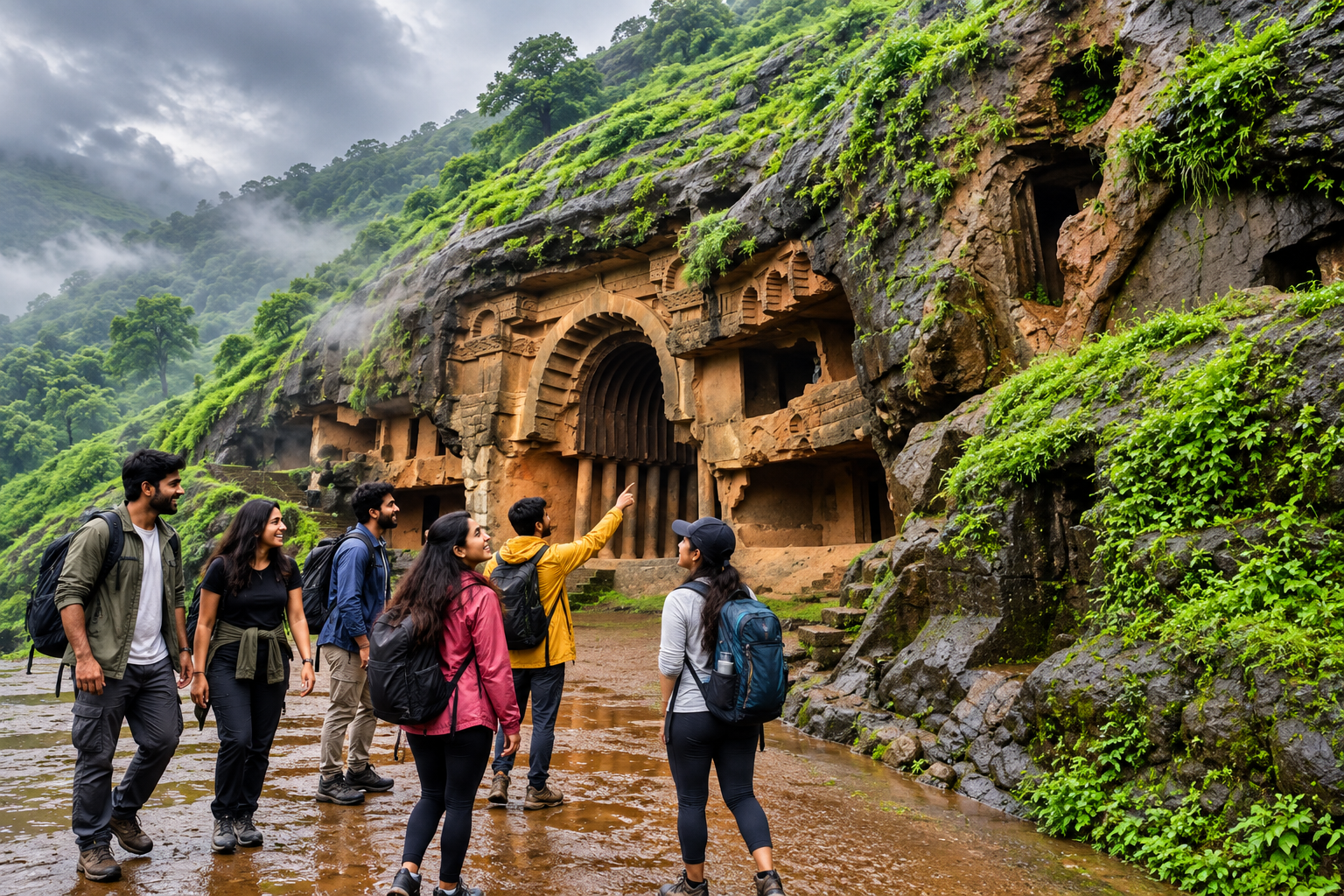
October to February – Winter & Peak Sightseeing Season
Winter is generally regarded as the best time for a visit, with cool, pleasant temperatures that make cave tours, fort treks, and viewpoint visits comfortable through the day. This period draws the largest share of travellers, particularly around long weekends and the Christmas to New Year stretch, when families and couples head out for a weekend getaway from Mumbai or Pune.
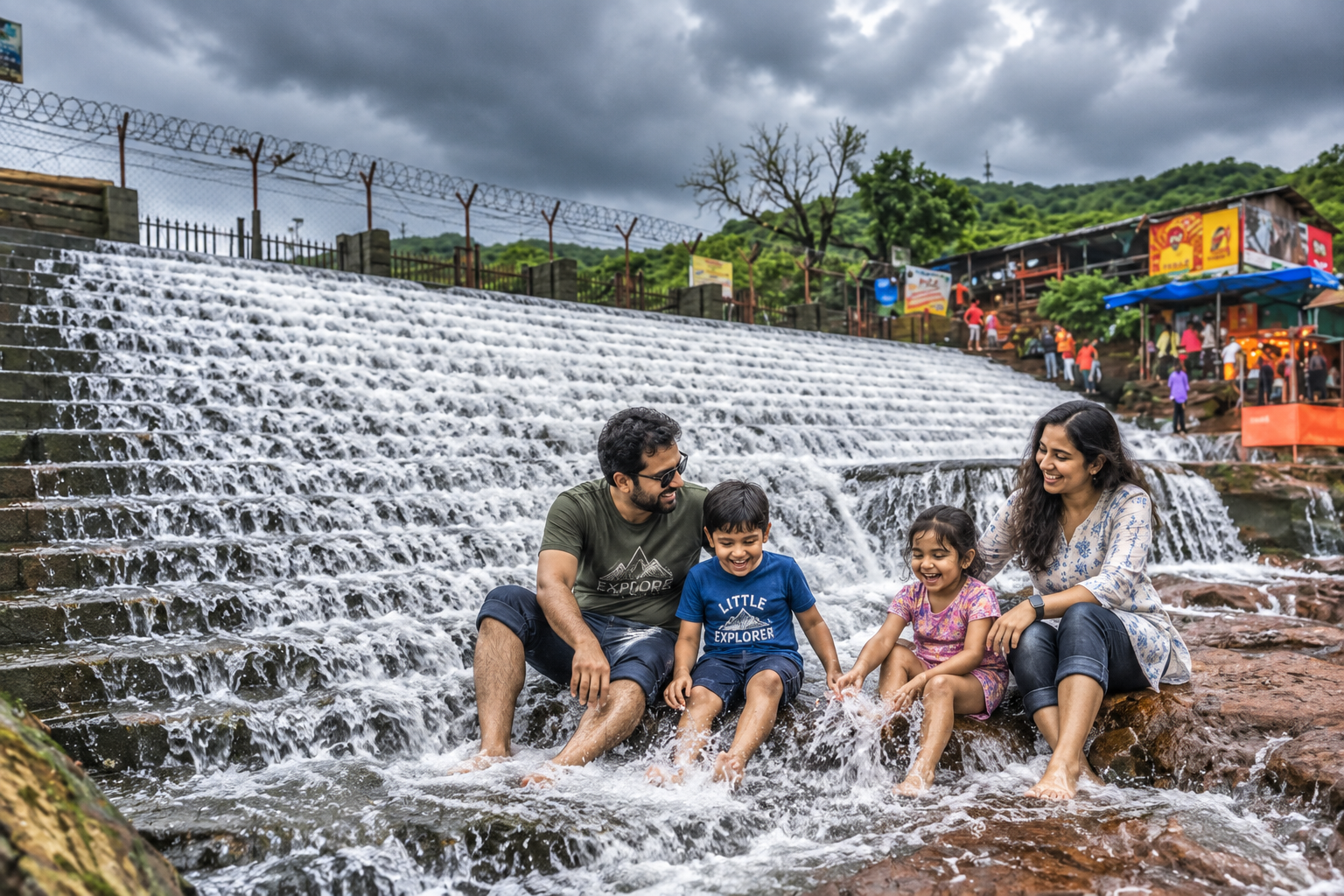
June to September – Monsoon & Waterfall Season
The monsoon transforms the region into its most photographed self, with Bhushi Dam overflowing its steps, Kune Waterfalls in full flow, and the Sahyadri hillsides turning a deep, misty green. This is peak season for trekkers and photographers, though weekend crowds at popular spots can be heavy and sudden downpours may affect road and trail conditions, so it's worth checking forecasts before setting out.
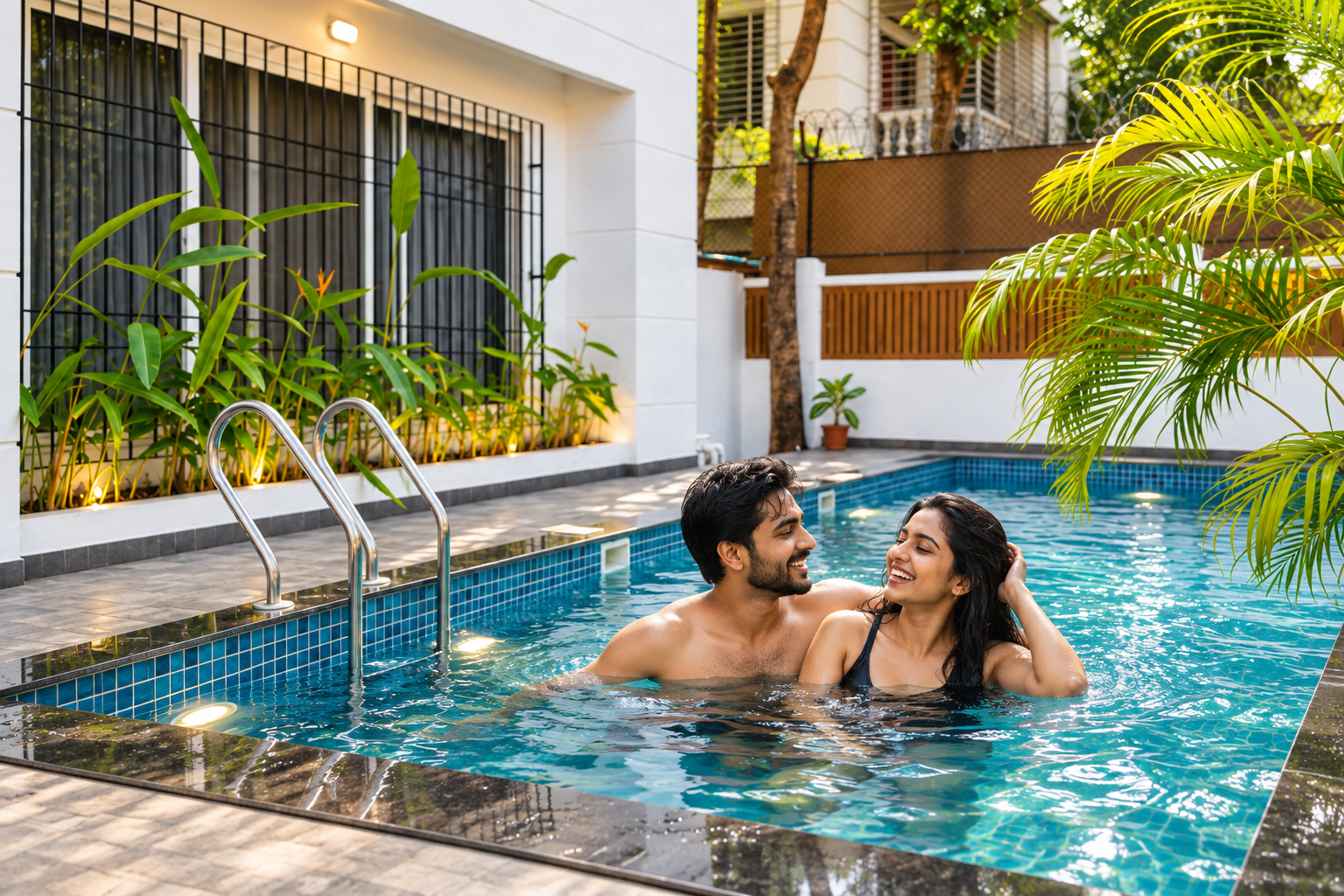
March to May – Summer, Warm & Quieter
Summer brings hot, dry weather that thins out the crowds at outdoor viewpoints, making it a quieter stretch better suited to resort downtime, swimming pools, and nearby indoor attractions like Imagicaa. Waterfalls and dams run low during this period, so it's a better fit for travellers prioritising a relaxed stay over waterfall sightseeing.
For the most comfortable sightseeing, plan a trip between October and February. Travellers chasing waterfalls and lush greenery should aim for June to September, keeping half a day free for weather-related changes of plan, while those who prefer a quieter, poolside-focused break can consider the warmer months of March to May.
Experiences
-
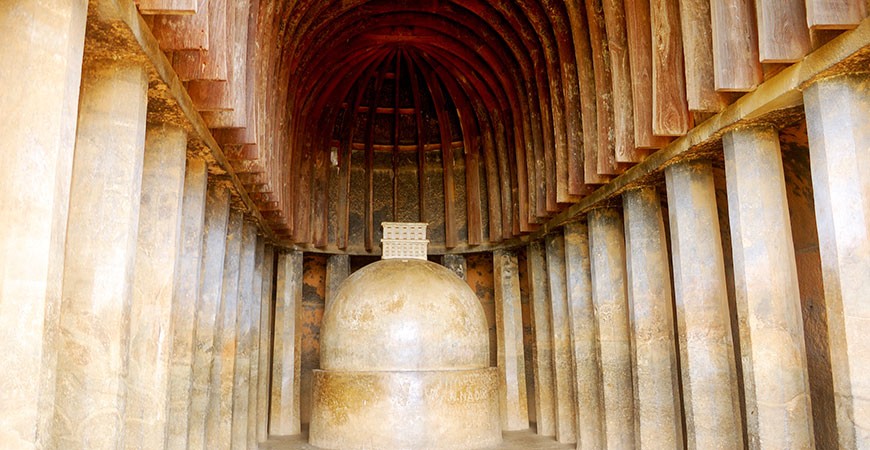
Bhaja Caves: Experience the Evolution of Buddhist Art
A series of 22 caves, the Bhaja caves document the transition of Buddhist art and showcases a piece of its rich history.
-
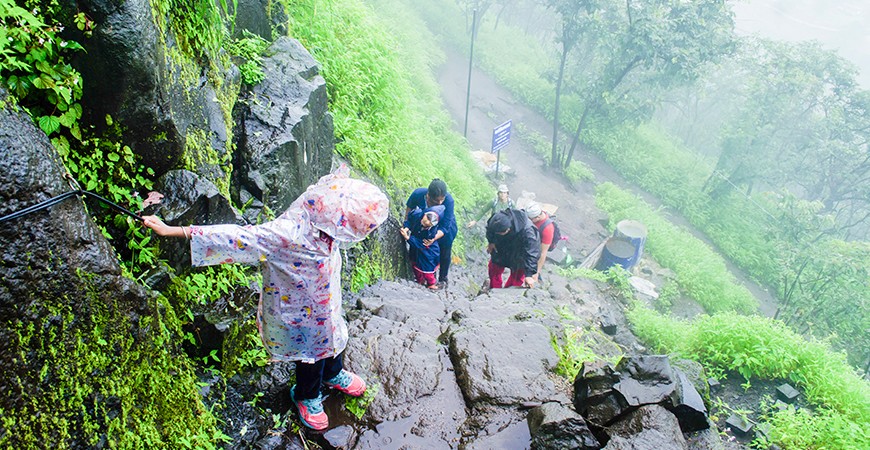
Lonavala Adventures: Quench Your Thirst for Adventure
Lonavala is not just pleasing to the eyes, but is also a hub for wide range of adventure activities. Hiking, camping, rafting - Lonavala has it all!
Must See
-
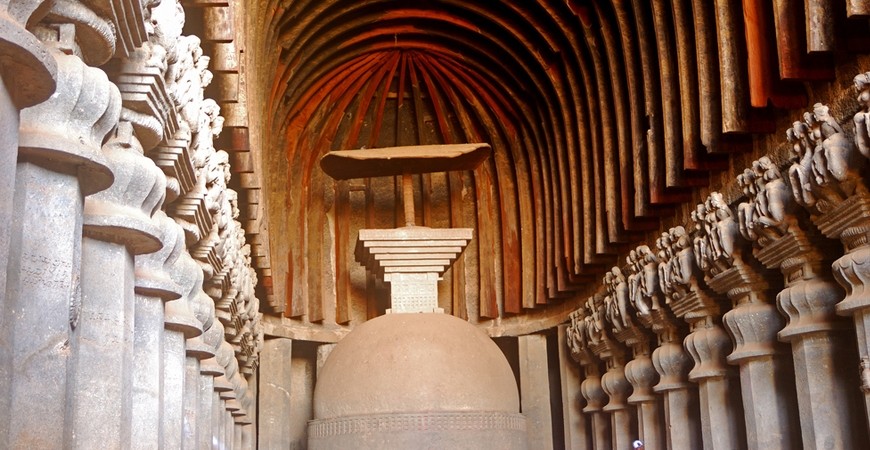
Karla Caves: The Monastery Motels of Ancient India
Karla caves are amongst the finest examples of rock- cut Buddhist shrines in India. 2000 years ago, these caves also served as a shelter for merchants travelling between the Deccan and the ports of the Arabian Sea.
-
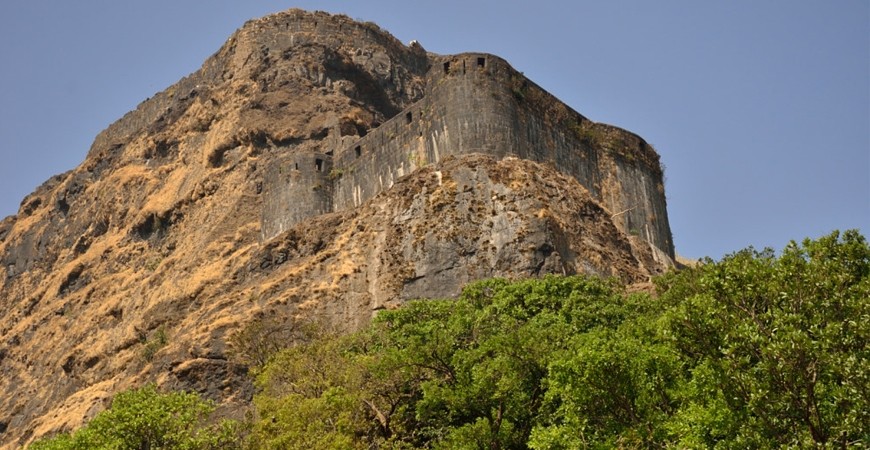
Lohagad: Won by a Teenager, Lost by a Man
A teenaged Shivaji won the Lohagad Fort; later he was forced to hand it over to Aurangzeb as part of a treaty. While this fort has become synonymous with the escapades of Shivaji, it has a rich history of its own.
-
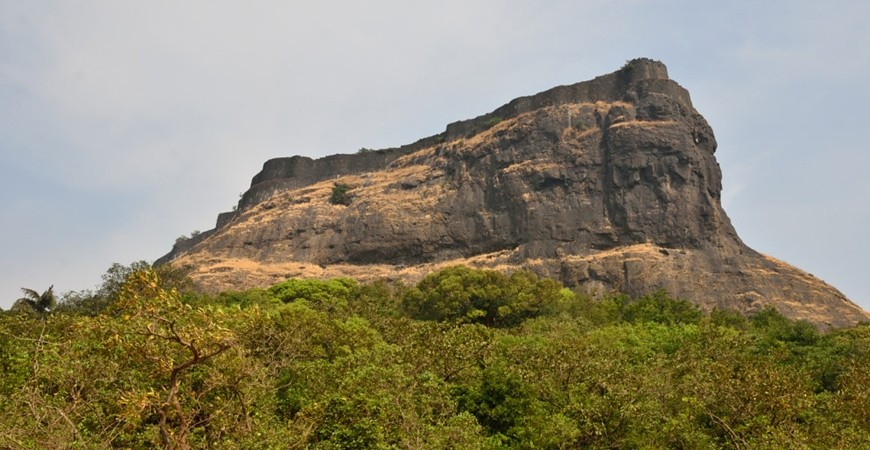
Rajmachi Fort: Sentinels of the Sahyadris
The Rajmachi hill has two forts-Shrivardhan and Manaranjan. These forts have witnessed the long and tumultuous history of this deceptively beautiful region.
-
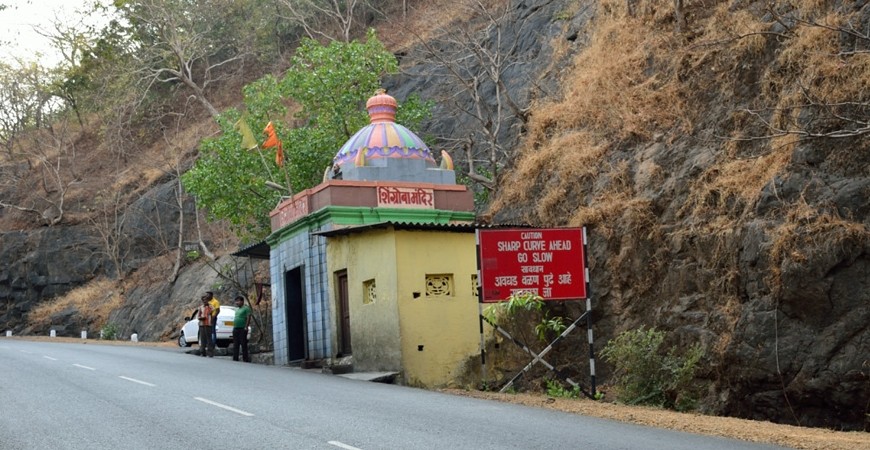
Shingroba: Temple of a Mortal
Cars slow down in front of a nondescript temple on the old Mumbai-Pune highway. The idol within is said to represent a shepherd killed by the British.
-
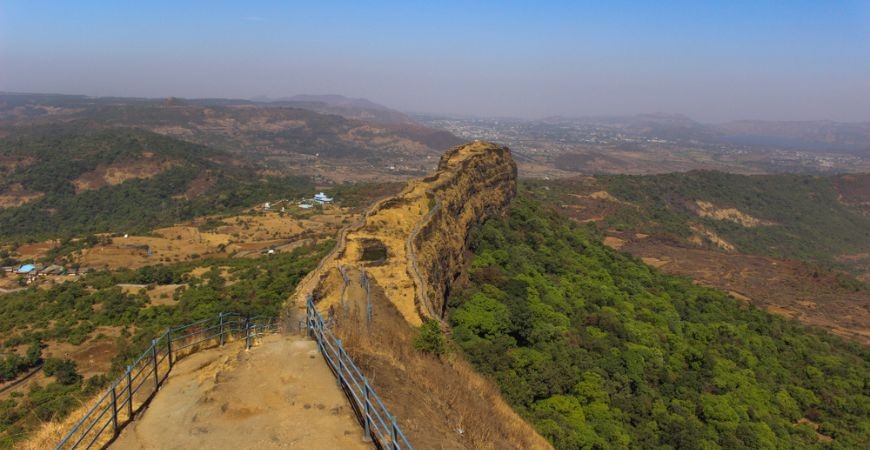
Lonavala National Park
Lonavala National Park, located in the Western Ghats of Maharashtra, spans lush landscapes teeming with diverse flora and fauna
-
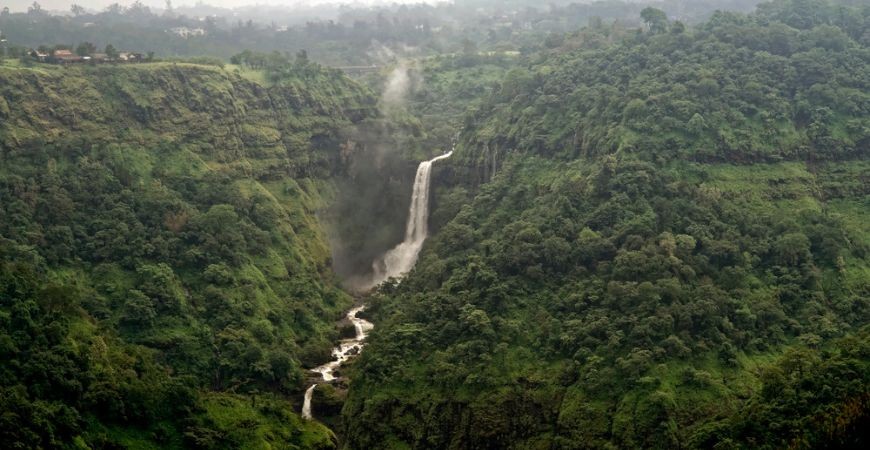
Kune Waterfalls
This three-tiered waterfall has a total height of 200 metres, and the longest drop is roughly 100 metres high. Kune Waterfall is among the highest waterfalls in Lonavala and the 14th highest in India.
Must Do
-
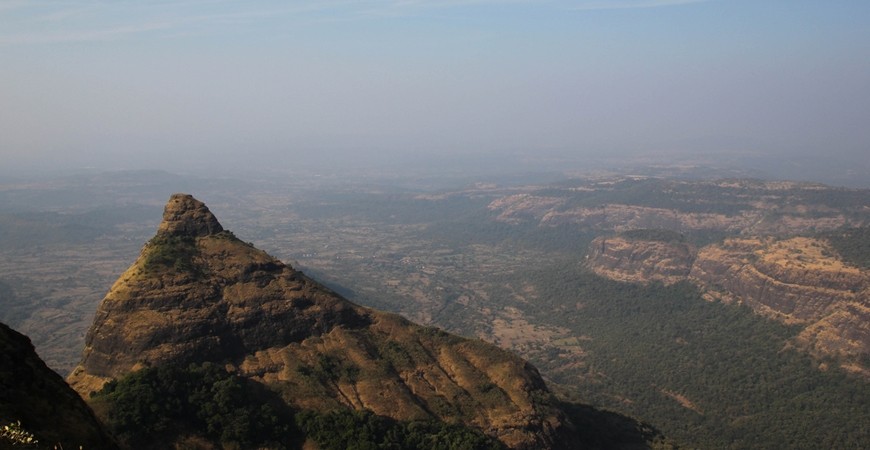
Tiger Leap: Head into the Clouds
The Tiger's Leap gets its name from a rock formation which looks like a tiger leaping out. This spot is a favourite with those who want to sit awhile with friends and family amidst mist-kissed hills.
-
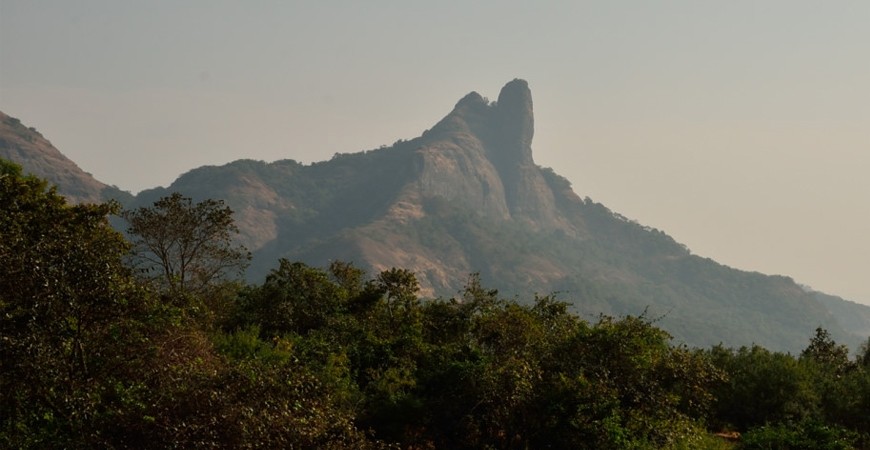
Bollywood deja vu
Lonavala has a reel life like no other. While other hill stations have sunrise and sunset points, Lonavala has shooting spots.