


Best Places to Visit in Ranthambore for Tiger Safaris and Fort Views
Spread across the rugged hills of southeastern Rajasthan, Ranthambore is one of India's most sought-after wildlife destinations and consistently ranks among the best places to visit for travellers chasing a Bengal tiger sighting. Centred on the Ranthambore National Park in Sawai Madhopur district, the reserve began life as a hunting ground for the Maharajas of Jaipur before being declared a Project Tiger reserve in 1973 and formally recognised as a national park in 1980. Anyone planning a wildlife holiday here will find a landscape where dry deciduous forest, rocky ridges and shimmering lakes meet centuries-old ruins, all set at the meeting point of the Aravalli and Vindhya hill ranges.
The park's biggest draw is its population of Royal Bengal tigers, unusually active and visible even during the day, which has made tiger safari bookings here some of the most sought-after in the country. The reserve is also home to leopards, sloth bears, marsh crocodiles and over 300 species of birds, best explored across its ten safari zones, with zones 1 to 5 known for the most frequent tiger sightings. History adds another dimension: the 10th-century Ranthambore Fort, a UNESCO World Heritage Site, rises dramatically above the reserve and shelters the Trinetra Ganesh Temple, while Padam Talao, its largest lake, was once home to the legendary tigress Machli.
Beyond the safari trails, Sawai Madhopur town carries its own share of Rajasthani charm, known for warm local hospitality, hearty jungle-inspired cuisine, and even its own variety of guavas that flavour many regional desserts. History buffs can extend their trip with visits to the Raj Bagh Ruins or a boat safari along the Chambal River, home to gharials and migratory birds, adding more depth to the holiday beyond the core tiger trails. Most visitors plan a 2 to 3-night stay to fit in multiple safaris across different zones, making a comfortable base near the park essential for an easy, well-paced trip.
Our Resort(s) at Ranthambore

Important Information
State: Rajasthan
District: Sawai Madhopur
Destination Type: Jungle / Wildlife Reserve
Nearest Airport: Jaipur International Airport (161 km from resort)
Nearest Railway Station: Sawai Madhopur Railway Station (3.5 km from the resort)
Road Connectivity: Well connected by road and rail from Jaipur, Delhi and Mumbai via NH23 and the Delhi-Mumbai rail line
Languages: Hindi and English
Summer (March to June): Hot and dry, between 20°C and 45°C, though tigers are easier to spot near waterholes during this season
Monsoon (July to September): Cooler with seasonal rain; the national park remains closed to visitors during this period
Winter (October to February): Cool and pleasant, between 5°C and 25°C, and the most popular season for safaris
● Book your safari permits well in advance, since only a limited number of jeeps and canters are allowed inside the park per shift.
● Carry light cottons for summer safaris and warm layers for early morning winter drives, since temperatures can swing sharply between day and night.
● Zones 1 to 5 offer the best odds of a tiger sighting, so ask your resort's travel desk to help with zone selection when booking.
● The national park remains closed during the monsoon, from July to September, so plan safari-focused trips outside this window.
● Private vehicles aren't permitted inside the park, so all safaris run in authorised jeeps or canters booked through the forest department or your resort.
Quick Facts
Our Resort In Ranthambore
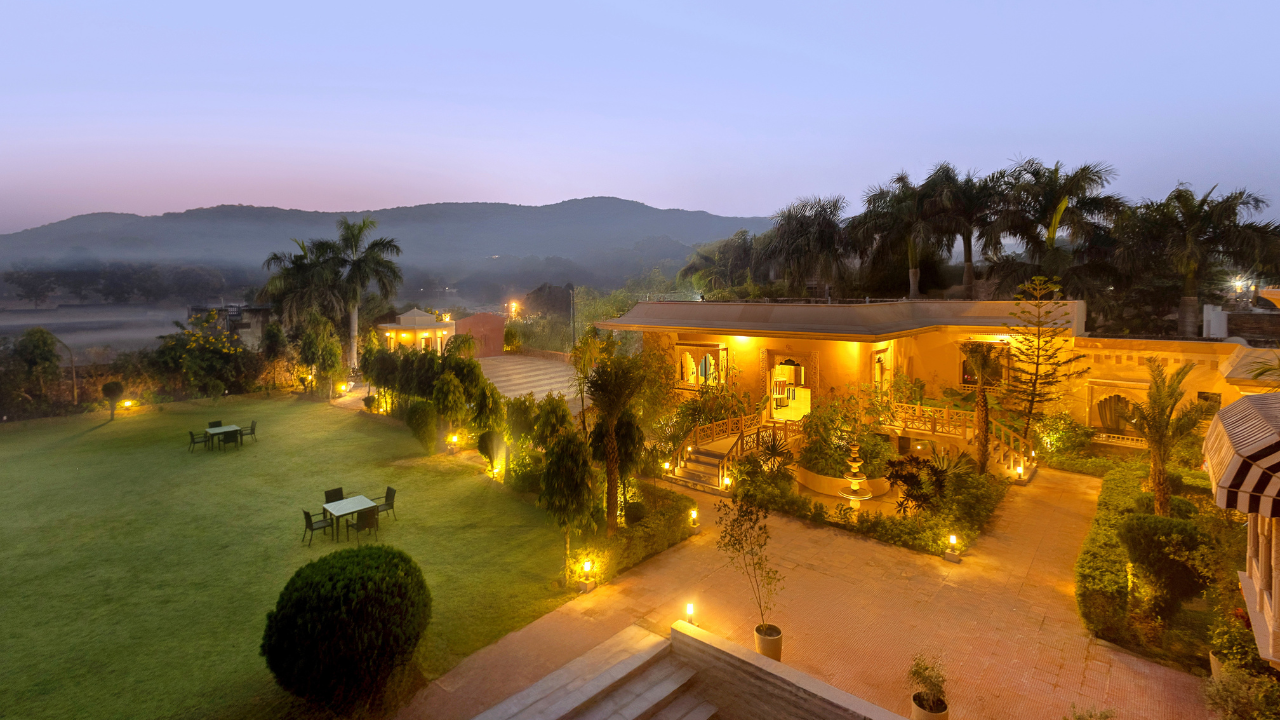
Sterling Bagh Ranthambore
Set on 2 acres of green, landscaped grounds close to the national park, Sterling Bagh Ranthambore blends modern comfort with the charm of the Rajasthani countryside, making it a relaxed base for a wildlife holiday. The resort offers 36 rooms and suites, including Classic Rooms, Premier Rooms and the Pool View Suite, several of which look out over the resort's swimming pool with the Aravalli hills as a backdrop. Unwind beside the pool after a morning safari or gather for a bonfire and barbecue on the 11,000 sq. ft. lawns, which double as a scenic venue for celebrations and destination weddings.
Location & Information
State: Rajasthan
District: Sawai Madhopur
Destination Type: Jungle / Wildlife Reserve
Nearest Airport: Jaipur International Airport (161 km from resort)
Nearest Railway Station: Sawai Madhopur Railway Station (3.5 km from the resort)
Road Connectivity: Well connected by road and rail from Jaipur, Delhi and Mumbai via NH23 and the Delhi-Mumbai rail line
Languages: Hindi and English
● Book your safari permits well in advance, since only a limited number of jeeps and canters are allowed inside the park per shift.
● Carry light cottons for summer safaris and warm layers for early morning winter drives, since temperatures can swing sharply between day and night.
● Zones 1 to 5 offer the best odds of a tiger sighting, so ask your resort's travel desk to help with zone selection when booking.
● The national park remains closed during the monsoon, from July to September, so plan safari-focused trips outside this window.
● Private vehicles aren't permitted inside the park, so all safaris run in authorised jeeps or canters booked through the forest department or your resort.
Summer (March to June): Hot and dry, between 20°C and 45°C, though tigers are easier to spot near waterholes during this season
Monsoon (July to September): Cooler with seasonal rain; the national park remains closed to visitors during this period
Winter (October to February): Cool and pleasant, between 5°C and 25°C, and the most popular season for safaris
Gallery


Best Time to Visit
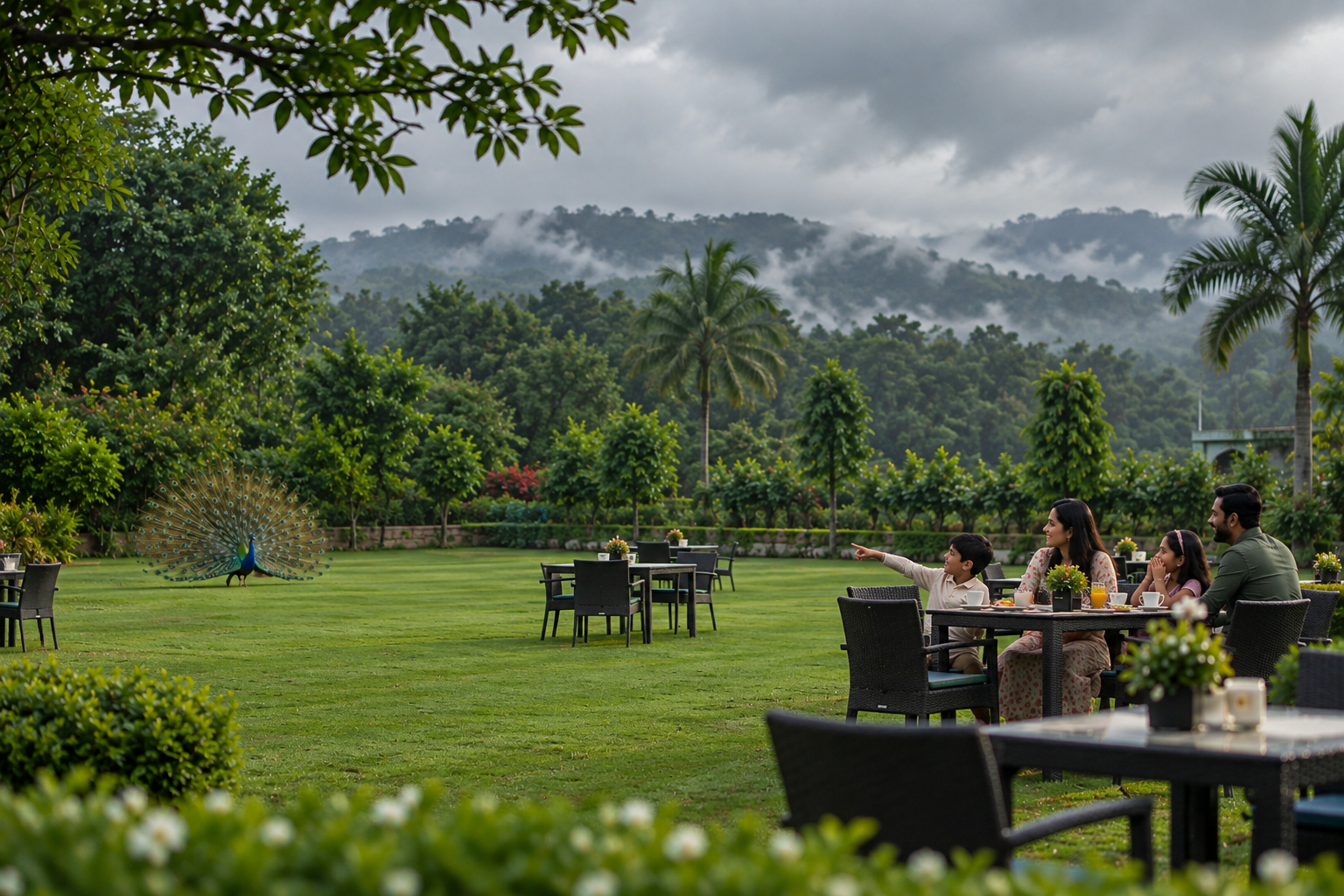
October to February - Winter, Cool & Ideal for Safaris
Winter is the most popular season for a jungle safari here, with temperatures staying cool and comfortable between 5°C and 25°C. Mornings can be chilly, especially on early jeep drives, but the dry, pleasant days make this the easiest window for spotting tigers, birds and other wildlife across the park's core zones.
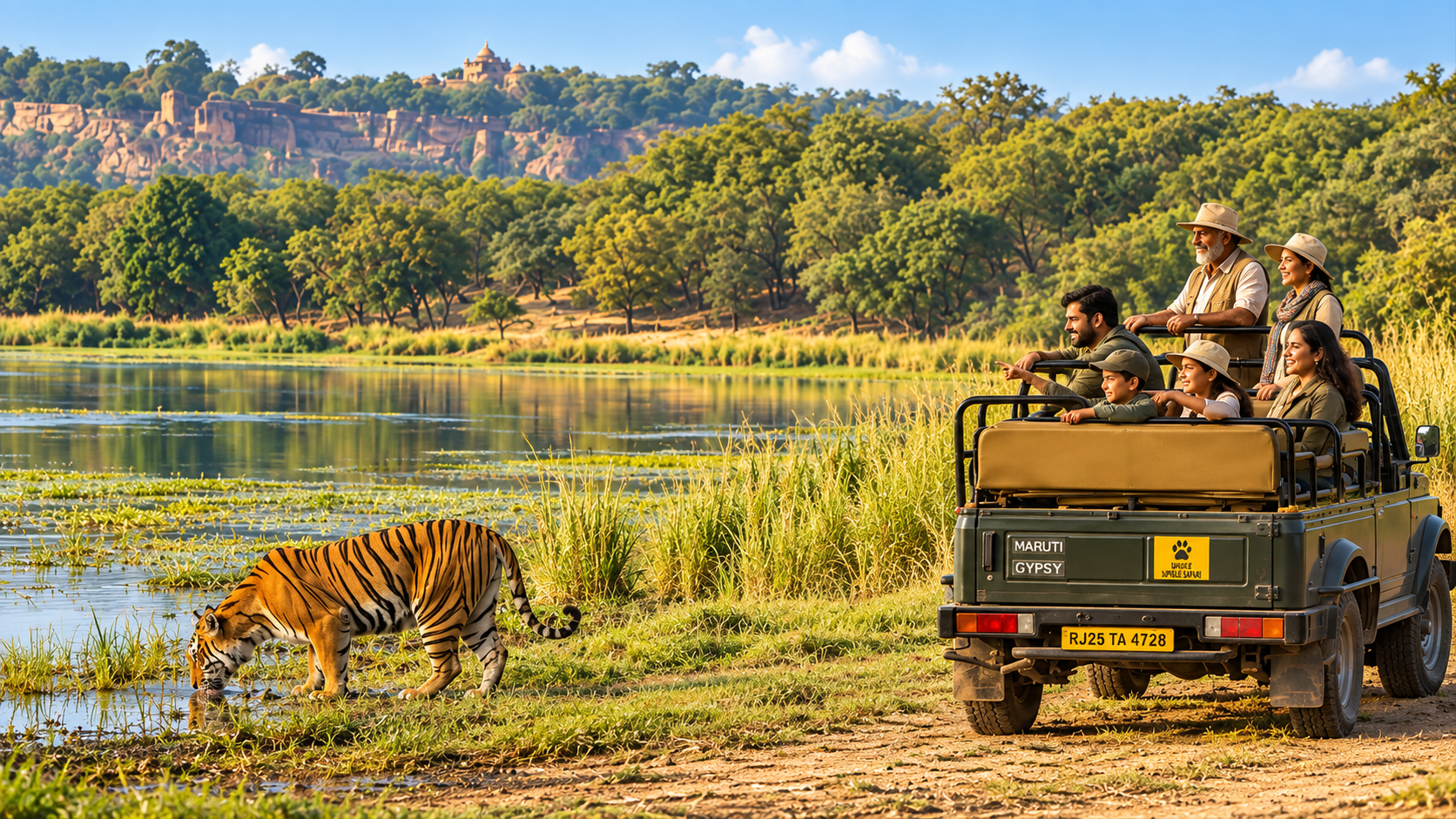
March to June - Summer, Hot but Great for Tiger Sightings
Summer brings dry heat to the region, with temperatures climbing as high as 45°C. While the conditions are harsh, the heat pushes wildlife, including tigers, toward waterholes and lakes such as Padam Talao, often making sightings more frequent for visitors who don't mind the warmer days.
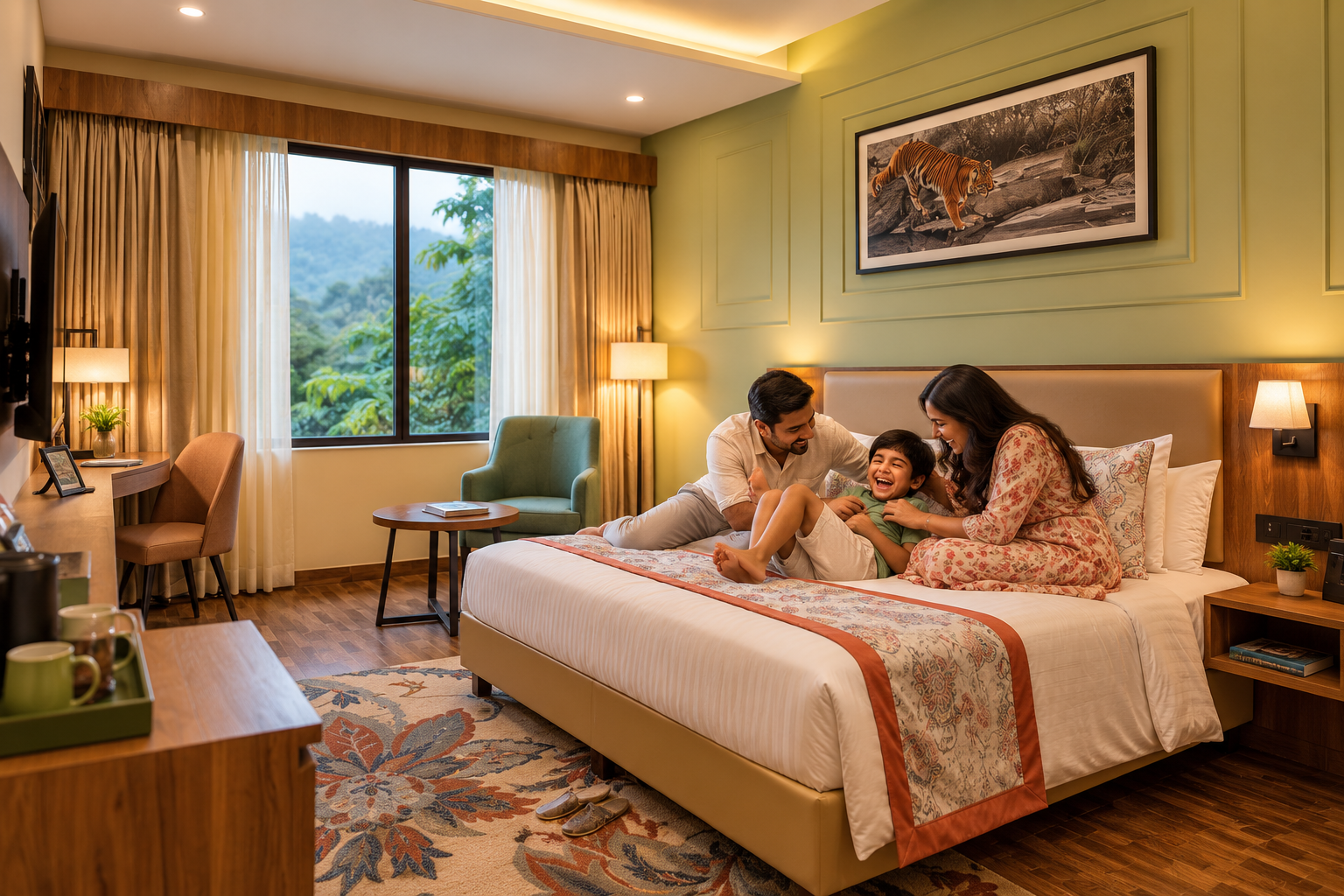
July to September - Monsoon & Park Closure
The monsoon brings much-needed rain to the region, but the national park closes to visitors during this period to allow the forest and its wildlife to regenerate undisturbed. Travellers should avoid planning a safari-focused trip during these months and instead consider this a season to skip.
For the best mix of comfortable weather and reliable tiger sightings, plan your trip between October to February, right after the park reopens through the cool winter months. If you don't mind the heat, late summer, from March to June, can reward patient visitors with sightings near waterholes, while the park stays closed through the monsoon from July to September.