


Best Places to Visit in Ooty for Toy Train Rides and Nilgiri Hill Experiences
Perched at over 2,200 metres in the Nilgiri Hills of Tamil Nadu, Ooty is one of South India's most visited hill stations, and remains among the most searched names for travellers planning a Nilgiris holiday. Officially known as Udhagamandalam and once the summer capital of the Madras Presidency, this hill town was discovered by the British collector John Sullivan in 1819 and sits ringed by four peaks, Doddabetta, Snowdon, Elk Hill, and Club Hill, which keep its climate cool through the year. For anyone researching the best places to visit in Ooty, the destination brings together colonial heritage, tea culture, and mountain scenery into a single, easy itinerary.
The town's best-known attraction is the Nilgiri Mountain Railway, a UNESCO World Heritage rack railway popularly nicknamed the toy train, climbing 46 kilometres from Mettupalayam and gaining nearly 1,900 metres in altitude through tunnels, bridges, and tea estates along the way. Rolling plantations, silver oak groves, and shola forests surround the town, while Doddabetta Peak, the highest point in the Nilgiris at around 2,637 metres, offers sweeping views of the Coimbatore plains on a clear day.
Closer to town, the Government Botanical Garden and the Rose Garden on the slopes of Elk Hill showcase the region's horticultural legacy, and the artificial Ooty Lake, built in 1824, remains a popular spot for boating and lakeside walks. History and culture add another layer, with colonial-era churches and bungalows sitting alongside the huts of the Toda tribe, one of the earliest inhabitant communities of the Nilgiris, and the destination lies within comfortable driving distance of Coonoor, Mudumalai National Park, and Coimbatore, the nearest major city and airport hub.
Our Resort(s) at OOTY


Important Information
State: Tamil Nadu
District: The Nilgiris
Destination Type: Hill Station
Nearest Airport: Coimbatore International Airport (about 85 km from Ooty)
Nearest Railway Station: Mettupalayam Railway Station (broad gauge) and Ooty Railway Station connects further via the mountain railway
Road Connectivity: Well connected via NH181 and Tamil Nadu State Highways from Coimbatore, Mysuru, and Bengaluru
Languages: Tamil and English
Summer (March to May): Pleasant, between 12°C and 30°C; the busiest season for sightseeing, coinciding with the Botanical Garden's flower show in May
Monsoon (June to September): Heavy rainfall turns the hills a deep, misty green, with cooler days and possible disruption to rail schedules
Winter (October to February): The coolest period, between 5°C and 23°C, with mornings occasionally nearing frost in December and January
● Book Nilgiri Mountain Railway tickets well in advance, since seats sell out quickly, especially in the March-May and October-February peak seasons.
● Carry warm clothing year-round; nights stay cool even in summer given Ooty's altitude.
● Expect heavier traffic on the ghat roads to Ooty on weekends and holidays, and plan travel times with some buffer.
● Monsoon rain can disrupt the toy train's schedule, so check ahead before building a trip around the railway journey during June to September.
● Book accommodation early if visiting in May, when the Botanical Garden's annual flower show draws large crowds.
Quick Facts
Our Resorts In Ooty
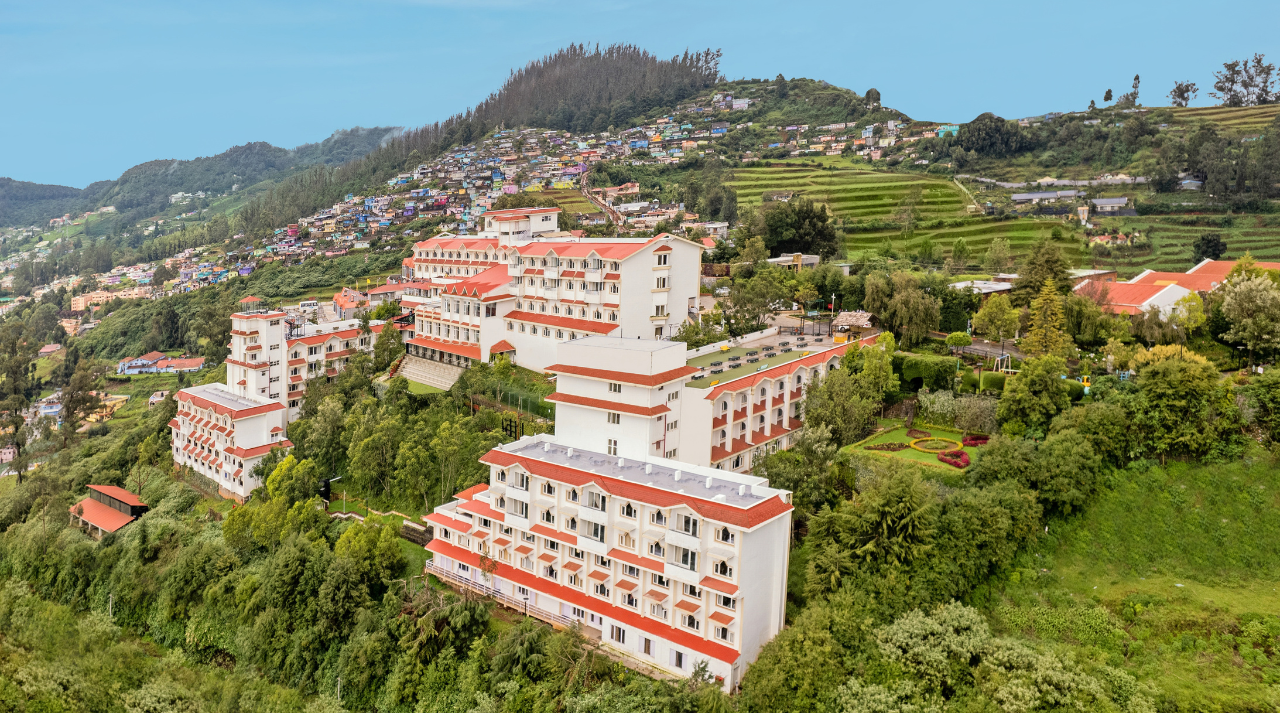
Sterling Ooty - Elk Hill
Perched above the town with sweeping views of Ooty's racecourse and the surrounding valley, Sterling Ooty - Elk Hill is a 4.5-acre award-winning family resort with 124 well-appointed rooms and suites, including the exclusive Nilgiri Rail Private Pool Suite inspired by the railway. Guests can unwind at the in-house Spa, sample Badaga cuisine and other regional specialities at the Nilgiri Express restaurant, watch the clouds roll in from the resort's observatory, and enjoy fresh produce from the property's own organic vegetable garden.
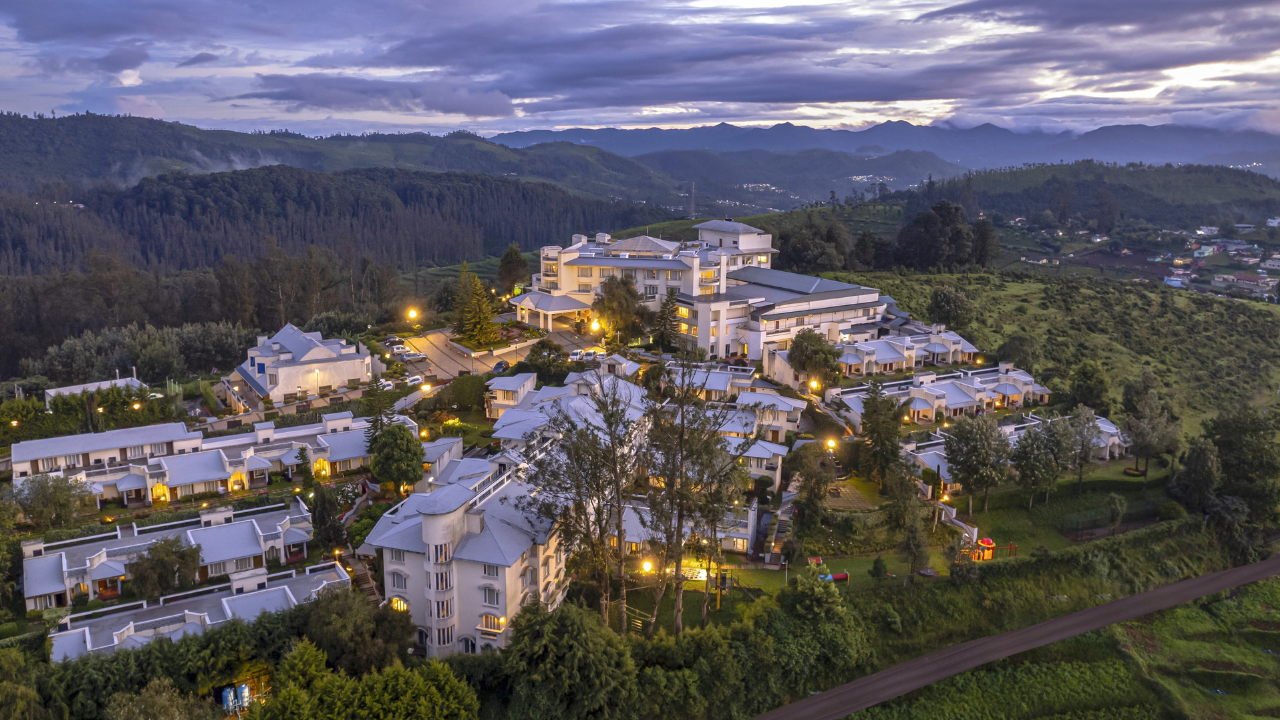
Sterling Ooty - Fern Hill
Set on an 8-acre hilltop with the toy train chugging through the valley below, Sterling Ooty - Fern Hill is a 175-room resort surrounded by ferns, terraced farms, and distant pine forests. The property runs its own vegetable garden, a Discovery Central activity zone with rope courses, wall climbing, and zip-lining, an in-house spa, and a resto-bar, making it a convenient base for exploring nearby tea gardens, strawberry farms, and the Toda community's traditional settlements.
Location & Information
State: Tamil Nadu
District: The Nilgiris
Destination Type: Hill Station
Nearest Airport: Coimbatore International Airport (about 85 km from Ooty)
Nearest Railway Station: Mettupalayam Railway Station (broad gauge) and Ooty Railway Station connects further via the mountain railway
Road Connectivity: Well connected via NH181 and Tamil Nadu State Highways from Coimbatore, Mysuru, and Bengaluru
Languages: Tamil and English
● Book Nilgiri Mountain Railway tickets well in advance, since seats sell out quickly, especially in the March-May and October-February peak seasons.
● Carry warm clothing year-round; nights stay cool even in summer given Ooty's altitude.
● Expect heavier traffic on the ghat roads to Ooty on weekends and holidays, and plan travel times with some buffer.
● Monsoon rain can disrupt the toy train's schedule, so check ahead before building a trip around the railway journey during June to September.
● Book accommodation early if visiting in May, when the Botanical Garden's annual flower show draws large crowds.
Summer (March to May): Pleasant, between 12°C and 30°C; the busiest season for sightseeing, coinciding with the Botanical Garden's flower show in May
Monsoon (June to September): Heavy rainfall turns the hills a deep, misty green, with cooler days and possible disruption to rail schedules
Winter (October to February): The coolest period, between 5°C and 23°C, with mornings occasionally nearing frost in December and January
Gallery


Best Time to Visit
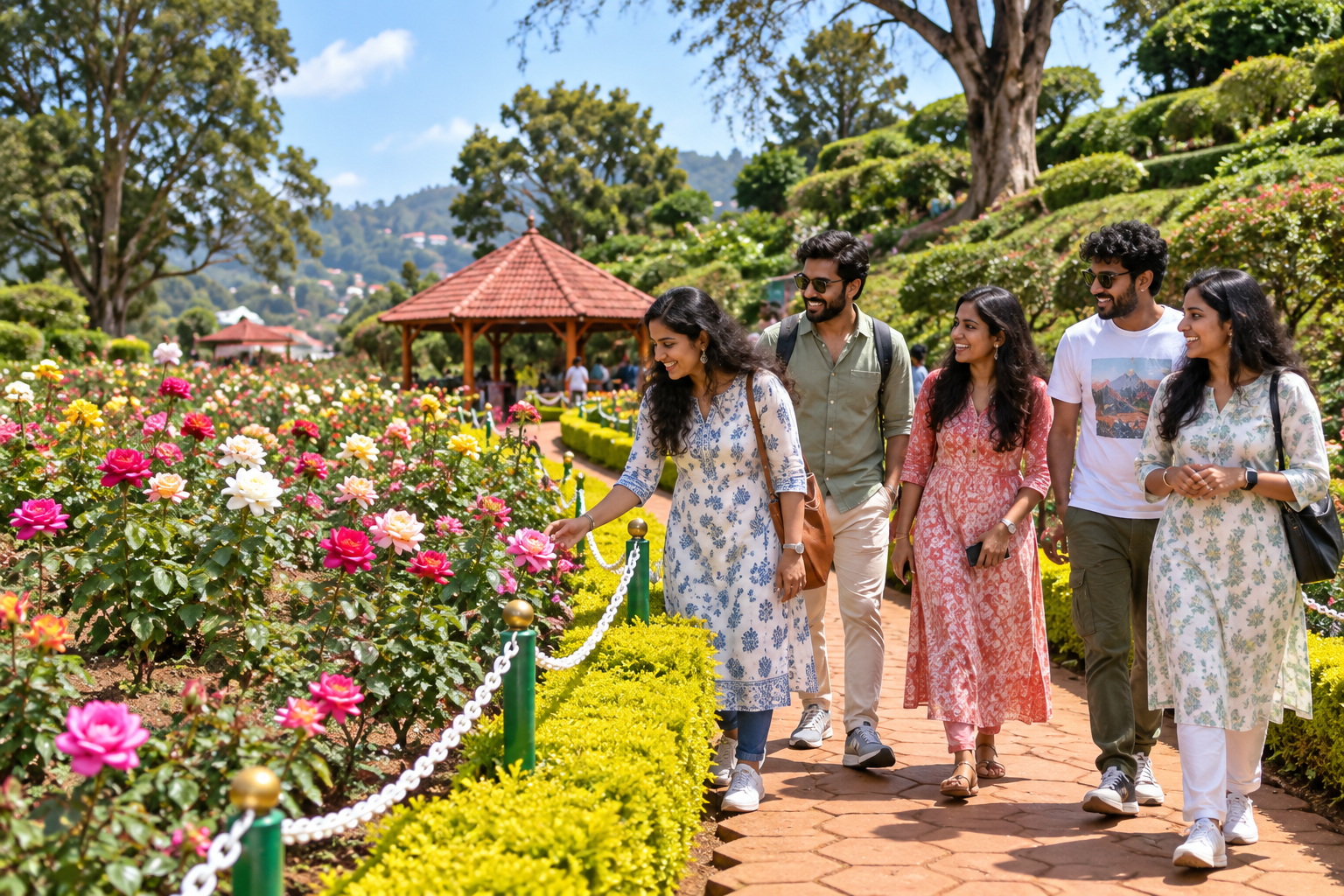
March to May – Summer & Peak Sightseeing Season
Summer is the most popular season, when temperatures range between a pleasant 12°C and 30°C, a welcome escape from the heat of the plains. This is also when the Botanical Garden hosts its famous annual flower show in May, drawing large crowds for its floral displays and garden competitions, making it an ideal window for sightseeing, boating, and heritage train journeys.
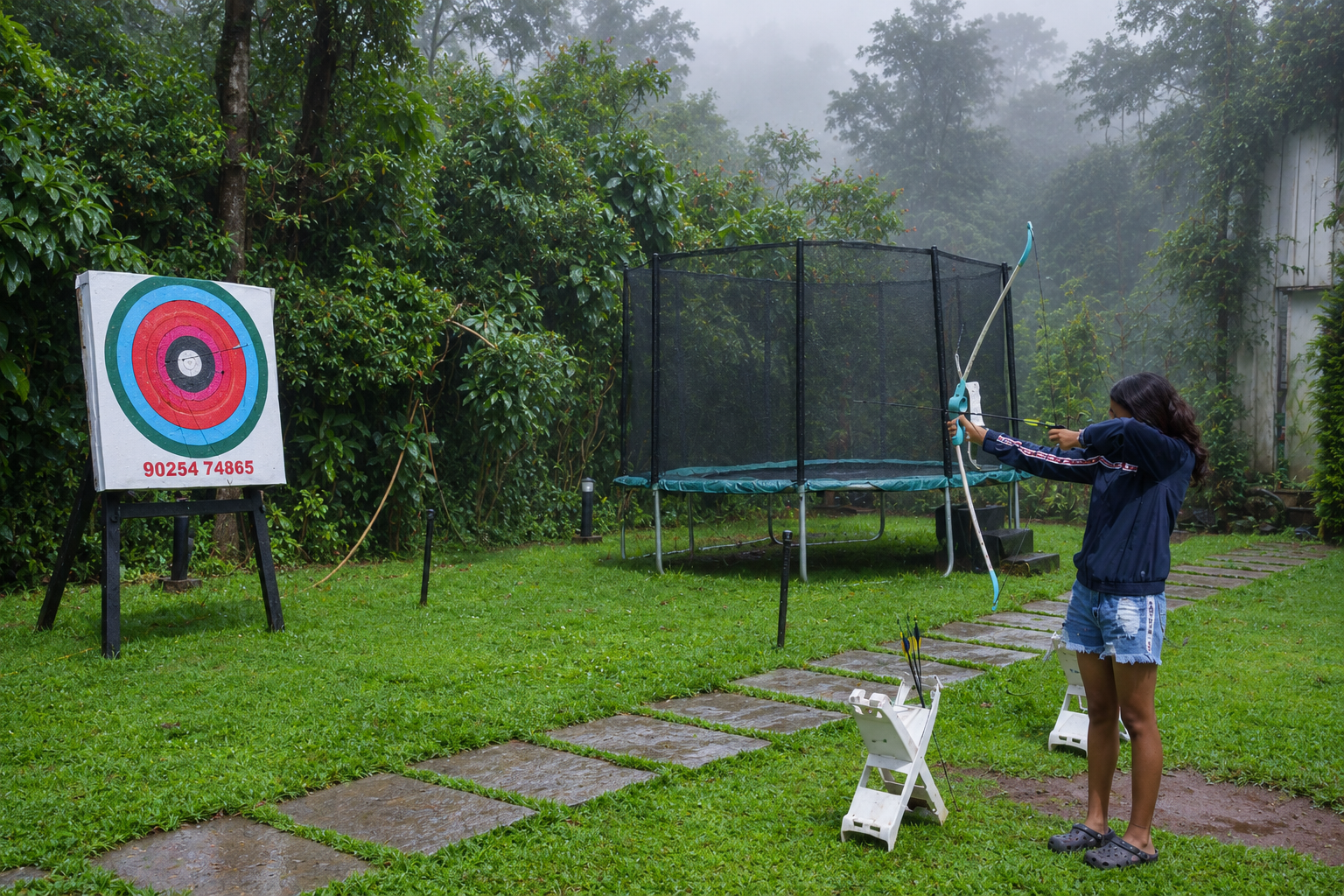
June to September – Monsoon & Lush Green Hills
The monsoon brings heavy rainfall to the Nilgiris, turning the surrounding plantations and forested slopes a deep, misty green. This season sees fewer tourists, cooler days, and dramatic cloud cover over the valleys, though outdoor activities and rail schedules may be affected by weather conditions, so it is worth checking ahead.
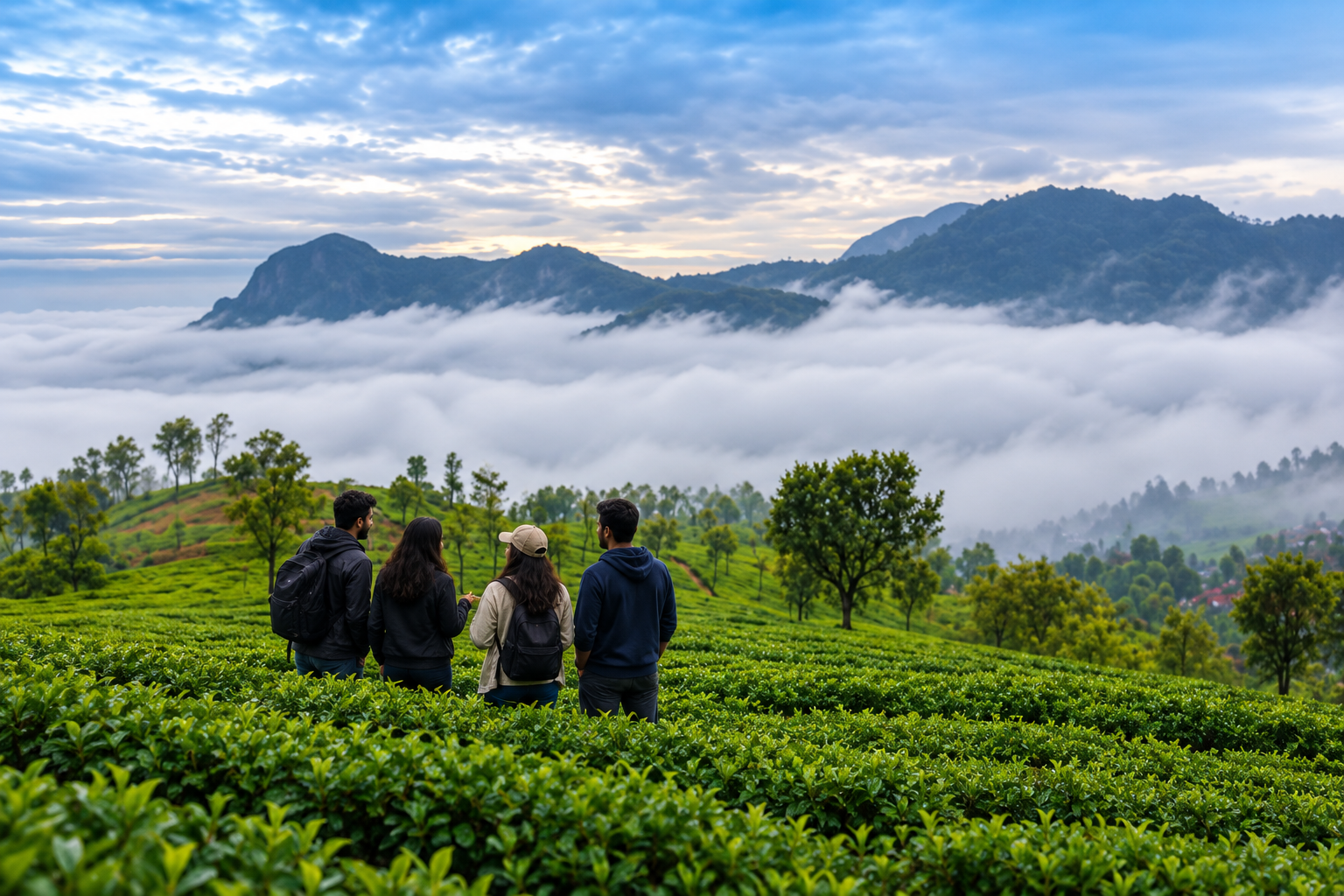
October to February – Winter, Cool & Crisp
Winter is the coolest period, with temperatures dropping between 5°C and 23°C and chilly mornings and nights, occasionally approaching near-frost conditions in December and January. This is peak season for travellers seeking misty views, quiet garden walks, and a classic mountain atmosphere around Christmas and New Year.
For pleasant weather and the best overall sightseeing, the summer months of March to May are ideal. If you prefer cooler, mistier mornings and don't mind packing warm layers, the winter stretch from October to February offers a crisp, classic feel. Travellers who enjoy lush greenery and quieter roads, and don't mind occasional rain, can consider the monsoon months of June to September for a refreshing change of pace in the hills.
Experiences
-
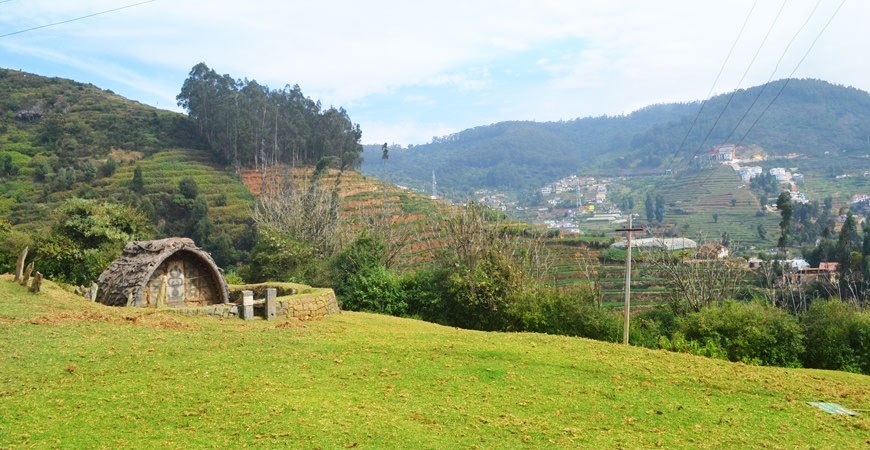
On Toda Trail - Glimpses of the Earliest Inhabitants of the Nilgiris.
The Todas, an ethnic group who used to live in the Nilgiris, migrated here more than 2000 years ago. Anthropologists believe that they evolved in seclusion.
-
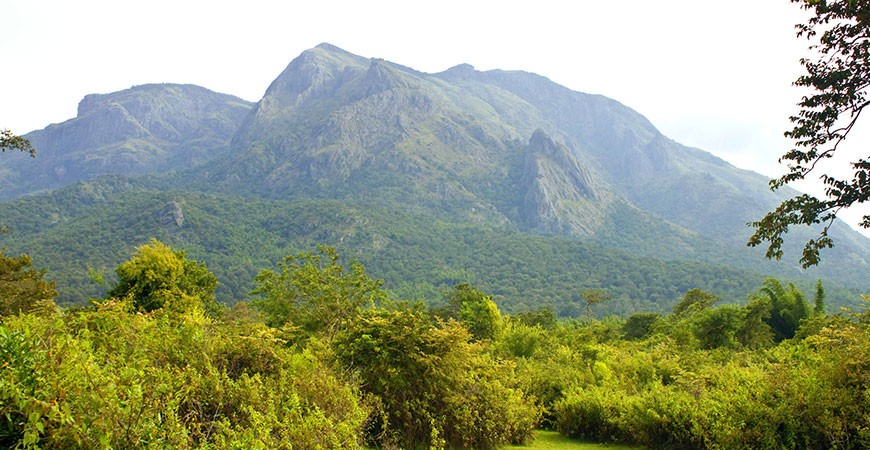
Mudumalai National Park- Step Into The Wilderness
Mudumalai National Park and Wildlife Sanctuary is a recognised tiger reserve. Nestled in the Nilgiris, it is home to many endangered species and is rich in flora and fauna.
-
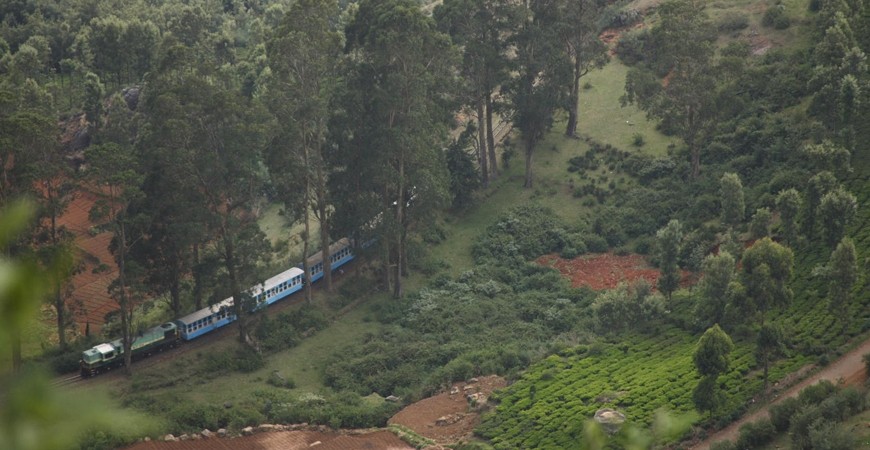
The Blue Mountain Express: The Steepest Track in Asia
The charming old world steam coaches, huffing and puffing against the blue and emerald hills of the Nilgiris, are a magnificent sight. Its thrilling to ride in one.
-
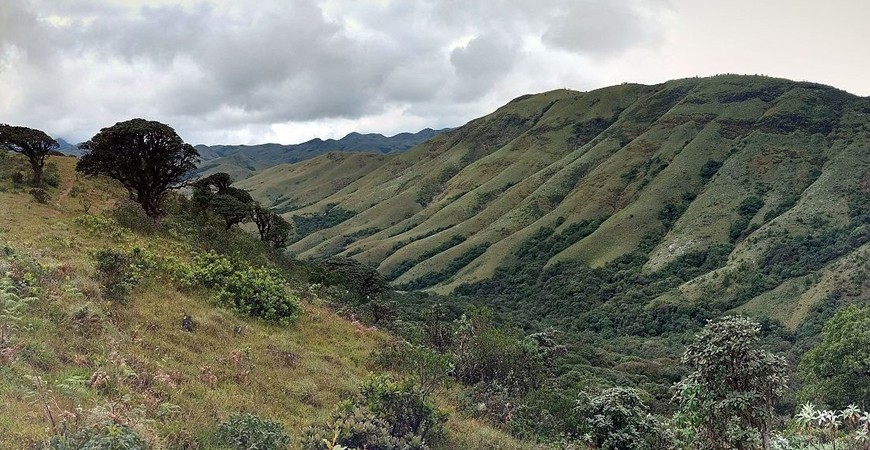
Mukurthi Trek: Nature's Balancing Act
Discover the treasures of the Shola Forest in Mukurthi National Park. Trek up to a stunning view of the peaks in the Nilgiris.
-
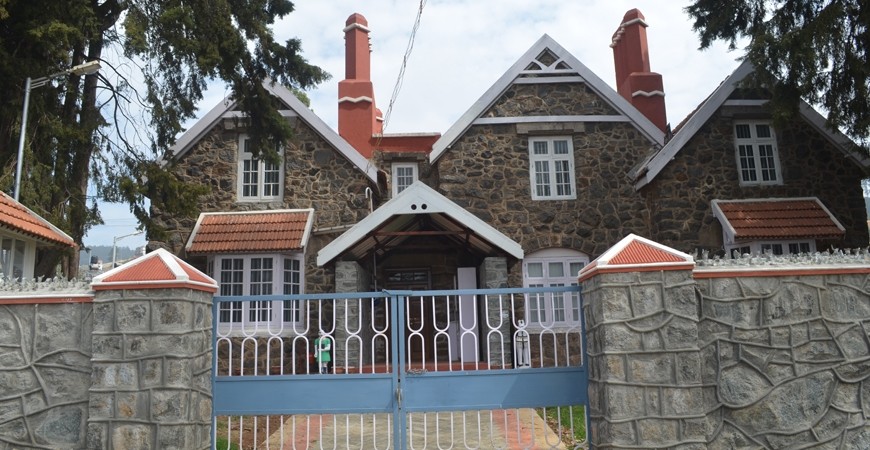
The Stone House and the Oak Tree: John Sullivan's Legacy
John Sullivan, the man who designed Ooty, built this picture-perfect bungalow for himself. This charming building, about 150 years old, also has an oak tree of the same age for its companion.
-
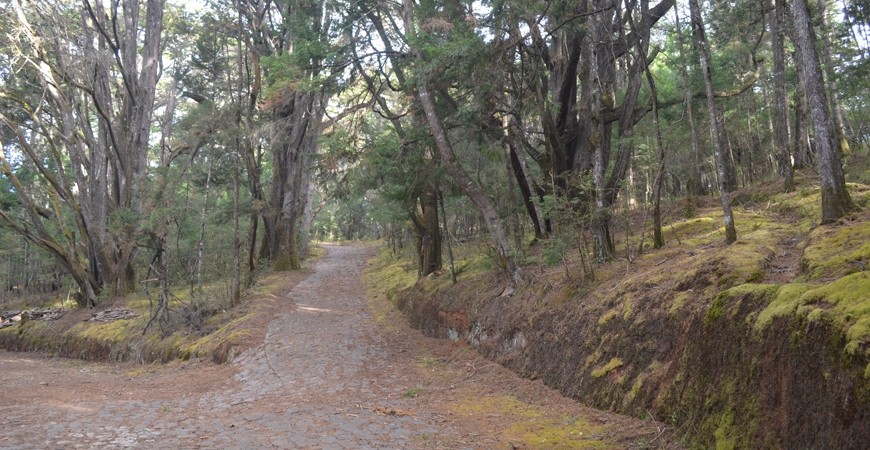
Cairn Hill: Reminiscence of the British Era
The forests of Cairn Hill are spread over 168 hectares and have a few of the original surviving cypress plantations from the British era.
-
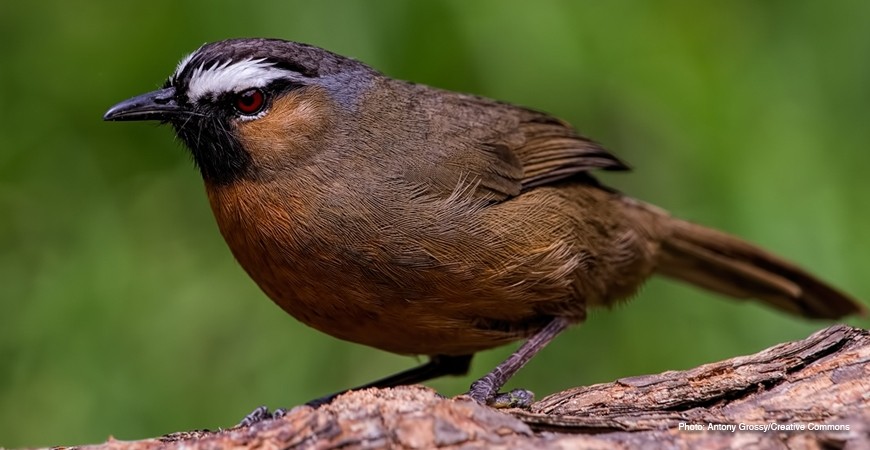
To Shoot a Mocking Bird: A Must Feat for Birdwatchers
The Nilgiri’s bird Laughingthrush is an artful dodger. Its mocking laughter challenges those in the vicinity. Though it is audible, it isn't easily visible.
-
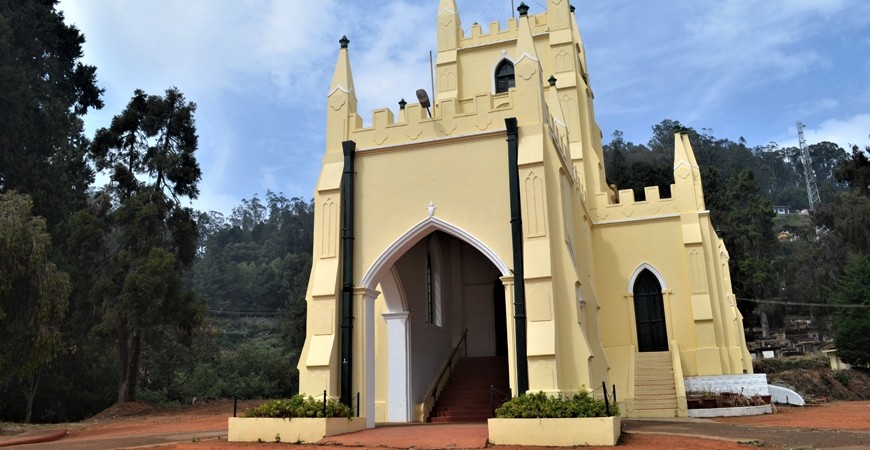
St. Stephen 's Church: A Reminder of Colonial Heritage
Made from wood stripped from Tipu’s Palace at Srirangapatna, St Stephen’s Church follows the Gothic style of architecture and has beautiful stained glass windows.
-
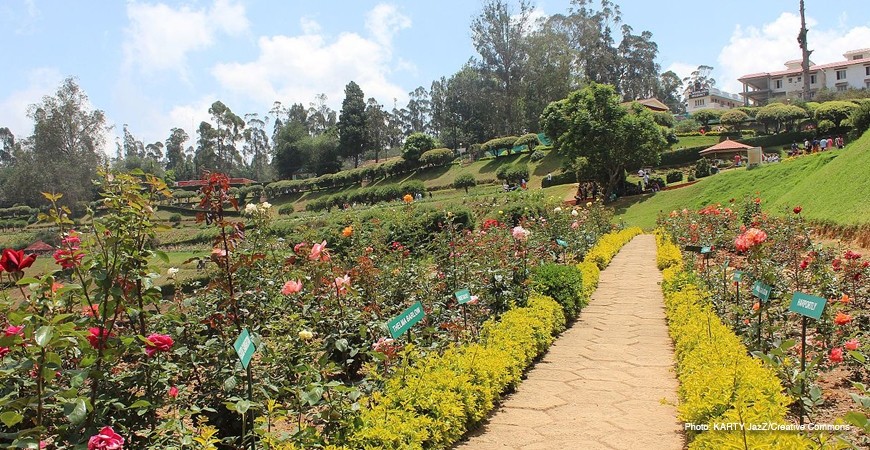
Rose Garden: A Wonderland of Roses
The Rose Garden of Ooty is India’s most renowned garden, sprawling across 10 acres on the slopes of Elk Hill, housing more than 20,000 varieties of roses.
-
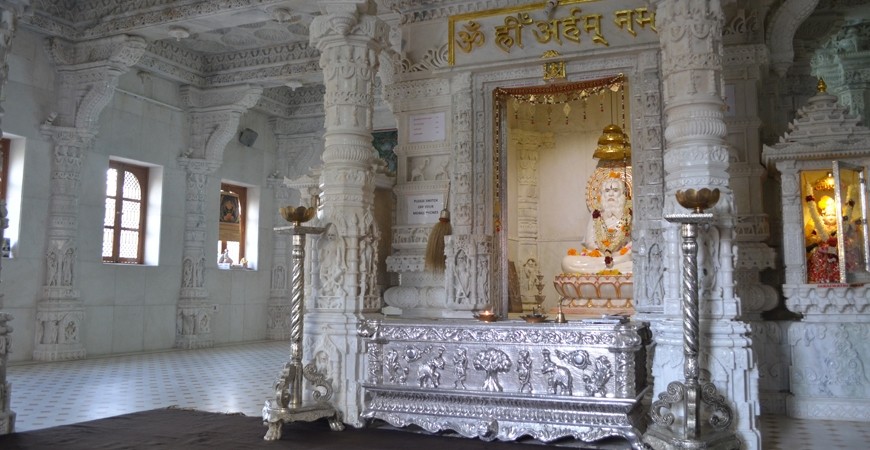
Jain Mandir: Soul and Solace
The Nasiyan Jain Temple, greatly revered by the Digambara sect of Jains, is dedicated to the first of the 24 Tirthankaras, Lord Rishabhdev.
-
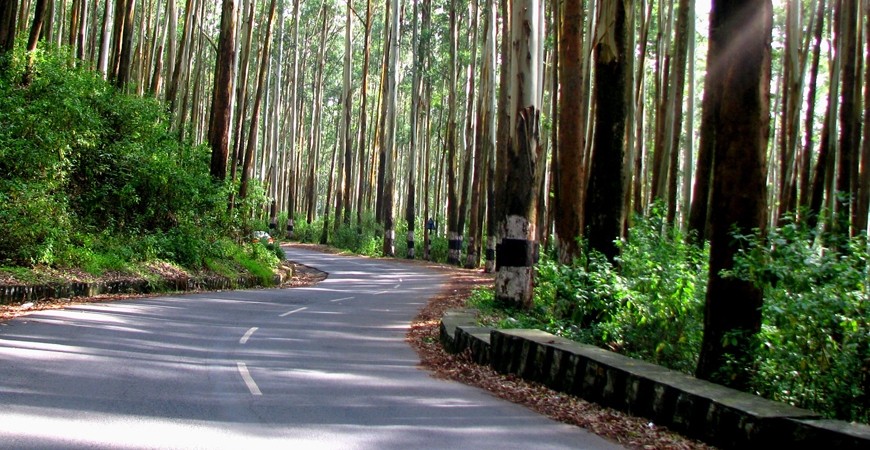
History Trails of Ooty: Colonial Era and Beyond
John Sullivan, the then district collector of Coimbatore is credited to have discovered this beautiful hill town nestled in the Nilgiris. A drive on the old Mysore road is a journey through the history of Ooty.
Must Do
-
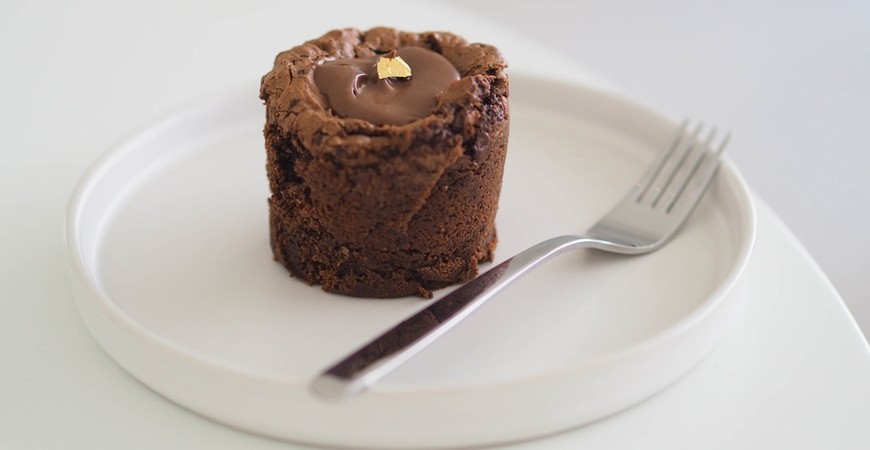
Kanasu: The Sustainability Dream
Kanasu, meaning ‘dream’ is a concept café that sells the idea of sustainability. It is a fun place that is seriously responsible.
-
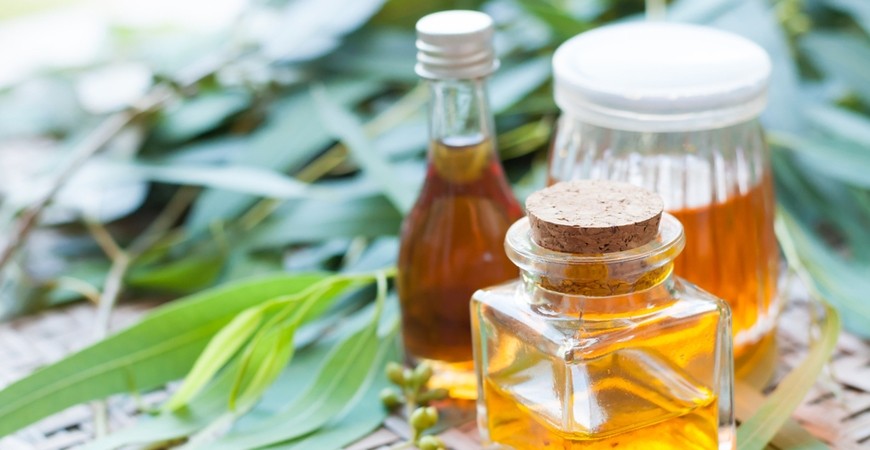
Oil Shacks: In the Woods.
While the town is full of shops selling essential oils, it is an interesting exercise to get Eucalyptus oil, at source.