


Best Places to Visit in Munnar for Tea Gardens and Wildlife Experiences
Perched between 1,500 and 2,695 metres in the Western Ghats of Kerala's Idukki district, Munnar is one of South India's most searched hill stations and a firm fixture on any list of tourism highlights for travellers planning a Kerala hill station holiday. The name itself comes from “moonu aaru,” Malayalam for three rivers, a nod to the confluence of the Muthirapuzha, Nallathanni and Kundala streams that meet close to the town. Once the summer retreat of the British administration in South India, the region was opened up for planting in the 1870s when the planter John Daniel Munro leased the Kannan Devan hills from the erstwhile Travancore royal family, laying the foundation for the tea plantations that still define the landscape today. For anyone researching the best places to visit in Munnar, the destination weaves colonial-era planting history, cool mountain air and some of India's most photographed tea gardens into one easy, well-connected itinerary.
The undisputed highlight is Eravikulam National Park, a 97 sq km reserve protecting the endangered Nilgiri tahr and home to Anamudi Peak, the highest point in South India at nearly 2,695 metres. Rolling tea estates blanket the surrounding slopes, and the Tata Tea Museum traces how this land turned into one of the country's largest tea-growing belts. Nature lovers time their trip around the rare Neelakurinji, a blue-flowering shrub that blooms only once every twelve years and last coloured the hills in 2018. Closer to town, Mattupetty Dam and Kundala Lake draw visitors for boating and reservoir views, while Top Station and Echo Point rank among the highest and most scenic viewpoints in the region. The destination sits within comfortable driving distance of Kochi, the nearest major city and airport hub, and can easily be paired with Thekkady or Kodaikanal on a longer Kerala itinerary.
Beyond its marquee sights, Munnar rewards travellers who slow down for its plantation villages and countryside drives. Settlements such as Chinnakanal, Devikulam and Pallivasal sit along quiet estate roads lined with tea bushes and silver oak, while the Kolukkumalai Tea Estate, among the highest tea factories in the world, remains a favourite for an early jeep ride to catch the sunrise over the ranges. With its cool year-round climate, spice and tea shopping in the main bazaar, and easy road links to Thekkady and Kodaikanal, Munnar continues to anchor most Kerala hill station itineraries, whether the trip is built around wildlife, plantation walks, or simply the mountain air.
Our Resort(s) at MUNNAR

Important Information
State: Kerala
District: Idukki
Destination Type: Hill Station
Nearest Airport: Cochin International Airport, Kochi (107 km from Munnar town)
Nearest Railway Station: Aluva Railway Station, on the outskirts of Kochi (108 km)
Road Connectivity: Well connected via NH85 from Kochi, and by the Munnar-Bodinayakanur and Theni routes from Madurai in Tamil Nadu
Languages: Malayalam, English, with Tamil widely understood
Summer (March to May): A comfortable 15°C to 26°C with pleasant evenings; good for sightseeing before the rains set in
Monsoon (June to September): Heavy south-west monsoon rain keeps the tea estates lush and waterfalls full, though it can affect road conditions and treks
Winter(October to February): Cool and crisp, dropping to around 11°C with chilly early mornings; the busiest season for sightseeing
● Entry to Eravikulam National Park is regulated and ticketed, so check timings and book ahead, especially on weekends and during peak season.
● Carry warm layers even though Munnar is in coastal Kerala; nights can turn genuinely cold, particularly between October and February.
● Ghat roads to Top Station and other viewpoints can get foggy early in the morning, so factor in extra travel time and drive carefully.
● The Neelakurinji shrub blooms only once every twelve years, last seen in 2018 and next expected around 2030, so it's not something to plan a trip around outside that window.
● Estate walks and jeep safaris are best booked through the resort a day ahead, as slots are limited during high season.
Quick Facts
Our Resort In Munnar

Sterling Munnar
Set across a 14.2-acre hillside overlooking Chinnakanal Lake, Sterling Munnar sits right outside the Chinnakanal tea estate in the quiet settlement of Chinnakanal, on the higher, mistier fringe of the destination sometimes called the region's own “mist capital.” The resort's 136 well-appointed rooms and suites, including family and lake-view options, look out over terraced tea plantations, and the garden here regularly draws bulbuls, wagtails, wood pigeons and other birds, making it a favourite for casual birdwatching. Guests can unwind at the in-house Spa, sample Kerala classics such as Karimeen Mappas at the Planter's Kitchen multi-cuisine restaurant, and keep children entertained at the Holiday Activity Centre and outdoor play area.
Location & Information
State: Kerala
District: Idukki
Destination Type: Hill Station
Nearest Airport: Cochin International Airport, Kochi (107 km from Munnar town)
Nearest Railway Station: Aluva Railway Station, on the outskirts of Kochi (108 km)
Road Connectivity: Well connected via NH85 from Kochi, and by the Munnar-Bodinayakanur and Theni routes from Madurai in Tamil Nadu
Languages: Malayalam, English, with Tamil widely understood
● Entry to Eravikulam National Park is regulated and ticketed, so check timings and book ahead, especially on weekends and during peak season.
● Carry warm layers even though Munnar is in coastal Kerala; nights can turn genuinely cold, particularly between October and February.
● Ghat roads to Top Station and other viewpoints can get foggy early in the morning, so factor in extra travel time and drive carefully.
● The Neelakurinji shrub blooms only once every twelve years, last seen in 2018 and next expected around 2030, so it's not something to plan a trip around outside that window.
● Estate walks and jeep safaris are best booked through the resort a day ahead, as slots are limited during high season.
Summer (March to May): A comfortable 15°C to 26°C with pleasant evenings; good for sightseeing before the rains set in
Monsoon (June to September): Heavy south-west monsoon rain keeps the tea estates lush and waterfalls full, though it can affect road conditions and treks
Winter(October to February): Cool and crisp, dropping to around 11°C with chilly early mornings; the busiest season for sightseeing
Gallery


Best Time to Visit

March to May - Summer & Pleasant Evenings
Summer is a comfortable window for sightseeing, with daytime temperatures ranging between roughly 15°C and 26°C and evenings turning genuinely pleasant. Clear mornings make this a good stretch for visiting Eravikulam National Park, the Tata Tea Museum, and the viewpoints around Top Station, before the rains set in.
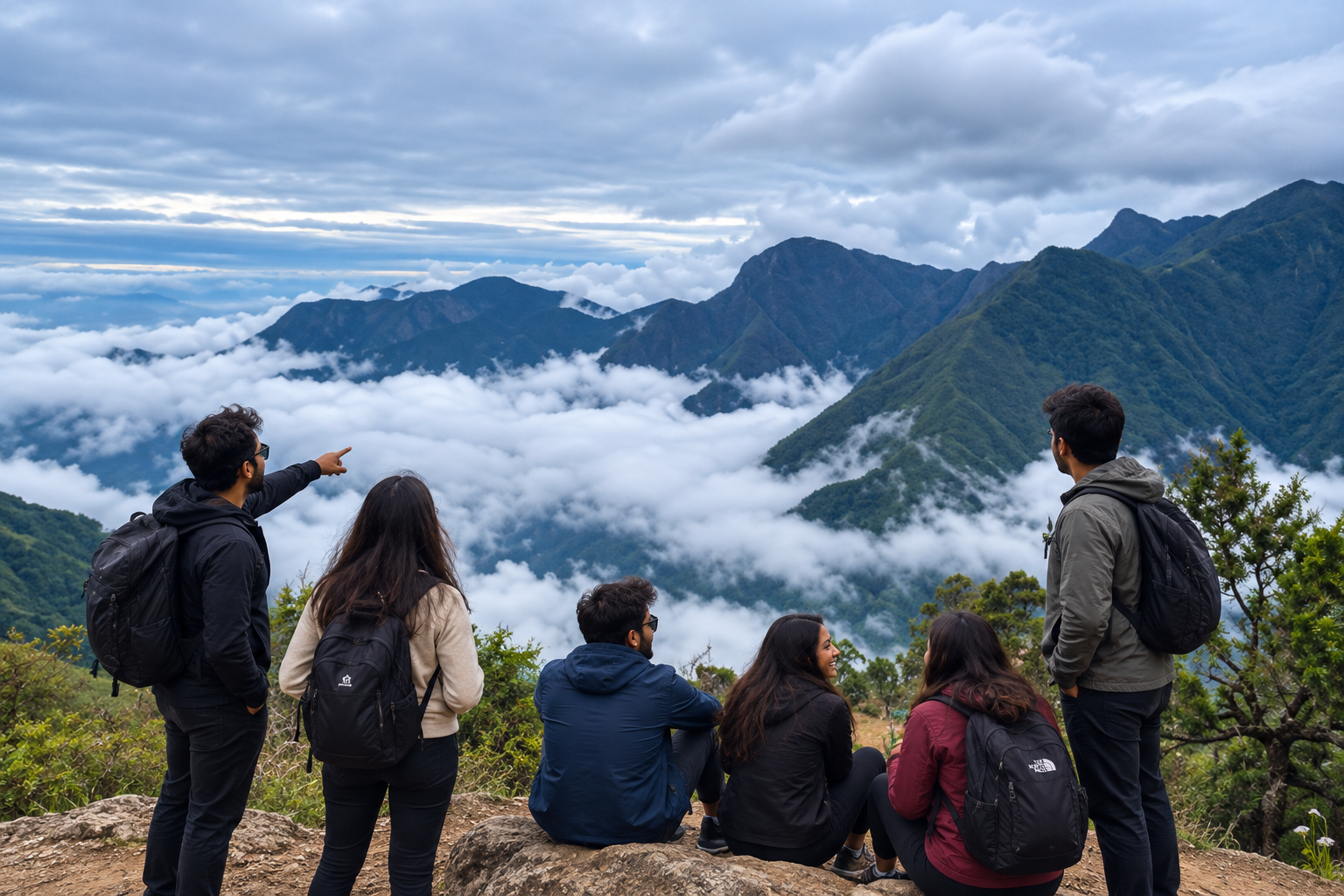
June to September - Monsoon & Lush Green Hills
The southwest monsoon turns Munnar's tea plantations and forested slopes a deep, misty green, with waterfalls such as Attukad running at their fullest. Tourist numbers thin out considerably in this period, but heavy rain can affect road conditions and outdoor activities, so it is worth checking ahead before planning a trek or a dam visit.
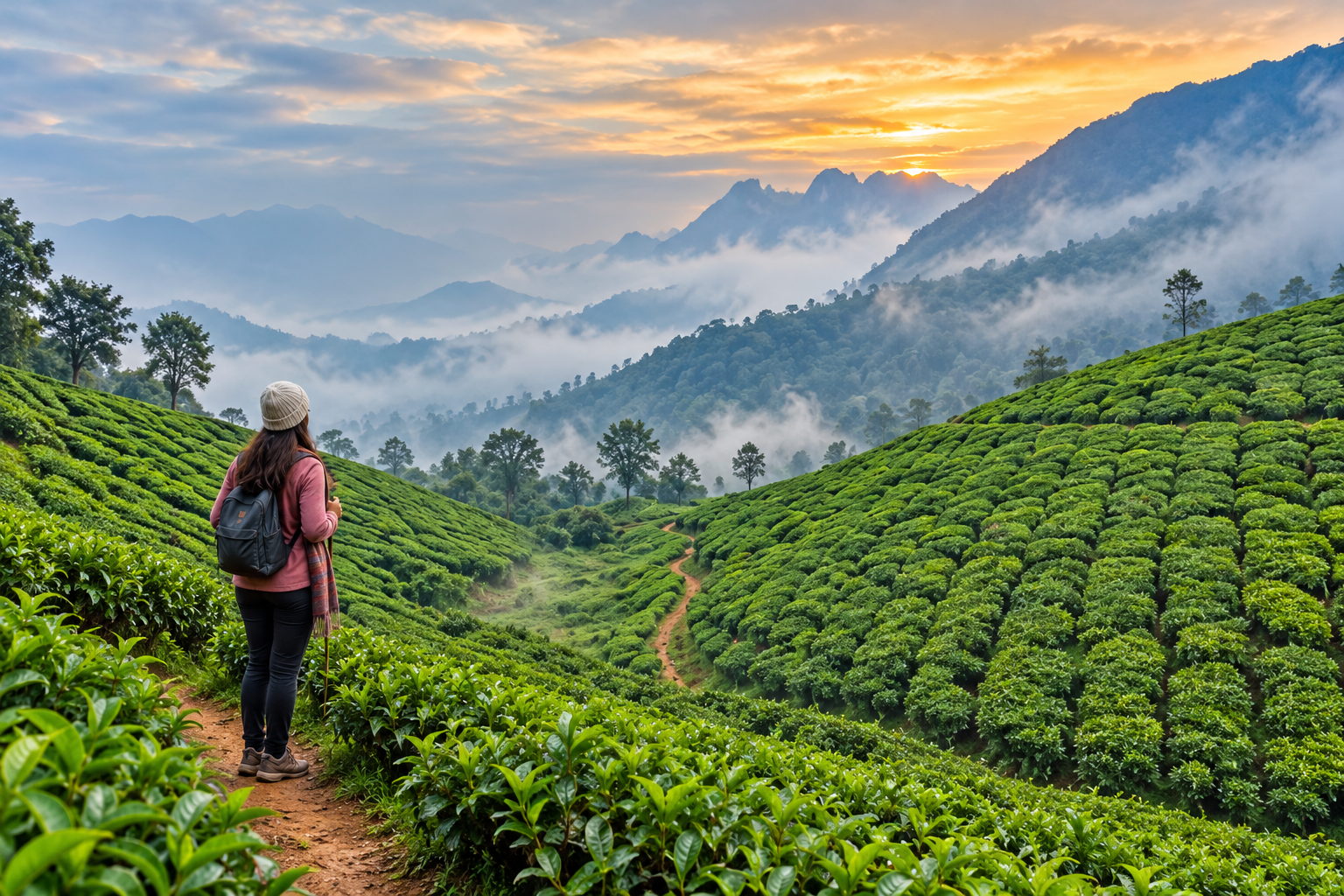
October to February - Winter, Cool & Crisp
Winter is the coolest and busiest season, with temperatures dropping to around 11°C and chilly winds sweeping across the hills, especially in the early mornings. This is peak season for travellers chasing misty viewpoints, quiet plantation walks, and a classic hill-station atmosphere around Christmas and New Year.
For the clearest skies and easiest sightseeing across Eravikulam National Park, Mattupetty Dam and Top Station, the winter months of October to February are hard to beat, though they also draw the biggest crowds. Travellers who prefer milder days and blooming gardens can plan around March to May, while those chasing lush, photogenic greenery and don't mind occasional rain will enjoy the quieter monsoon stretch from June to September.