


Best Places to Visit in Mussoorie for Himalayan Views and Colonial Hill Station Charm
Perched at over 2,000 metres in the Garhwal Himalayas, Mussoorie has earned its nickname 'Queen of the Hills' and remains one of North India's most searched hill-station getaways for travellers researching places to visit in Mussoorie. Just over 30 km from Dehradun, the town traces its origins to 1827, when Captain Frederick Young of the Gorkha regiment built a hunting lodge here and unwittingly founded what grew into Mussoorie and its original cantonment, Landour.
The town's best-known draw is the Winterline, a rare band of orange and yellow light that appears on the horizon at sunset each winter and is visible from only a handful of places worldwide, drawing crowds to viewpoints such as Lal Tibba, George Everest House and Cloud's End between mid-October and January. Mall Road remains the town's social spine, home to the Cambridge Book Depot linked to author Ruskin Bond, while a short hike or ropeway ride leads up to Gun Hill, the second-highest point in town. Adventure travellers head out to Kempty Falls and the lesser-known Jharipani Falls, both roughly a half-hour drive away, or wander the flower-lined paths of Company Garden, before exploring the pine forests and colonial cottages of Landour; the destination sits within easy driving distance of Dehradun, Rishikesh and Haridwar for a longer Uttarakhand itinerary.
Just above the main town, the quieter lanes of Landour hide Christ Church, one of the oldest churches in the Himalayas, along with century-old bakeries and bookstores that still draw browsing crowds. A short walk along Camel's Back Road takes visitors past old colonial cemeteries and pine groves, while the reputedly haunted Lambi Dehar Mines offer an offbeat detour for the more adventurous. Beyond the town, day trips extend to the terraced orchards and paragliding slopes of Dhanaulti, or further downhill to Rishikesh for river rafting on the Ganga, making Mussoorie a convenient base for a wider Garhwal Himalayan trip.
Our Resort(s) at MUSSOORIE

Important Information
State: Uttarakhand
District: Dehradun
Destination Type: Hill Station
Nearest Airport: Dehradun, about 63 km from the resort
Nearest Railway Station: Dehradun Railway Station, about 38 km from the resort
Road Connectivity: Well connected via NH707 and the Dehradun-Mussoorie Road
Languages: Garhwali , Gorkhali, Kumaoni, Hindi and English
Summer (March to June): Pleasant days between 15°C and 30°C, ideal for sightseeing and outdoor walks.
Monsoon (July to September): Heavy rainfall with temperatures around 20°C to 24°C; landslides possible on hill roads.
Winter (October to February): Cold and crisp, dropping to sub-zero at night, with occasional snowfall and the Winterline visible at sunset.
• Time a winter visit between mid-October and February to catch the Winterline at sunset from viewpoints such as Lal Tibba or Gun Hill.
• Carry warm layers year-round, since evenings turn chilly quickly at this altitude even in summer.
• Book a cab or rent a scooter in advance for the winding drive to Kempty Falls, since roads narrow considerably outside the main town.
• Avoid travelling during heavy monsoon spells between July and September, when landslides can disrupt the Dehradun-Mussoorie road.
• Walk Camel's Back Road in the early evening for quieter Himalayan views away from the Mall Road crowds.
Quick Facts
Our Resort in Mussoorie
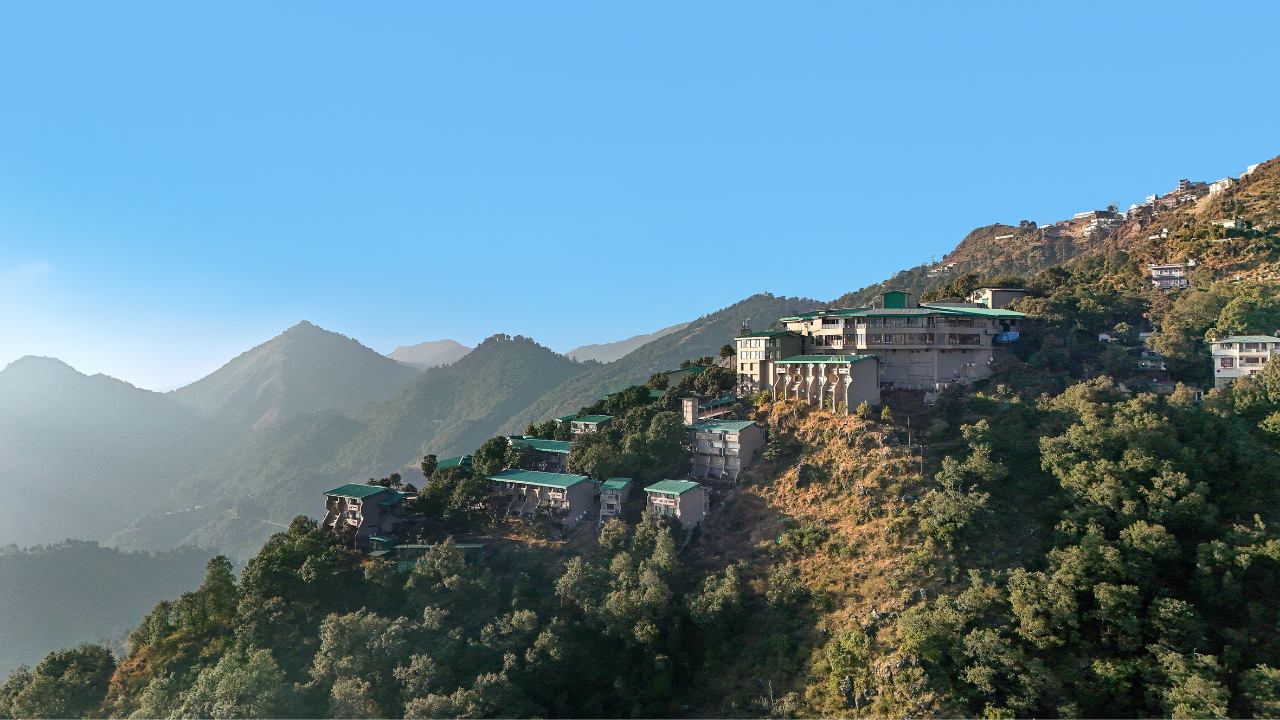
Sterling Mussoorie
Sterling Mussoorie is a 5.5-acre cliff-top resort offering sweeping views over the Doon Valley and its famous Winterline. The property has 115 rooms, most fitted with a large picture window, giving guests a choice between valley-facing rooms overlooking the Himalayan foothills or standard rooms set further back from the cliff edge. Guests can spend an afternoon at the Discovery Central activity zone, try zip-lining, rope adventures and target shooting at the resort's Holiday Activity Centre, or unwind with a treatment at the on-site spa. The Doon Diner restaurant serves Garhwali cuisine such as Pahari Rajma and Lauki ke Kofte alongside Satvik, Indian and international dishes, and evenings often wind down at the amphitheatre with a bonfire or DJ night.
Location And Information
State: Uttarakhand
District: Dehradun
Destination Type: Hill Station
Nearest Airport: Dehradun, about 63 km from the resort
Nearest Railway Station: Dehradun Railway Station, about 38 km from the resort
Road Connectivity: Well connected via NH707 and the Dehradun-Mussoorie Road
Languages: Garhwali , Gorkhali, Kumaoni, Hindi and English
• Time a winter visit between mid-October and February to catch the Winterline at sunset from viewpoints such as Lal Tibba or Gun Hill.
• Carry warm layers year-round, since evenings turn chilly quickly at this altitude even in summer.
• Book a cab or rent a scooter in advance for the winding drive to Kempty Falls, since roads narrow considerably outside the main town.
• Avoid travelling during heavy monsoon spells between July and September, when landslides can disrupt the Dehradun-Mussoorie road.
• Walk Camel's Back Road in the early evening for quieter Himalayan views away from the Mall Road crowds.
Summer (March to June): Pleasant days between 15°C and 30°C, ideal for sightseeing and outdoor walks.
Monsoon (July to September): Heavy rainfall with temperatures around 20°C to 24°C; landslides possible on hill roads.
Winter (October to February): Cold and crisp, dropping to sub-zero at night, with occasional snowfall and the Winterline visible at sunset.
Gallery


Best Time To Visit
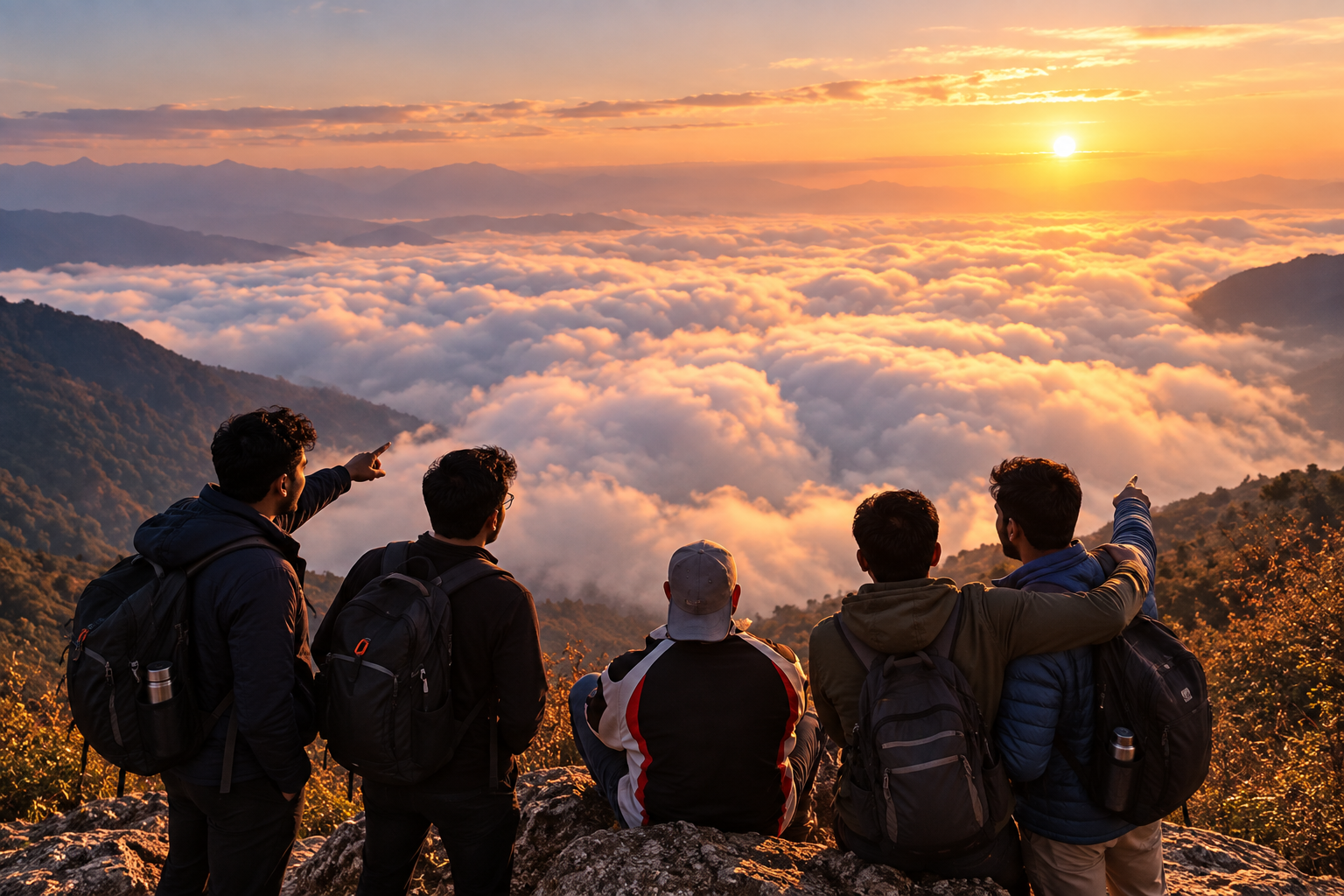
March to June – Summer & Peak Sightseeing Season
Summer brings Mussoorie its most pleasant weather, with days ranging between 15°C and 30°C, ideal for walking Mall Road, riding the Gun Hill ropeway and exploring Camel's Back Road. This season also suits day trips to Kempty Falls and the George Everest House, since the hill roads stay clear and driving conditions are at their best. Evenings still turn cool, so light woollens are worth packing even in peak summer.
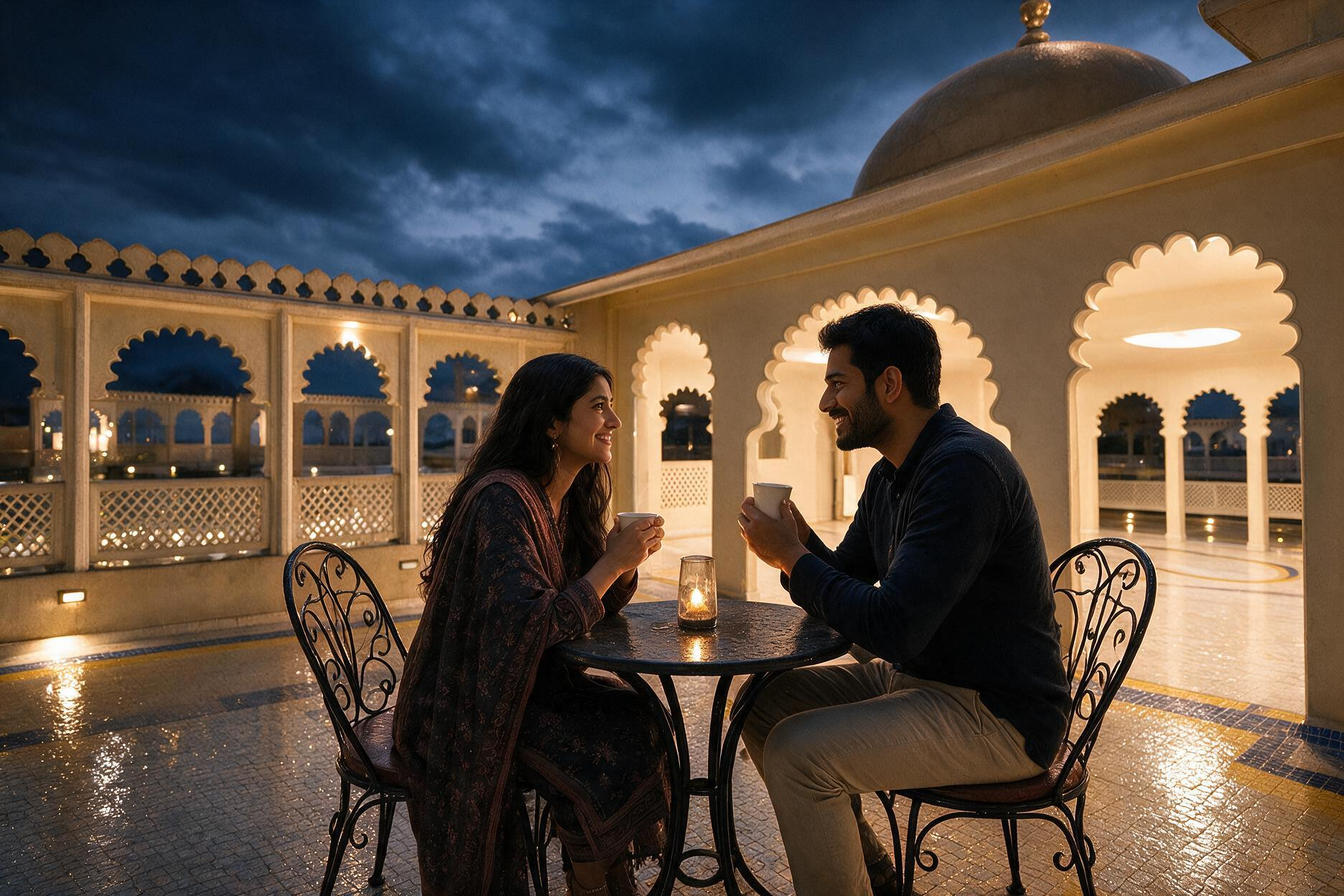
July to September – Monsoon & Lush Green Hills
The monsoon turns the Doon Valley and surrounding pine forests a deep, misty green, with temperatures holding between 20°C and 24°C. Heavy rainfall can trigger landslides on the Dehradun-Mussoorie road, so this season suits travellers who don’t mind occasional disruptions in exchange for quieter viewpoints and lush scenery. It is generally considered the least favourable season for a first visit.
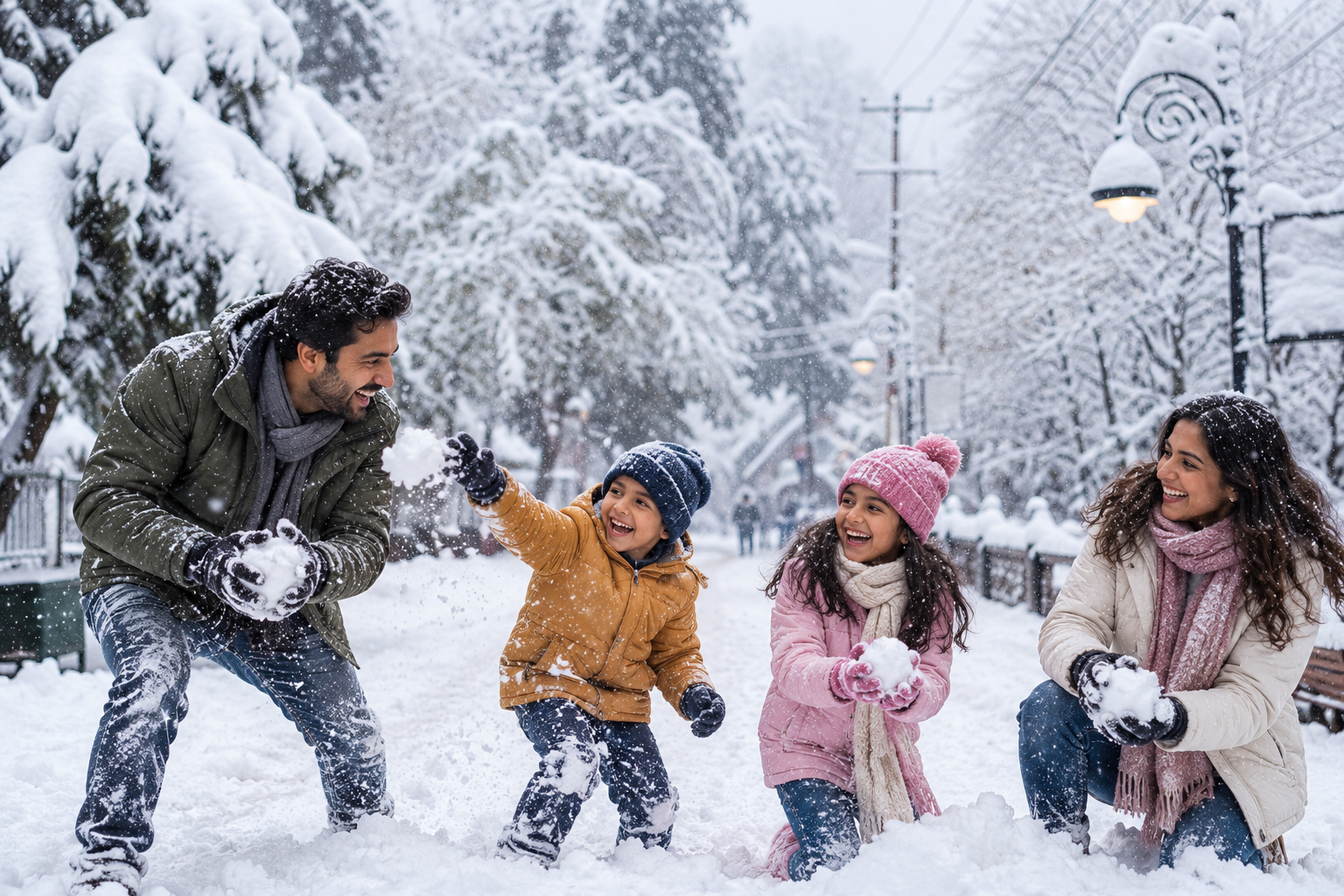
October to February – Winter & Winterline Season
Winter is Mussoorie's coldest stretch, with night temperatures dropping to sub-zero and occasional snowfall dusting Lal Tibba and Gun Hill. This is also when the Winterline phenomenon lights up the evening sky, drawing photographers and travellers to viewpoints such as George Everest House and Cloud's End, with the town hosting its Winterline Carnival every December. Warm layers are essential, but the crisp air and mountain views make it a favourite season for winter getaways.
For classic hill-station weather and the widest choice of outdoor activities, the summer months of March to June are the best time to visit Mussoorie. Travellers chasing the Winterline and a crisp, wintry atmosphere should plan a trip between October and February, while the monsoon months of July to September are best avoided due to the risk of landslides on hill roads.