


Best Places to Visit in Sariska for Tiger Reserve and Aravalli Fort Trails
Tucked into the rocky folds of the Aravalli Range in Rajasthan's Alwar district, Sariska is one of North India's most searched tiger destinations, prized for putting a wildlife safari within easy striking distance of Jaipur and Delhi. Once a royal hunting ground of the Alwar rulers, the forest became a wildlife sanctuary in 1958 and a full Project Tiger reserve in 1978, and it later earned a place in conservation history as the first reserve in the world to successfully relocate tigers back into the wild. For anyone researching places to visit in Sariska, the destination pairs a genuine shot at a tiger sighting with a landscape of forts, temples, and dry deciduous forest that few other reserves can match.
At its heart, the Sariska Tiger Reserve spans a core zone of roughly 880 sq. km, threaded with jeep and canter safari routes that also turn up leopards, sambar, nilgai, and over 200 recorded bird species. Inside the reserve's boundaries, the 17th-century Kankwari Fort once held a Mughal prince prisoner, while Pandupol, a shrine to Lord Hanuman set beside a forest stream, draws pilgrims who trace it to a Mahabharata legend. Just outside the core zone, the picturesque Siliserh Lake, built by Maharaja Vinay Singh in 1845, and the eerie ruins of Bhangarh Fort, often called India's most haunted site, round out a well-paced itinerary. The reserve sits around 107 km from Jaipur and roughly 216 km from Delhi, making it a popular add-on to a Golden Triangle or Rajasthan wildlife circuit.
History runs deep in the surrounding Alwar countryside too, from the hilltop Bhartrihari Temple, dedicated to a legendary king-turned-ascetic, to the carved Neelkanth temples hidden in the forest and the fortified town of Thanagazi on the reserve's edge. The nearby city of Alwar adds its own heritage layer with palaces, step-wells, and a reputation for melt-in-the-mouth Kalakand sweets, while seasonal events like the Alwar Festival and Matsya Festival bring folk music and local colour to the region. Together, this mix of tiger territory, royal ruins, and Aravalli scenery keeps Sariska firmly on the map for wildlife tourism in Rajasthan.
Our Resort(s) at SARISKA

Important Information
State: Rajasthan
District: Alwar, in the Aravalli Range
Destination Type: Jungle
Nearest Airport: Jaipur International Airport (100 km)
Nearest Railway Station: Alwar Junction is the closest, with Jaipur Railway Station (105 km) also well connected for onward travel
Road Connectivity: Well connected via the Delhi–Jaipur Highway (NH48), Sariska is located approximately 107 km from Jaipur and 216 km from Delhi, making it an accessible getaway from both cities.
Languages: Hindi, English and Rajasthani
Summer (April to June): Hot and dry, between 25°C and 46°C, with the sharpest heat through May and June
Monsoon (July to September): Moderate, sporadic rainfall cools the hills, though core zone safaris are often limited during this period
Winter (October to March): Cool and pleasant, between 10°C and 27°C with colder nights, and the most popular season for wildlife safaris
● Book safari slots in advance, especially in peak winter months, since jeep and canter permits inside the Sariska Tiger Reserve are limited each day.
● Plan safaris for early morning or late afternoon, when tigers and other wildlife are most active and the light is best for photography.
● Carry water, sunscreen, and a light jacket even in winter, since early morning safari rides can be chilly despite warm daytime temperatures.
● Core zone safaris are usually suspended during the monsoon months, so check availability before building a trip around a July to September visit.
● Stop in Alwar city on the way in or out for its famous Kalakand sweets, a local speciality worth tasting.
Quick Facts
Our Resort In Sariska
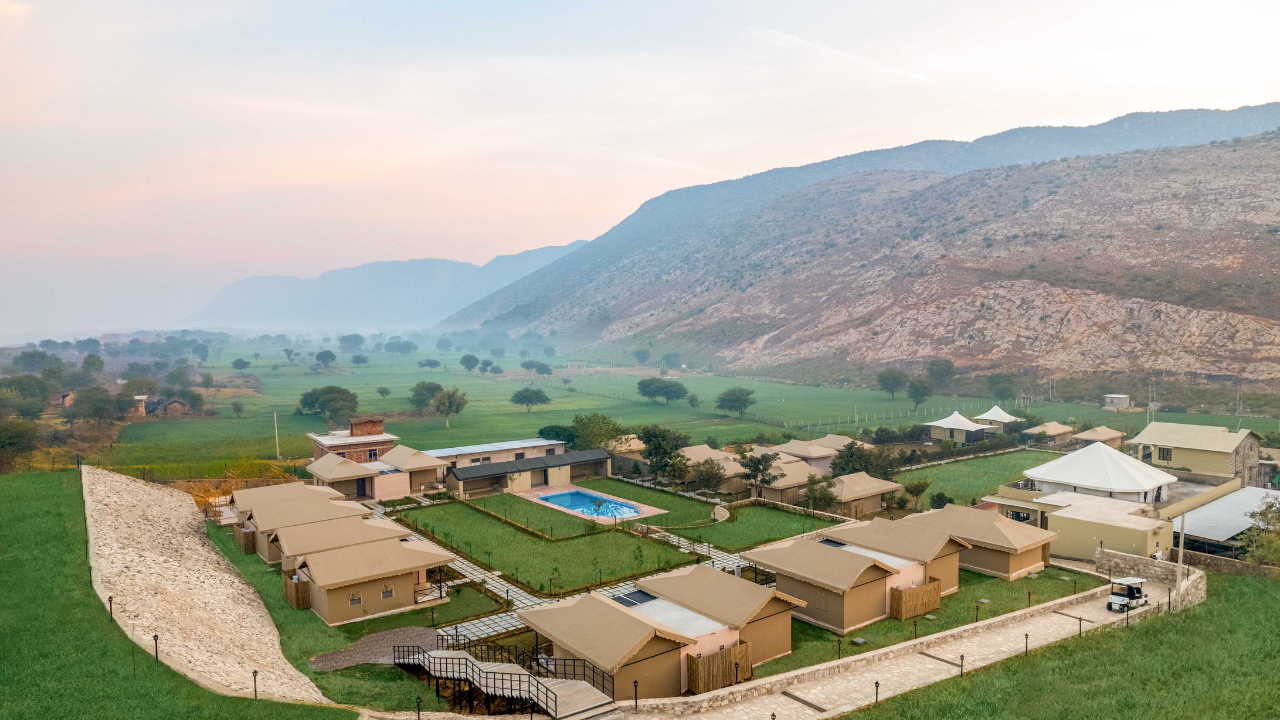
Sterling Rewild Sariska
Set on 13 acres on the edge of the Sariska Tiger Reserve, just outside the old town of Thanagazi, Sterling Rewild is a 32-key property with Garden View Stallion Tents with Sit-Out and Mountain View Antler Tents with Outdoor Shower and Sit-Out, while its exclusive Mountain View Tiger Villas with Plunge Pool take the concept further with open-air decks built for total privacy. Guests can also unwind at the swimming pool with its Aravalli backdrop, or dine at The Crust, the resort's restaurant, which serves a mix of Rajasthani specialities and global comfort food with mountain views.
Location & Information
State: Rajasthan
District: Alwar, in the Aravalli Range
Destination Type: Jungle
Nearest Airport: Jaipur International Airport (100 km)
Nearest Railway Station: Alwar Junction is the closest, with Jaipur Railway Station (105 km) also well connected for onward travel
Road Connectivity: Well connected via the Delhi–Jaipur Highway (NH48), Sariska is located approximately 107 km from Jaipur and 216 km from Delhi, making it an accessible getaway from both cities.
Languages: Hindi, English and Rajasthani
● Book safari slots in advance, especially in peak winter months, since jeep and canter permits inside the Sariska Tiger Reserve are limited each day.
● Plan safaris for early morning or late afternoon, when tigers and other wildlife are most active and the light is best for photography.
● Carry water, sunscreen, and a light jacket even in winter, since early morning safari rides can be chilly despite warm daytime temperatures.
● Core zone safaris are usually suspended during the monsoon months, so check availability before building a trip around a July to September visit.
● Stop in Alwar city on the way in or out for its famous Kalakand sweets, a local speciality worth tasting.
Summer (April to June): Hot and dry, between 25°C and 46°C, with the sharpest heat through May and June
Monsoon (July to September): Moderate, sporadic rainfall cools the hills, though core zone safaris are often limited during this period
Winter (October to March): Cool and pleasant, between 10°C and 27°C with colder nights, and the most popular season for wildlife safaris
Gallery


Best Time To Visit
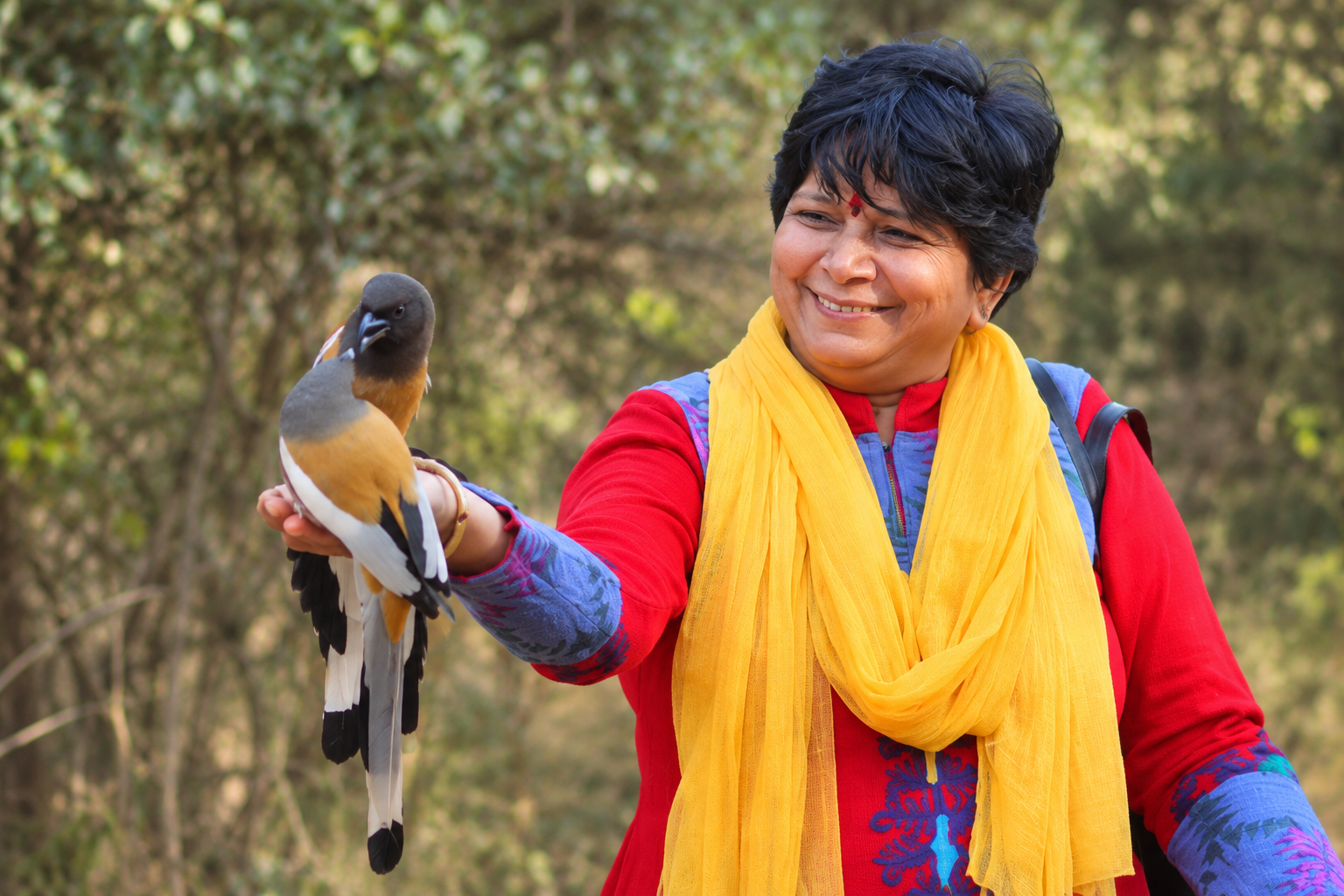
October to March - Winter, Peak Safari Season
This is Sariska's most popular stretch, with cool days and colder nights that make jeep and canter safaris genuinely comfortable. Wildlife activity peaks in the mornings and late afternoons, giving visitors the best odds of spotting a tiger, leopard, or one of the reserve's many resident bird species.
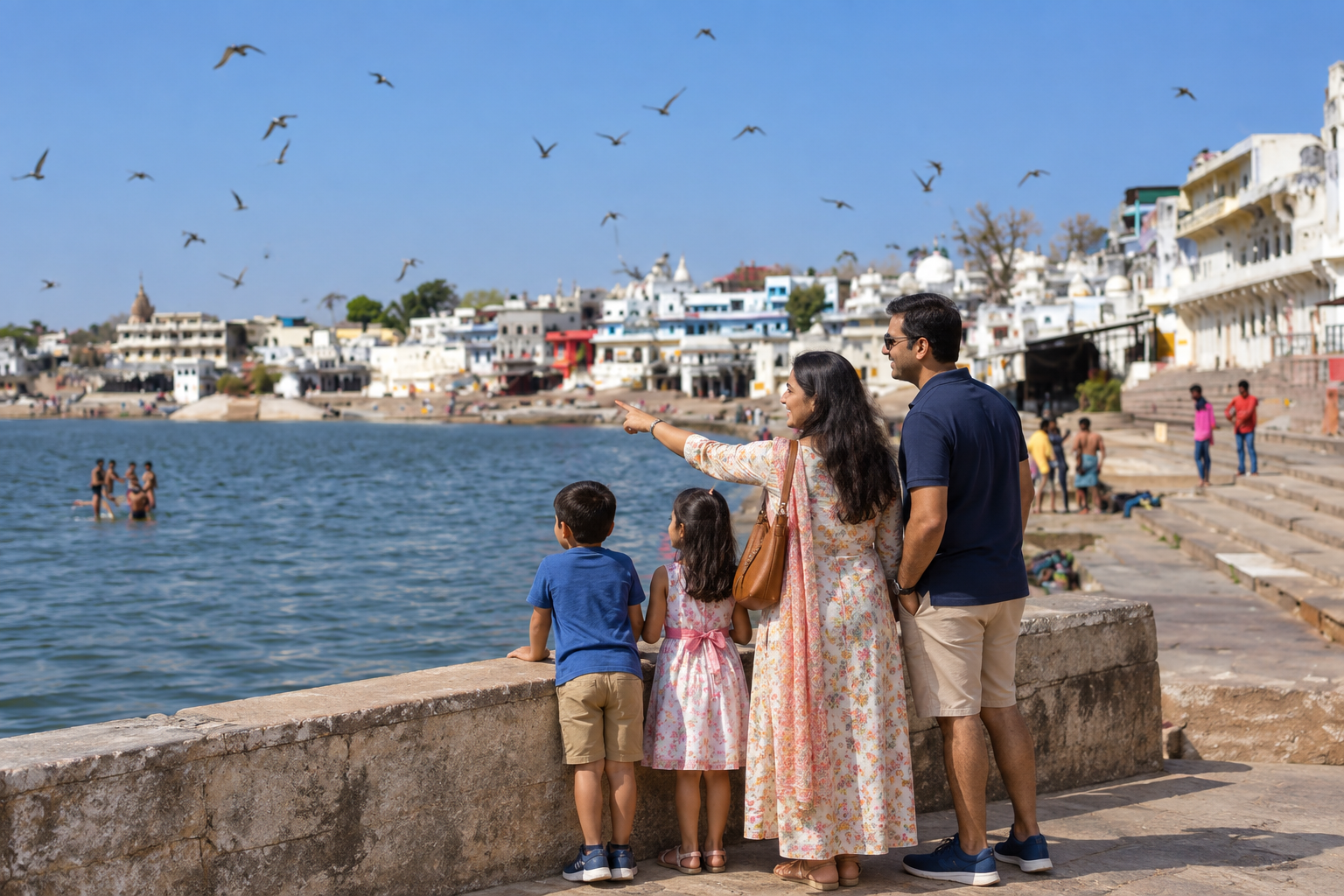
April to June - Summer, Hot & Dry Season
Summer brings intense heat, often climbing past 40°C, but it is also prime time for wildlife sightings near waterholes as animals gather to drink. Early morning safaris remain the best window for comfort, and this quieter season suits travellers who don't mind the heat in exchange for lighter crowds.
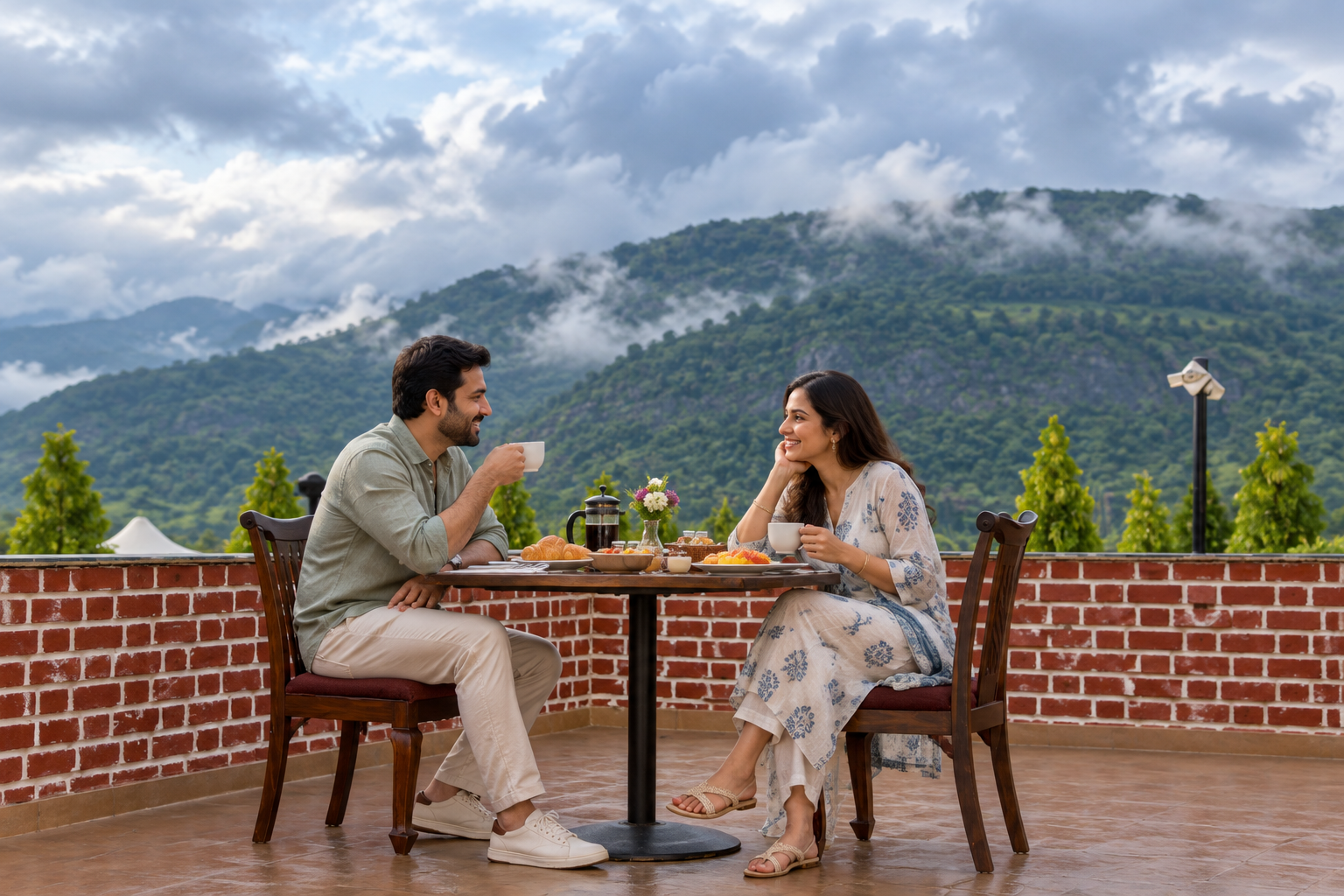
July to September - Monsoon Season
Sporadic monsoon rain turns the Aravalli hills green and brings a welcome drop in temperature, though core zone safaris are frequently restricted during this period. Travellers visiting now can still explore Siliserh Lake and the region's forts, making it a workable off-season option for a quieter trip.
For the best chance at a tiger sighting and the most comfortable safari conditions, plan a visit between October and March. Summer from April to June can still reward patient wildlife watchers near waterholes, while the monsoon months of July to September suit travellers more interested in forts, temples, and the lake than jungle drives.