


Best Places to Visit in the Golden City for Fort Views and Thar Desert Safaris
Founded in the 12th century by Maharawal Jaisal Singh, this fortified city on the edge of the Thar Desert earned its nickname, the Golden City, from the honey-hued sandstone that its forts and havelis are carved from. Once a thriving stop on the old Silk Route, it built its wealth on caravan trade long before it became one of Rajasthan's most photographed destinations, and that trading-post history still shapes almost every search for places to visit in Jaisalmer today.
At the centre of it all stands Jaisalmer Fort, also called Sonar Quila, a UNESCO World Heritage Site and one of the few living forts in the world, still home to shops, temples, and families inside its walls. A short walk away, Patwon Ki Haveli shows off five mansions of intricately carved sandstone, while Gadisar Lake offers a quieter, temple-lined spot for an evening boat ride. Located 40 km west of Jaisalmer city, the Sam Sand Dunes offer camel safaris, desert adventures, and stunning sunset views., and the Tanot Mata Temple near the Indo-Pak border carries its own wartime legend from the 1971 conflict and the Battle of Longewala.
History runs deeper still at Bada Bagh, where the royal cenotaphs of Jaisalmer's former rulers sit against a desert horizon, and at Kuldhara, an abandoned village whose sudden 19th-century desertion still fuels local legend. Every January, the Jaisalmer Desert Festival, locally known as Maru Mahotsav, brings camel polo, turban-tying contests, and folk performances to the dunes, turning the whole region into a live showcase of Rajasthani culture. Few Indian cities pack this much desert adventure, medieval architecture, and living heritage into one compact, walkable stretch of sand and stone.
Our Resort(s) at JAISALMER

Important Information
State: Rajasthan
District: Jaisalmer
Destination Type: Desert
Nearest Airport: Jaisalmer Airport (about 18 km away)
Nearest Railway Station: Jaisalmer Railway Station (about 13 km away)
Road Connectivity: Well connected via NH11 from Jodhpur and Bikaner, with the resort located directly on the main border highway
Languages: Hindi, Marwari, and English
Summer (April to June): Extremely hot and dry, with temperatures often between 40°C and 48°C, best avoided for outdoor sightseeing
Monsoon (July to September): Light and irregular rainfall with temperatures between 25°C and 38°C, occasionally turning the desert briefly green
Winter (October to March): Warm days and cold nights, with temperatures ranging from around 5°C to 28°C, the most comfortable season for sightseeing
● Book desert safaris and Sam Sand Dunes camps in advance during the winter and Desert Festival months, when demand is highest.
● Carry warm layers for winter evenings, since desert nights can drop close to freezing even when daytime temperatures feel pleasant.
● Wear light, breathable cotton clothing and carry sun protection for summer visits, since afternoon temperatures can climb well past 40°C.
● Remove shoes and dress modestly when entering temples inside Jaisalmer Fort and at Tanot Mata Temple.
● Bargain politely while shopping for Rajasthani handicrafts, mirror work, and textiles in the fort's narrow lanes and local bazaars.
● Plan sunset visits to the Sam Sand Dunes ahead of time, since the golden light and cooler evening temperatures make it the best hour for camel rides and photography.
Quick Facts
Our Resort In Jaisalmer
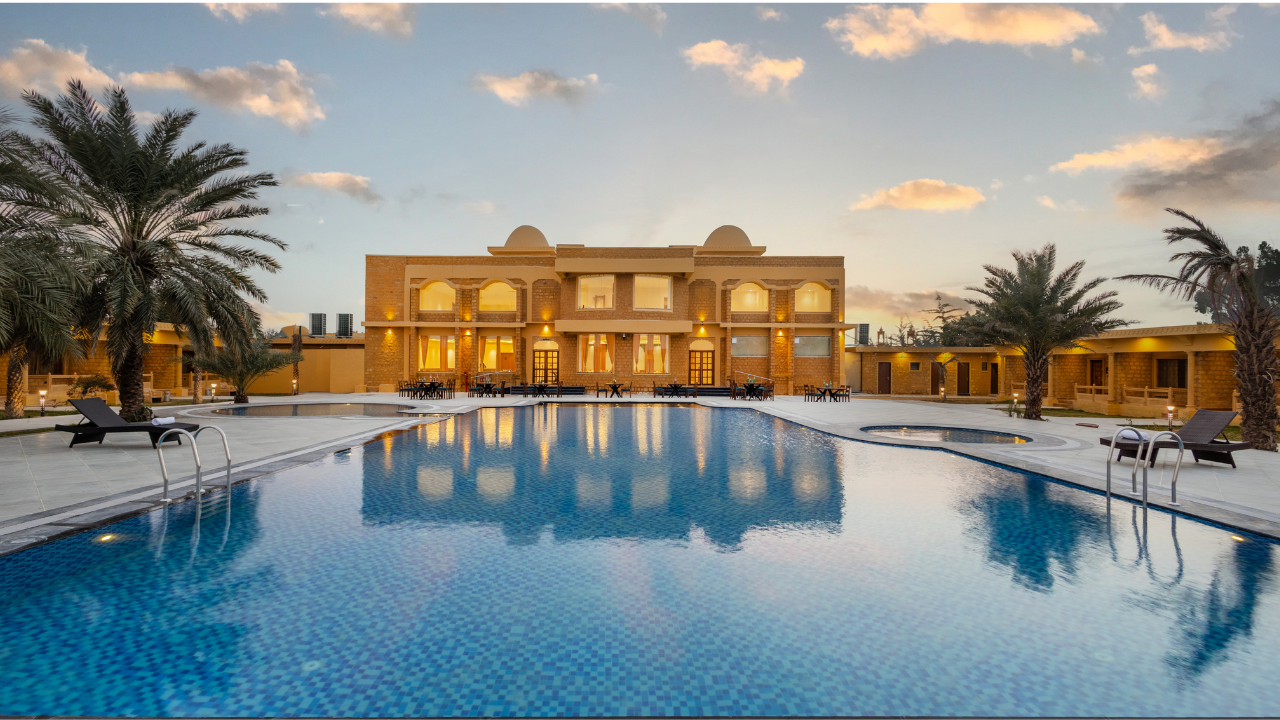
Sterling Rudraksh Jaisalmer
Set right on the main border highway, Sterling Rudraksh Jaisalmer is a 2.5-acre property that turns into a glowing landmark of its own once the desert twilight sets in. Rooms range from Garden View Premier Room with Sit-Out to Pool View Premier Room with Sit-Out finished in Habur yellow stone that plays off the desert light. Evenings here tend to centre on food: RockSalt, the resort's restobar, serves Rajasthani classics such as Laal Maas and Dal Baati Churma alongside North-West Frontier kebabs.Ripples, the resort's poolside dining venue, is built for relaxed, all-day grazing, with gourmet brunches, light snacks and refreshing beverages served by the water.
Location & Information
State: Rajasthan
District: Jaisalmer
Destination Type: Desert
Nearest Airport: Jaisalmer Airport (about 18 km away)
Nearest Railway Station: Jaisalmer Railway Station (about 13 km away)
Road Connectivity: Well connected via NH11 from Jodhpur and Bikaner, with the resort located directly on the main border highway
Languages: Hindi, Marwari, and English
● Book desert safaris and Sam Sand Dunes camps in advance during the winter and Desert Festival months, when demand is highest.
● Carry warm layers for winter evenings, since desert nights can drop close to freezing even when daytime temperatures feel pleasant.
● Wear light, breathable cotton clothing and carry sun protection for summer visits, since afternoon temperatures can climb well past 40°C.
● Remove shoes and dress modestly when entering temples inside Jaisalmer Fort and at Tanot Mata Temple.
● Bargain politely while shopping for Rajasthani handicrafts, mirror work, and textiles in the fort's narrow lanes and local bazaars.
● Plan sunset visits to the Sam Sand Dunes ahead of time, since the golden light and cooler evening temperatures make it the best hour for camel rides and photography.
Summer (April to June): Extremely hot and dry, with temperatures often between 40°C and 48°C, best avoided for outdoor sightseeing
Monsoon (July to September): Light and irregular rainfall with temperatures between 25°C and 38°C, occasionally turning the desert briefly green
Winter (October to March): Warm days and cold nights, with temperatures ranging from around 5°C to 28°C, the most comfortable season for sightseeing
Gallery


Best Time to Visit
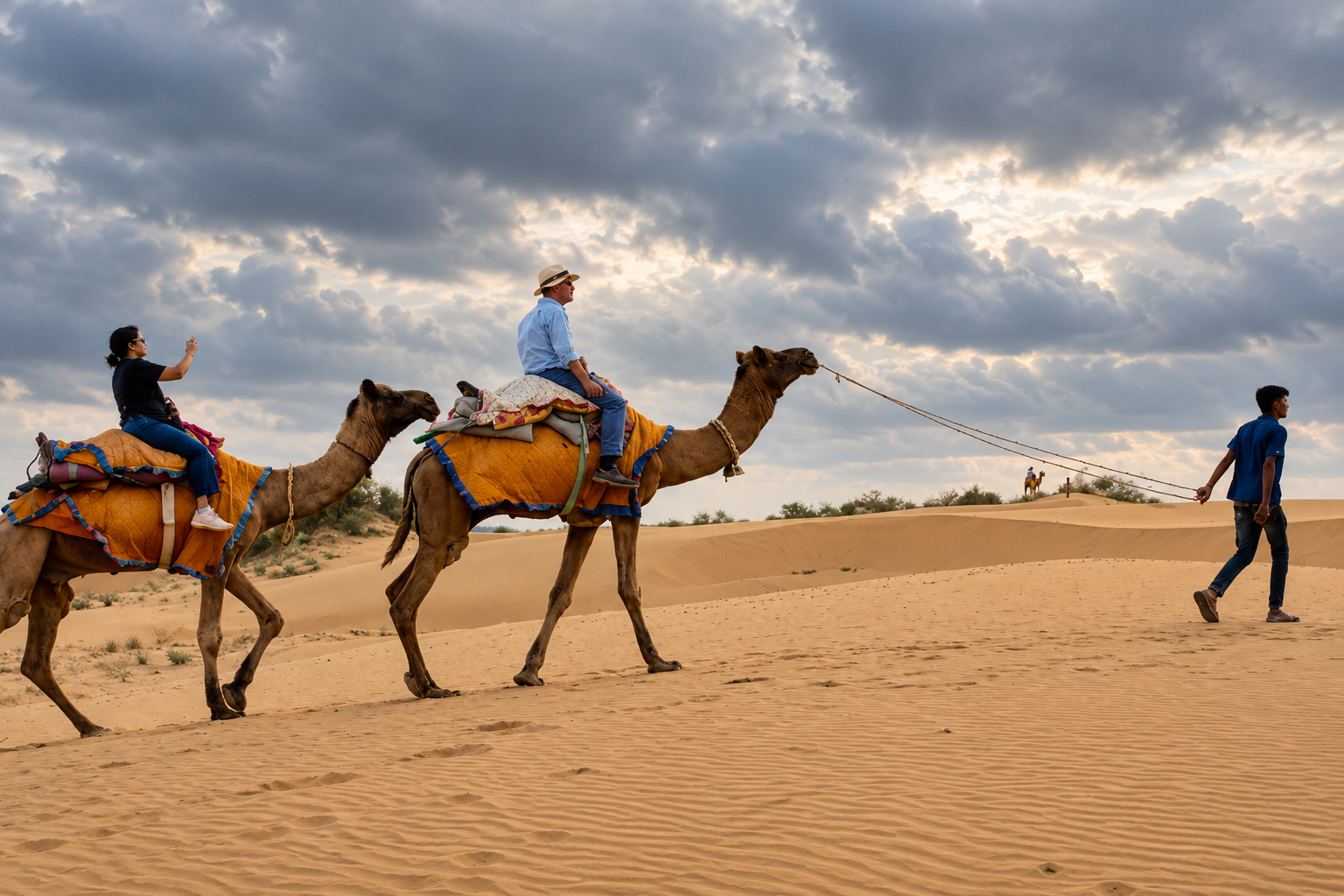
October to March - Winter, Peak Desert Season
This is the best time to visit Jaisalmer, with daytime temperatures staying comfortable for fort walks and cooler nights that make camel safaris and stargazing at the dunes genuinely enjoyable. The Jaisalmer Desert Festival in January adds folk performances, camel polo, and turban-tying contests to the calendar, drawing the year's biggest crowds.
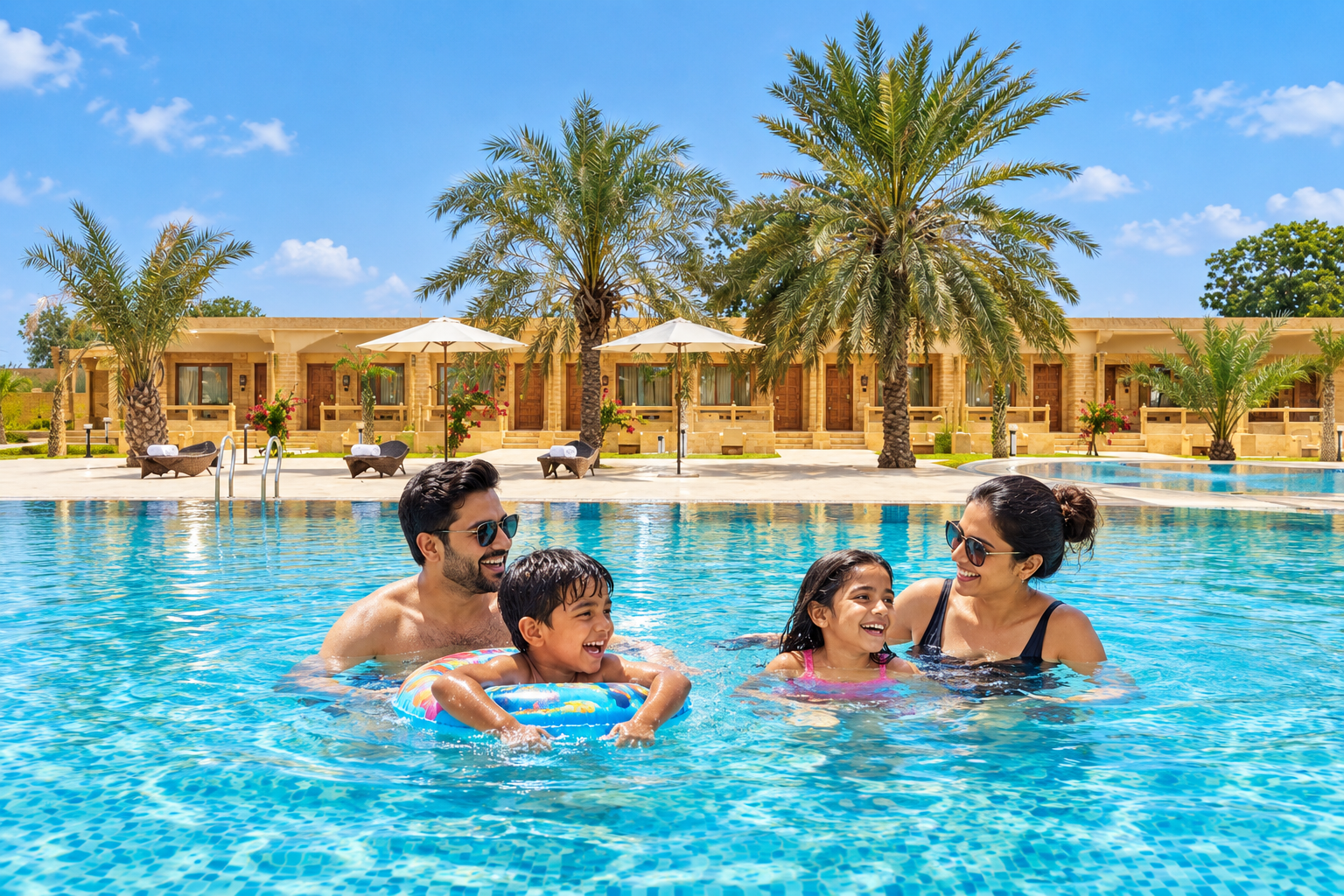
April to June - Summer, Hot and Quiet
Summer brings intense desert heat, with temperatures regularly crossing 40°C and occasionally touching 48°C in peak months. Sightseeing is best limited to early mornings, though hotel rates drop and the forts and havelis are noticeably emptier for travellers who don't mind the heat.
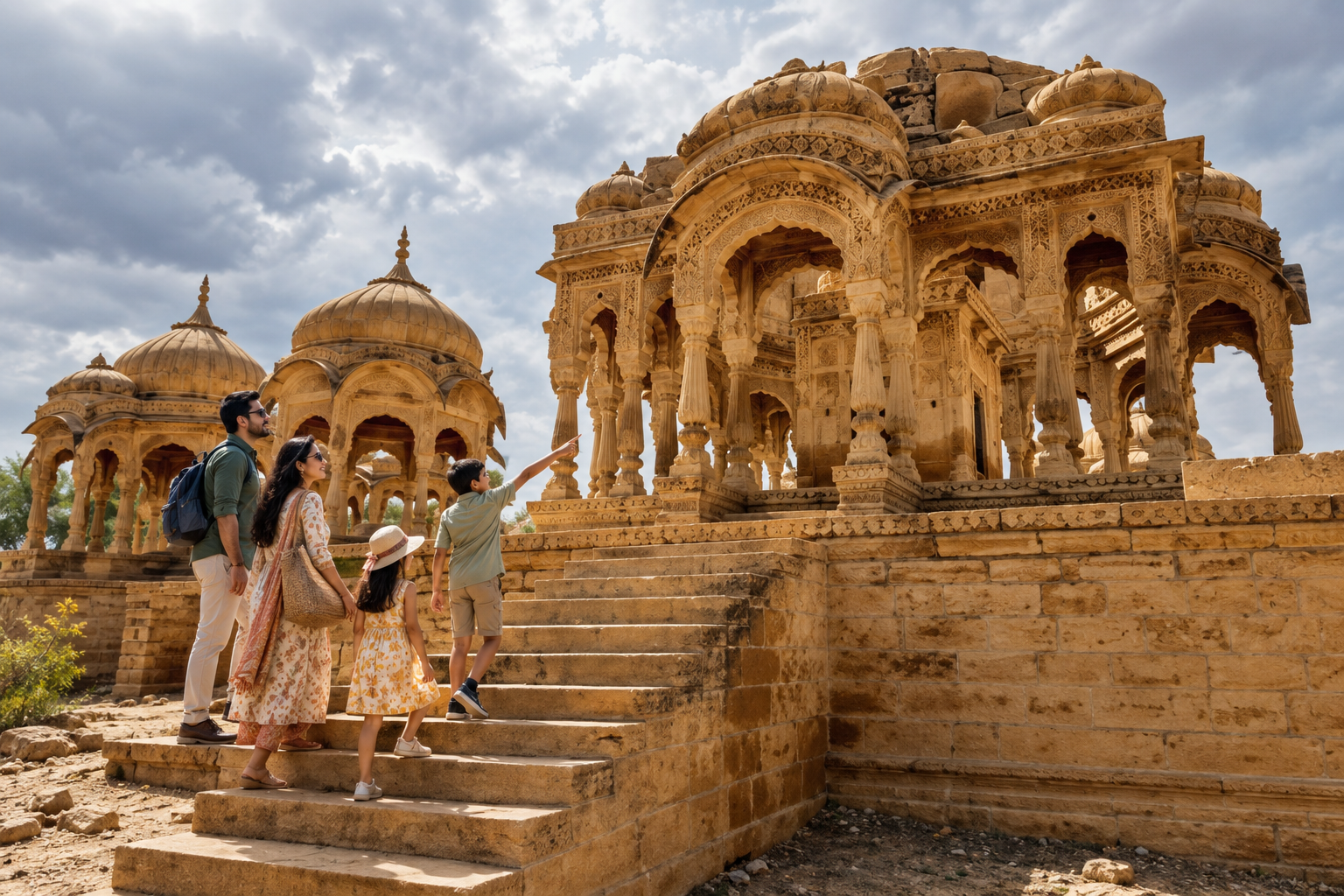
July to September - Monsoon, Light Rain and Cooler Air
Rainfall stays light and irregular in the desert, but the brief showers bring welcome relief from summer heat and occasionally coat the dunes in a rare wash of green. It's an underrated window for travellers who want quieter forts and softer light without winter's peak-season crowds.
Travellers chasing comfortable temperatures and the Desert Festival should plan for October through March and book accommodation early, while those happy to trade comfort for quiet, empty forts and lower prices can consider a well-prepared summer visit. The monsoon months offer a useful middle ground for anyone who wants milder heat without the winter rush.