


Best Places to Visit Near Tipeshwar Wildlife Sanctuary for Tiger Safari and Jungle Escapes
A 148.63 sq. km. stretch of teak and bamboo forest along the Telangana border in Yavatmal district, Maharashtra, has quietly turned into one of the country's most talked-about addresses for a tiger safari in Maharashtra. The Tipeshwar Wildlife Sanctuary takes its name from the local Goddess Tipai, whose shrine still stands deep inside the reserve, and it packs an outsized wildlife punch for a park of its size: dense forest cover, a growing tiger population, and far fewer safari jeeps competing for the same sighting than at India's better-known reserves.
Around 15 years ago this sanctuary held barely a handful of tigers; conservation work since 2010 has pushed that number to around 20, giving it one of the country's highest tiger densities relative to its area. The reserve briefly made national headlines as the territory of the tigress Avni, whose story became the basis for the Bollywood film Sherni. Safaris run only through two gates, Sunna Gate and Mathani Gate, and daily jeep numbers stay deliberately capped, which keeps sightings more personal than the crowded circuits at Tadoba or Pench. Around the reserve, the countryside has its own draws: the Painganga riverbank for a quiet picnic or birding session, the centuries-old Kunteshwar Temple and Kelapur Jagdamba Mata Temple for a spiritual detour, and the Buddhist cave complex at Mahurgad Fort for travellers who want history alongside wildlife.
Mornings here begin before sunrise, with jeeps rolling out through the mist while the forest is still waking up, and the pace only slows once the sun climbs high enough to send the animals back into shade. Village life sits just outside the buffer zone too, and a short drive into the surrounding cotton-farming hamlets offers a genuine look at rural Vidarbha living, far removed from any polished tourist circuit.
Our Resort(s) at Tipeshwar

Important Information
State: Maharashtra
District: Yavatmal
Destination Type: Wildlife Sanctuary & Tiger Reserve
Nearest Airport: Dr. Babasaheb Ambedkar International Airport, Nagpur (about 157 km away)
Nearest Railway Station: Adilabad Railway Station (about 43 km away); Pandharkawada also has a smaller local station
Languages: Hindi,Marathi and English
Summer (March to June): Hot and dry, with daytime temperatures ranging from around 30°C to over 40°C; the forest thins out, pushing tigers and leopards toward waterholes
Monsoon (July to September): Heavy rainfall turns the forest lush and green, but safari trails are closed for the season and the sanctuary is largely inaccessible
Winter (October to February): The most comfortable season, with daytime temperatures between 10°C and 25°C and cool, misty mornings ideal for safaris
● Book jeep safaris well in advance, since only a limited number of vehicles are permitted into the sanctuary each day through Sunna and Mathani gates.
● Carry warm layers for early winter morning safaris, when temperatures can dip into single digits before sunrise even though afternoons stay pleasant.
● The sanctuary is closed to safaris during the monsoon months from July to September, so plan a wildlife-focused trip outside this window.
● Pack light cottons and sun protection for summer visits, since daytime temperatures can climb past 40°C, though this season often brings the best tiger sightings near waterholes.
● Carry binoculars and a zoom lens for birdwatching along the Painganga riverbank, which draws migratory species outside the main safari hours.
● Keep noise levels low and follow the naturalist's directions during safaris, since sudden movement or sound can disturb wildlife and reduce sighting chances for the group.
Quick Facts
Our Resort In Tipeshwar
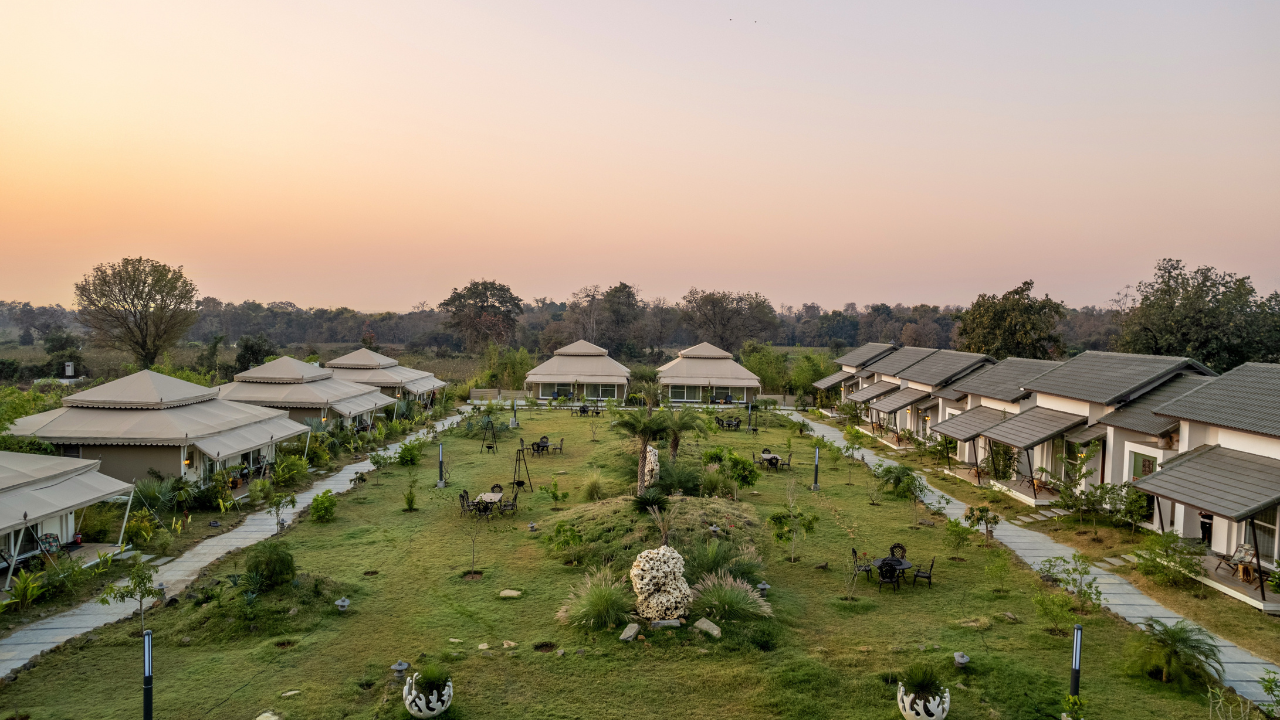
Sterling Tipeshwar
A 7-acre property bordering the sanctuary itself, Sterling Tipeshwar is built around Adavi, a central forest garden of more than 50 fruit-bearing trees that pulls parakeets, hornbills, and other birdlife right up to the doorstep. Accommodation ranges from the Safari Tent with Sit Out, its private deck opening straight onto Adavi, to the Indulge Villa with Sit Out with uninterrupted forest views, and the Luxury Tent with Private Courtyard, built around its own courtyard for a private evening barbecue under the stars. Dinner is at Sparrow Restobar, where the menu leans into regional comfort food - think Khandeshi Mutton Sukka, Sabudana Khichdi, and Guthi Vankaya - pulled from kitchens across Vidarbha, Kolhapur, Khandesh, and Hyderabad. Step outside and Sparrow extends into an open-air dining section within Adavi.
Location And Information
State: Maharashtra
District: Yavatmal
Destination Type: Wildlife Sanctuary & Tiger Reserve
Nearest Airport: Dr. Babasaheb Ambedkar International Airport, Nagpur (about 157 km away)
Nearest Railway Station: Adilabad Railway Station (about 43 km away); Pandharkawada also has a smaller local station
Languages: Hindi,Marathi and English
● Book jeep safaris well in advance, since only a limited number of vehicles are permitted into the sanctuary each day through Sunna and Mathani gates.
● Carry warm layers for early winter morning safaris, when temperatures can dip into single digits before sunrise even though afternoons stay pleasant.
● The sanctuary is closed to safaris during the monsoon months from July to September, so plan a wildlife-focused trip outside this window.
● Pack light cottons and sun protection for summer visits, since daytime temperatures can climb past 40°C, though this season often brings the best tiger sightings near waterholes.
● Carry binoculars and a zoom lens for birdwatching along the Painganga riverbank, which draws migratory species outside the main safari hours.
● Keep noise levels low and follow the naturalist's directions during safaris, since sudden movement or sound can disturb wildlife and reduce sighting chances for the group.
Summer (March to June): Hot and dry, with daytime temperatures ranging from around 30°C to over 40°C; the forest thins out, pushing tigers and leopards toward waterholes
Monsoon (July to September): Heavy rainfall turns the forest lush and green, but safari trails are closed for the season and the sanctuary is largely inaccessible
Winter (October to February): The most comfortable season, with daytime temperatures between 10°C and 25°C and cool, misty mornings ideal for safaris
Gallery


Best Time To Visit
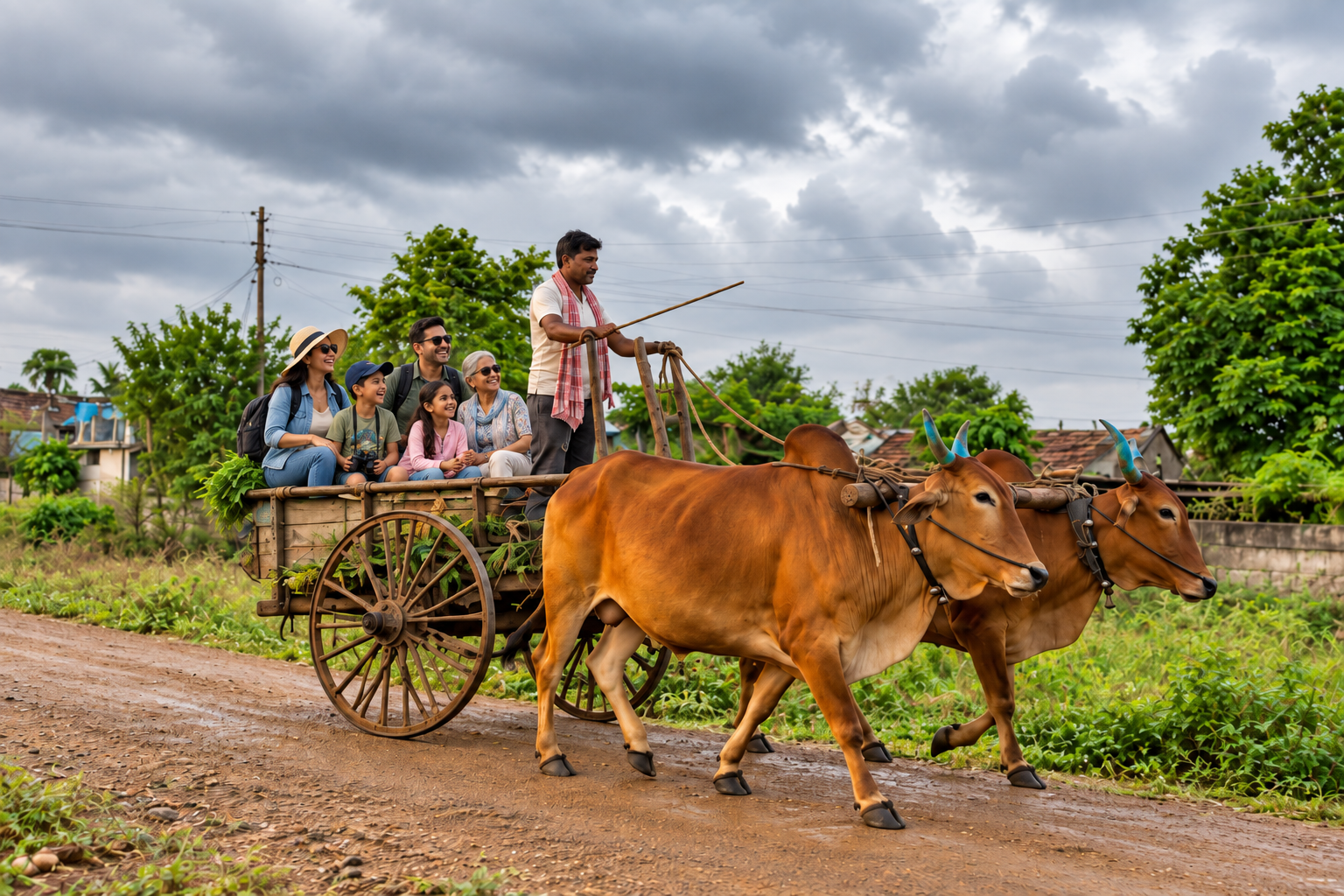
October to February - Winter, Best for Comfort and Birdwatching
This stretch is widely regarded as the best time to visit Tipeshwar, with daytime temperatures between a comfortable 10°C and 25°C and clear skies ideal for long safari drives. The post-monsoon forest is at its greenest in October and November, and the season is especially rewarding for birdwatching, with resident and migratory species active around the sanctuary's streams and waterholes.
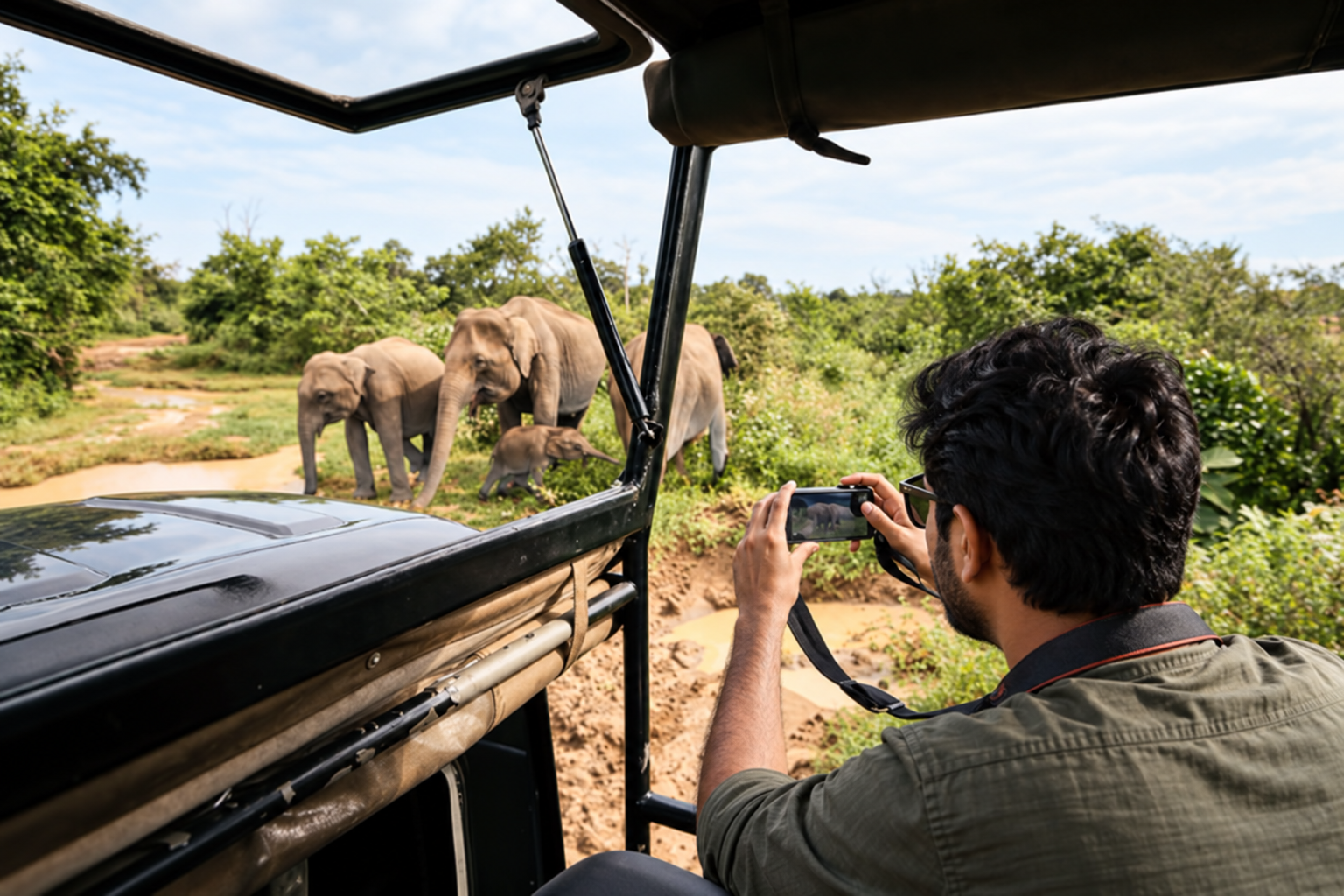
March to June - Summer, Peak Tiger Sighting Season
Summer brings dry heat, with temperatures climbing from around 30°C in March to over 40°C by May and June. As the forest thins and water sources shrink, tigers, leopards, and sloth bears are drawn more predictably to remaining waterholes, making this the season serious wildlife photographers often prefer, despite the heat, for its higher tiger sighting probability.
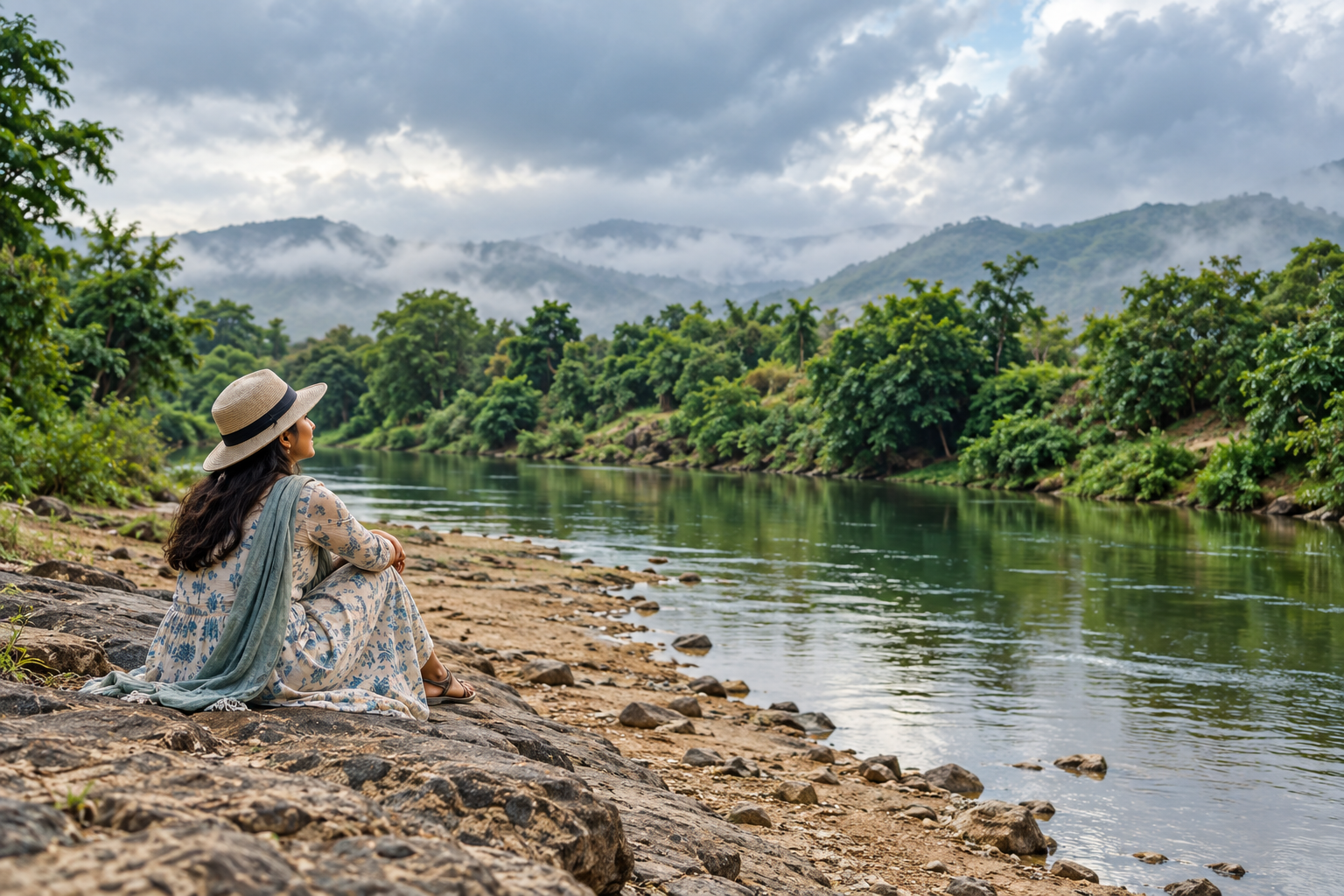
July to September - Monsoon, Lush but Closed to Safaris
The monsoon transforms the sanctuary into a deep green landscape, but the forest department closes safari operations for this period to protect breeding wildlife and muddy trails. The resort itself stays open through the rains, making it a quieter option for guests who simply want to enjoy the greenery and cooler weather without a jungle drive.
First-time visitors and families are best off booking between October and February, when mild weather makes long safari hours genuinely enjoyable. If a strong tiger sighting is the priority over comfort, March to June is the window seasoned photographers quietly favour, since the dry heat forces animals out into the open near waterholes. The monsoon months work only for guests happy to skip the jeep altogether and simply enjoy the forest turning green around the resort.