


Best Places to Visit in the Eastern Ghats for Trekking and Paragliding Getaways
Once the private estate of the local Zamindar family, this cluster of fourteen villages in the Eastern Ghats was taken over by the Government of India in the 1950s and gradually opened up as one of Tamil Nadu's most accessible hill stations. Sitting at roughly 1,050 metres, with Swamimalai Hill rising to about 1,410 metres, it has earned a reputation as the Poor Man's Ooty, a quieter, less crowded alternative for anyone searching for places to visit near Bangalore or weekend getaways from Chennai. Tribal communities still live across its hamlets, sustained by honey collection, horticulture, and forestry, giving the hills a rural character that's increasingly rare this close to two major cities.
The drive up is part of the experience, winding through a string of hairpin bends before opening onto orchards, rose gardens, and pepper farms. At the top, Swamimalai Hill, the highest point in the region, rewards a trek with a small Lord Murugan temple and sweeping valley views, while Punganoor Lake and the adjoining Nature Park offer a gentler afternoon of boating, birdwatching, and picnicking. A five-kilometre trek downhill leads to the Jalagamparai Waterfalls, fed by the Attaru river, and the hilltop Velavan Temple adds another worthwhile stop for its own panoramic views.
Adventure travellers increasingly know this hill station for its paragliding sessions, run through much of the year from launch points like Ramakrishna Mutt, alongside zip-lining, rock climbing, and ATV rides at the government-backed adventure camp. Every May, the Yelagiri Summer Festival adds flower shows, a dog show, and cultural performances to the calendar, drawing crowds well beyond the usual weekend visitors. Few hill destinations this close to Bangalore and Chennai still feel this uncrowded.
Our Resort(s) at YELAGIRI

Important Information
State: Tamil Nadu
District:Tirupattur
Destination Type: Hill Station
Nearest Airport: Bangalore (about 165 km away)
Nearest Railway Station: Jolarpettai Junction (about 30 km away)
Road Connectivity: Well connected via Tirupattur, with a scenic hairpin-bend ghat road leading up from the plains
Languages: Tamil and English
Summer (March to June): Warm and pleasant for a hill station, with temperatures ranging between 18°C and 34°C
Monsoon (July to September): A genuinely preferable season here, with cooler air and green hillsides, though trails can turn slippery
Winter (November to February): Cool and comfortable, with temperatures between 12°C and 24°C, ideal for trekking and sightseeing
● Start the drive up early to enjoy the hairpin-bend ghat road in good light and avoid weekend traffic near the viewpoints.
● Book paragliding sessions in advance during weekends and festival periods, since slots at popular launch points fill up quickly.
● Carry good walking shoes for the trek to Swamimalai Hill or the descent to Jalagamparai Waterfalls, both of which involve uneven terrain.
● Avoid trekking routes during heavy monsoon showers, when trails can turn slippery and waterfalls run stronger than usual.
● Carry cash, since ATMs are limited across the hill station and mobile network coverage can be patchy in places.
● Plan a visit around the Yelagiri Summer Festival in May if flower shows, cultural performances, and a livelier hill-station atmosphere appeal.
Quick Facts
Our Resort At Yelagiri

Sterling Yelagiri
A 90-room property built for an easy weekend escape, Sterling Yelagiri keeps guests entertained well beyond the usual hill-station sightseeing. Rooms range from the compact Classic Room to the Classic Room with Balcony and the Mountain View Classic Room, each opening to views of the surrounding Eastern Ghats. The resort has an activity hub for badminton, carrom, table tennis, karaoke, and board games, along with organised treks for guests who want to head out into the hills. Meals at Anthurium, the resort's multicuisine restaurant, lean into regional flavour with dishes like local mutton biryani and Karuveppilai kozhi roast alongside familiar Indian and international options.
Location & Information
State: Tamil Nadu
District:Tirupattur
Destination Type: Hill Station
Nearest Airport: Bangalore (about 165 km away)
Nearest Railway Station: Jolarpettai Junction (about 30 km away)
Road Connectivity: Well connected via Tirupattur, with a scenic hairpin-bend ghat road leading up from the plains
Languages: Tamil and English
● Start the drive up early to enjoy the hairpin-bend ghat road in good light and avoid weekend traffic near the viewpoints.
● Book paragliding sessions in advance during weekends and festival periods, since slots at popular launch points fill up quickly.
● Carry good walking shoes for the trek to Swamimalai Hill or the descent to Jalagamparai Waterfalls, both of which involve uneven terrain.
● Avoid trekking routes during heavy monsoon showers, when trails can turn slippery and waterfalls run stronger than usual.
● Carry cash, since ATMs are limited across the hill station and mobile network coverage can be patchy in places.
● Plan a visit around the Yelagiri Summer Festival in May if flower shows, cultural performances, and a livelier hill-station atmosphere appeal.
Summer (March to June): Warm and pleasant for a hill station, with temperatures ranging between 18°C and 34°C
Monsoon (July to September): A genuinely preferable season here, with cooler air and green hillsides, though trails can turn slippery
Winter (November to February): Cool and comfortable, with temperatures between 12°C and 24°C, ideal for trekking and sightseeing
Gallery


Best Time to Visit

November to February - Winter, Cool and Comfortable
This stretch is generally considered the best time to visit Yelagiri, with daytime temperatures between 12°C and 24°C that suit long treks and outdoor sightseeing without the summer heat. Clear skies through winter also make it a strong season for paragliding.

March to June - Summer, Warm but Still Pleasant
Unlike most of Tamil Nadu, summer here stays relatively mild, with temperatures between 18°C and 34°C. It remains a popular weekend escape from the heat of Bangalore and Chennai, and the Yelagiri Summer Festival in May adds an extra reason to visit during this window.
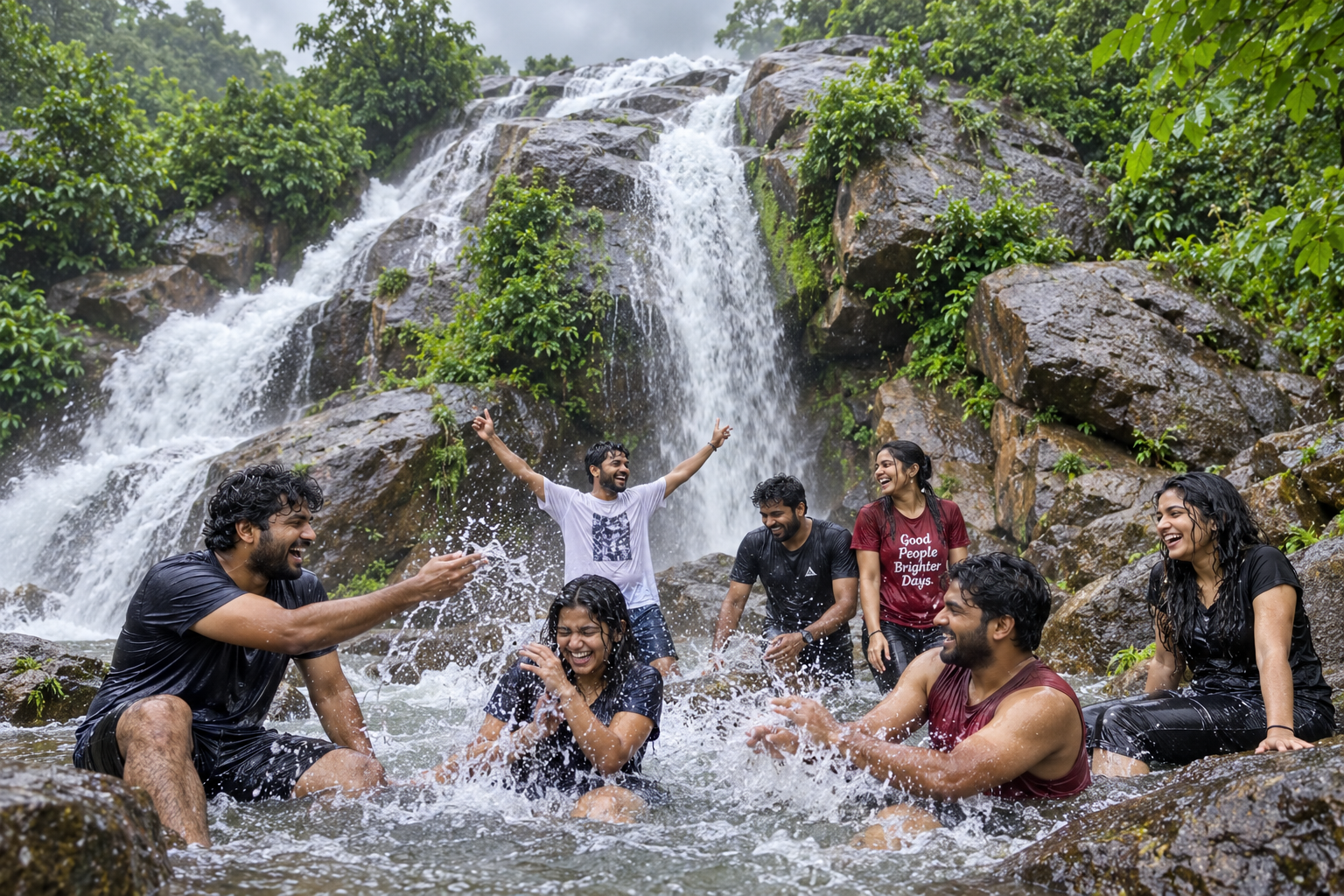
July to September - Monsoon, Genuinely Worth Visiting
Unusually for a hill station, the monsoon here is considered a good time to visit rather than one to avoid. Rainfall keeps the hillsides lush and the Jalagamparai Waterfalls running fuller, though trekking trails should be approached with caution when wet.
Travellers who want the most comfortable trekking and sightseeing conditions should aim for November to February, while those chasing a livelier atmosphere can time a trip around the Summer Festival in May. Unlike many hill destinations, the monsoon months here remain a genuinely good option rather than a season to plan around.