


Welcome to Mount Olive Gangtok — serenity, served with mountain views.
Welcome to Mount Olive Gangtok
Perched amidst the rolling hills of Gangtok, Mount Olive Gangtok welcomes you into a serene hillside retreat where crisp mountain air, warm comfort, and quiet moments come together effortlessly. Framed by sweeping valley views and peaceful surroundings, the resort blends contemporary spaces with heartfelt hospitality—perfect for relaxed getaways, meaningful reunions, and slow, soulful escapes.
Here, your days unfold with the charm of Gangtok—cafés, viewpoints, local markets, and monastery trails—while evenings settle into calm with hearty meals and conversations that feel unhurried. Every corner invites you to pause, breathe, and take in the beauty outside your window.
Whether you’re here for a family holiday, a friends’ escape, or a work break that actually feels like one, Mount Olive Gangtok turns each moment into a memory—wrapped in mountain serenity.
Our Resort(s) at Mount Olive Gangtok

Important Information
State: Sikkim
Destination Type: Hill Station / Mountain
Destinations Nearby: MG Marg
Languages: English, Hindi, Nepali
Nearest Railway Station: New Jalpaiguri (NJP) Railway Station
Nearest Airport: Pakyong Airport / Bagdogra Airport
Summer: Temperature ranges between 15°C to 25°C.
Winter: Temperature ranges between 4°C to 12°C.
Climate: Cool and pleasant throughout the year
Best time to visit: March to June and September to November
Gallery


Experiences
-
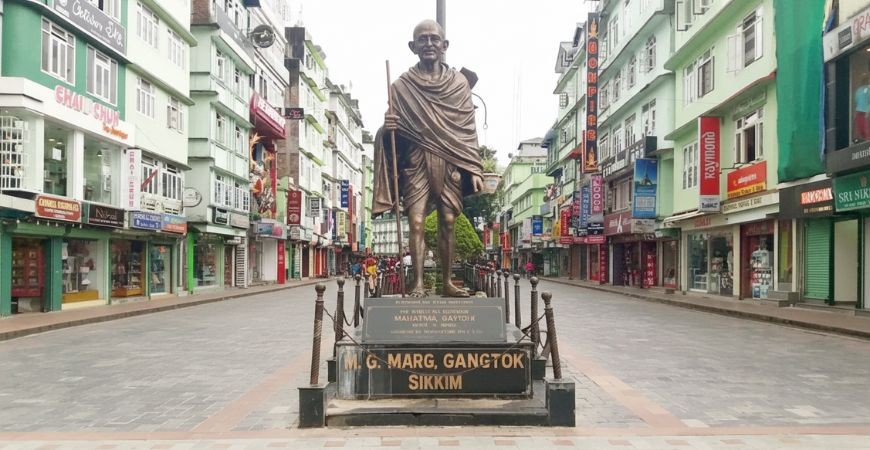
MG Marg
MG Marg, short for Mahatma Gandhi Marg, is Gangtok’s most vibrant public space and one of its most distinctive features. This pedestrian-only boulevard is strictly vehicle-free, smoke-free, and litter-free, which makes strolling here feel refreshingly calm. Lined with cafés, bakeries, bookstores, and local boutiques, it’s a place where visitors naturally slow down.
-
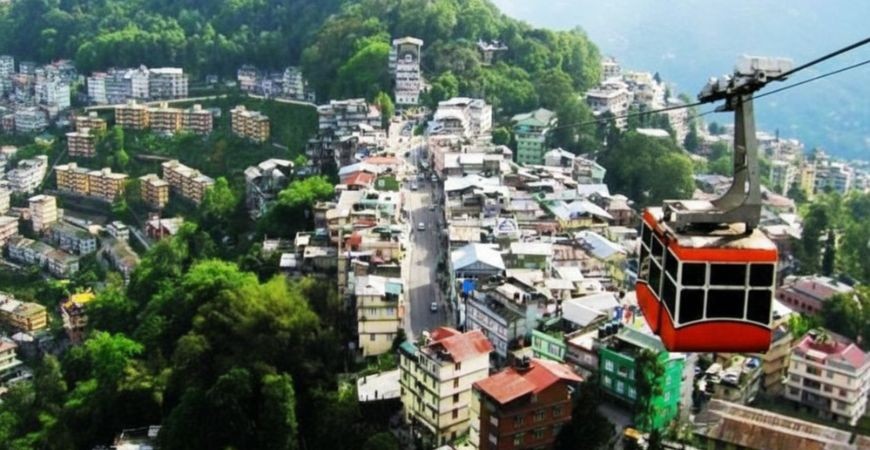
Gangtok Ropeway
The Gangtok Ropeway offers a scenic aerial perspective of the city, gliding smoothly over hillsides, neighbourhoods, and deep valleys. Spanning roughly a kilometre and connecting multiple stations, the cable car serves both visitors and locals alike. As the cabin moves gently above the terrain, views shift constantly-from colourful rooftops to forested slopes and distant ridgelines.
-
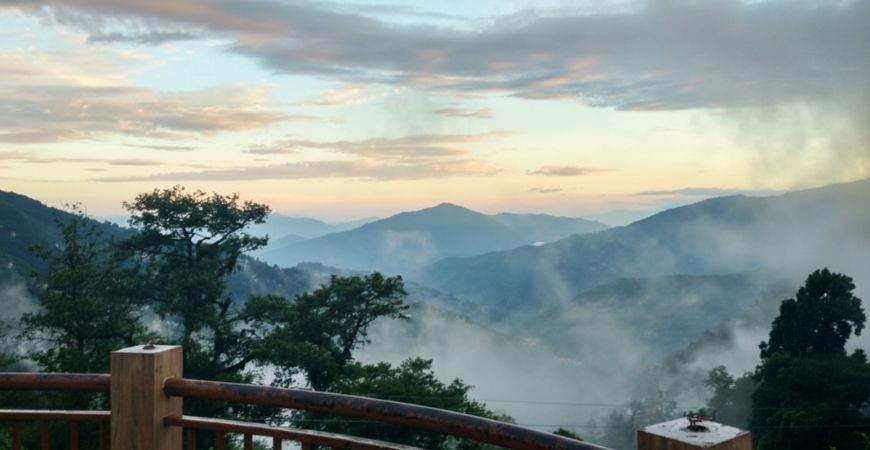
Tashi View Point
Tashi View Point is one of Gangtok’s most loved spots for sunrise views and wide Himalayan panoramas. On clear mornings, the Kanchenjunga range appears in striking clarity as the first light touches its peaks. The viewpoint is linked to Sikkim’s royal history and remains a favourite among locals and visitors alike.
-
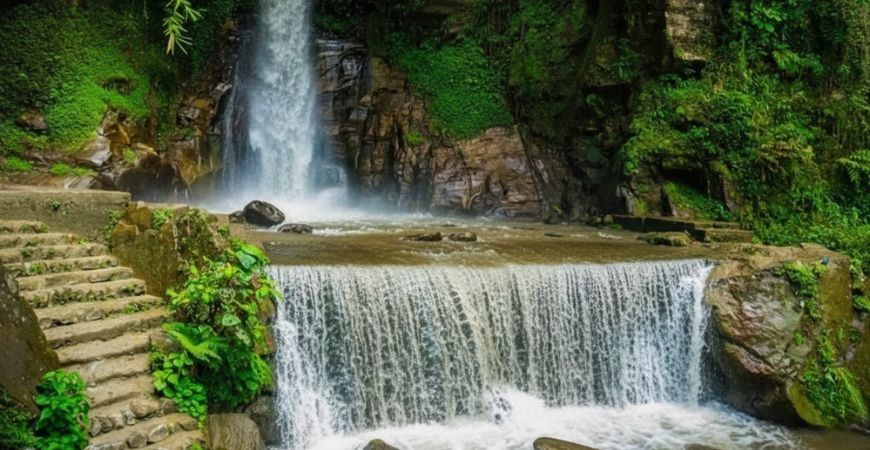
Banjhakri Falls
Banjhakri Falls combines natural beauty with local folklore, creating an experience that feels both scenic and cultural. The waterfall cascades through a landscaped park inspired by legends of the Ban Jhakri, a forest healer in Sikkimese tradition. Stone sculptures, bridges, and themed pathways guide visitors through the space, making it easy to explore at a relaxed pace.
-
Do Drul Chorten
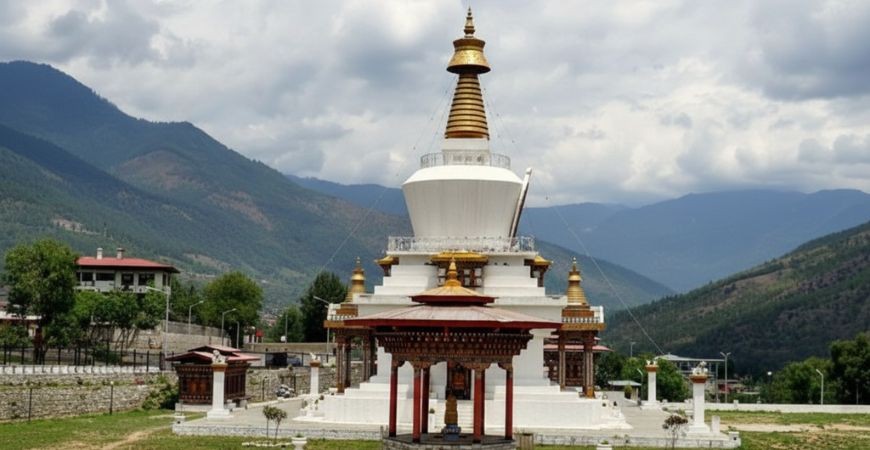
Do Drul Chorten is among the most important Buddhist landmarks in Gangtok, known for its serene atmosphere and spiritual presence. The stupa is encircled by 108 prayer wheels, each inscribed with sacred mantras and traditionally spun while walking clockwise. Prayer flags, incense, and quiet chants add to the calm that surrounds the site.
-
Ganesh Tok
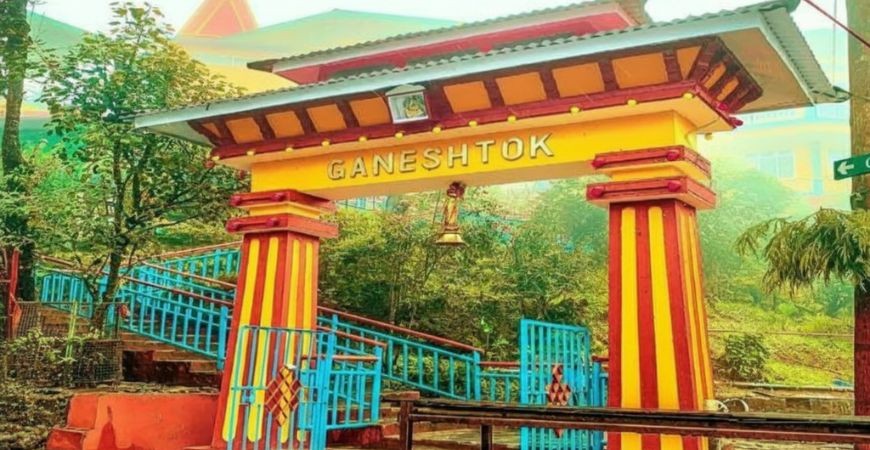
Ganesh Tok is a small hilltop shrine known for its bright colours and panoramic views. Though compact in size, the temple offers sweeping vistas of Gangtok and, on clear days, the surrounding mountain ranges. The viewing area allows visitors to take in the scenery without obstruction, making it a popular stop for photography.
-
Tsomgo Lake
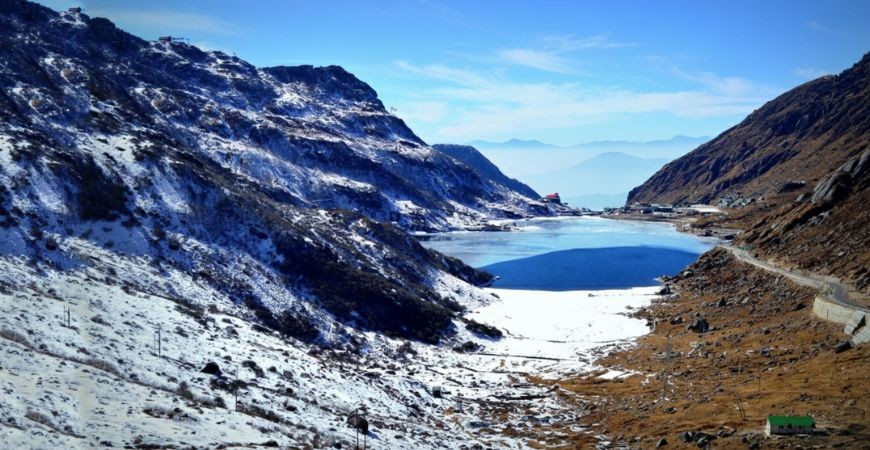
Tsomgo Lake is a high-altitude glacial lake set amid dramatic mountain slopes, offering one of the most striking landscapes near Gangtok. The lake changes character with the seasons-frozen and snow-covered in winter, reflective and vibrant in warmer months. Locals regard it as sacred, and its still waters are often linked to traditional beliefs and legends.
-
Baba Mandir
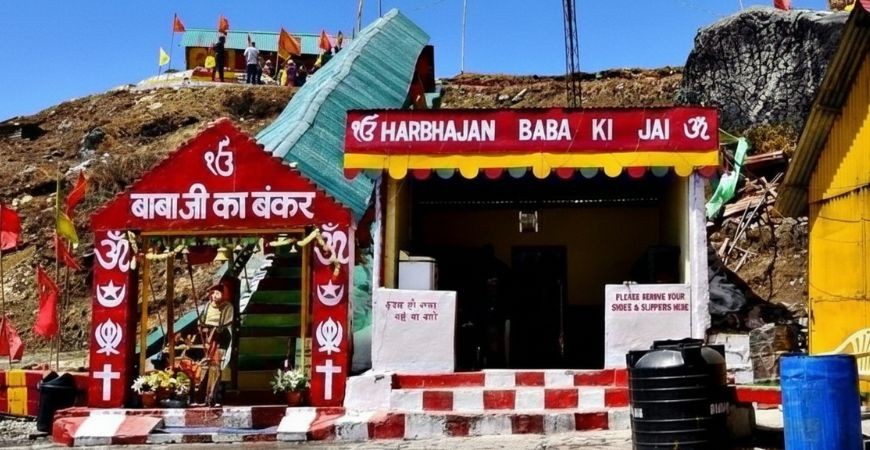
Baba Mandir is a revered shrine dedicated to Baba Harbhajan Singh, remembered for his service and loyalty. Located in the high mountains near Tsomgo Lake, the site carries a strong sense of devotion and respect. The shrine is maintained with great care, reflecting the faith associated with it. Visitors often leave offerings, believing in Baba’s continued protection of the region.