


HOME {{tab1Name}} {{expResortData.masterName}}
{{keyValues.title}}
Experiences
Our Resort(s)
{{sectionObj.section}}

Gallery
Rooms
{{obj.roomTypeForNonMember}}
{{obj.voroomtypeformember}}
{{obj.voRoomTypeTimeShareMember}}
{{obj.roomDescription}}
{{obj.voRoomDescription}}
{{currentRoom.roomTypeForNonMember}}

Ranthambore Travel Experiences with Bengal Tigers, Wildlife Safaris and Historic Forts
Long before it became one of India's most reliable places to see a wild tiger, Ranthambore was a Rajput stronghold, fought over by the Chauhans, the Delhi Sultanate, and later the Mughals, who took the fort under Akbar in 1569. That layered history still sits inside the park boundary today: the 10th-century Ranthambore Fort, a UNESCO World Heritage Site, rises over the same forest where Project Tiger began turning a population of fewer than sixteen tigers in 1973 into more than eighty today. For anyone shortlisting places to visit in Ranthambore, that overlap of old stone and thriving wildlife is what sets it apart from most other tiger reserves in India.
A jeep or canter safari through one of the park's ten zones is the obvious start to any list of things to do with zones 1 to 5 covering the core forest where tiger sightings are most frequent and Zone 3, around Padam Talao and the ruined hunting lodge of Jogi Mahal, considered the most picturesque. Kachida Valley, a rockier stretch further from the lakes, is the better bet for leopards and sloth bears, while Surwal Lake, just outside the park, draws flamingos and cranes for a quieter morning of birdwatching. Inside the fort complex, the Trinetra Ganesh Temple, known for its rare three-eyed depiction of Ganesha, draws a steady stream of pilgrims, and the Raj Bagh Ruins along the lake's edge add a last, atmospheric stop before heading back.
What tends to stay with visitors afterward is less a single tiger sighting than the whole rhythm of a safari day: engine noise fading as the jeep idles near a waterhole, langurs calling from the fort walls, a Rajasthani folk performance and bonfire once the light goes. Sterling Bagh Ranthambore, set on two acres close to the reserve, keeps this entire wildlife circuit within easy reach, with an in-house naturalist for guided walks and birdwatching, a Discovery Central play zone for kids, and enough lawn space for the resort to double as a destination-wedding venue between safaris.
Things to Do in Ranthambore
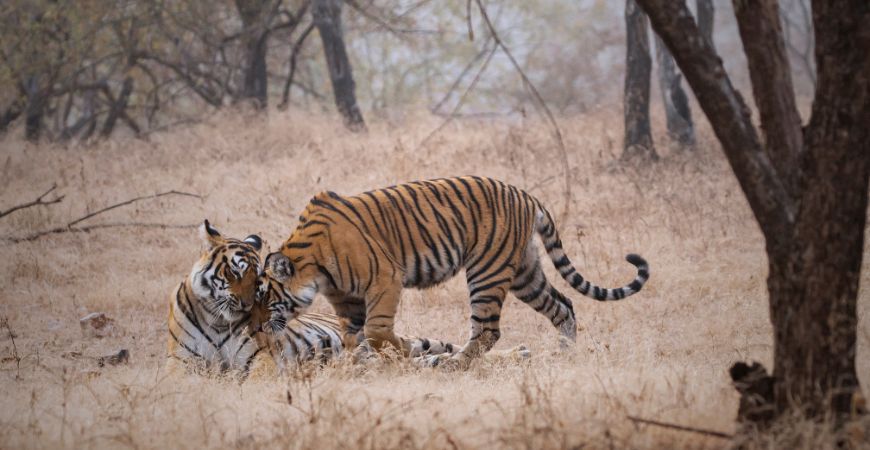
Ranthambore National Park Safari
Experience thrilling wildlife safaris in Ranthambore National Park, home to the majestic Bengal tigers. The park's diverse ecosystem supports various wildlife species, including leopards, sloth bears, and numerous bird species, offering an unforgettable adventure.
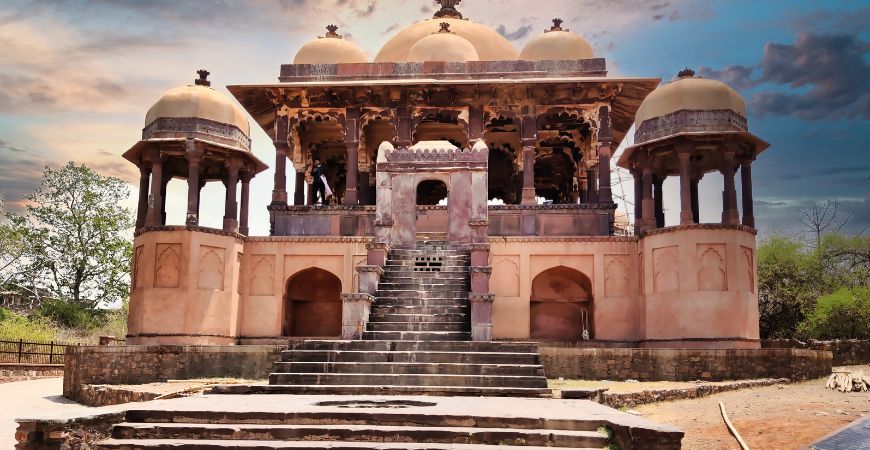
Ranthambore Fort
Explore the historic Ranthambore Fort, perched atop a hill within the national park. This UNESCO World Heritage Site offers stunning panoramic views, ancient temples, and rich history dating back to the 10th century, providing a glimpse into India's regal past.
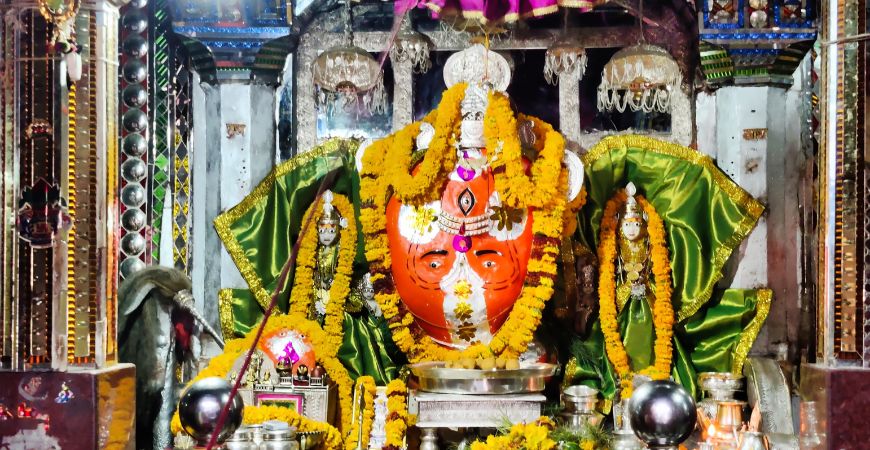
Trinetra Ganesh Temple
Visit the ancient Trinetra Ganesh Temple, located within the Ranthambore Fort complex. This revered temple, dedicated to Lord Ganesha, is a spiritual haven for devotees and offers a tranquil atmosphere amidst the historical ruins.
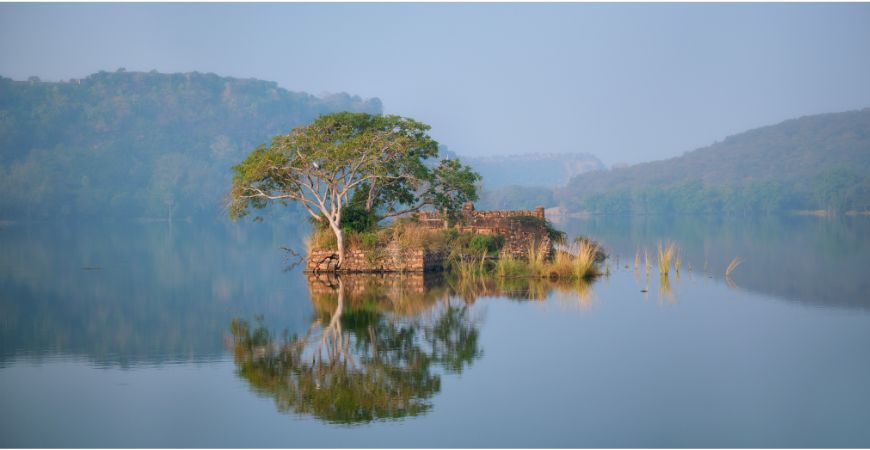
Padam Talao
Witness the serene beauty of Padam Talao, the largest lake in Ranthambore. Often frequented by wildlife, including the elusive tigress Machli, this picturesque lake is a perfect spot for nature lovers to enjoy the peaceful surroundings.