


HOME DESTINATIONS Corbett
Bijrani Zone, Corbett
The Bijrani zone is one of the most visited safari zones of Jim Corbett National Park, lying on the park's eastern edge, just a short distance from Ramnagar.
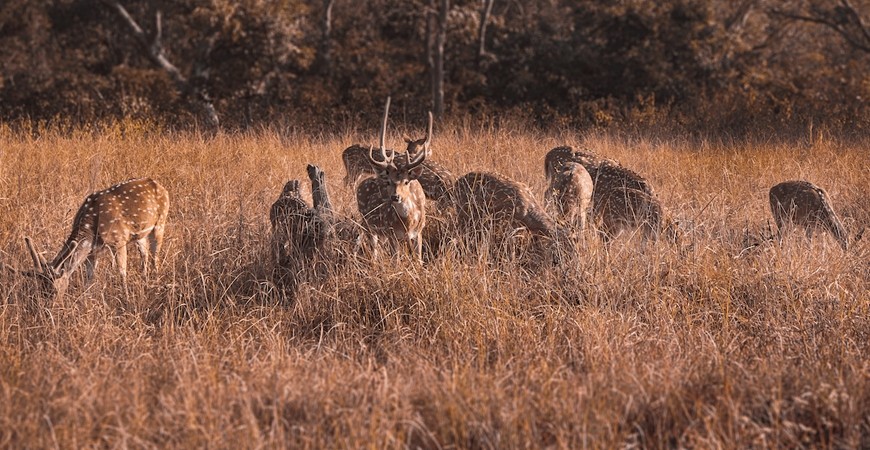
Once used as a hunting ground during the British colonial era, Bijrani today is protected forest, known for its tall sal trees opening suddenly onto golden grassland, its freshwater streams, and a consistently high rate of tiger sightings among the park's zones.
Its closeness to Ramnagar, combined with this rich mix of habitat, has made Bijrani one of the most popular introductions to Corbett for first-time visitors.
For visitors to the Corbett region, Bijrani zone offers an accessible, wildlife-rich landscape with a genuine royal hunting history behind it.
What Is the Bijrani Zone?
Bijrani is one of the designated safari zones within Jim Corbett National Park, taking its name directly from the village of Bijrani, which once served as a shooting block during the British colonial era.
The zone combines dense sal forest with open grassland in a single, compact area, considerably smaller than Dhikala.
Compared with Dhikala, Bijrani's terrain is generally drier, with a more varied mix of vegetation types packed into a smaller space. Unlike Dhikala, which requires a longer drive into the park's interior, Bijrani's position close to Ramnagar makes it one of the more accessible zones for a shorter visit.
Where Is Bijrani Located and How Is It Reached From Ramnagar?
Bijrani lies on the eastern edge of Jim Corbett National Park, reached through Amdanda Gate, about 5.8 km from Ramnagar town.
- After entering through Amdanda Gate, the route crosses about 5 km of buffer zone before reaching the core Bijrani area.
- The Bijrani Forest Rest House itself lies about 4.6 km from Ramnagar.
- Ramnagar railway station lies about 7 km from the Bijrani zone, the closest railhead to this part of the park.
- The Mailani (Malani) Forest Rest House, reached via an old forest track through the Machaan chaur, lies roughly 13.7 km north-west of Bijrani.
Bijrani Zone at a Glance
Fact |
Details |
Location |
Eastern edge of Jim Corbett National Park |
Named after |
The village of Bijrani |
Zone area |
A compact zone, smaller than Dhikala |
Entry gate |
Amdanda Gate, about 5.8 km from Ramnagar |
Distance to core zone |
About 9 km from Ramnagar |
Distance from Ramnagar railway station |
About 7 km |
Historic role |
Former hunting ground during the British colonial era |
Vegetation |
Dense sal forest, open grassland (chaurs) and freshwater streams |
Known for |
A consistently high tiger sighting rate |
Nearby rest house |
Mailani Forest Rest House, built in the 1930s |
Bird species |
Part of the park's wider count of over 600 species |
History as a Former Hunting Ground
The zone takes its name from the village of Bijrani, which once served as a designated shooting block for the British during the colonial era, its forests and grasslands reserved for shikar rather than protection.
This history sits alongside that of the wider reserve, where hunting was eventually prohibited entirely, with only limited timber cutting for domestic use permitted as the area moved towards full protection. Bijrani's transformation from a colonial shooting block to one of Corbett's most popular wildlife zones reflects this broader shift in how the landscape has been valued over the past century.
The Landscape: Sal Forest, Grassland and Streams
Bijrani's terrain is defined by the contrast between tall, old-growth sal forest and sudden breaks into open grassland, known locally as chaurs.
The Sal Tree Itself
The dominant tree of Bijrani's forest is the sal, known scientifically as Shorea robusta, a large deciduous species capable of growing up to 40 to 50 m tall, though trees of 18 to 32 m are more typical. In Hindu tradition, the sal tree is considered sacred and is associated with Vishnu, and its name is thought to derive from the Sanskrit word shala, meaning rampart.
A Mixed Forest Floor
- Alongside sal, Bijrani's mixed deciduous forest includes species such as sissoo, khair and dhak, with bamboo also present in places.
- Riverine vegetation along the zone's streams includes species such as bhimal and kachnar, adapted to the damper ground near water.
- Grasslands within Bijrani support large grazing herds, offering some of the widest, clearest views in the zone.
- Freshwater streams cross parts of the landscape, adding a further habitat type to this compact zone.
Streams here are lined in places with lantana bushes, a dense flowering shrub, adding further texture to the understorey beneath the sal canopy.
This mix of shaded forest, filtered jungle light and open grassland, within a relatively small area, is part of what gives Bijrani its reputation for dramatic, varied scenery.
Wildlife of the Bijrani Zone
Bijrani is frequently cited as having among the highest tiger sighting rates of any zone in Corbett, a result generally attributed to its open terrain and strong prey base.
- Bengal tigers and leopards are both recorded regularly within the zone.
- Asian elephants, often in sizeable herds, are a common sight, particularly around the grassland areas.
- Sloth bears and various deer species, including chital, are also well represented across Bijrani's forest and grassland habitats.
The zone's open visibility, especially where grassland meets forest edge, is a key reason wildlife here is often easier to spot than in denser parts of the park.
Birdlife in Bijrani
As with the rest of Jim Corbett National Park, Bijrani forms part of a landscape supporting more than 600 recorded bird species, with its mix of forest and grassland habitat drawing a wide range of species.
Alarm calls from deer and langurs across the zone's grasslands are often the first sign of a predator moving nearby, a familiar part of the Bijrani experience for visiting birders and wildlife watchers alike.
The Beauty of Bijrani
Bijrani's appeal lies in this sudden contrast of light and landscape: shaded sal forest opening without warning into bright, golden grassland, with streams threading quietly between the two.
Combined with its closeness to Ramnagar, this variety of scenery packed into a single zone is part of why Bijrani remains one of Corbett's most visited introductions to the park.
Interesting Facts About the Bijrani Zone
- Bijrani was once used as a hunting ground during the British colonial era.
- The zone's entry point, Amdanda Gate, lies about 5.8 km from Ramnagar.
- Bijrani is often cited as having one of the highest tiger sighting rates among Corbett's zones.
- The Mailani Forest Rest House nearby was built in the 1930s.
- Bijrani's landscape combines dense sal forest, open grassland and freshwater streams within a compact area.
- The zone lies on the eastern edge of Jim Corbett National Park.
- Streams within Bijrani are lined in places with lantana bushes.
- Bijrani takes its name from the village that once served as a British-era shooting block.
- The sal tree, Bijrani's dominant species, can grow up to 40 to 50 m tall and is considered sacred in Hindu tradition.
- Across Corbett as a whole, sal-dominated forest covers around 73% of the park, alongside 110 recorded tree species.
Season When Bijrani Is Usually Open
Season |
Months |
What to expect |
Open season (most reliable) |
Mid-October to end of June |
The zone is generally open during these months, with wildlife viewing considered best from November to June |
Monsoon closure |
July to mid-October |
The zone is generally closed during the monsoon, when the forest and grassland receive heavy rain |
How to Reach the Bijrani Zone
Mode |
How to reach |
By air |
Pantnagar Airport is the nearest airport, roughly 86.2 km from Ramnagar. |
By train |
Ramnagar railway station is the main gateway station, about 7 km from the Bijrani zone. |
By road |
Bijrani is reached via Amdanda Gate, about 5.8 km from Ramnagar town, with the core zone itself about 9 km away. |
Sterling Resorts Near the Bijrani Zone
Sterling Holidays has two resorts in the Corbett region.
Sterling Quinta Jim Corbett
Sterling Quinta Jim Corbett, in the Bail Parao-Kaladhungi belt of Ramnagar, is roughly 21 km from Bijrani. The newer of Sterling's two Corbett properties, it has 46 rooms across five categories, including rooms with private plunge pools, sit-outs and balconies, along with Nectar, its all-day dining restaurant, a swimming pool and a spa.
Sterling Riverview Jim Corbett
Sterling Riverview Jim Corbett, at Marchula, is about 29.2 km from Bijrani, on the opposite side of the park near the Ramganga river. The resort has 42 rooms and suites, along with the Tree House restaurant, serving Kumaoni, Indian and international dishes, an outdoor pool, a spa and a dedicated family activity area called Discovery Central.
Other Attractions
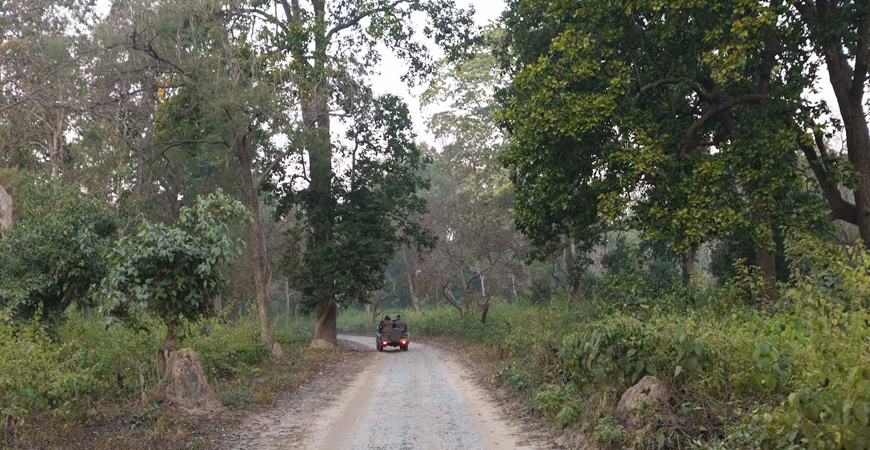
Jim Corbett National Park
3hrsJim Corbett National Park, in the Nainital and Pauri Garhwal districts of Uttarakhand, was established in 1936 as India's first national park, making it the oldest national park in the country.
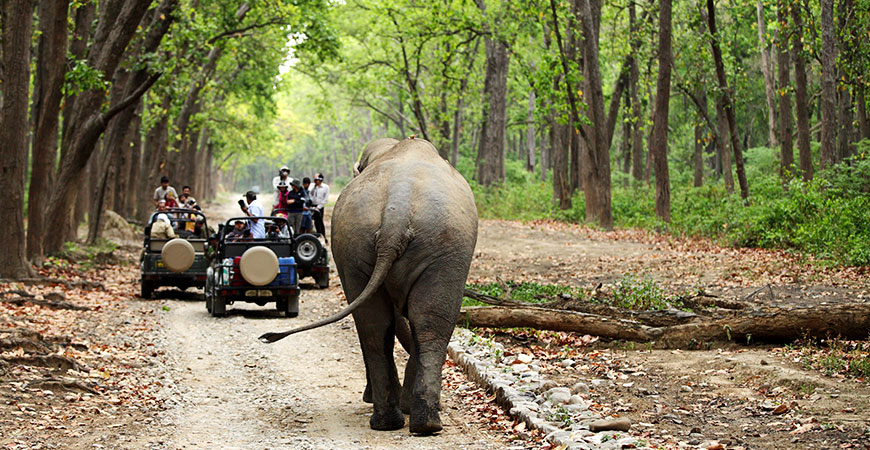
Dhikala Safari, Corbett
3hrsDhikala is the largest and most celebrated safari zone of Jim Corbett National Park, set deep within the park's core area around a vast grassland known as the Dhikala chaur.
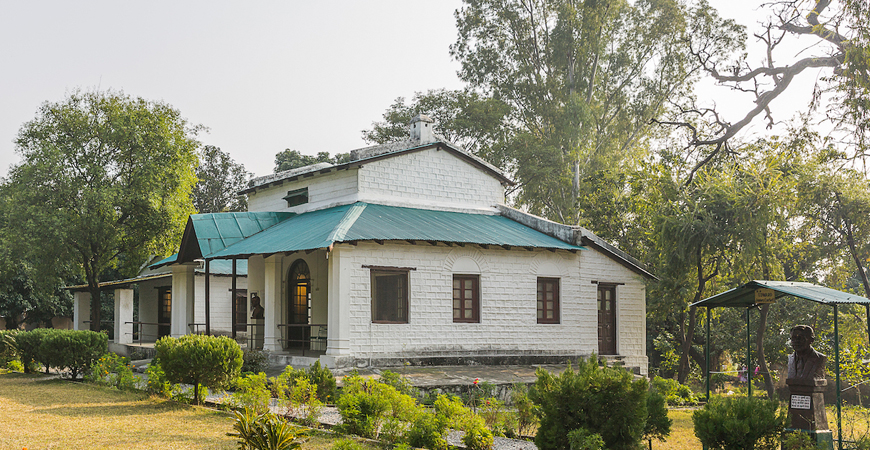
Choti Haldwani
3hrsChoti Haldwani is a small village near Kaladhungi, close to Jim Corbett National Park, founded in 1915 by Jim Corbett, the hunter-turned-conservationist after whom the park itself is named.

Ramganga: Corbett 's Meandering Lifeline
3hrsRiver Ramganga flows through the Jim Corbett Reserve for 40 kms. Anyone with a thirst for nature or wildlife, should visit here to see the amazing flora and fauna.
Ramganga Fishing
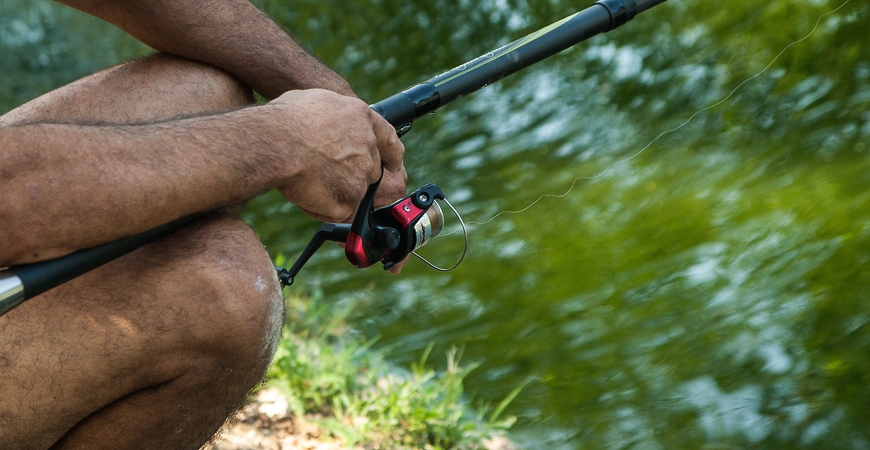
3hrsRamganga Fishing refers to the long-standing tradition of angling for golden mahseer on the Western Ramganga River, one of the most storied mahseer rivers in India, flowing past the Corbett region of Uttarakhand.
Bird Watching in Corbett
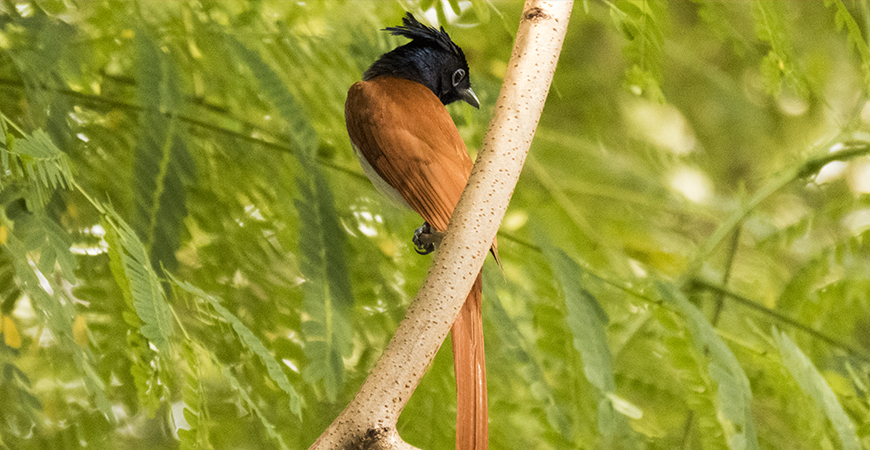
3hrsBird watching in Corbett ranks among the richest birding experiences in India, with more than 600 bird species recorded across the park and its surrounding landscape, from towering sal forest to open grassland and the Ramganga reservoir.
Garjiya Devi Temple
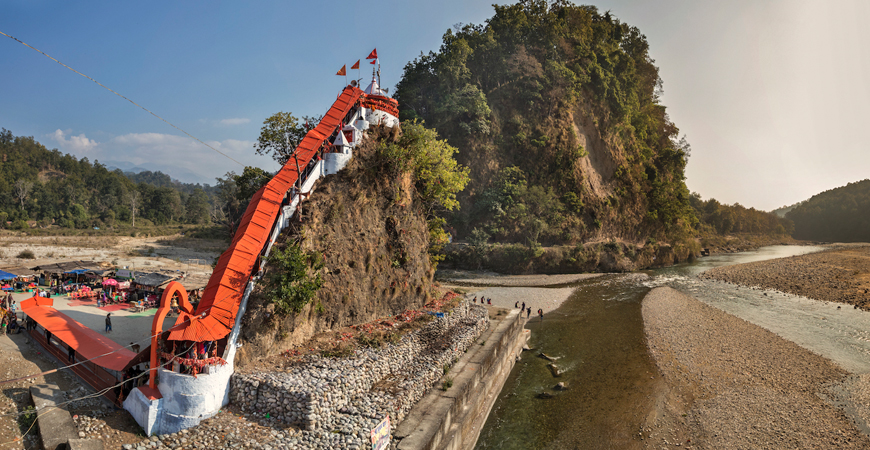
3hrsGarjiya Devi Temple, also known as Girija Devi Temple, stands on a large rock rising from the middle of the Kosi river, in Garjiya village near Ramnagar, on the outskirts of Jim Corbett National Park