


HOME DESTINATIONS Corbett
Bird Watching in Corbett
Bird watching in Corbett ranks among the richest birding experiences in India, with more than 600 bird species recorded across the park and its surrounding landscape, from towering sal forest to open grassland and the Ramganga reservoir.
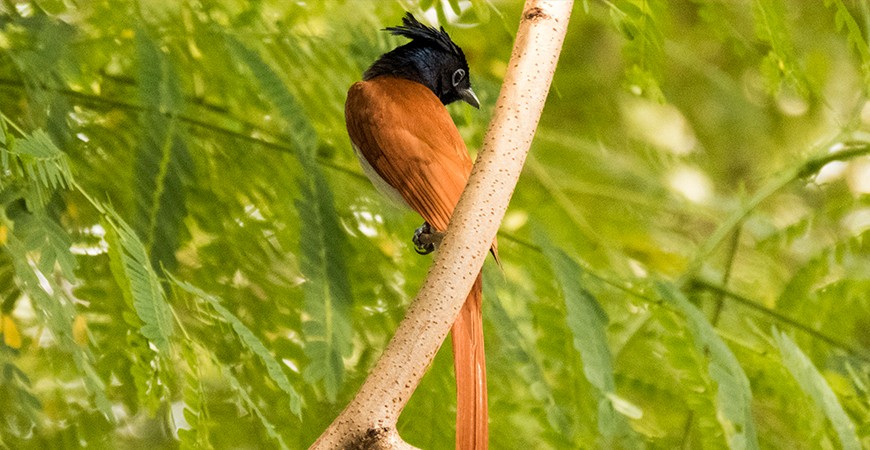
The park's habitats support everything from the enormous Great Hornbill to raptors such as the Pallas's Fish Eagle, alongside riverine specialists like the Ibisbill and Crested Kingfisher. A handful of birding areas, including Dhikala, Sitabani and the Kosi river stretch near Mohan, are especially well known among visiting birders.
This combination of habitat variety and species diversity has made Corbett as significant for ornithologists as it is for its tigers and elephants.
For visitors to the Corbett region with an interest in birds, this landscape offers one of the most rewarding bird watching destinations in the country.
Why Corbett Is Known as a Birding Destination
- Habitat variety: dense sal forest, open grassland, fast-flowing rivers and a large reservoir all sit within a relatively compact area.
- Species diversity: with more than 600 species recorded, Corbett has one of the richest bird lists of any protected area in India.
- Altitude range: the park's foothill setting, from the plains to over 1,000 m, brings together both plains and hill-country species.
- Migratory corridor: the region lies along a route used by birds migrating from Central Asia, the Himalayas and parts of Europe each winter.
How Many Bird Species Are Found in Corbett?
Corbett and its surrounding landscape are widely credited with more than 600 recorded bird species, a figure repeated across most tourism and conservation sources covering the park.
Formal checklists, which count only species with fully confirmed records, generally list a somewhat lower, more conservative number, while wider landscape counts that include nearby reserves and buffer areas push the total higher. Either way, Corbett's bird list is among the longest of any Indian tiger reserve.
Notable Resident Birds
Many of Corbett's most recognisable birds are present year-round, making them a reliable sight regardless of season.
- Great Hornbill: one of Corbett's most iconic birds, recognised by its large, colourful casqued bill.
- Crested Serpent Eagle: a common raptor of the park's wooded areas, often seen perched at treetop level.
- Red junglefowl, peafowl, parakeets, woodpeckers, drongos and barbets are also commonly sighted residents across the park's forested zones.
Notable Migratory Birds
Through the winter months, Corbett draws a wide range of migratory birds, arriving from as far as Central Asia, the Himalayas and parts of Europe.
- Pallas's Fish Eagle, a globally endangered species, is among the most sought-after migratory raptors seen along the park's rivers and reservoir.
- Black storks, greylag geese, river terns and steppe eagles are also recorded near the park's rivers, lakes and marshy margins during winter.
- Waterfowl numbers on the Ramganga reservoir typically peak in December, alongside wintering ospreys.
Raptors and Birds of Prey
Corbett holds an especially rich population of raptors, including several globally threatened species, found across its forest, grassland and riverine habitats.
- Grey-headed fish eagle and Pallas's fish eagle both hunt along the park's rivers and reservoir margins.
- Changeable hawk-eagle, greater spotted eagle and various vultures and falcons occur across the wider landscape.
- The lesser fish eagle, a near-threatened species, is also recorded within the reserve.
Riverine and Water Specialists
The park's rivers and reservoir support a distinct set of birds adapted to fast-flowing water and rocky riverbanks.
- Ibisbill, a striking wader of stony riverbeds, is a signature sighting for visiting birders, generally best looked for from November to March.
- Crested Kingfisher, along with common, stork-billed, white-throated and pied kingfishers, are all found along the park's waterways.
- The wallcreeper, a distinctive crimson-winged bird of rocky riverbanks, is another sought-after winter visitor.
Habitats That Support Corbett's Birdlife
Corbett's bird diversity is closely tied to the range of habitats found within a relatively small area.
- Sal forest supports hornbills, woodpeckers, owls and numerous smaller forest birds.
- Grassland, particularly the Dhikala chaur, favours ground-dwelling species, pheasants, harriers and open-country raptors.
- Rivers such as the Ramganga and Kosi support kingfishers, the Ibisbill and the wallcreeper.
- The Ramganga reservoir draws large numbers of waterfowl and fish-eating raptors, especially in winter.
Birding Areas In and Around Corbett
A handful of specific areas within and around the park are particularly well regarded among visiting birders.
- Dhikala: considered the best overall birding zone within the park, combining grassland, forest and reservoir-edge habitats in one area.
- Sitabani Forest Reserve: a buffer-area forest outside the core park, known for species such as the collared falconet and grey-headed fish eagle.
- Mohan, on the Kosi river: a village just outside the official park boundary, offering birding on foot along the river.
- Sonanadi Wildlife Sanctuary: part of the wider Corbett Tiger Reserve buffer zone, recognised as an Important Bird Area.
- Garjiya: another recognised birding spot along the park's river system.
Interesting Facts About Corbett's Birdlife
- More than 600 bird species have been recorded across Corbett and its surrounding landscape.
- The Great Hornbill is one of the park's most iconic resident birds.
- Pallas's Fish Eagle, a globally endangered species, is a major draw for visiting birders.
- The Ibisbill, a specialist of stony riverbeds, is best looked for between November and March.
- Dhikala is considered the single best birding zone within the park itself.
- Sonanadi Wildlife Sanctuary, part of the wider reserve, is recognised as an Important Bird Area.
- Waterfowl numbers on the Ramganga reservoir generally peak in December.
Best Season for Bird Watching in Corbett
Season |
Months |
What to expect |
Peak winter migratory season (best time) |
November to February |
The best season for birding in Corbett, with migratory raptors, waterfowl and species such as the Ibisbill and wallcreeper all present |
Resident breeding season |
April to May |
Good visibility of resident species in breeding plumage, including peafowl displays, along drier riverbeds |
Monsoon |
July to October |
Most core park zones are generally closed, limiting access to the park's main birding areas during this period |
How to Reach Corbett's Birding Areas
Mode |
How to reach |
By air |
Pantnagar Airport is the nearest airport, roughly 96 km away depending on the specific entry point. |
By train |
Ramnagar railway station is the main gateway station for the park and its surrounding birding areas. |
By road |
Dhikala is reached via Dhangarhi Gate; Sitabani, Mohan and other buffer-area birding sites are reached by road from Ramnagar. |
Where to Stay Near Corbett's Birding Areas
Sterling Holidays has two resorts in the Corbett region.
Sterling Riverview Jim Corbett
Sterling Riverview Jim Corbett sits beside the Ramganga near Marchula, close to the river habitats favoured by kingfishers, the Ibisbill and other riverine species, with the Dhikala zone about 25 km away.
The resort has 42 rooms and suites, along with the Tree House restaurant, serving Kumaoni, Indian and international dishes, an outdoor pool, a spa and a dedicated family activity area called Discovery Central.
Sterling Quinta Jim Corbett
Sterling Quinta Jim Corbett, in the Bail Parao-Kaladhungi belt of Ramnagar, is generally closer to the Sitabani and Ramnagar-side birding areas.
The newer of Sterling's two Corbett properties, it has 46 rooms across five categories, including rooms with private plunge pools, sit-outs and balconies, along with Nectar, its all-day dining restaurant, a swimming pool and a spa.
Other Attractions
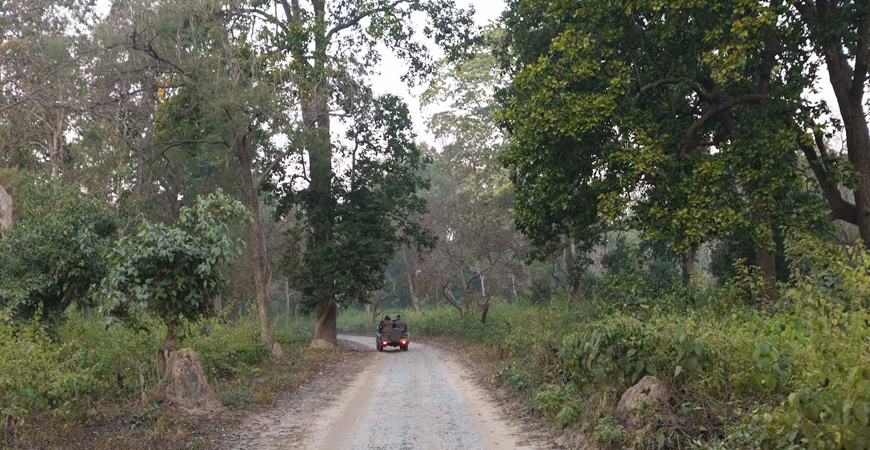
Jim Corbett National Park
3hrsJim Corbett National Park, in the Nainital and Pauri Garhwal districts of Uttarakhand, was established in 1936 as India's first national park, making it the oldest national park in the country.
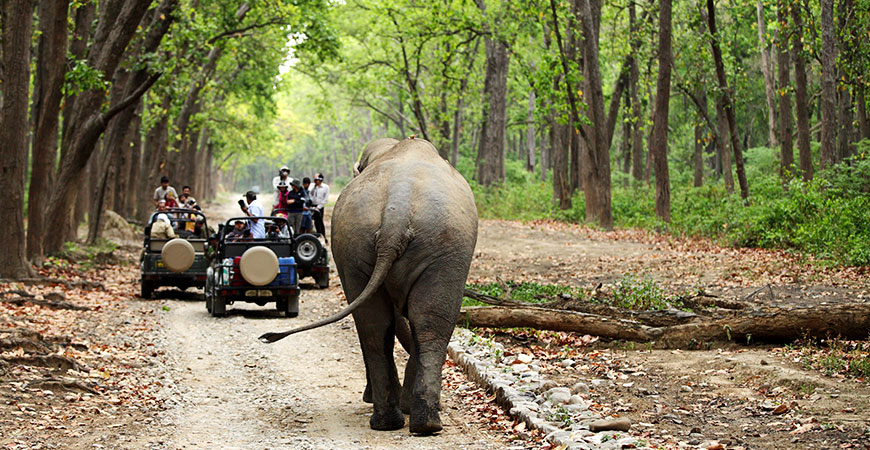
Dhikala Safari, Corbett
3hrsDhikala is the largest and most celebrated safari zone of Jim Corbett National Park, set deep within the park's core area around a vast grassland known as the Dhikala chaur.
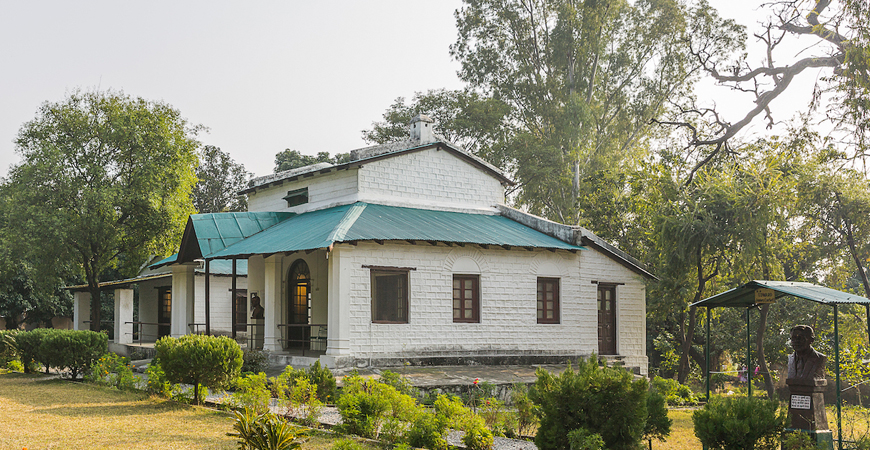
Choti Haldwani
3hrsChoti Haldwani is a small village near Kaladhungi, close to Jim Corbett National Park, founded in 1915 by Jim Corbett, the hunter-turned-conservationist after whom the park itself is named.

Ramganga: Corbett 's Meandering Lifeline
3hrsRiver Ramganga flows through the Jim Corbett Reserve for 40 kms. Anyone with a thirst for nature or wildlife, should visit here to see the amazing flora and fauna.
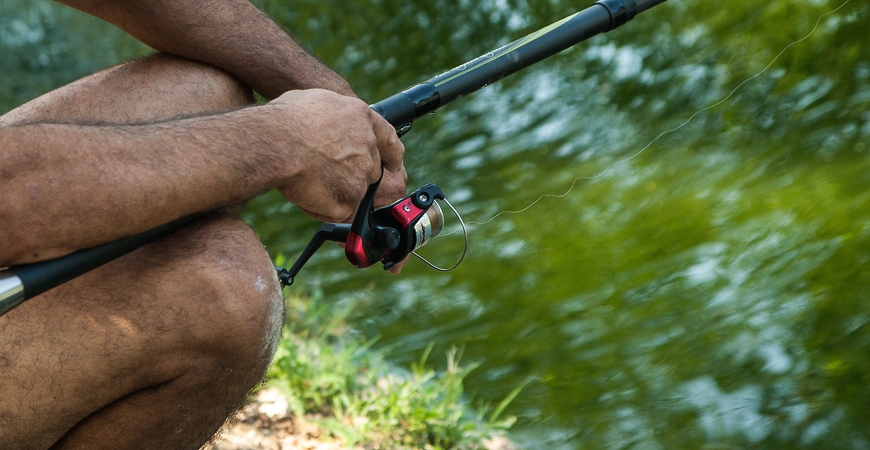
Ramganga Fishing
3hrsRamganga Fishing refers to the long-standing tradition of angling for golden mahseer on the Western Ramganga River, one of the most storied mahseer rivers in India, flowing past the Corbett region of Uttarakhand.
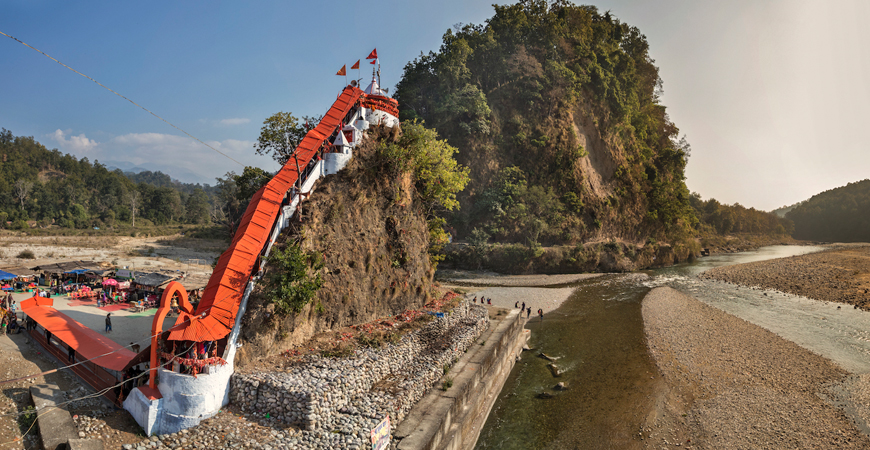
Garjiya Devi Temple
3hrsGarjiya Devi Temple, also known as Girija Devi Temple, stands on a large rock rising from the middle of the Kosi river, in Garjiya village near Ramnagar, on the outskirts of Jim Corbett National Park
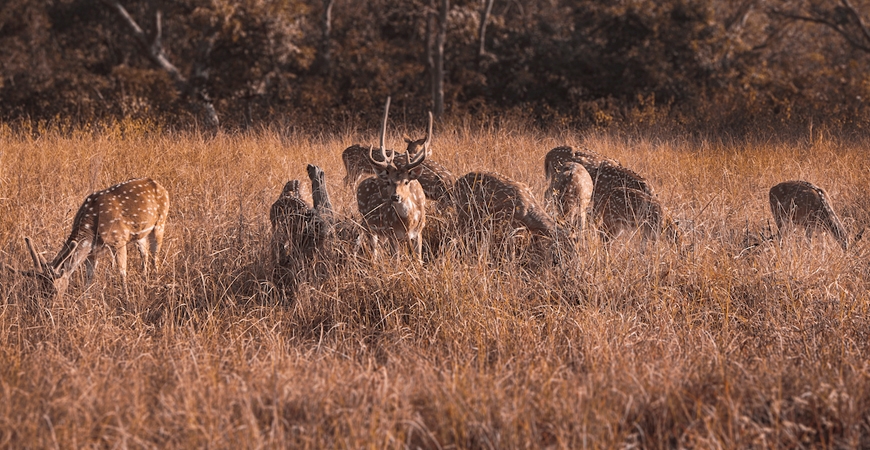
Bijrani Zone, Corbett
3hrsThe Bijrani zone is one of the most visited safari zones of Jim Corbett National Park, lying on the park's eastern edge, just a short distance from Ramnagar.