


HOME DESTINATIONS Corbett
Choti Haldwani
Choti Haldwani is a small village near Kaladhungi, close to Jim Corbett National Park, founded in 1915 by Jim Corbett, the hunter-turned-conservationist after whom the park itself is named.
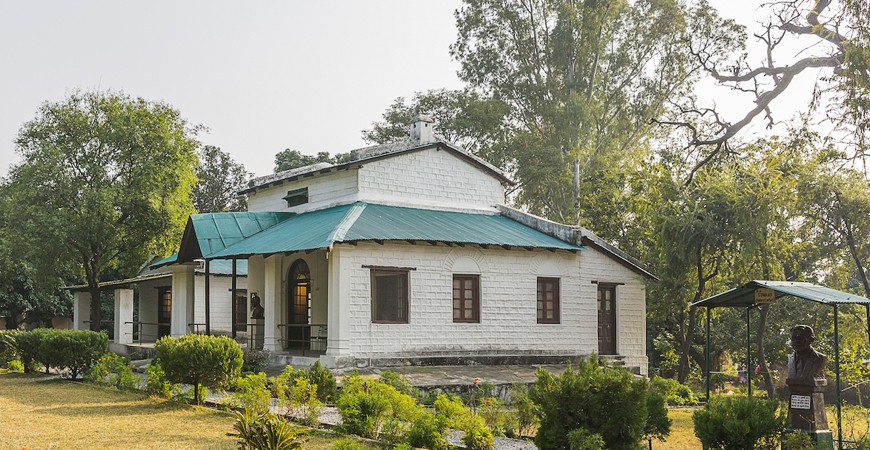
Corbett bought the land to establish a model farming village for local tenants, later making them owners of their own land and protecting their fields with a long stone boundary known as the Corbett Wall. Nearby, his winter home at Kaladhungi, built in 1922, is now preserved as the Jim Corbett Museum.
More than a century on, Choti Haldwani remains a living settlement, home to several hundred residents descended from the original tenant families Corbett once knew personally.
For visitors to the Corbett region, Choti Haldwani offers a direct connection to the personal history of the man the park is named after.
What Is Choti Haldwani?
Choti Haldwani is a small village adjoining Kaladhungi, founded as a planned farming settlement by Jim Corbett in 1915.
Corbett purchased the land specifically to give local tenant families a stable place to farm and live, developing irrigation and agriculture to help the community sustain itself.
Where Is Choti Haldwani Located?
The village lies immediately beside Kaladhungi, a town in the Nainital district of Uttarakhand, close to Jim Corbett National Park.
- Kaladhungi itself lies roughly 30.2 km from Ramnagar, the main gateway town to the park.
- Choti Haldwani sits directly behind Corbett's former winter home, now the Jim Corbett Museum.
Choti Haldwani at a Glance
Fact |
Details |
Founded |
1915, by Jim Corbett |
Land purchased from |
Guman Singh Barua |
Original village size |
About 221 acres |
Present population |
Over 130 families, roughly 750 residents |
Protective structure |
The Corbett Wall, a 9 km stone boundary wall |
Nearby museum |
Jim Corbett Museum, Kaladhungi (Corbett's winter home, built 1922) |
Community body |
Corbett Gram Vikas Samiti |
Village meeting space |
The Chaupal, where Corbett once met with villagers |
How Jim Corbett Established the Village
Buying the Land
In 1915, Jim Corbett purchased around 221 acres of land from Guman Singh Barua to establish Choti Haldwani as a model farming village for local tenant families.
Developing Agriculture and Irrigation
Corbett worked to develop agriculture in the village, building irrigation waterways to water the fields and orchards, many of which are reportedly still in use by villagers today.
Making Tenants Landowners
Before leaving India, Corbett ensured that the families farming the land became its legal owners. He is reported to have continued paying land revenue on behalf of the villagers from Kenya, where he later settled, right up until his death.
A Lasting Community
Today, Choti Haldwani is home to more than 130 families and around 750 residents, many descended from the original tenant families Corbett knew personally.
The Corbett Wall
One of the village's most distinctive features is the Corbett Wall, a stone boundary wall roughly 9 km long, built to protect the village's fields and livestock from wild animals such as wild boar.
According to local accounts, the wall took around a decade to complete and still stands today, encircling the village much as it did during Corbett's own lifetime.
Jim Corbett's Winter Home: The Corbett Museum
Close to the village stands Corbett's former winter residence at Kaladhungi, an Irish-style house built in 1922, where he lived during the colder months before moving to Gurney House in Nainital each summer.
- The house was later sold before Corbett left India, eventually passing to the Forest Department.
- It was converted into the Jim Corbett Museum in 1967, preserving his letters, photographs and personal memorabilia.
- The graves of Corbett's dogs, Robin and Rosina, are also located on the museum grounds.
The museum remains one of the most direct places to learn about Corbett's own life, alongside his wider legacy as a conservationist.
Village Life and Heritage
At the heart of the village stands the Chaupal, the traditional meeting space where Corbett is said to have regularly gathered with villagers to discuss the community's affairs.
The village today is represented by the Corbett Gram Vikas Samiti, a community organisation that has continued to care for Choti Haldwani's heritage and its connection to Corbett's legacy over the decades since his departure.
The Beauty of Choti Haldwani
Choti Haldwani's appeal lies in its quiet, lived-in character: farmland and orchards enclosed by the old stone wall, a village chaupal still standing after a century, and the nearby museum preserving the memory of the man who shaped it.
This blend of everyday rural life and personal history gives the village a character quite distinct from the wilder landscapes of the national park nearby.
Interesting Facts About Choti Haldwani
- Jim Corbett founded the village in 1915, buying the land from Guman Singh Barua.
- The Corbett Wall, protecting the village, runs about 9 km and took roughly a decade to build.
- Corbett made his tenants legal owners of their land before leaving India.
- He is reported to have paid land revenue on their behalf from Kenya until his death.
- The village is home to over 130 families and around 750 residents today.
- Corbett's winter home nearby, built in 1922, became the Jim Corbett Museum in 1967.
- The graves of Corbett's dogs, Robin and Rosina, lie within the museum grounds.
Best Time to Visit Choti Haldwani
Season |
Months |
What to expect |
Winter (best time) |
November to February |
The best time to visit Corbett and Choti Haldwani, with cool, comfortable weather for visiting the village and museum |
Summer |
March to June |
Warmer weather, typical of the Kumaon foothills |
Monsoon |
July to October |
Heavy rain across the region, with the village's fields and orchards at their greenest |
How to Reach Choti Haldwani
Mode |
How to reach |
By air |
Pantnagar Airport is the nearest airport, with the rest of the journey by road. |
By train |
Ramnagar railway station is the main gateway station, with onward road access to Kaladhungi. |
By road |
Choti Haldwani lies beside Kaladhungi, about 29.9 km from Ramnagar. |
Sterling Resorts Near Choti Haldwani
Sterling Holidays has two resorts in the Corbett region.
Sterling Quinta Jim Corbett
Sterling Quinta Jim Corbett, in the Bail Parao-Kaladhungi belt of Ramnagar, is about 16 km from Choti Haldwani. The resort has 46 rooms across five categories, including rooms with private plunge pools, sit-outs and balconies, along with Nectar, its all-day dining restaurant, a swimming pool and a spa.
Sterling Riverview Jim Corbett
Sterling Riverview Jim Corbett, near Marchula, lies 64.7 km from Choti Haldwani. The resort has 42 rooms and suites, along with the Tree House restaurant, serving Kumaoni, Indian and international dishes, an outdoor pool, a spa and a dedicated family activity area called Discovery Central.
Other Attractions
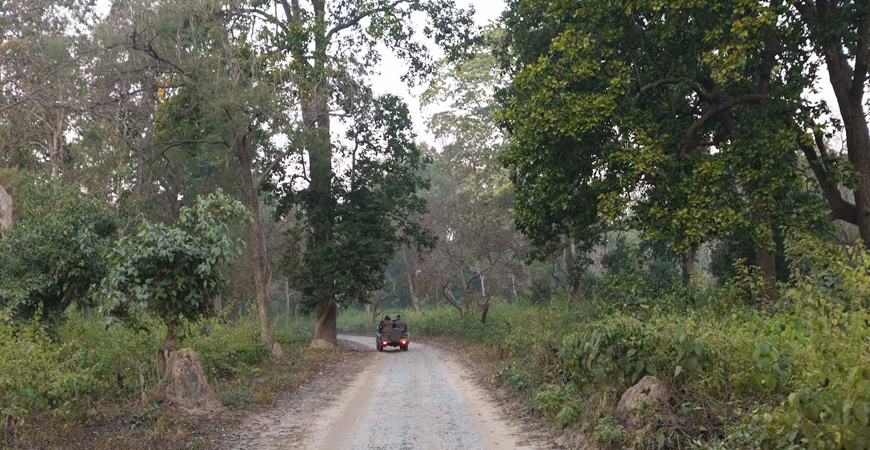
Jim Corbett National Park
3hrsJim Corbett National Park, in the Nainital and Pauri Garhwal districts of Uttarakhand, was established in 1936 as India's first national park, making it the oldest national park in the country.
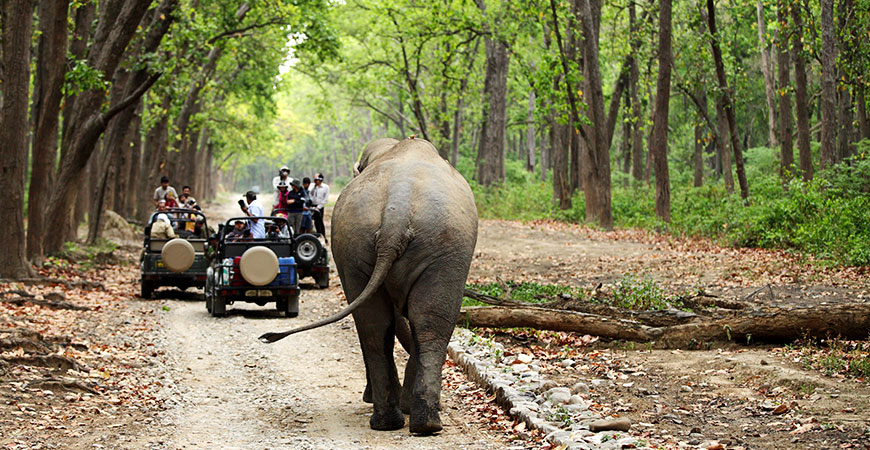
Dhikala Safari, Corbett
3hrsDhikala is the largest and most celebrated safari zone of Jim Corbett National Park, set deep within the park's core area around a vast grassland known as the Dhikala chaur.

Ramganga: Corbett 's Meandering Lifeline
3hrsRiver Ramganga flows through the Jim Corbett Reserve for 40 kms. Anyone with a thirst for nature or wildlife, should visit here to see the amazing flora and fauna.
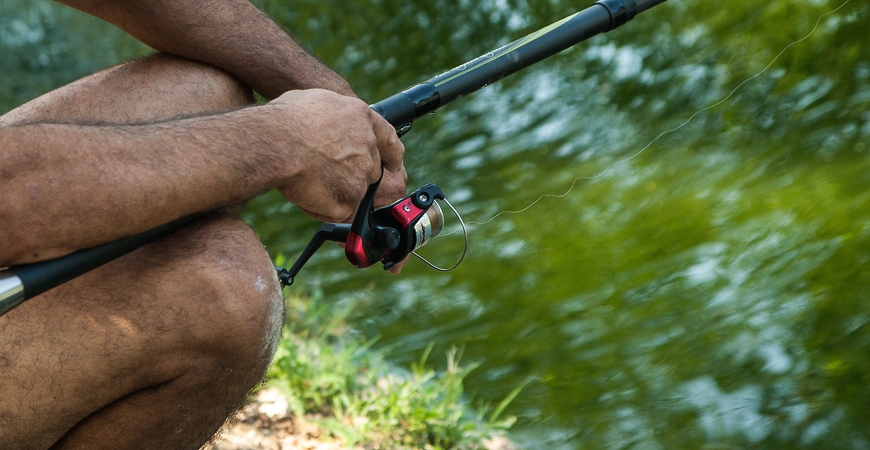
Ramganga Fishing
3hrsRamganga Fishing refers to the long-standing tradition of angling for golden mahseer on the Western Ramganga River, one of the most storied mahseer rivers in India, flowing past the Corbett region of Uttarakhand.
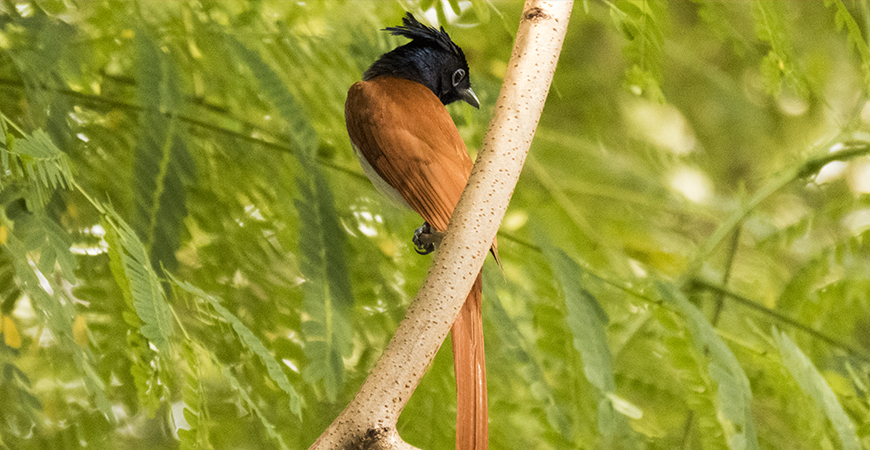
Bird Watching in Corbett
3hrsBird watching in Corbett ranks among the richest birding experiences in India, with more than 600 bird species recorded across the park and its surrounding landscape, from towering sal forest to open grassland and the Ramganga reservoir.
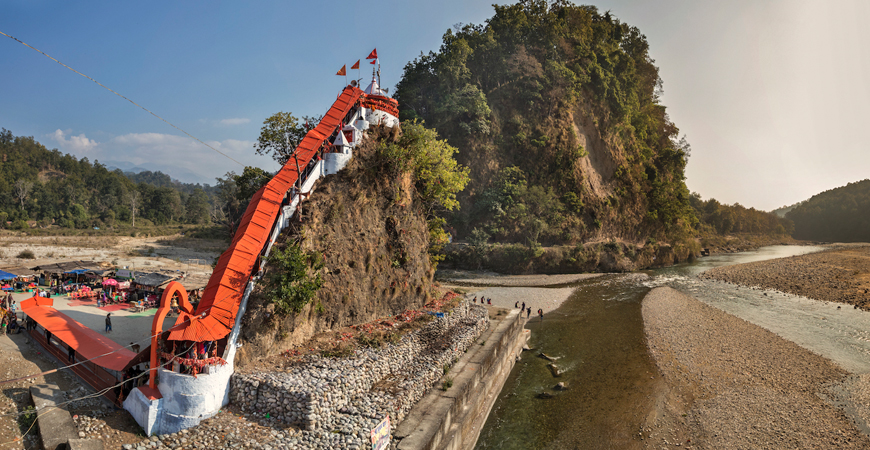
Garjiya Devi Temple
3hrsGarjiya Devi Temple, also known as Girija Devi Temple, stands on a large rock rising from the middle of the Kosi river, in Garjiya village near Ramnagar, on the outskirts of Jim Corbett National Park
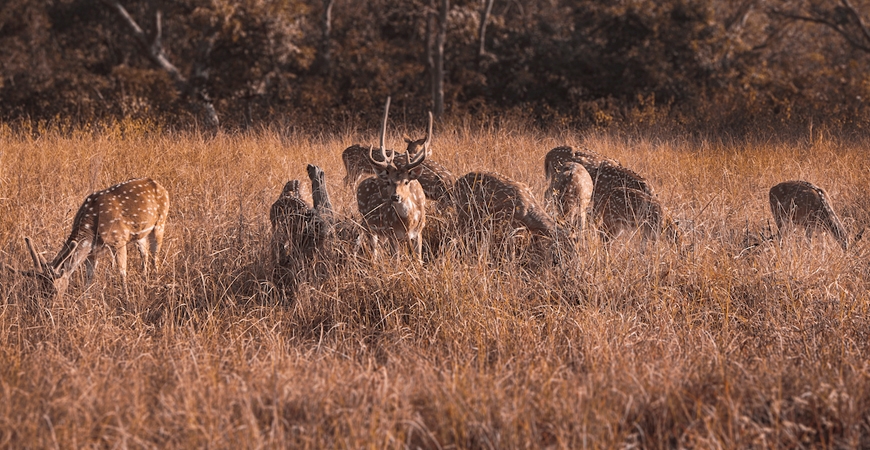
Bijrani Zone, Corbett
3hrsThe Bijrani zone is one of the most visited safari zones of Jim Corbett National Park, lying on the park's eastern edge, just a short distance from Ramnagar.