


HOME DESTINATIONS Corbett
Dhikala Safari, Corbett
Dhikala is the largest and most celebrated safari zone of Jim Corbett National Park, set deep within the park's core area around a vast grassland known as the Dhikala chaur.
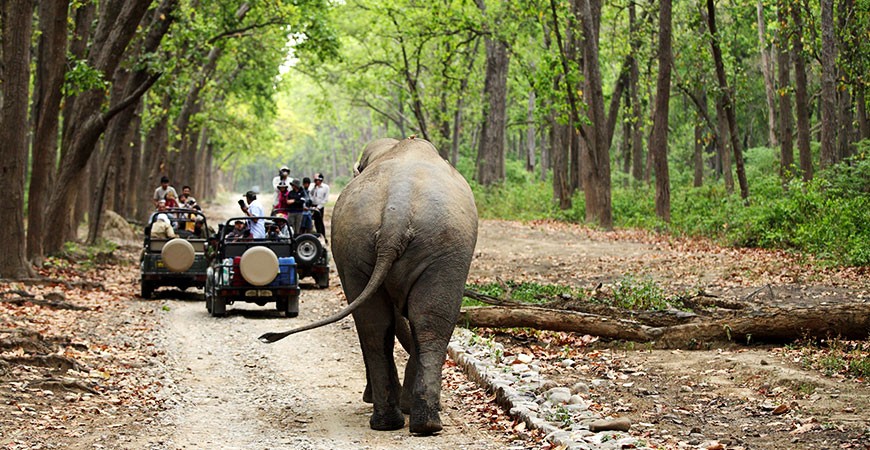
Reached through Dhangarhi Gate, about 18.1 km from Ramnagar, and a further 30 km inside the park, Dhikala sits beside the Ramganga reservoir, with the Patli Dun valley and the Himalayan foothills rising in the distance. Its open grassland, dense sal forest and riverine channels give it the widest variety of landscape found in any single zone of the reserve.
The zone is closely associated with sightings of the Bengal tiger and Asiatic elephant, alongside a historic forest rest house with a direct connection to Project Tiger's own history.
For visitors to the Corbett region, Dhikala Safari remains the benchmark wildlife experience within the park.
What Is the Dhikala Zone?
Dhikala is the largest of Jim Corbett National Park's safari zones, named after the extensive Dhikala chaur, the biggest grassland in the entire reserve.
Unlike the denser sal forest found in much of the rest of the park, Dhikala's open grassland gives visitors a far wider field of view, which is part of why wildlife sightings here are considered among the best in Corbett.
Where Is Dhikala Located in the Park?
Dhikala lies deep within the core area of Jim Corbett National Park, reached through Dhangarhi Gate, the designated entry point for this zone.
- Dhangarhi Gate itself is about 18.1 km from Ramnagar, the main gateway town to the park.
- From the gate, the Dhikala zone lies a further 30 km inside the park, reached along a forest road passing through sal forest and several river channels.
- The zone sits beside the Ramganga reservoir, within the wider Patli Dun valley.
Dhikala Zone at a Glance
Fact |
Details |
Status |
Largest zone of Jim Corbett National Park |
Entry gate |
Dhangarhi Gate |
Distance from Ramnagar to gate |
About 18.1 km |
Distance from gate to Dhikala |
About 30 km |
Named after |
The Dhikala chaur, the park's largest grassland |
Water body |
Ramganga reservoir |
Notable feature |
The best-known zone for overnight stays inside the core forest |
Historic link |
Associated with the launch of Project Tiger |
Vegetation |
Sal forest, grassland (chaur) and riverine channels |
The Dhikala Chaur Grasslands
The Dhikala chaur is the largest surviving grassland in the Corbett Tiger Reserve landscape, giving the zone its name and much of its character.
Open and expansive, the chaur stands in clear contrast to the dense sal forest covering most of the rest of the park, offering sweeping views across the grassland towards the surrounding hills. A neighbouring grassland, the Phulai chaur, lies close by, extending this open landscape further.
The Ramganga River and Reservoir
Dhikala sits directly beside the Ramganga reservoir, formed by the Kalagarh Dam on the Ramganga river, with the Dhikala Forest Rest House commanding a wide view over the water.
From the rest house, the view also takes in the wider Patli Dun valley and, on clear days, the Himalayan foothills of the Garhwal and Kumaon regions beyond.
Wildlife of the Dhikala Zone
Dhikala is widely regarded as offering the park's highest tiger sighting rate, attributed to its open terrain and the large herbivore population the grassland supports.
- Royal Bengal Tigers are regularly sighted across the zone, particularly around the grassland edges and forest trails.
- Asiatic elephants gather here in substantial herds, especially visible grazing on the chaur in the evenings.
- Spotted deer (chital), hog deer, sambar and barking deer are all commonly seen across the grassland and forest.
- The Ramganga reservoir supports mugger crocodiles, gharials and otters, often seen along the water's edge.
Birdlife in Dhikala
Dhikala's mix of water, grassland and forest habitats makes it an important site within Corbett's wider reputation for birdlife, which numbers over 600 species across the park as a whole.
Species associated with the zone's riverine stretches include kingfishers and fish eagles, often seen around the Mahseer-rich pools of the Ramganga.
The Historic Dhikala Forest Rest House
The Dhikala Forest Rest House is one of the oldest and largest rest houses within the Corbett Tiger Reserve, managed by the forest department.
- The rest house is the only one in the Corbett Tiger Reserve with electricity within its rooms.
- It is also the best-known place in the reserve for an overnight stay inside the core forest area.
- The site holds a notable place in conservation history, closely associated with the launch of Project Tiger.
This combination of history, scale and setting makes the Dhikala Forest Rest House one of the most significant structures anywhere within the reserve.
The Landscape and Views of Dhikala
Dhikala's appeal lies in the sheer range of landscape packed into a single zone: dense sal forest giving way to open grassland, river channels threading through the chaur, and the wide waters of the Ramganga reservoir beyond.
Few other parts of Corbett offer such a complete cross-section of the reserve's habitats within one safari zone.
Interesting Facts About the Dhikala Zone
- Dhikala is the largest safari zone in Jim Corbett National Park.
- The zone is named after the Dhikala chaur, the reserve's largest grassland.
- Dhangarhi Gate, the entry point for the zone, lies about 18.1 km from Ramnagar.
- Dhikala itself lies about 30 km inside the park from Dhangarhi Gate.
- It is the most popular zone in Corbett for overnight stays inside the core forest.
- The Dhikala Forest Rest House is the only rest house in the reserve with electricity in its rooms.
- The zone offers the highest reported tiger sighting rate in the park.
Season When Dhikala Is Usually Open
Season |
Months |
What to expect |
Open season (most reliable) |
Mid-November to mid-June |
The zone is generally open during these months, with wildlife viewing considered best from November to June |
Monsoon closure |
Mid-June to mid-November |
The zone is generally closed during the monsoon, when the Ramganga reservoir and grasslands receive heavy rain |
How to Reach Dhikala
Mode |
How to reach |
By air |
Pantnagar Airport is the nearest airport, roughly 104.2 km away depending on the specific entry point. |
By train |
Ramnagar railway station is the main gateway station, with onward road access to Dhangarhi Gate. |
By road |
Dhangarhi Gate lies about 18.1 km from Ramnagar, with Dhikala a further 30 km inside the park. |
Where to Stay Near Dhikala Safari Zone
Sterling Holidays has two resorts in the Corbett region.
Sterling Riverview Jim Corbett
Sterling Riverview Jim Corbett, near Marchula, is about 16.8 km from Dhikala.
The resort has 42 rooms and suites, along with the Tree House restaurant, serving Kumaoni, Indian and international dishes, an outdoor pool, a spa and a dedicated family activity area called Discovery Central.
Sterling Quinta Jim Corbett
Sterling Quinta Jim Corbett, in the Bail Parao-Kaladhungi belt of Ramnagar, is about 33.4 km from Dhikala. The newer of Sterling's two Corbett properties, it has 46 rooms across five categories, including rooms with private plunge pools, sit-outs and balconies, along with Nectar, its all-day dining restaurant, a swimming pool and a spa.
Other Attractions
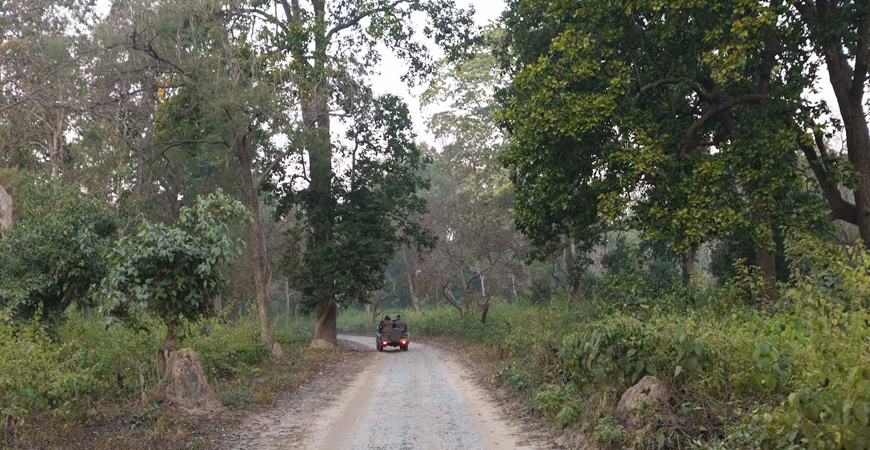
Jim Corbett National Park
3hrsJim Corbett National Park, in the Nainital and Pauri Garhwal districts of Uttarakhand, was established in 1936 as India's first national park, making it the oldest national park in the country.
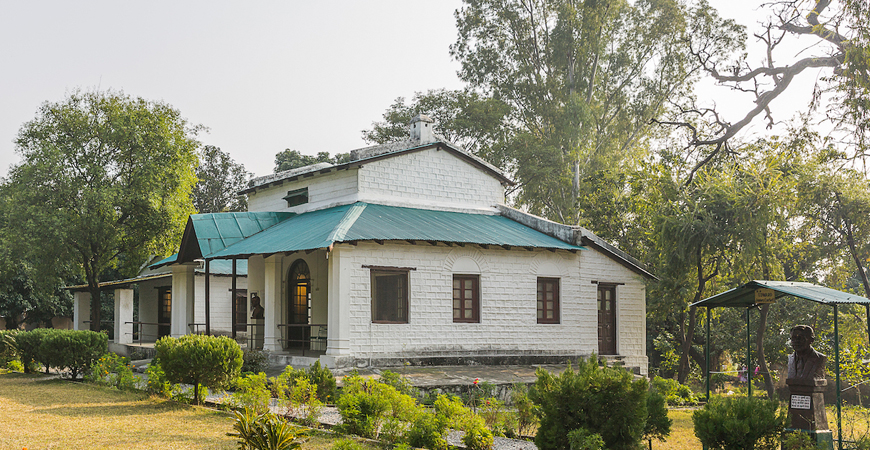
Choti Haldwani
3hrsChoti Haldwani is a small village near Kaladhungi, close to Jim Corbett National Park, founded in 1915 by Jim Corbett, the hunter-turned-conservationist after whom the park itself is named.

Ramganga: Corbett 's Meandering Lifeline
3hrsRiver Ramganga flows through the Jim Corbett Reserve for 40 kms. Anyone with a thirst for nature or wildlife, should visit here to see the amazing flora and fauna.
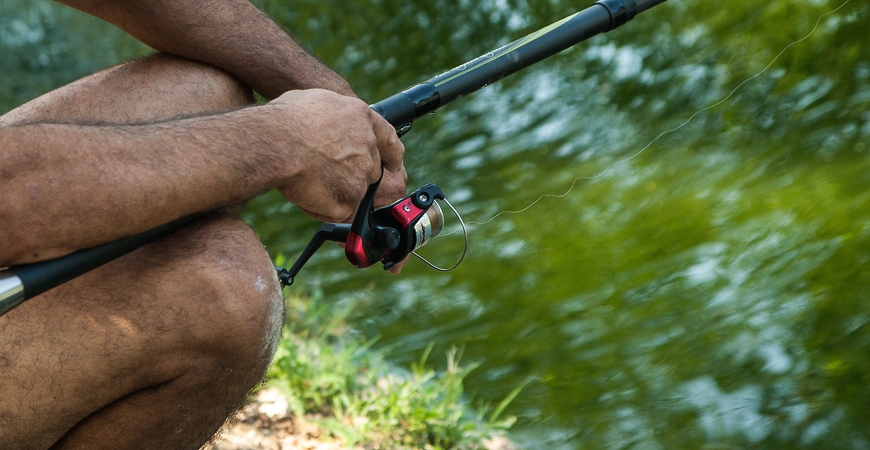
Ramganga Fishing
3hrsRamganga Fishing refers to the long-standing tradition of angling for golden mahseer on the Western Ramganga River, one of the most storied mahseer rivers in India, flowing past the Corbett region of Uttarakhand.
Bird Watching in Corbett
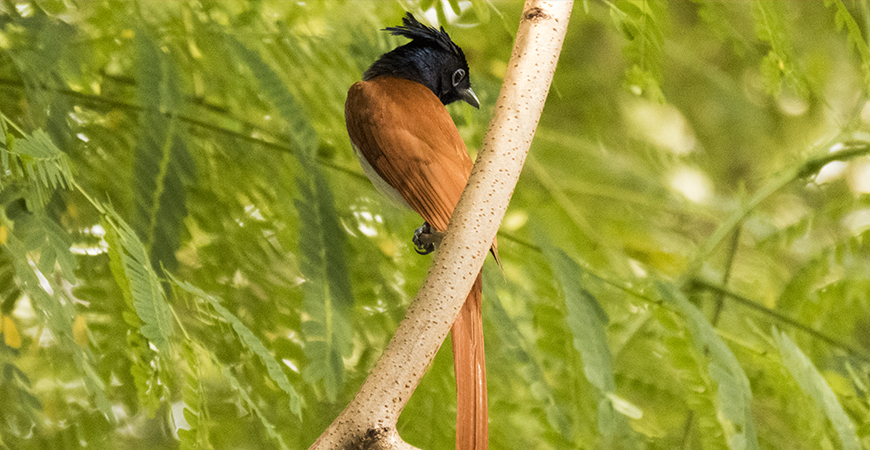
3hrsBird watching in Corbett ranks among the richest birding experiences in India, with more than 600 bird species recorded across the park and its surrounding landscape, from towering sal forest to open grassland and the Ramganga reservoir.
Garjiya Devi Temple
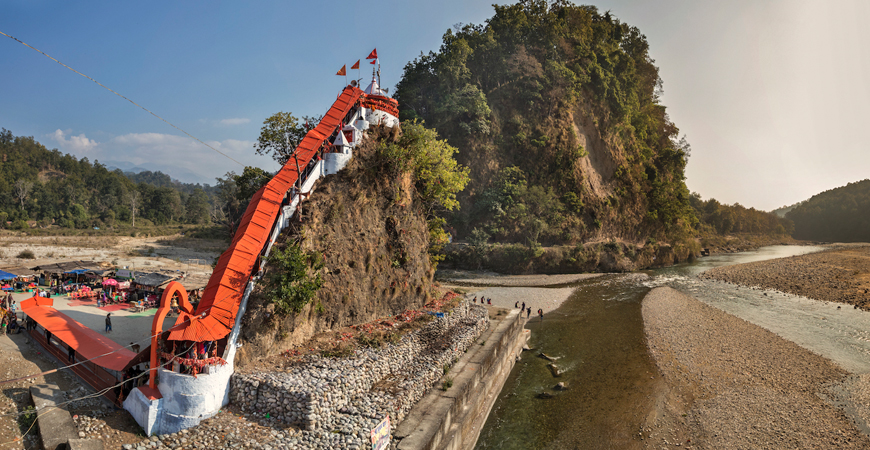
3hrsGarjiya Devi Temple, also known as Girija Devi Temple, stands on a large rock rising from the middle of the Kosi river, in Garjiya village near Ramnagar, on the outskirts of Jim Corbett National Park
Bijrani Zone, Corbett
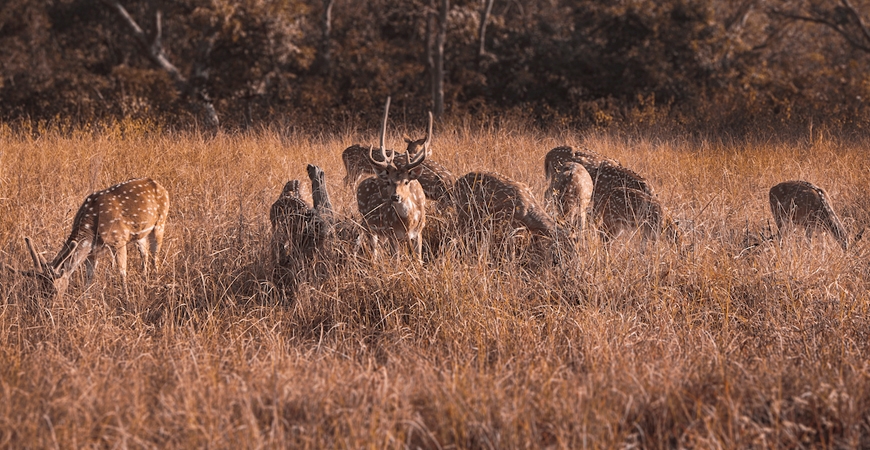
3hrsThe Bijrani zone is one of the most visited safari zones of Jim Corbett National Park, lying on the park's eastern edge, just a short distance from Ramnagar.