


HOME DESTINATIONS Corbett
Garjiya Devi Temple
Garjiya Devi Temple, also known as Girija Devi Temple, stands on a large rock rising from the middle of the Kosi river, in Garjiya village near Ramnagar, on the outskirts of Jim Corbett National Park
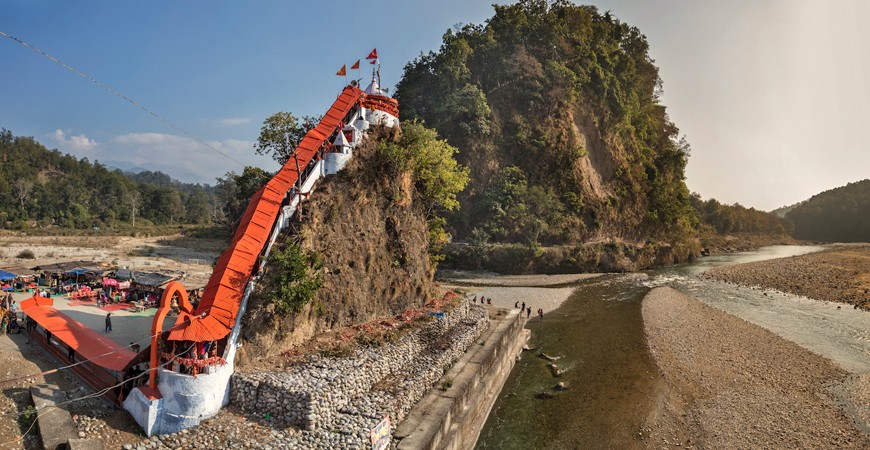
Dedicated to Garjiya Devi, regarded as an incarnation of Goddess Parvati, the temple is considered one of the revered Shakti Peethas of the Kumaon region. Thousands of devotees gather here each year for the Kartik Purnima fair, when the temple is lit with diyas and bulbs against the backdrop of the river.
Set against flowing water, surrounded by greenery and distant hills, the temple's unusual riverside position gives it a striking, memorable setting even beyond its religious significance.
For visitors to the Corbett region, Garjiya Devi Temple offers both a place of pilgrimage and one of the most visually distinctive sights near Ramnagar.
What Is Garjiya Devi Temple?
Garjiya Devi Temple is a Hindu shrine dedicated to Garjiya Devi, worshipped as an incarnation of Goddess Parvati, daughter of Giriraj, the king of the Himalayas.
The temple is built directly on top of a large rock standing in the Kosi river, giving the shrine the appearance of a small island whenever the river is in flow around it.
Where Is Garjiya Devi Temple Located?
The temple stands in Garjiya village, about 14.2 km from Ramnagar, on NH 121, in Nainital district, Uttarakhand, on the outskirts of Jim Corbett National Park.
- The shrine rises from a large rock in the middle of the Kosi river, with the temple built on top of the rock itself.
- The surrounding area combines river, greenery and distant hills, giving the site its distinctive riverside setting.
Garjiya Devi Temple at a Glance
Fact |
Details |
Also known as |
Girija Devi Temple |
Deity |
Garjiya Devi, an incarnation of Goddess Parvati |
Location |
Garjiya village, about 14.2 km from Ramnagar, Nainital district |
Setting |
Built on a large rock in the middle of the Kosi river |
Religious classification |
Regarded as one of the Shakti Peethas of the Kumaon region |
Other deities at the site |
Devi Saraswati, Lord Ganesha and Bhairav Nath, alongside a Laxmi-Narayan shrine on the premises |
Main festival |
Kartik Purnima, in October or November |
Coincides with |
Guru Nanak Jayanti |
The Deity: Garjiya Devi
Garjiya Devi is worshipped as a manifestation of Goddess Parvati, daughter of Giriraj, the Himalayan king, placing the temple within the wider Shakti tradition of goddess worship found across the Kumaon hills.
Alongside the main idol of Garjiya Devi, the temple complex also houses images of Devi Saraswati, Lord Ganesha and Bhairav Nath, along with a separate shrine to Laxmi-Narayan within the same premises.
The Legend of Garjiya Devi
The most widely told legend connects Garjiya Devi directly to the Kosi river itself and its history of flooding.
- According to this legend, Bhairav Dev, a devotee of Lord Shiva, asked his sister Garjiya to marry the river Kosi and settle upon it, in order to calm its destructive floods.
- Garjiya is said to have agreed, taking up residence on the rock in the middle of the river.
- Local tradition holds that once Garjiya Devi settled on the rock, the Kosi river stopped flooding the surrounding land.
A separate, alternative version of the temple's origin describes a large rock being carried down the Kosi during a major flood, which was then regarded as a divine sign by local villagers, who began worshipping at the spot.
The Dhikuli Connection
The temple's history is also closely linked in local tradition to Dhikuli, an ancient rural area near Ramnagar with a genuine archaeological significance of its own.
- Edwin T. Atkinson's Himalayan Gazetteer (1882) records ruins at Dhikuli suggesting an early civilisation, with the village believed to have been built from material taken from an even older, earlier city.
- Some scholars have identified this earlier city with Vairat-patan, an ancient capital, or alternatively with Govisana, a city the 7th-century Chinese traveller Hiuen Tsang recorded visiting in this region.
- Ruins at Dhikuli, including old temple remains, stone structures and tanks, are thought by some researchers to date to the Katyuri period.
Religious Significance
Garjiya Devi Temple is regarded locally as one of the revered Shakti Peethas of the Kumaon region, with a history local tradition connects to old royal houses such as the Katyuri and Kuru dynasties.
The Wider Shakti Peetha Tradition
Across India, the classical Shakti Peethas are sites traditionally associated with the mythology of the goddess Sati, said to mark places where parts of her body fell after her self-immolation, in Puranic tradition. Garjiya Devi Temple's own legend, tied specifically to Parvati and the Kosi river rather than to this Sati story directly, places it within the broader Shakti worship tradition of the Kumaon hills as a regionally revered shrine, rather than among the most widely catalogued pan-Indian peethas.
The Katyuri Dynasty's Legacy
The Katyuri dynasty, which ruled large parts of Kumaon and Garhwal from around the 8th to the 13th century, is remembered for its distinctive temple architecture, remnants of which are still found across the region. Local tradition connects the Garjiya Devi shrine's history to this same royal legacy, alongside the Kuru dynasty.
This status, alongside its striking riverside setting, has made the temple one of the most visited pilgrimage sites in the wider Ramnagar area.
Festivals: The Kartik Purnima Fair
The temple's most important annual celebration is the Kartik Purnima fair, held on the full moon of the Hindu month of Kartik, generally falling in October or November.
- Thousands of devotees travel to the temple for this occasion, many taking a holy dip in the Kosi river before offering prayers.
- The temple is decorated with diyas and coloured bulbs for the occasion, giving it a distinctly festive appearance after dark.
- Kartik Purnima coincides with Guru Nanak Jayanti, the Sikh festival marking the birth anniversary of Guru Nanak.
The Beauty of Garjiya Devi Temple
The temple's setting, perched on a rock surrounded by the flowing Kosi river, with greenery along the banks and hills rising in the distance, gives it a visual character quite different from temples built on level ground.
This combination of natural scenery and sacred architecture is part of why Garjiya Devi Temple remains one of the most photographed religious sites near Corbett.
Interesting Facts About Garjiya Devi Temple
- Garjiya Devi is worshipped as an incarnation of Goddess Parvati.
- The temple is built on a large rock standing in the middle of the Kosi river.
- It is regarded as one of the Shakti Peethas of the Kumaon region.
- Local legend credits Garjiya Devi's presence with ending the Kosi river's destructive flooding.
- The temple complex also houses images of Saraswati, Ganesha and Bhairav Nath, along with a Laxmi-Narayan shrine.
- The annual Kartik Purnima fair coincides with Guru Nanak Jayanti.
- The temple's history is locally connected to Dhikuli, an ancient rural area near Ramnagar.
- Dhikuli's ruins have been linked by some scholars to Vairat-patan or to Govisana, a city visited by the 7th-century traveller Hiuen Tsang.
- The Katyuri dynasty ruled large parts of Kumaon and Garhwal from about the 8th to the 13th century.
Best Time to Visit Garjiya Devi Temple
Season |
Months |
What to expect |
Kartik Purnima (best time for the fair) |
October or November |
The temple's main annual fair, with thousands of devotees and the shrine lit with diyas and bulbs |
Winter |
November to February |
Cool, comfortable weather for visiting outside the festival period |
Monsoon |
July to September |
The Kosi river rises considerably, and the temple can become harder to access during this period |
How to Reach Garjiya Devi Temple
Mode |
How to reach |
By air |
Pantnagar Airport is the nearest airport, roughly 86.2 km from Ramnagar. |
By train |
Ramnagar railway station is the main gateway station, about 15.5 km from the temple. |
By road |
The temple is about 14.2 km from Ramnagar, on NH 121, in Garjiya village. |
Sterling Resorts Near Garjiya Devi Temple
Sterling Holidays has two resorts in the Corbett region.
Sterling Riverview Jim Corbett
Sterling Riverview Jim Corbett, at Marchula, is about 22.6 km from Garjiya Devi Temple.
The resort has 42 rooms and suites, along with the Tree House restaurant, serving Kumaoni, Indian and international dishes, an outdoor pool, a spa and a dedicated family activity area called Discovery Central.
Sterling Quinta Jim Corbett
Sterling Quinta Jim Corbett, in the Bail Parao-Kaladhungi belt of Ramnagar, is roughly 29.5 km from the temple. The newer of Sterling's two Corbett properties, it has 46 rooms across five categories, including rooms with private plunge pools, sit-outs and balconies, along with Nectar, its all-day dining restaurant, a swimming pool and a spa.
Other Attractions
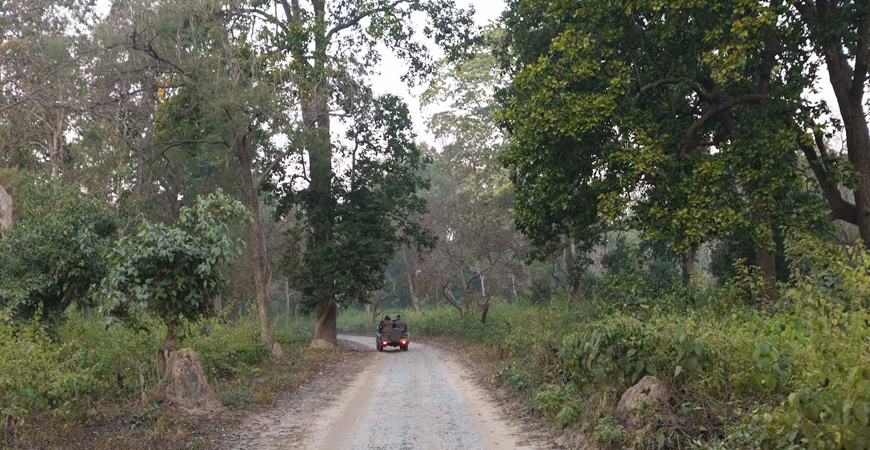
Jim Corbett National Park
3hrsJim Corbett National Park, in the Nainital and Pauri Garhwal districts of Uttarakhand, was established in 1936 as India's first national park, making it the oldest national park in the country.
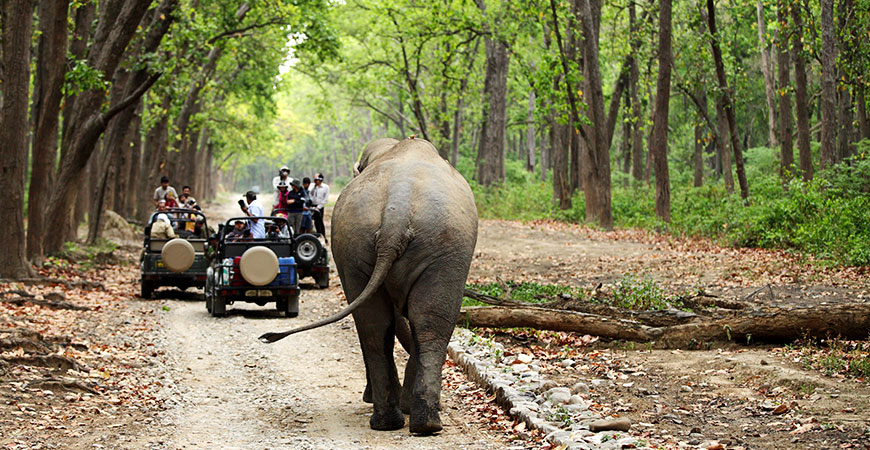
Dhikala Safari, Corbett
3hrsDhikala is the largest and most celebrated safari zone of Jim Corbett National Park, set deep within the park's core area around a vast grassland known as the Dhikala chaur.
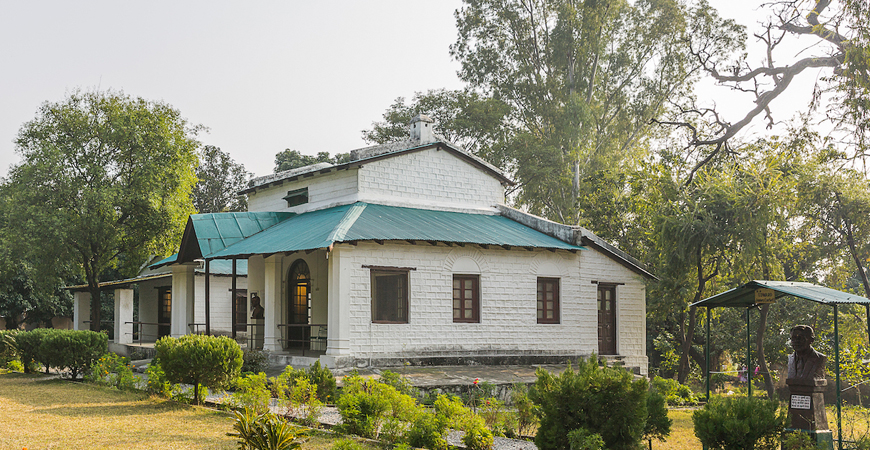
Choti Haldwani
3hrsChoti Haldwani is a small village near Kaladhungi, close to Jim Corbett National Park, founded in 1915 by Jim Corbett, the hunter-turned-conservationist after whom the park itself is named.

Ramganga: Corbett 's Meandering Lifeline
3hrsRiver Ramganga flows through the Jim Corbett Reserve for 40 kms. Anyone with a thirst for nature or wildlife, should visit here to see the amazing flora and fauna.

Ramganga Fishing
3hrsRamganga Fishing refers to the long-standing tradition of angling for golden mahseer on the Western Ramganga River, one of the most storied mahseer rivers in India, flowing past the Corbett region of Uttarakhand.
Bird Watching in Corbett
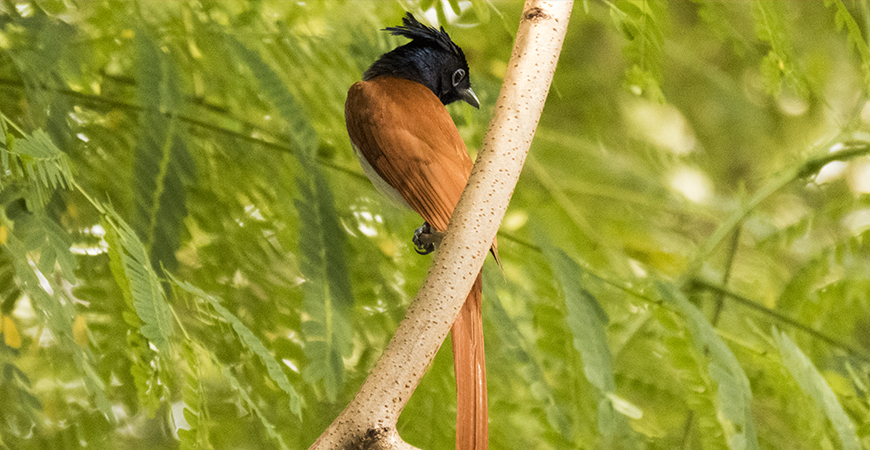
3hrsBird watching in Corbett ranks among the richest birding experiences in India, with more than 600 bird species recorded across the park and its surrounding landscape, from towering sal forest to open grassland and the Ramganga reservoir.
Bijrani Zone, Corbett
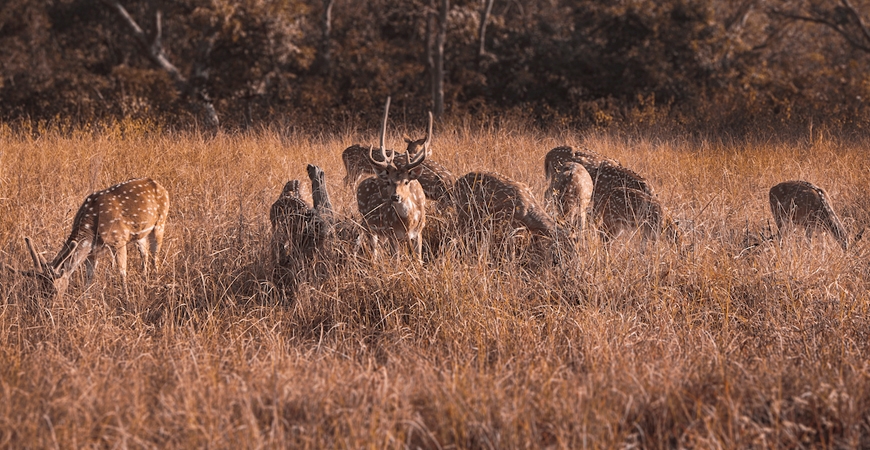
3hrsThe Bijrani zone is one of the most visited safari zones of Jim Corbett National Park, lying on the park's eastern edge, just a short distance from Ramnagar.