


HOME DESTINATIONS Corbett
Jim Corbett National Park
Jim Corbett National Park, in the Nainital and Pauri Garhwal districts of Uttarakhand, was established in 1936 as India's first national park, making it the oldest national park in the country.
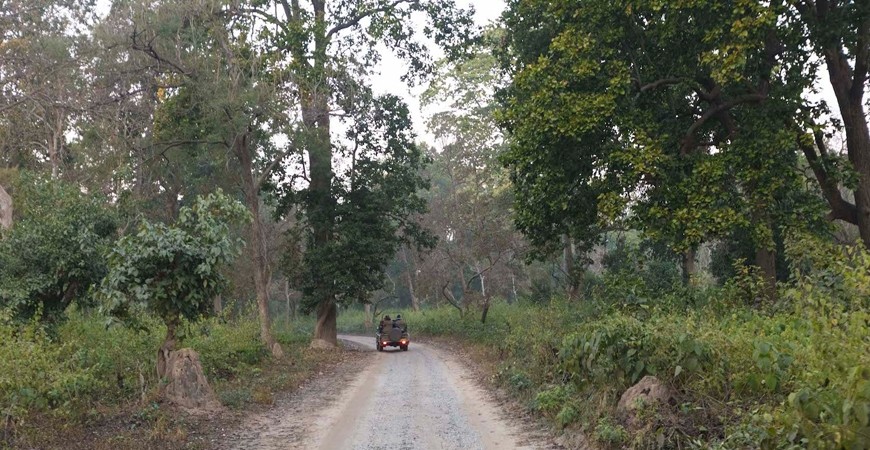
Named after the hunter-turned-conservationist Jim Corbett, the park sits in the Patli Dun valley, shaped by the Ramganga river, and became the launch site of Project Tiger in 1973. Its core area of sal forest, riverine belts and open grassland is divided into several safari zones, including Dhikala, Bijrani, Jhirna, Dhela and Durga Devi, each with its own character and wildlife.
Home to the Bengal tiger, Asian elephant and over 600 recorded bird species, Corbett remains one of India's most significant wildlife reserves, as well as one of its most visited.
For visitors to the Corbett region, Jim Corbett National Park offers both a landmark in India's conservation history and one of its richest wildlife landscapes.
What Is Jim Corbett National Park?
Jim Corbett National Park is India's first national park, forming the core protected area of the wider Corbett Tiger Reserve in Uttarakhand.
The park's core area covers roughly 520 sq km, within a larger tiger reserve of around 1,288 sq km that also includes a surrounding buffer zone and the Sonanadi Wildlife Sanctuary.
Where Is Jim Corbett National Park Located?
The park lies in the Nainital and Pauri Garhwal districts of Uttarakhand, in the Patli Dun valley formed by the Ramganga river, at the foothills of the Himalayas.
- The park's highest point reaches about 1,040 m, giving it a mix of hill and valley terrain.
- Ramnagar, the main gateway town to the park, lies at its southern edge.
Jim Corbett National Park at a Glance
Fact |
Details |
Established |
8 August 1936, as Hailey National Park |
Status |
India's first national park |
Named after |
Edward James (Jim) Corbett |
Core area |
About 520 sq km |
Total tiger reserve area |
About 1,288 sq km, including buffer zone |
Main river |
Ramganga river |
Project Tiger launch |
1 April 1973, the first reserve chosen for the programme |
Safari zones |
Dhikala, Bijrani, Jhirna, Dhela, Durga Devi and Sonanadi |
Bird species recorded |
Over 600 |
History: From Hailey National Park to Jim Corbett
India's First National Park
The park was established on 8 August 1936 as Hailey National Park, named after Sir Malcolm Hailey, the then Governor of the United Provinces, making it the first national park in India and among the first in Asia.
Early Protection of the Ramganga Valley
Even before formal establishment, the area around the Ramganga river had been declared a reserve forest by the British administration in 1907, reflecting an early recognition of the valley's ecological importance.
A Series of Renamings
After India's independence, the park was renamed Ramganga National Park, before being given its present name, Jim Corbett National Park, in memory of Jim Corbett, who had died in 1955. Sources vary on the exact years of these renamings, though the final renaming is most consistently placed in the mid-to-late 1950s.
Expansion of the Park
The park's original area of around 324 sq km was expanded to about 520 sq km in the 1960s, partly to compensate for grassland submerged by the construction of the Kalagarh Dam reservoir. A further buffer zone, including the Sonanadi Wildlife Sanctuary, was added in 1991, bringing the wider tiger reserve to its present size.
The Story of Jim Corbett
Edward James Corbett (1875-1955) was a hunter who became one of India's most influential early conservationists, naturalists and authors, best known for tracking and eliminating man-eating tigers and leopards that threatened villages in the region.
Corbett played a key role in establishing the park and helping to demarcate its original boundaries, and his writing helped build wider public awareness of wildlife conservation in India. Following his death, the park was renamed in his honour, cementing his association with the reserve he had helped create.
Project Tiger and Corbett's Role
On 1 April 1973, Project Tiger, India's landmark national tiger conservation programme, was launched from Jim Corbett National Park by then Prime Minister Indira Gandhi, making Corbett the first reserve included under the initiative.
This launch marked the beginning of a nationwide conservation effort that would eventually expand to dozens of tiger reserves across India, with Corbett remaining one of the programme's flagship sites.
The Safari Zones of the Park
Jim Corbett National Park is divided into several distinct safari zones, each offering a different landscape and wildlife experience.
- Dhikala: the largest and most diverse zone, set beside the Ramganga river, known for its open grasslands and the highest concentration of wildlife in the park.
- Bijrani: close to Ramnagar, combining dense forest with more open landscapes.
- Jhirna: known for remaining accessible for most of the year, including periods when other zones are closed.
- Dhela: a newer zone with mixed terrain.
- Durga Devi: a hillier zone particularly noted for its birdlife.
- Sonanadi: part of the buffer area, incorporating the Sonanadi Wildlife Sanctuary.
Sal Forests, Grasslands and the Ramganga River
The park's landscape is shaped by a mix of sal forest, riverine forest, mixed dry deciduous woodland and open grasslands known locally as chaurs.
The Ramganga river runs through the park and is widely described as its lifeline, supporting the grasslands and riverine habitats that draw much of the park's wildlife, particularly around the Dhikala zone.
Wildlife and Birdlife
Corbett is best known for the Bengal tiger, alongside a wide range of other mammals, reptiles and birds supported by its varied habitats.
- Mammals recorded in the park include the Asian elephant, Indian leopard, sloth bear, Asiatic black bear, jungle cat, fishing cat, leopard cat, and deer species such as chital, sambar, hog deer and barking deer.
- The Ramganga river is home to mugger crocodiles and gharials, among other riverine species.
- More than 600 bird species have been recorded in the park, making it one of India's richest birding destinations.
The Beauty of Jim Corbett National Park
Corbett's appeal lies in the sheer variety of its landscape: dense sal forest giving way to open grassland along the Ramganga, with the Himalayan foothills rising in the distance.
This combination of historic significance, rich wildlife and striking scenery has made Corbett one of India's most enduringly popular wildlife destinations.
Interesting Facts About Jim Corbett National Park
- It was established in 1936 as Hailey National Park, India's first national park.
- The park was renamed in honour of Jim Corbett following his death in 1955.
- Project Tiger was launched here on 1 April 1973 by Prime Minister Indira Gandhi.
- The park's core area covers about 520 sq km, within a tiger reserve of around 1,288 sq km.
- Over 600 bird species have been recorded within the park.
- The Ramganga river is considered the lifeline of the park's ecosystem.
- Dhikala is widely regarded as the park's most diverse and wildlife-rich safari zone.
Season When the Park Is Usually Open
Season |
Months |
What to expect |
Open season (most zones) |
Mid-October/November to mid-June |
Most safari zones generally open during these months, with wildlife viewing considered best from November to June |
Monsoon closure |
July to October |
Most core zones are generally closed during the monsoon, when the park receives heavy rain |
How to Reach Jim Corbett National Park
Mode |
How to reach |
By air |
Pantnagar Airport is the nearest airport, roughly 104.2 km away depending on the specific entry point. |
By train |
Ramnagar railway station, about 19.4 km away, is the main gateway station for the park, with onward journeys by road. |
By road |
Ramnagar, on National Highway 121, is the principal road gateway to the park's various safari zones. |
Sterling Resorts Near Jim Corbett National Park
Sterling Holidays has two resorts in the Corbett region.
Sterling Riverview Jim Corbett
Sterling Riverview Jim Corbett, a 3-acre property at Marchula village, is about 16.8 km from Jim Corbett National Park.
The resort has 42 rooms and suites, along with the Tree House restaurant, serving Kumaoni, Indian and international dishes, an outdoor pool, a spa and a dedicated family activity area called Discovery Central.
Sterling Quinta Jim Corbett
Sterling Quinta Jim Corbett, located in the quieter Bail Parao-Kaladhungi belt of Ramnagar, is about 33.4 km from Jim Corbett National Park.
The newer of Sterling's two Corbett properties, it has 46 rooms across five categories, including rooms with private plunge pools, sit-outs and balconies, along with Nectar, its all-day dining restaurant, a swimming pool and a s
Other Attractions
Dhikala Safari, Corbett
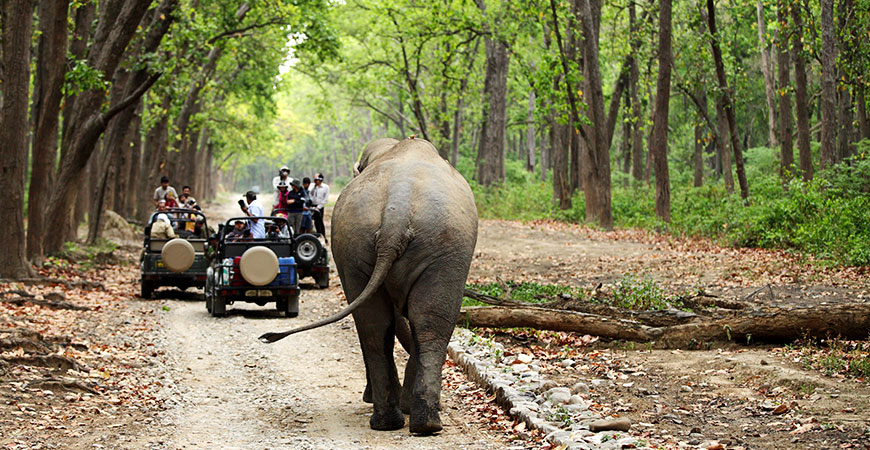
3hrsDhikala is the largest and most celebrated safari zone of Jim Corbett National Park, set deep within the park's core area around a vast grassland known as the Dhikala chaur.
Choti Haldwani
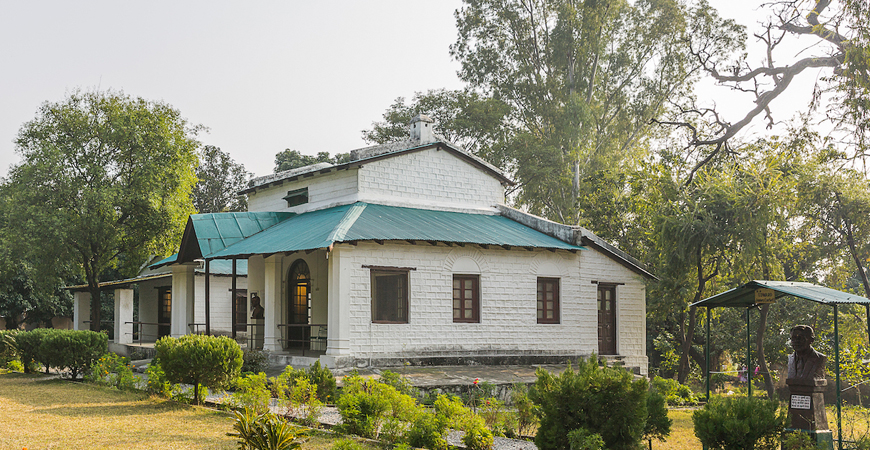
3hrsChoti Haldwani is a small village near Kaladhungi, close to Jim Corbett National Park, founded in 1915 by Jim Corbett, the hunter-turned-conservationist after whom the park itself is named.

Ramganga: Corbett 's Meandering Lifeline
3hrsRiver Ramganga flows through the Jim Corbett Reserve for 40 kms. Anyone with a thirst for nature or wildlife, should visit here to see the amazing flora and fauna.
Ramganga Fishing
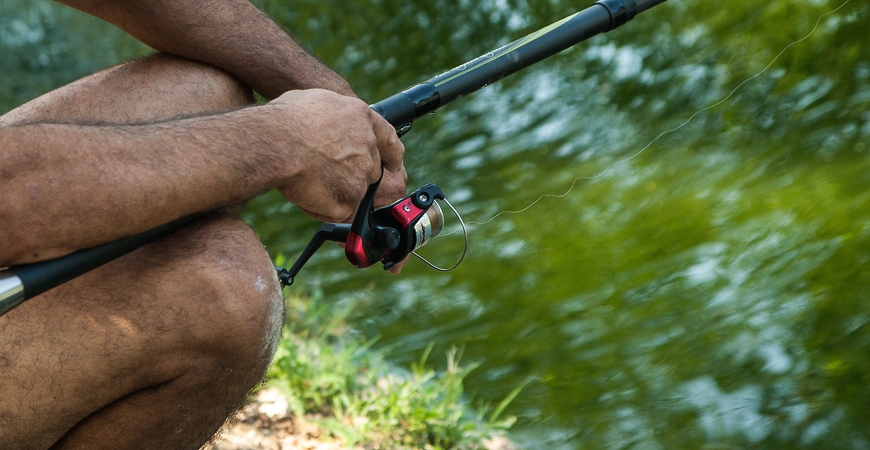
3hrsRamganga Fishing refers to the long-standing tradition of angling for golden mahseer on the Western Ramganga River, one of the most storied mahseer rivers in India, flowing past the Corbett region of Uttarakhand.
Bird Watching in Corbett
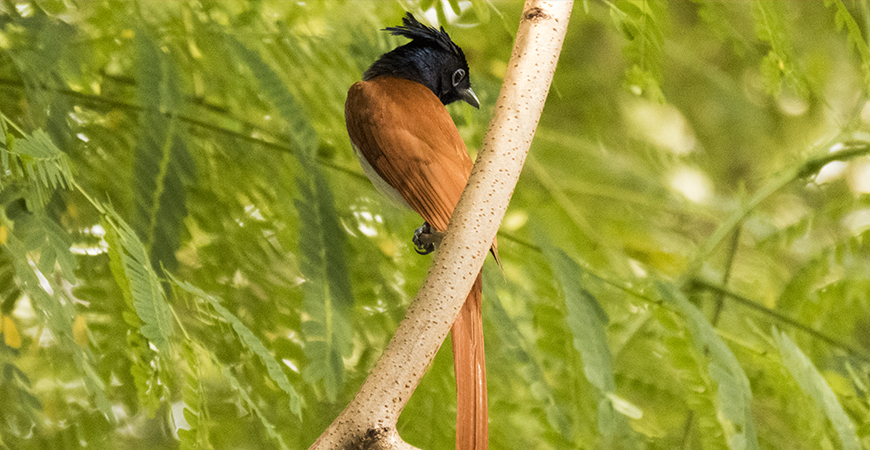
3hrsBird watching in Corbett ranks among the richest birding experiences in India, with more than 600 bird species recorded across the park and its surrounding landscape, from towering sal forest to open grassland and the Ramganga reservoir.
Garjiya Devi Temple
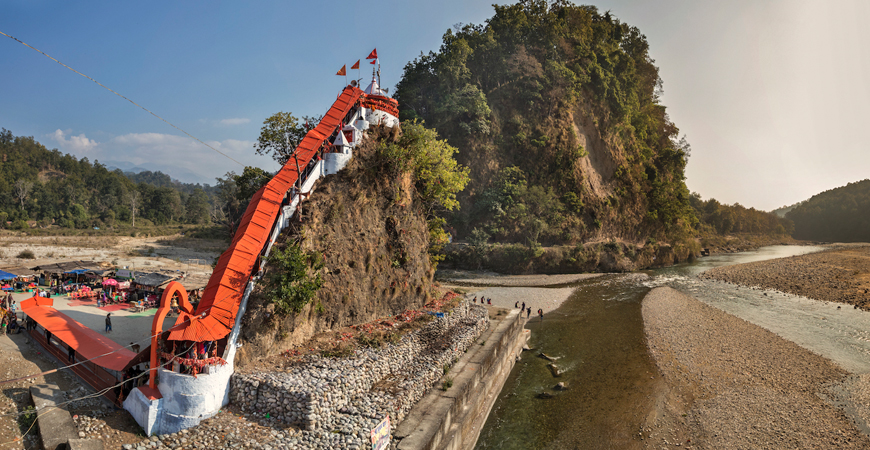
3hrsGarjiya Devi Temple, also known as Girija Devi Temple, stands on a large rock rising from the middle of the Kosi river, in Garjiya village near Ramnagar, on the outskirts of Jim Corbett National Park
Bijrani Zone, Corbett
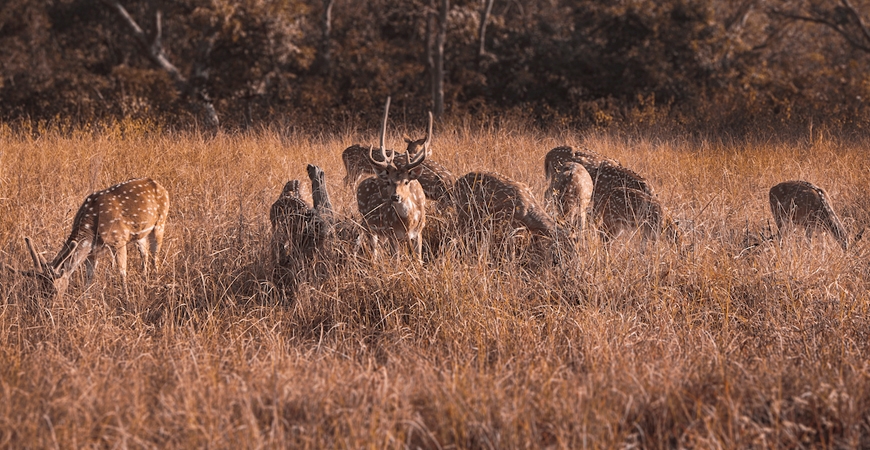
3hrsThe Bijrani zone is one of the most visited safari zones of Jim Corbett National Park, lying on the park's eastern edge, just a short distance from Ramnagar.