


HOME DESTINATIONS Corbett
Ramganga Fishing
Ramganga Fishing refers to the long-standing tradition of angling for golden mahseer on the Western Ramganga River, one of the most storied mahseer rivers in India, flowing past the Corbett region of Uttarakhand.
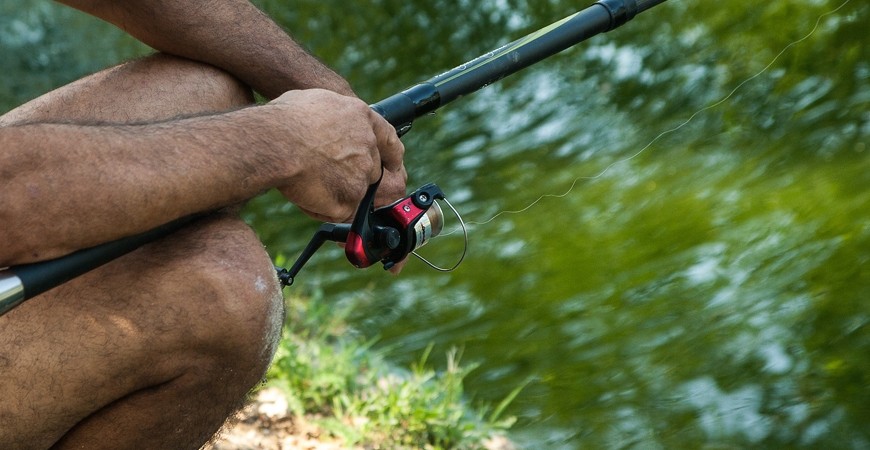
Since 2012, all angling has been prohibited within the boundaries of Corbett Tiger Reserve itself, so today's anglers fish the reaches of the river outside the park, with Vanghat, near Marchula, among the best-known stretches. The tradition here is built almost entirely around catch-and-release, treating sport fishing as a tool for conservation rather than a threat to the species.
This stretch of river carries a long history, going back to British-era anglers and, later, to Jim Corbett himself, who wrote of the mahseer with the same reverence he reserved for tigers.
For visitors to the Corbett region with an interest in angling and river conservation, Ramganga Fishing connects directly to one of India's most storied freshwater fishing traditions.
What Is Ramganga Fishing?
Ramganga Fishing describes the practice of angling for golden mahseer and other hill-stream fish along the Western Ramganga River, a tradition that has drawn anglers to this stretch of Uttarakhand for well over a century.
Today, this angling takes place on stretches of the river outside the Corbett Tiger Reserve boundary, since fishing within the reserve itself was prohibited in 2012. Vanghat, near Marchula, is among the most highly regarded of these stretches, often described as an excellent mahseer "beat," the angling term for a known fishing stretch.
Why the Ramganga Is Known Among Anglers
The Western Ramganga has long been considered one of India's premier mahseer rivers, its cold, clear water descending from the Garhwal and Kumaon Himalayas offering ideal conditions for the species.
- British colonial records from the 19th century describe mahseer runs on the Ramganga so abundant that local fishing communities could sustain entire seasons from a single stretch of river.
- Recreational angling for mahseer in this region dates back to the period of British rule in India, with classic angling literature on the subject written since the late 1800s.
- Sir Henry Ramsay stocked lakes across the Kumaon hills with fish for sport angling as early as 1858, part of a wider British enthusiasm for angling in the region.
This long history has left the Ramganga with a reputation among serious anglers that few other Indian rivers can match.
Ramganga Fishing at a Glance
Fact |
Details |
Main species |
Golden mahseer (Tor putitora) |
Other species |
Goonch (giant devil catfish) and various Labeo species |
Known fishing stretch |
Vanghat, near Marchula |
Angling status inside the park |
Prohibited within Corbett Tiger Reserve since 2012 |
Angling status outside the park |
Catch-and-release angling permitted on reaches outside the reserve |
Conservation status of golden mahseer |
Endangered (IUCN Red List) |
Historical angling period |
Dating to British colonial India, 19th century onward |
Notable angler |
Jim Corbett himself, an enthusiastic mahseer angler |
The Golden Mahseer and Other Species
The golden mahseer (Tor putitora) is the primary species associated with Ramganga Fishing, a large, powerful freshwater fish often called the "tiger of the water" for its renowned fighting strength on the line.
- Historical records describe golden mahseer reaching sizes of around 3 m in length and 54 kg in weight, though fish of this scale are now rare.
- The species is now classified as Endangered on the IUCN Red List, reflecting steep declines across its Himalayan range.
- Alongside mahseer, anglers on the Ramganga and nearby rivers also encounter goonch, a large catfish species, and several Labeo species native to these hill streams.
The Catch-and-Release Tradition and Conservation
Catch-and-release forms the backbone of present-day Ramganga Fishing, with local angling associations built specifically around the goal of protecting the river's mahseer population.
Between 2004 and 2011, catch-and-release angling on the Ramganga grew substantially, drawing both Indian and international anglers and bringing economic benefit to some local communities. Organisations such as the UK-based Mahseer Trust have since worked alongside the Uttarakhand forest department and local communities to treat angling as a conservation tool rather than a threat, with hatchery-reared mahseer seed from ICAR-DCFR Bhimtal periodically released into these waters to support natural populations.
This approach reflects a wider shift in thinking: rather than banning fishing outright, catch-and-release programmes aim to give local communities a direct stake in keeping mahseer populations healthy.
The History of Angling in the Corbett Region
A British-Era Pursuit
Angling was a favoured pastime among the British in colonial India, and the lakes and rivers of the Kumaon hills, including the Ramganga, became closely associated with the sport from the 19th century onward.
Jim Corbett, Angler
Jim Corbett, better known for tracking man-eating tigers, was himself a dedicated angler, and wrote about mahseer fishing with the same depth of feeling he brought to his accounts of tigers and leopards.
A Modern Conservation Focus
In more recent decades, the emphasis around Ramganga Fishing has shifted from simple sport towards active conservation, with the 2012 ban on angling inside Corbett Tiger Reserve marking a significant turning point in how the river's fish populations are managed.
The River Landscape
The stretches of the Western Ramganga favoured by anglers run through forested hill country, with the river cascading over rocky beds between pools deep enough to hold mature mahseer.
This cold, fast-flowing water, shaded by forest along much of its course, is part of what makes the river such well-suited habitat for a species that depends on clean, oxygen-rich streams.
Interesting Facts About Ramganga Fishing
- The golden mahseer is often called the "tiger of the water" for its fighting strength.
- All angling has been prohibited within Corbett Tiger Reserve since 2012.
- Vanghat, near Marchula, is among the most highly regarded mahseer fishing stretches outside the park.
- The golden mahseer is classified as Endangered on the IUCN Red List.
- Sir Henry Ramsay stocked Kumaon's lakes with fish for sport angling as early as 1858.
- Jim Corbett himself was a passionate mahseer angler.
- Catch-and-release angling associations on the Ramganga were specifically organised around mahseer conservation.
Best Season for Ramganga Fishing
Season |
Months |
What to expect |
Winter and early summer (best season) |
October to June |
Generally the most favoured period for angling on the Western Ramganga, avoiding the swollen, fast-flowing monsoon river |
Monsoon |
July to September |
Heavy rain swells the river considerably, making this period unsuitable for angling |
Where to Stay Near the Ramganga Fishing Stretches
Sterling Holidays has two resorts in the Corbett region.
Sterling Riverview Jim Corbett
Sterling Riverview Jim Corbett is set beside the Ramganga near Marchula, close to the Vanghat stretch favoured by anglers. The resort has 43 rooms and suites, along with the Tree House restaurant, serving Kumaoni, Indian and international dishes, an outdoor pool, a spa and a dedicated family activity area called Discovery Central.
Sterling Quinta Jim Corbett
Sterling Quinta Jim Corbett, in the Bail Parao-Kaladhungi belt of Ramnagar, lies at a greater distance from the Marchula stretches. The newer of Sterling's two Corbett properties, it has 46 rooms across five categories, including rooms with private plunge pools, sit-outs and balconies, along with Nectar, its all-d
Other Attractions
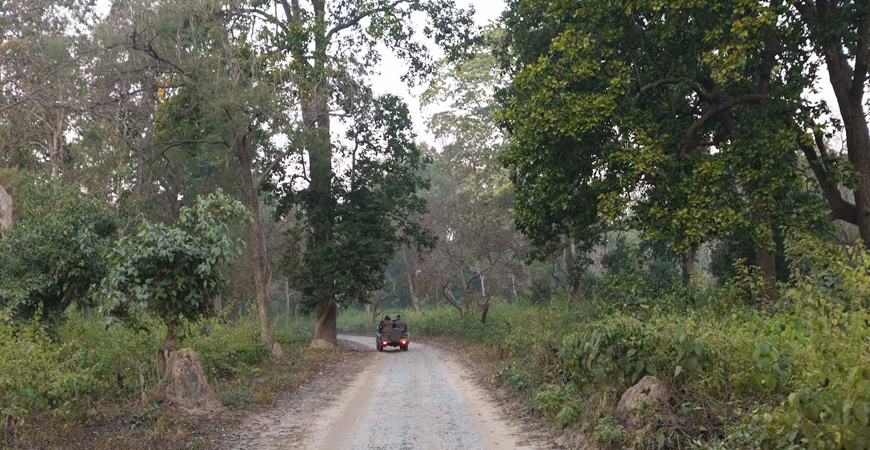
Jim Corbett National Park
3hrsJim Corbett National Park, in the Nainital and Pauri Garhwal districts of Uttarakhand, was established in 1936 as India's first national park, making it the oldest national park in the country.
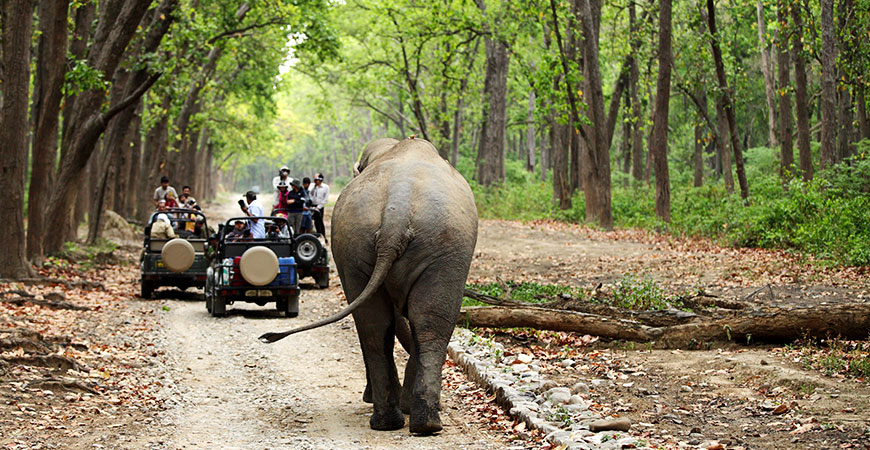
Dhikala Safari, Corbett
3hrsDhikala is the largest and most celebrated safari zone of Jim Corbett National Park, set deep within the park's core area around a vast grassland known as the Dhikala chaur.
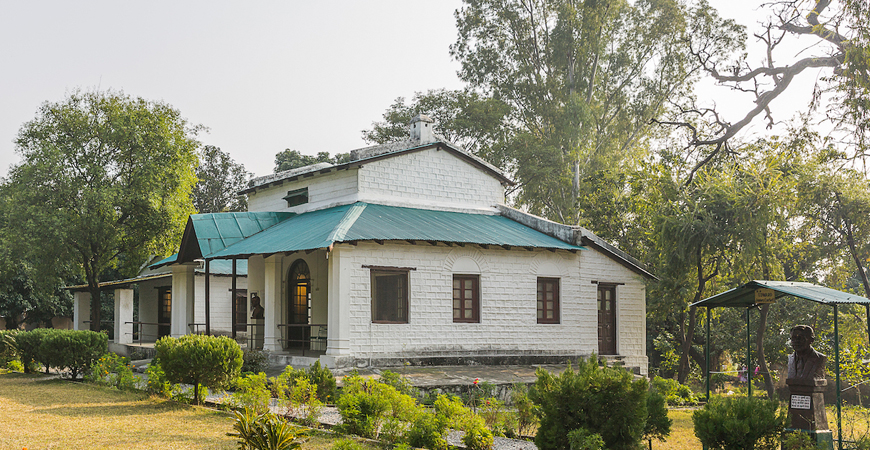
Choti Haldwani
3hrsChoti Haldwani is a small village near Kaladhungi, close to Jim Corbett National Park, founded in 1915 by Jim Corbett, the hunter-turned-conservationist after whom the park itself is named.

Ramganga: Corbett 's Meandering Lifeline
3hrsRiver Ramganga flows through the Jim Corbett Reserve for 40 kms. Anyone with a thirst for nature or wildlife, should visit here to see the amazing flora and fauna.
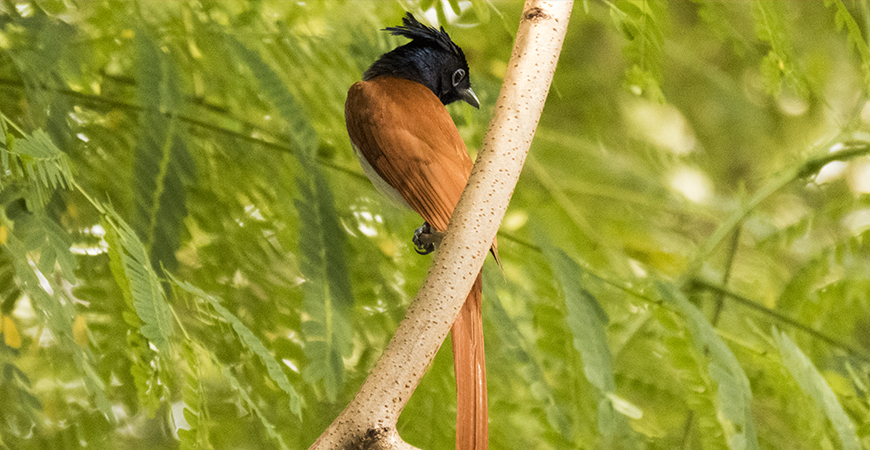
Bird Watching in Corbett
3hrsBird watching in Corbett ranks among the richest birding experiences in India, with more than 600 bird species recorded across the park and its surrounding landscape, from towering sal forest to open grassland and the Ramganga reservoir.
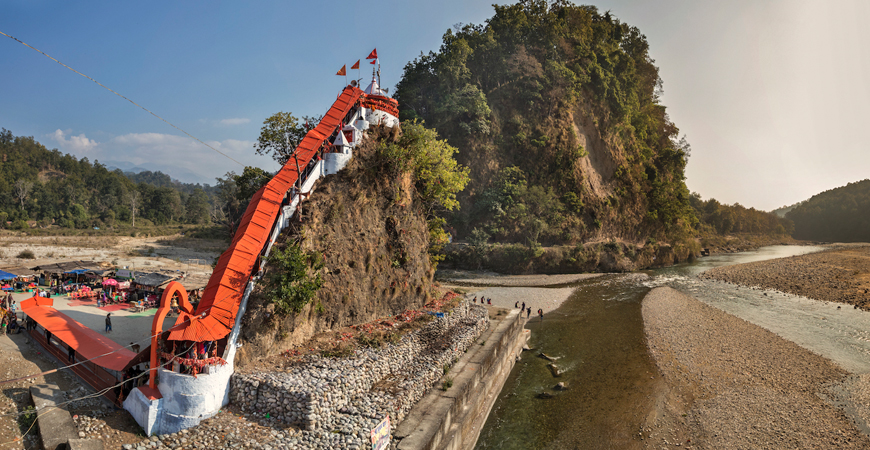
Garjiya Devi Temple
3hrsGarjiya Devi Temple, also known as Girija Devi Temple, stands on a large rock rising from the middle of the Kosi river, in Garjiya village near Ramnagar, on the outskirts of Jim Corbett National Park
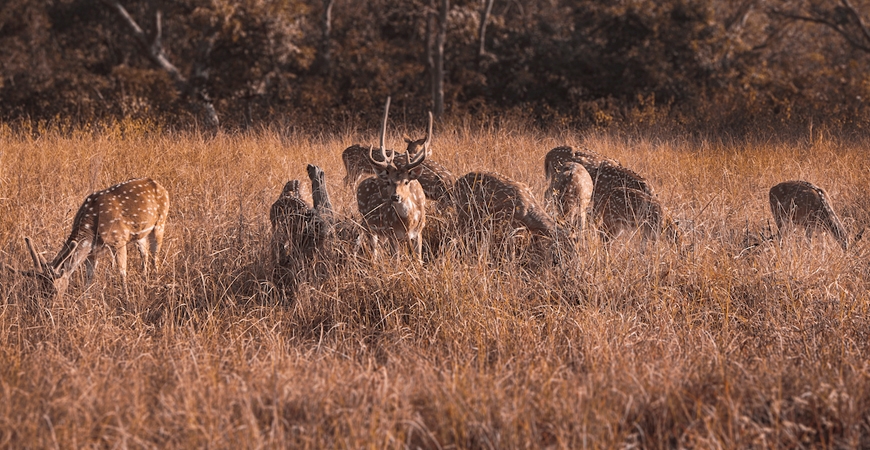
Bijrani Zone, Corbett
3hrsThe Bijrani zone is one of the most visited safari zones of Jim Corbett National Park, lying on the park's eastern edge, just a short distance from Ramnagar.