


HOME DESTINATIONS Corbett
Corbett Village Trek
This Corbett village trek leads through the farming settlements that border Jim Corbett National Park, beginning at Marchula, where the walk becomes a gentle climb thanks to the area's natural rise in altitude.
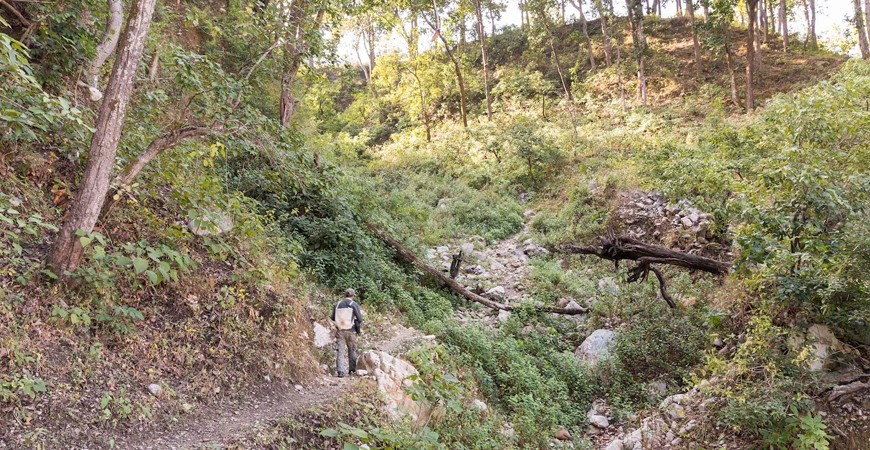
Sterling describes the experience as a walk through villages whose residents live, quite literally, at the edge of the forest, drawing on the same land and resources as the wildlife around them. A local guide typically leads the way, pointing out details a visitor would otherwise miss, from watering holes used by tigers to the fruits local women use to prepare vermilion and the herbs still used in traditional remedies.
Beyond the walk itself, the villages here sit within the wider cultural world of Kumaon, with its own language, farming traditions and festivals, shaped over centuries by life in these forested hills.
For visitors to Corbett wanting a slower, more reflective side of the region, this village trek offers a direct look at everyday life beside the forest.
What Does This Village Trek Involve?
According to Sterling's own description of the experience, the trek is framed as a walk through villages that reflect the region's ongoing relationship, and at times conflict, between people and wildlife.
- The walk typically begins at Marchula, where the terrain's natural altitude turns the route into a gentle trek rather than a flat walk.
- A local guide is recommended, since much of the experience depends on someone able to point out details specific to the area.
- Guides are described as able to show visitors the watering holes used by tigers, the fruits local women use to prepare vermilion, and herbs still used in traditional remedies.
Sterling frames the walk as more than simple sightseeing, describing it as a chance to reflect on the relationship between development and the natural world, a theme the experience's own title, "Revisiting Platitudes," points to directly.
Villages Around Corbett and Their Way of Life
The farming villages that border Jim Corbett National Park sit within the wider Kumaon region of Uttarakhand, across Almora and Nainital districts.
According to Sterling's own account, many villagers in this area have shifted away from traditional food crops towards cash crops such as mangoes, a change linked to crop damage from deer and wild boar straying from the forest. Some residents also work as local guides for visitors exploring the region.
Corbett Village Trek at a Glance
Fact |
Details |
Starting point |
Marchula |
Region |
Kumaon, Almora district, Uttarakhand |
Local language |
Kumaoni, part of the Central Pahari language group |
Traditional crops |
Wheat, rice and millet, grown on terraced fields |
Historical dynasty |
The Chand dynasty, which moved Kumaon's capital to Almora in the 16th century |
Folk dance forms |
Jhora and Chanchari |
Notable festival |
Harela, marking the start of the monsoon season |
Traditional women's dress |
Ghagri (long skirt), choli and odhni |
Kumaoni Culture and Traditions
The villages along this trek belong to the wider cultural world of Kumaon, one of the two main hill regions of Uttarakhand, with its own distinct language, festivals and customs.
- Kumaoni, the local language, belongs to the Central Pahari group and carries a long tradition of folklore, poetry and oral storytelling, including epic narrations known as Hurkiya Bol.
- Folk dances such as Jhora and Chanchari remain part of community celebrations, performed by people across different social groups.
- Harela, one of the region's best-known festivals, marks the beginning of the monsoon season, alongside other local celebrations tied closely to the agricultural calendar.
- Traditional dress remains part of daily life in many villages: men typically wear a kurta and pyjama with a woollen koti, while women wear a Ghagri, choli and odhni, often with silver jewellery such as the hansuli.
- Kumaoni communities also maintain a tradition of folk deity worship, known locally as jagar, alongside devotion to Shiva and Shakti.
Farming and the Landscape
Agriculture has traditionally been the mainstay of life in these hills, with terrace farming used to grow crops such as wheat, rice and millet on the steep slopes typical of the Kumaon region.
This stepped method of farming, cut into the hillside, helps manage water flow and reduce soil erosion on land that would otherwise be too steep to cultivate. Many families in the villages around Corbett continue this practice today, alongside the shift towards cash crops described by Sterling's own account of the trek.
The Connection Between These Villages and the Forest
Villages bordering Corbett depend on the surrounding forest in ways that go well beyond farmland alone, drawing on wild fruits, plants and herbs long used for traditional and medicinal purposes in the Kumaon hills.
This same closeness to the forest, however, is also the source of the tension Sterling's own description highlights: villages and wildlife drawing on the same land and resources, a relationship that has shaped daily life and livelihoods in this part of Uttarakhand for generations.
The Beauty of the Village Trek
The appeal of this walk lies in its quiet, everyday character: terraced fields, modest stone-and-timber houses, and views that open up gradually as the route climbs from Marchula.
Rather than offering a single dramatic sight, the trek builds its impression gradually, through small details a good guide can bring to life along the way.
Interesting Facts About the Corbett Village Trek
- The trek begins at Marchula, where altitude turns the walk into a gentle climb.
- Many local villagers have shifted from food crops to cash crops such as mangoes, according to Sterling's own account.
- Kumaoni, the local language, belongs to the Central Pahari language group.
- Terrace farming remains a defining feature of agriculture across the Kumaon hills.
- Harela, a major Kumaoni festival, marks the start of the monsoon season.
- The Chand dynasty, which moved Kumaon's capital to Almora in the 16th century, shaped much of the region's cultural and architectural history.
Best Season to Visit
Season |
Months |
What to expect |
Winter (best time) |
November to February |
Cool, clear weather, generally the most comfortable season for walking through the villages |
Summer |
March to June |
Warmer weather, typical of the Kumaon foothills |
Monsoon |
July to October |
Heavy rain across the region; village life closely follows the agricultural calendar tied to this season, including the Harela festival |
How to Reach the Village Trek
Mode |
How to reach |
By air |
Pantnagar Airport is the nearest airport, roughly 121.6 km from Marchula. |
By train |
Ramnagar railway station is the main gateway station, about 36.8 km from Marchula by road. |
By road |
Marchula, the trek's starting point, is about 36 km from Ramnagar by road, along NH 121. |
Where to Stay Near the Village Trek
Sterling Holidays has two resorts in the Corbett region.
Sterling Riverview Jim Corbett
Sterling Riverview Jim Corbett is set at Marchula itself, the starting point of this village trek.
The resort has 42 rooms and suites, along with the Tree House restaurant, serving Kumaoni, Indian and international dishes, an outdoor pool, a spa and a dedicated family activity area called Discovery Central.
Sterling Quinta Jim Corbett
Sterling Quinta Jim Corbett, in the Bail Parao-Kaladhungi belt of Ramnagar, is roughly 50.8 km from Marchula.
The newer of Sterling's two Corbett properties, it has 46 rooms across five categories, including rooms with private plunge pools, sit-outs and balconies, along with Nectar, its all-day dining restaurant, a swimming pool and a spa.
Other Attractions
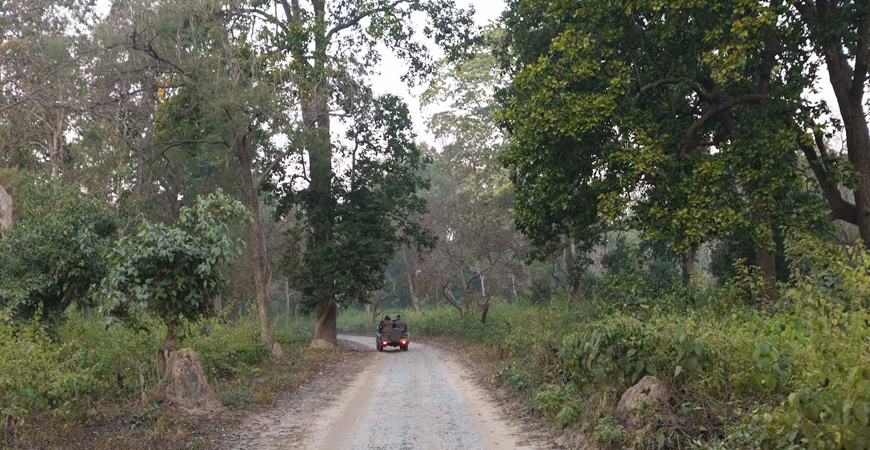
Jim Corbett National Park
3hrsJim Corbett National Park, in the Nainital and Pauri Garhwal districts of Uttarakhand, was established in 1936 as India's first national park, making it the oldest national park in the country.
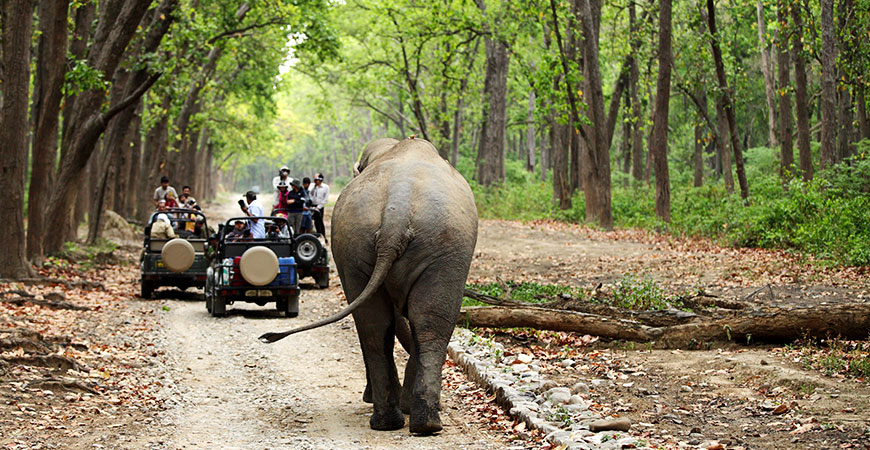
Dhikala Safari, Corbett
3hrsDhikala is the largest and most celebrated safari zone of Jim Corbett National Park, set deep within the park's core area around a vast grassland known as the Dhikala chaur.
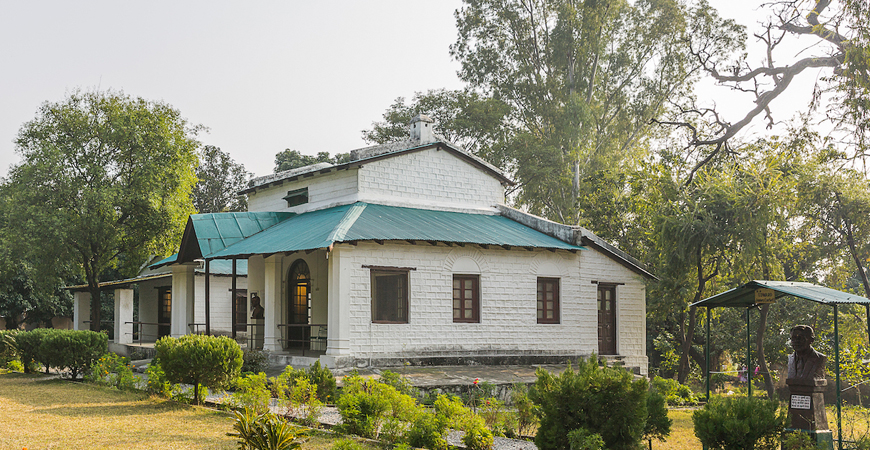
Choti Haldwani
3hrsChoti Haldwani is a small village near Kaladhungi, close to Jim Corbett National Park, founded in 1915 by Jim Corbett, the hunter-turned-conservationist after whom the park itself is named.

Ramganga: Corbett 's Meandering Lifeline
3hrsRiver Ramganga flows through the Jim Corbett Reserve for 40 kms. Anyone with a thirst for nature or wildlife, should visit here to see the amazing flora and fauna.
Ramganga Fishing
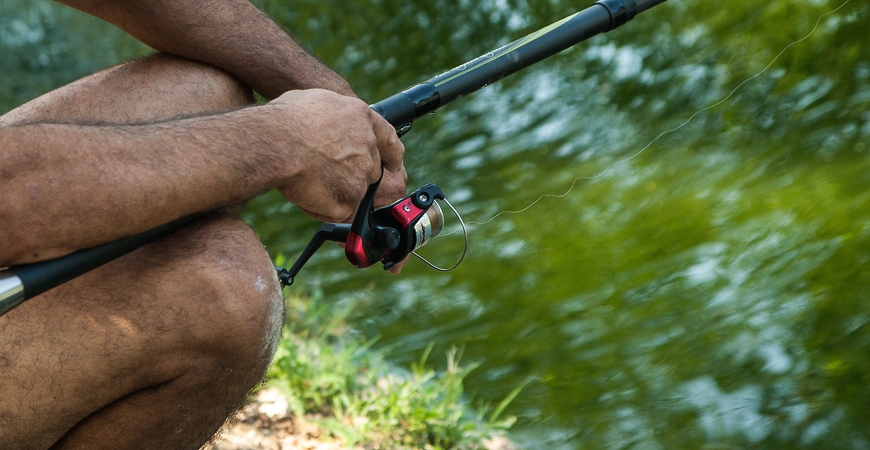
3hrsRamganga Fishing refers to the long-standing tradition of angling for golden mahseer on the Western Ramganga River, one of the most storied mahseer rivers in India, flowing past the Corbett region of Uttarakhand.
Bird Watching in Corbett
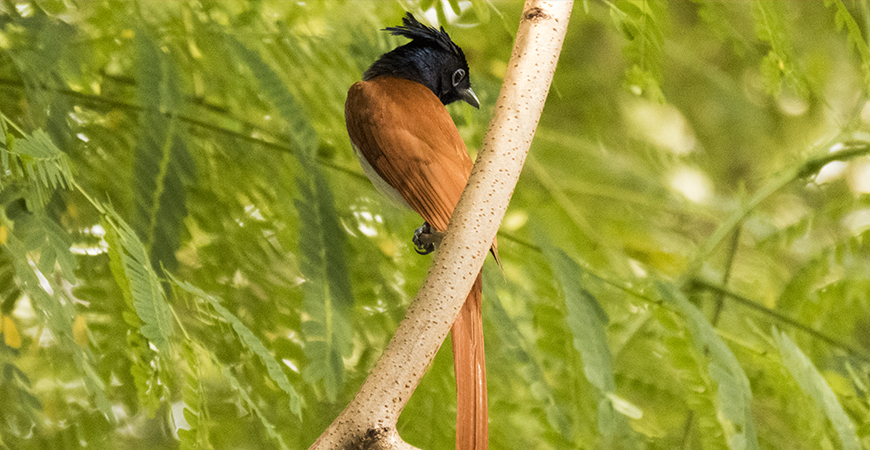
3hrsBird watching in Corbett ranks among the richest birding experiences in India, with more than 600 bird species recorded across the park and its surrounding landscape, from towering sal forest to open grassland and the Ramganga reservoir.
Garjiya Devi Temple
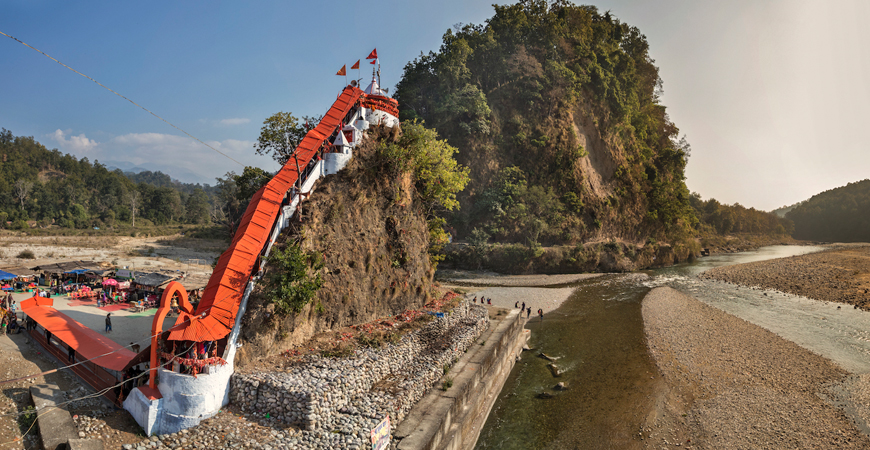
3hrsGarjiya Devi Temple, also known as Girija Devi Temple, stands on a large rock rising from the middle of the Kosi river, in Garjiya village near Ramnagar, on the outskirts of Jim Corbett National Park
Bijrani Zone, Corbett
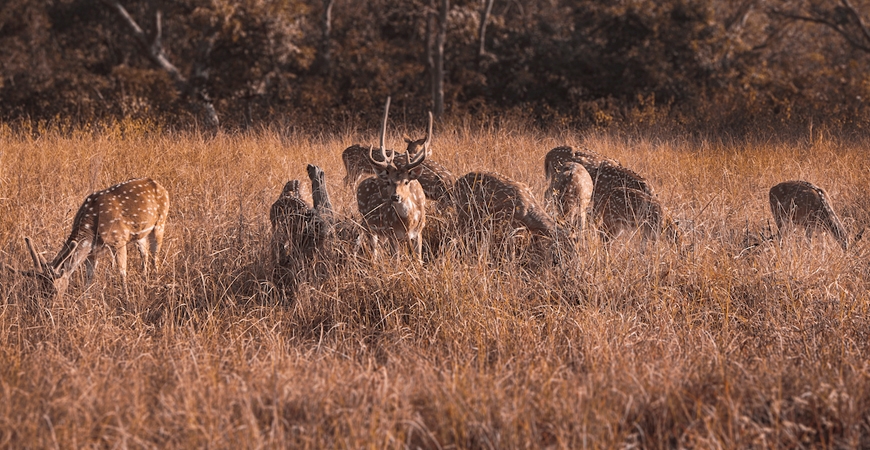
3hrsThe Bijrani zone is one of the most visited safari zones of Jim Corbett National Park, lying on the park's eastern edge, just a short distance from Ramnagar.