


HOME DESTINATIONS Ooty
Cairn Hill Reserve Forest, Ooty
Cairn Hill Ooty is a quiet reserve forest of about 168 hectares on the road from Ooty to Avalanche. Tall cypress and pine trees line its slopes, with patches of native shola forest in between, and the woods are known for having one of the oldest cypress plantations in the Nilgiris, planted in 1868.
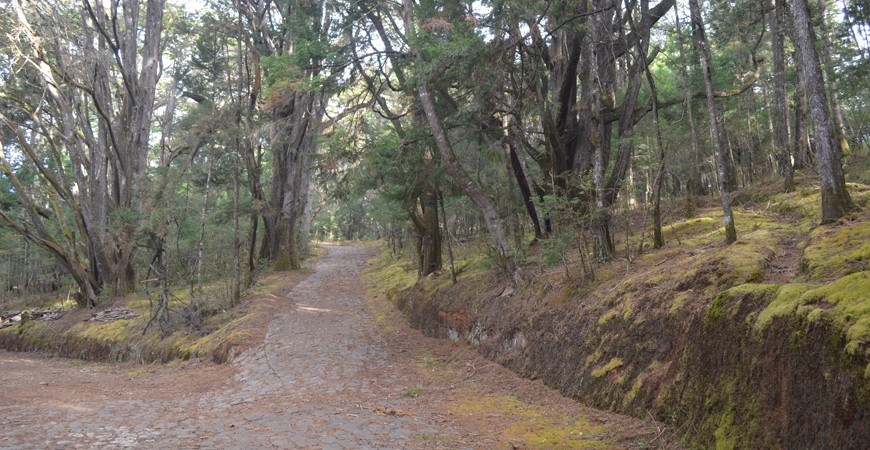
The Cairn Hill Reserve Forest is also recognised by BirdLife International as an Important Bird Area, home to several birds found only in the Western Ghats. An interpretation centre and orchidarium near the entrance introduce visitors to the forest and its wildlife.
Where Is Cairn Hill?
Cairn Hill lies on the upper Nilgiri plateau, a short drive south-west of Ooty town on the Avalanche road, the route that leads towards Nanjanad, Avalanche and Manjoor. The forest sits at around 2,200 m above sea level, and its entrance road is flanked by dense rows of cypress trees.
Set back from the main road, Cairn Hill feels much further from town than it is. Settlements and farmland surround the hill, while the forest itself remains a calm, green pocket of woodland.
The Story Behind the Name
The hill takes its name from a cairn, a heap of piled stones raised as a marker or memorial. A cairn once stood at the highest point of the hill, and such stone structures are linked with the old communities of the Nilgiris.
Cairn Hill Ooty at a Glance
Fact |
Details |
Type |
Reserve forest and eco-tourism site |
Location |
Avalanche road, near Ooty, Nilgiris district, Tamil Nadu |
Area |
About 168 hectares |
Elevation |
Around 2,200 m |
Known for |
One of the oldest cypress plantations in the Nilgiris, planted in 1868 |
Forest types |
Cypress and pine plantations with patches of native shola |
Facilities |
Interpretation centre and orchidarium |
Bird status |
Important Bird Area, BirdLife International |
Name |
From a cairn, a heap of stones, once found on the hilltop |
Nearest Sterling resorts |
Sterling Ooty Fern Hill (approx. 2 km), Sterling Ooty Elk Hill (approx. 3 km) |
The Cairn Hill Forest: Cypress, Pine and Shola
The Cairn Hill forest is a mix of planted woodland and native forest that tells the story of how the Nilgiris have changed since the colonial era.
Cypress Plantation of 1868
Cairn Hill is best known for its cypress trees. The reserve has one of the oldest cypress plantations in the Nilgiris, planted in 1868 during British rule. These tall, dark conifers now form shaded avenues, especially along the entrance road.
Pine and Other Planted Trees
Pine trees rise across the slopes with their dense, high canopies. Like the cypress, they were introduced to the Nilgiris, along with other exotic trees such as wattle.
Native Shola Forest
Between the plantations are patches of shola, the native evergreen forest of the high Western Ghats. Moss-covered ground and the soft light under the trees give the forest a cool, quiet atmosphere, especially in the early morning.
Cairn Hill Interpretation Centre and Orchidarium
Near the entrance, the Cairn Hill interpretation centre introduces visitors to the forest, its wildlife and the wider ecology of the Nilgiris. Alongside it is an orchidarium that showcases orchids of the region.
These facilities, set up as part of the eco-tourism site, help visitors understand why the forest and its native shola patches matter for conservation in the upper Nilgiris.
Birds and Wildlife of Cairn Hill
An Important Bird Area
Cairn Hill Reserve Forest is listed by BirdLife International as an Important Bird Area and is also recognised as a Key Biodiversity Area. It is a well-known birding spot, especially for species found only in the Western Ghats.
Birds recorded here include:
- Nilgiri laughingthrush
- Nilgiri blue robin
- White-bellied shortwing
- Black-and-rufous flycatcher
- Nilgiri flycatcher
- Rusty-tailed flycatcher
Other Wildlife
The forest is also home to mammals such as gaur, sambar deer, barking deer, Nilgiri langurs and leopards, along with smaller birds such as sunbirds and babblers.
Best Time to Visit Cairn Hill
Cairn Hill can be enjoyed through most of the year. For sightseeing in Ooty, the drier months from March to June and the cooler months from October to February are generally the most comfortable.
Season |
What to expect |
March to June |
Pleasant days and clear weather under the trees |
July to September |
Monsoon rain, mist and lush green forest |
October to February |
Cool, crisp mornings and cold evenings |
Early mornings bring the most bird activity and the softest light through the cypress and pine. Visiting hours can change, so please check the latest details before you travel.
How Far Is Cairn Hill from Sterling Ooty Resorts?
Cairn Hill lies on the Avalanche road, close to Fern Hill, and is a short drive from both Sterling resorts in Ooty:
From |
To |
Approx. distance |
Sterling Ooty Fern Hill |
Cairn Hill Reserve Forest |
2.3 km |
Sterling Ooty Elk Hill |
Cairn Hill Reserve Forest |
3.1 km |
Where to Stay Near Cairn Hill
Sterling Ooty Fern Hill is an 8-acre hilltop resort among tea plantations and pine slopes, 2.3 km from Cairn Hill.
Sterling Ooty Elk Hill is a 4.5-acre resort on Elk Hill with views over the Ooty valley and the racecourse, 3.1 km from Cairn Hill.
Both make comfortable bases for travellers who want to spend a quiet morning in the forests around Ooty.
Other Attractions
Toda Village Ooty
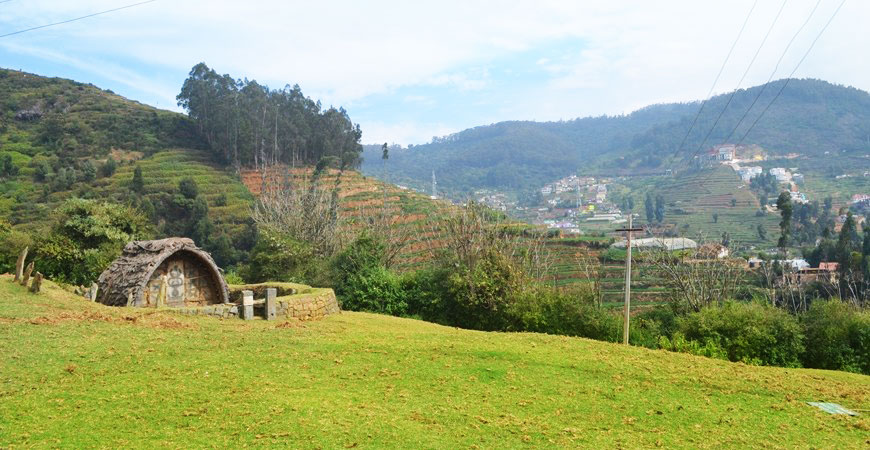
3hrsA Toda village in Ooty is a small hamlet of the Toda people, one of the most ancient tribes of the Nilgiri Hills in Tamil Nadu. Known as a mund, each settlement is a cluster of distinctive half-barrel shaped huts set on the grassy slopes around Ooty.
Mudumalai National Park
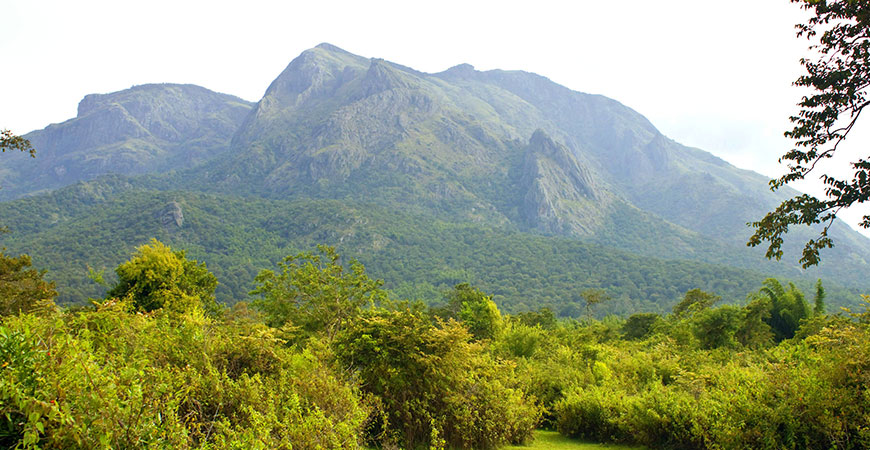
3hrsMudumalai National Park is a protected forest of 321 sq km in the Nilgiris district of Tamil Nadu, where the state meets Karnataka and Kerala. Part of it has been protected since 1940, making it one of India’s oldest wildlife sanctuaries, and it was declared a tiger reserve in 2007.
Nilgiri Mountain Railway
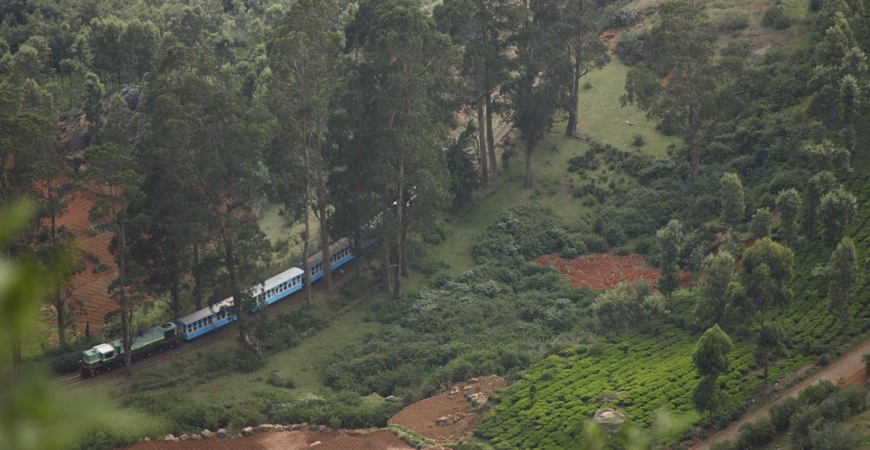
3hrsThe Nilgiri Mountain Railway is a 46 km metre-gauge railway that climbs from Mettupalayam at the foot of the Nilgiri Hills to Udhagamandalam, better known as Ooty. Fondly called the Blue Mountain Express and the Ooty toy train, it was completed in 1908 and is today part of the UNESCO World Heritage Site, Mountain Railways of India.
Mukurthi Trek
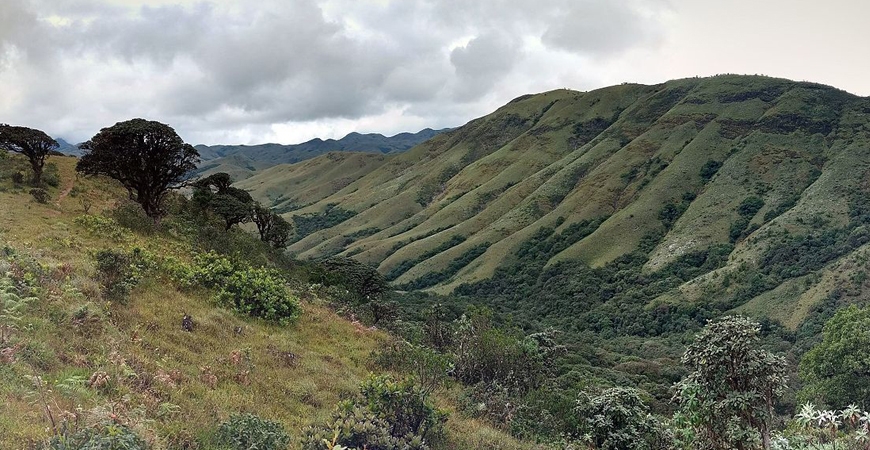
3hrsThe Mukurthi trek leads into one of the wildest corners of the Nilgiris. It crosses Mukurthi National Park, a 78.46 sq km protected area on the western edge of the Nilgiri plateau, west of Ooty, where rolling montane grasslands meet dark pockets of shola forest.
Stone House Ooty
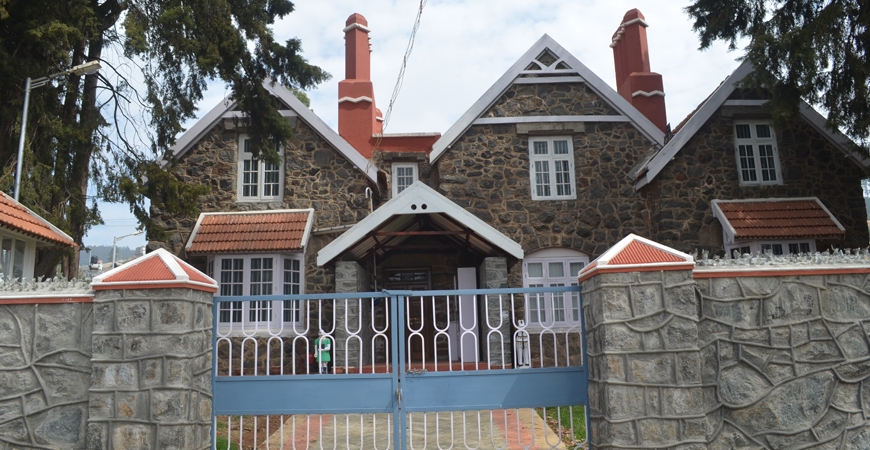
3hrsThe Stone House in Ooty is where the story of the hill station began. It was the first bungalow built in Ooty, started in 1822 by John Sullivan, the Collector of Coimbatore who is credited with founding the town.
Nilgiri Laughingthrush and Bird Watching in Ooty
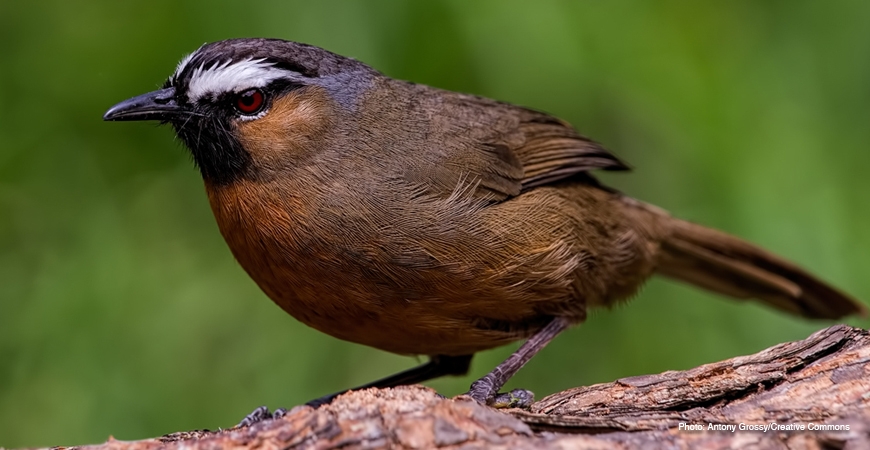
3hrsThe Nilgiri laughingthrush is one of the signature birds of Ooty. Now known as the Nilgiri chilappan, this rufous-breasted songbird with a bold white eyebrow and black chin lives almost entirely in the high hills of the Nilgiris, and nowhere else in the world.
St. Stephen’s Church Ooty
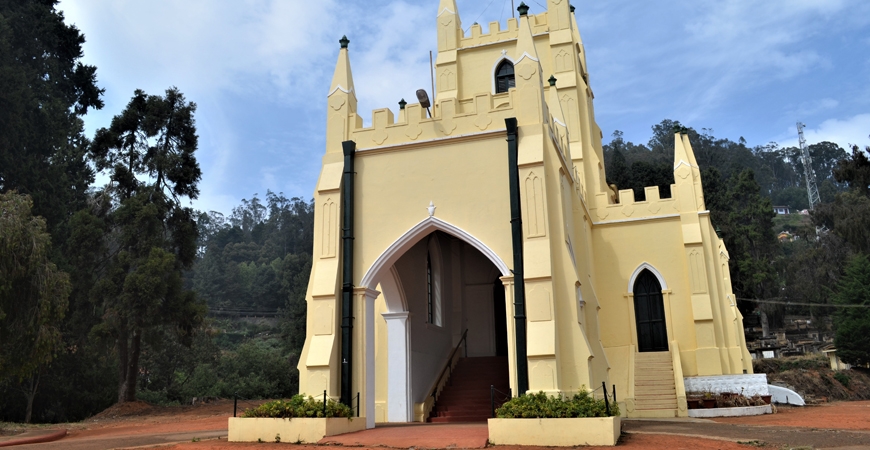
3hrsSt. Stephen’s Church Ooty is one of the oldest churches in the Nilgiris. Its foundation stone was laid in 1829, and it was consecrated in 1830, in the early years of Ooty as a British hill station.
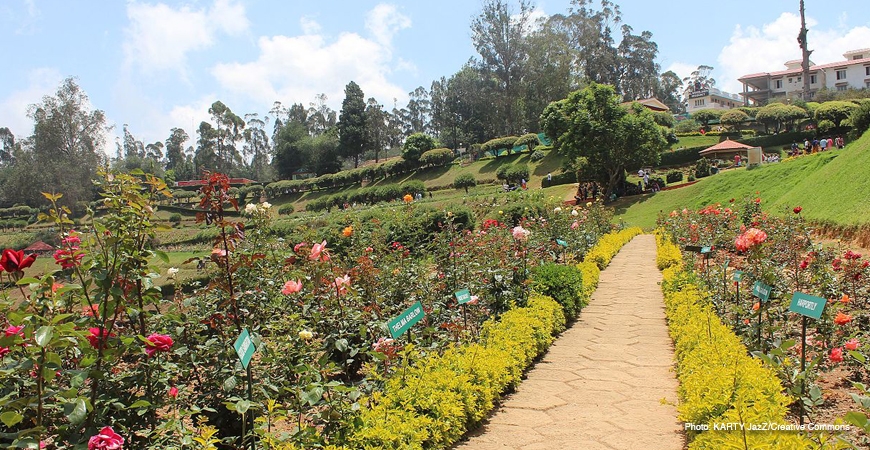
Ooty Rose Garden
3hrsThe Ooty Rose Garden, officially the Government Rose Garden, is one of the largest rose gardens in India. Spread over about 4 hectares on the slopes of Elk Hill, it holds around 20,000 rose plants of more than 2,000 varieties, arranged across five curving terraces.

Nasiyan Jain Temple Ooty
3hrsThe Nasiyan Jain Temple Ooty also known as Ooty Shri Vasupujya Swami Jain Shwetamber Mandir is a Jain temple on Prithvi Raj Road in Ooty, the hill town of the Nilgiris district in Tamil Nadu. It is dedicated to Lord Rishabhdev, also known as Adinath, the first of the 24 Tirthankaras of Jainism.
History of Ooty
3hrsThe history of Ooty is the story of a quiet Toda grassland that became one of the best-known hill stations of British India. Founded by John Sullivan in the 1820s, Ootacamund, now officially Udhagamandalam, grew into the summer capital of the Madras Presidency.