


HOME {{tab1Name}} {{expResortData.masterName}}
{{keyValues.title}}
Experiences
Our Resort(s)
{{sectionObj.section}}

Gallery
Rooms
{{obj.roomTypeForNonMember}}
{{obj.voroomtypeformember}}
{{obj.voRoomTypeTimeShareMember}}
{{obj.roomDescription}}
{{obj.voRoomDescription}}
{{currentRoom.roomTypeForNonMember}}

Nainital Travel Experiences Around Naini Lake, Himalayan Views and Colonial Heritage
Nainital sits at just over 2,000 metres in Uttarakhand's Kumaon Himalayas, built up by the British in the 1840s around Naini Lake, the eye-shaped water body that gave the town both its name and its long-standing title, the 'City of Lakes.' For anyone researching places to visit in Nainital or planning things to do in Nainital, the lake is the natural starting point, since Hindu tradition holds it to be one of the 51 Shakti Peethas in the country. Ringed by Naina Peak and a run of forested ridges, and still dotted with colonial-era bungalows and a working Mall Road, the town carries three identities at once: pilgrimage stop, Raj-era hill retreat, and Himalayan viewpoint.
A good chunk of any Nainital itinerary happens on or around that same lake. Evening boat rides drift across Naini Lake, the lakeside Naina Devi Temple draws a steady stream of devotees, and the Nainital Ropeway carries visitors up to Snow View Point for a clear-day look at Nanda Devi and Trishul. Those up for a longer walk can push on to Naina Peak, the town's highest point above 2,600 metres, or to Tiffin Top for equally sweeping views over the Kumaon hills. Shopping and people-watching happen along Mall Road, while the Eco Cave Gardens make for an easy stop with children in tow. A short drive out of town opens up Kainchi Dham, the hillside ashram once visited by Steve Jobs and Mark Zuckerberg, the twin lakes of Bhimtal and Sattal, and even a day of wildlife spotting at Jim Corbett National Park.
Ask a returning visitor what stayed with them, though, and it's rarely a single landmark. More often it's the smell of pine on a morning walk, the sound of oars cutting still water, or a bite of Bal Mithai bought on a whim from a Mall Road shop. A stay at Sterling Nainital, set in this same Kumaon valley, keeps the lake, the viewpoints, and the old colonial town all within easy striking distance, so the trip can move at whatever pace you choose to set for it.
Things to Do in (Nainital)

Naini Lake: The Lake Named After The Eyes Of a Goddess
The ancient Naini Lake is what gave Nainital its name. A magnificent sight to look at, this lake is also one of the 51 Shakti Peethas in India.
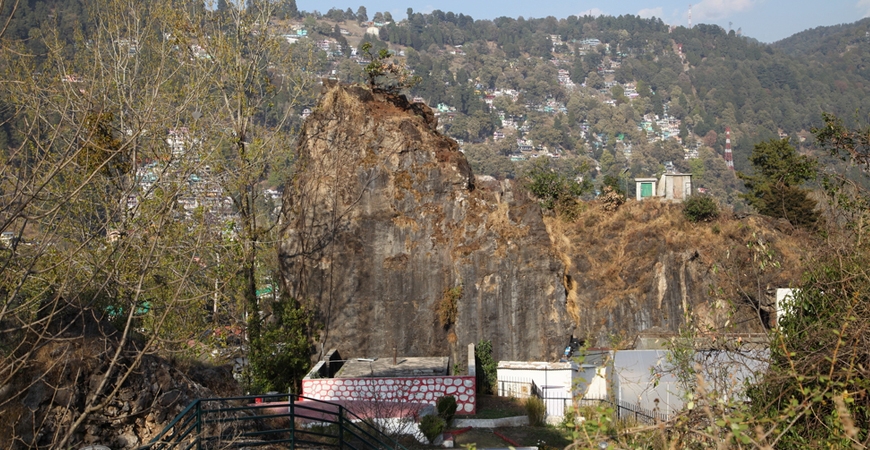
Eco Caves : Where the Big Cats Sleep
Have you ever wondered what life was like when early man lived in caves among big wild cats in prehistoric times? Visit the secluded caves of Mallital and you will get a glimpse of prehistoric life.
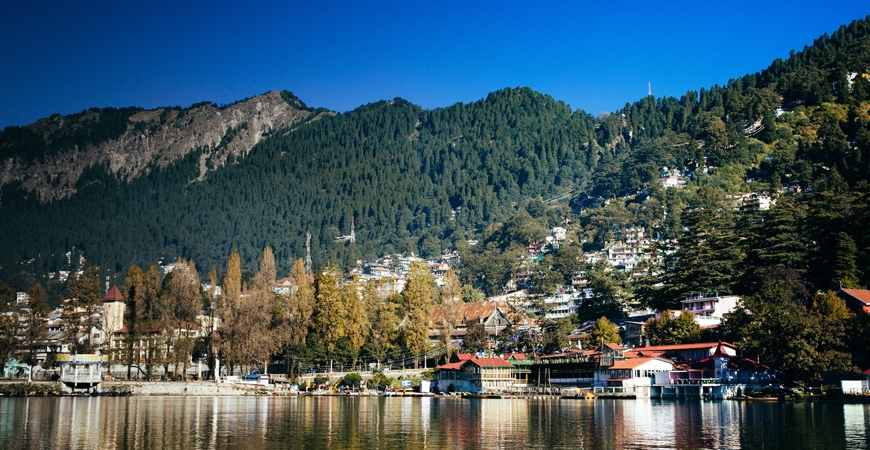
Mall Road: The Lifeline of Nainital
The Mall Road at Nainital skirts the beautiful Naini Lake. Lined with shops, eateries and parks - this is where Nainital comes to life.
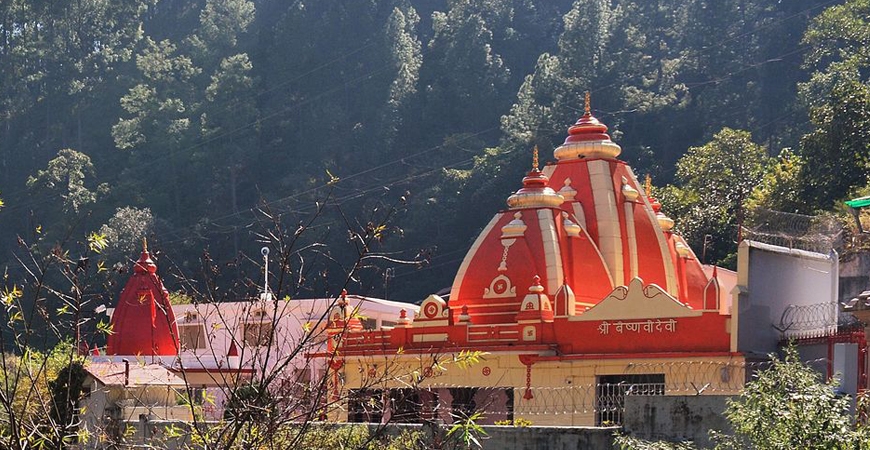
Kainchi Dham: The Legacy of Mystics
Steve Jobs and Mark Zuckerberg visited this hermitage to seek answers to life. Make a trip to this ashram and you could find the answers that you seek too!
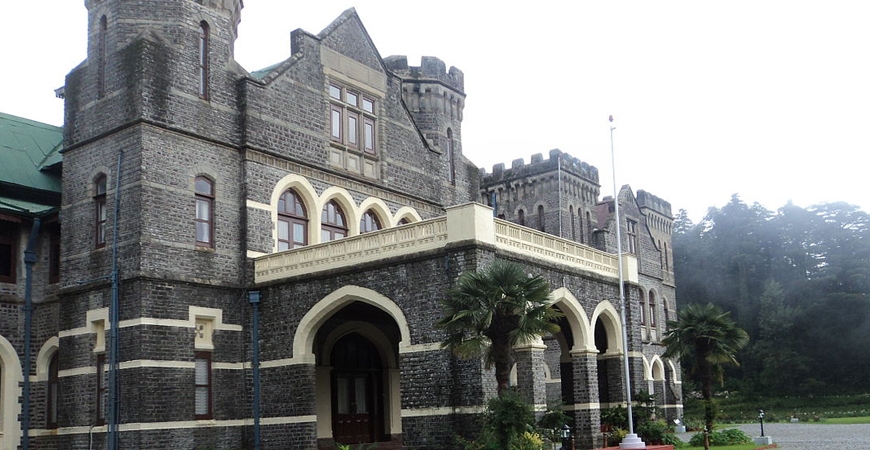
Raj Bhavan: The Governor's residence
Raj Bhavan was built to look like the Buckingham Palace at the turn of the 20th century. The estate once housed the British Governor and is now home to Uttarakhand's Governor.
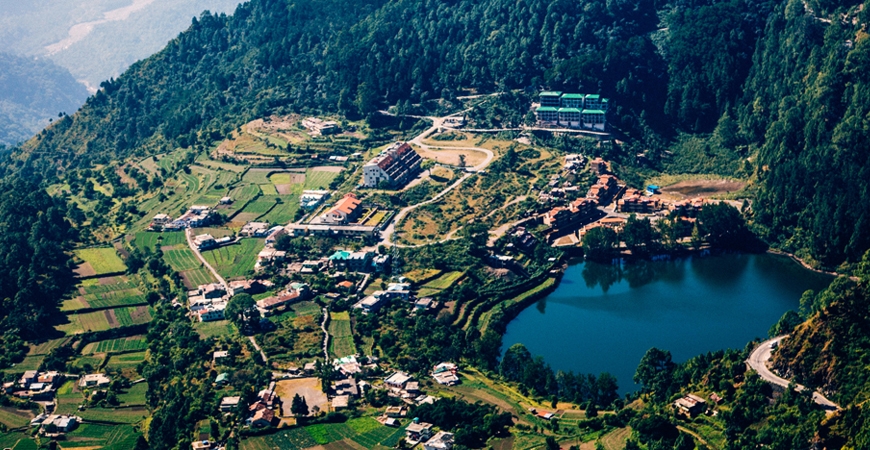
Khurpatal: Fish and Chill
Khurpatal is a pretty lake just 10 km from Nainital. You can fish, walk and buy organic produce from the farms in the vicinity.
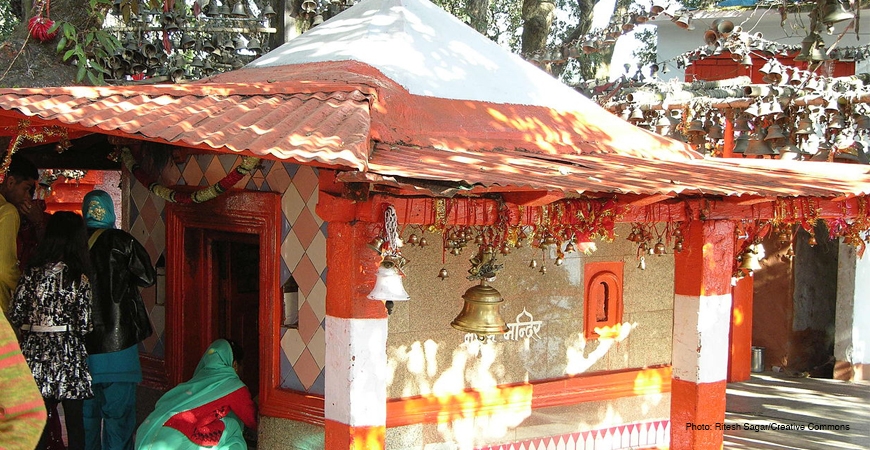
Golu Devta: The King Who Became God
The temple of Golu Devta is a fine example of how a mere mortal got elevated to a God-like stature, through stories heard and shared over generations.
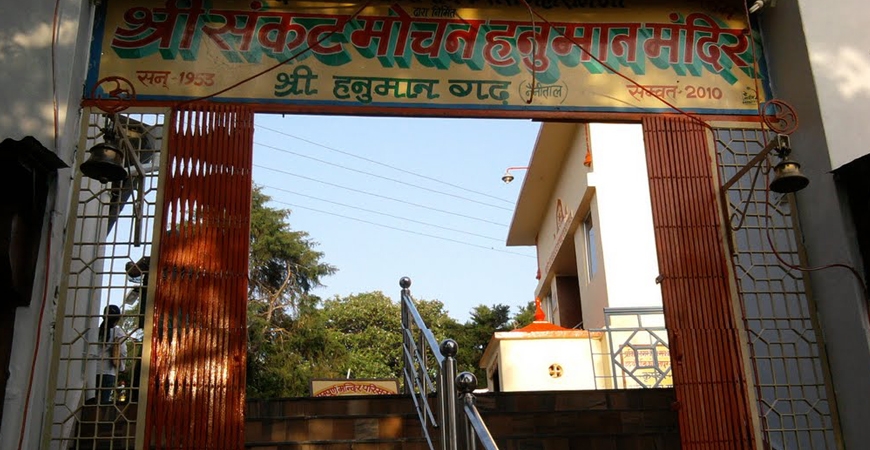
Hanuman Garhi: A Temple Built by a Wandering Saint
The wandering saint from Nainital, Neem Karoli Baba, built the Hanuman Garhi atop a hill. This quiet temple is a must visit for those in search of peace or even just a good vantage point to enjoy the views of Nainital.
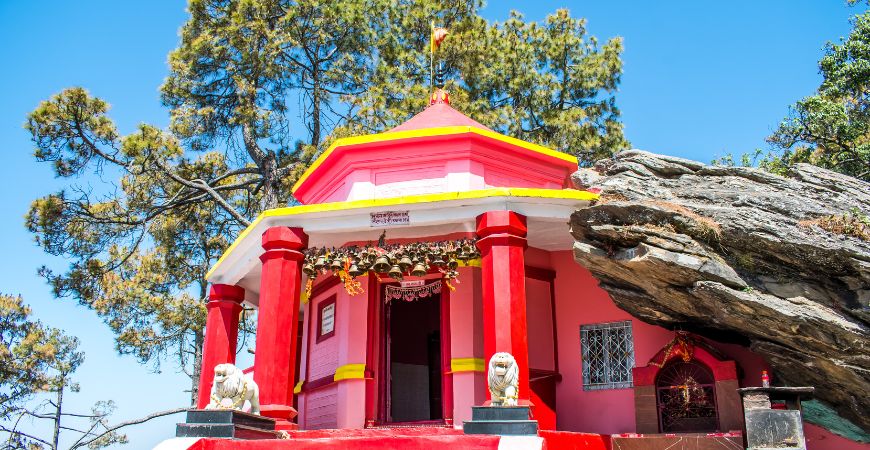
A Hilltop of Quiet Power
Tucked away in the serene Kumaon hills of Uttarakhand, Kasar Devi Temple is a modest shrine with a legacy that spans centuries—and dimensions. Dedicated to Goddess Durga, it is believed to mark the sacred site where Kaushiki Devi defeated the demons Shumbh and Nishumbh, as told in the Devi Bhagavata Purana. Behind the temple, a natural rock formation is said to bear the impression of her lion mount—an enduring reminder of the divine energy said to reside here.