


HOME {{tab1Name}} {{expResortData.masterName}}
{{keyValues.title}}
Experiences
Our Resort(s)
{{sectionObj.section}}

Gallery
Rooms
{{obj.roomTypeForNonMember}}
{{obj.voroomtypeformember}}
{{obj.voRoomTypeTimeShareMember}}
{{obj.roomDescription}}
{{obj.voRoomDescription}}
{{currentRoom.roomTypeForNonMember}}

Munnar Travel Experiences Through Tea Estates, Wildlife and Western Ghats Landscapes
Munnar spent much of its history as the High Range of Travancore, a remote hill tract that British planters turned into one of the world's most important tea-growing regions during the colonial era. That legacy still defines the landscape. At elevations between 1,500 and 2,500 metres, the hills around this Kerala hill station are almost entirely blanketed in manicured tea estates, broken up by patches of shola forest and grassland. Search for places to visit and the results tend to circle around two things, tea and altitude, since nearly every landmark in Munnar tourism is measured by how high it sits and how far the tea gardens stretch from it.
There's a fuller list of things to do once you look past the tea gardens themselves. Eravikulam National Park, a UNESCO World Heritage Site inside the Western Ghats, protects the endangered Nilgiri Tahr and sits at the foot of Anamudi, one of the highest peak in South India at nearly 2,700 metres. Top Station, on the old road to Kodaikanal, opens onto views of the Theni valley and is one of the best places to see the Neelakurinji, a blue flower that blooms only once every twelve years. Mattupetty Dam, ringed by tea gardens and hills, offers boating and a look at the Indo-Swiss dairy farm nearby, while Kolukkumalai, the highest tea estate in the world, rewards an early jeep ride up rough mountain roads with a sunrise view over the Western Ghats. The Tea Museum, set inside a working estate, traces how Munnar's plantations grew from colonial-era saplings into a global tea garden tour circuit, and Echo Point, a natural amphitheatre on Kundala Lake, is a favourite stop for the novelty of hearing your own voice bounce back off the hills. For something more active, a guided jungle safari out of Poopara village winds through cardamom plantations and forest alive with birdsong, from the Nilgiri Whistling Thrush to barbets and sunbirds, while Chinnar Wildlife Sanctuary adds another stretch of Western Ghats trekking for those chasing a longer nature circuit.
What tends to stay with visitors afterward is quieter than any single viewpoint. There's mist settling over the tea bushes at dawn, the smell of fresh tea being rolled at a small factory, and a Kerala sadhya laid out on a banana leaf after a long day outdoors. Sterling Munnar, set right outside the Chinnakanal tea estate at the base of Devikulam Mountain, keeps Eravikulam, Mattupetty, and Top Station within easy reach, so a Munnar holiday can move between tea-country calm and Western Ghats adventure without much travel in between.
Things to Do in (Munnar)
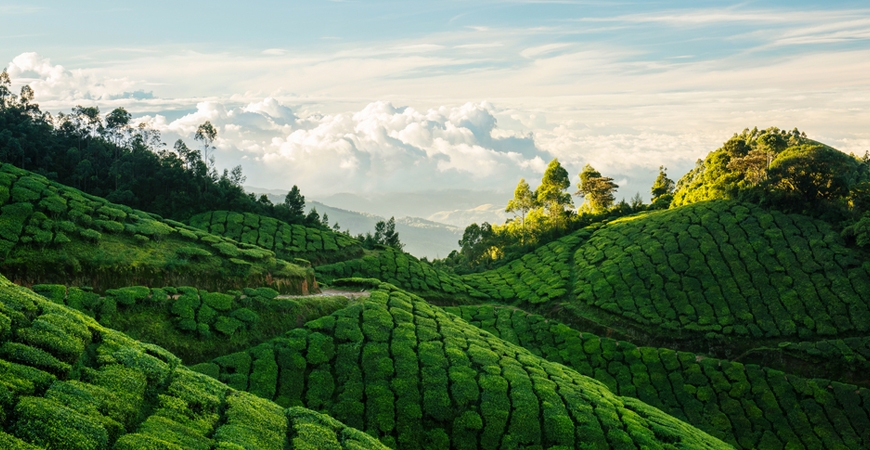
Kolukkumallai : The Tea Factory Where Time Stands Still
Are you a tea connoisseur? You will love this tour at the highest tea factory in the world, where tea is still packaged the old-fashioned way.
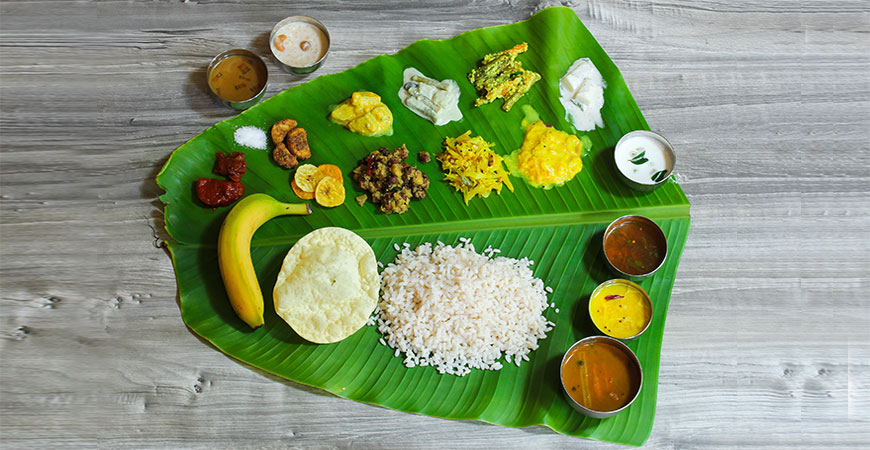
Kerala Sadhya: The Culinary Art of being Grateful
Want to indulge in authentic Kerala cuisine? Let our Chef cook you a Sadhya - delicacies from the land, while you take in the sights around the Sterling Munnar resort.
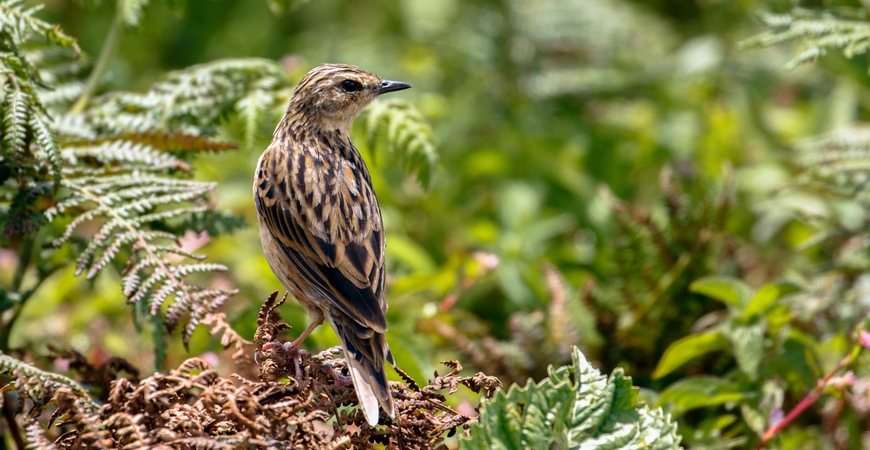
Gap road: Where birds come home
One of the most sought-after places in Kerala, Gap road is the ideal place to be at for bird-watching and photography.
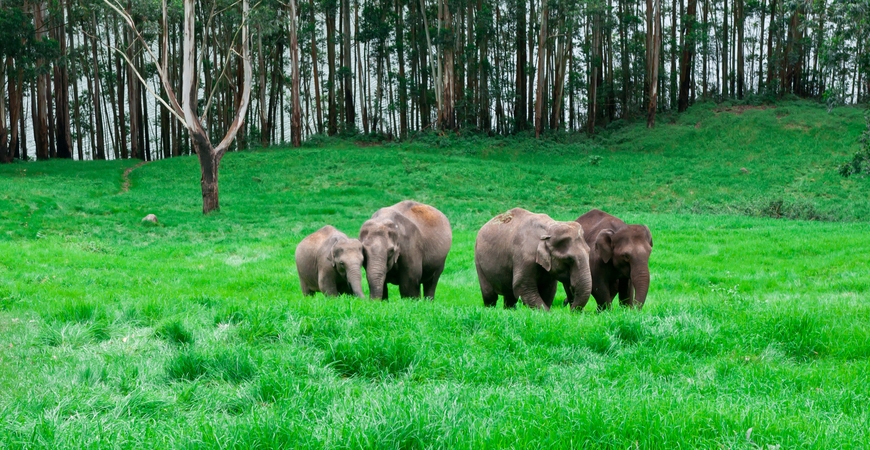
Jungle Safari: Answering the Call of the Wild
A trek followed by a safari into the jungles - Munnar has more to offer than just a view of tea plantations! With birds and wild animals aplenty, a jungle safari through Munnar's forests is an exhilarating experience.
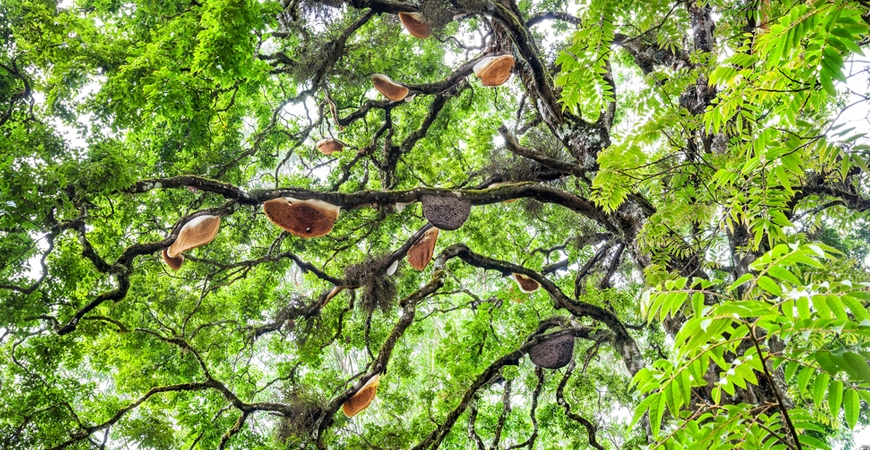
Vaagai Tree: The Tree that Bees chose as their Adobe
Nature makes you gasp many times. This is one such experience, where a tree houses bee colonies.
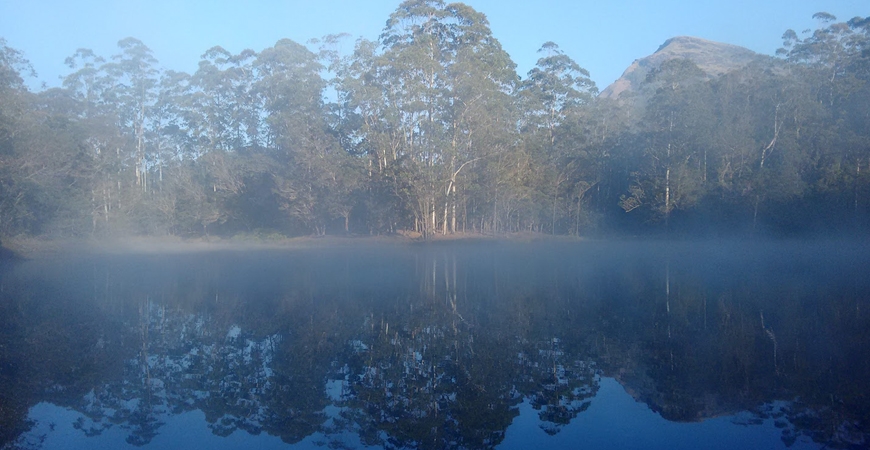
Sita Devi Lake: The Divine Lake of Devikulam
A divine lake with curative properties, Sitadevi Lake is probably the most beautiful spot in the Western Ghats!
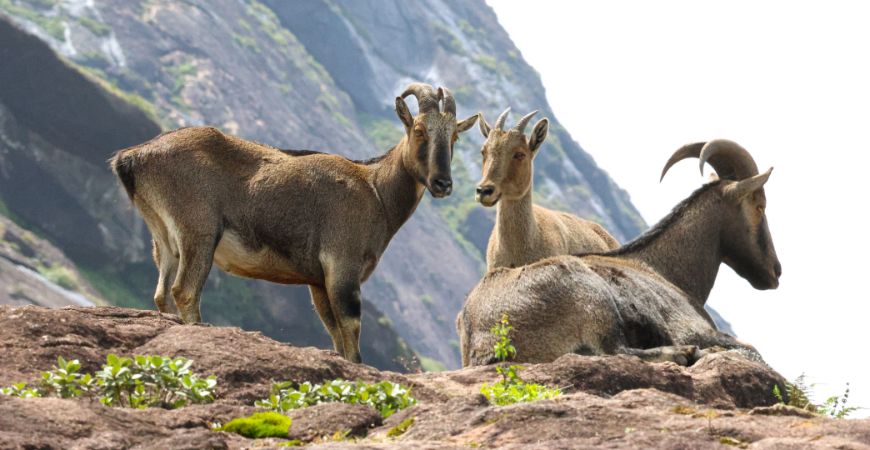
Eravikulam National Park : The humble abode of the endangered Nilgiri Tahr
The Nilgiri Tahr, a resident antelope of the blue hills, is more closely related to sheep than goats. It is the largest of the three tahrs in the world, along with the Himalayan Tahr and the Arabian Tahr.