


HOME {{tab1Name}} {{expResortData.masterName}}
{{keyValues.title}}
Experiences
Our Resort(s)
{{sectionObj.section}}

Gallery
Rooms
{{obj.roomTypeForNonMember}}
{{obj.voroomtypeformember}}
{{obj.voRoomTypeTimeShareMember}}
{{obj.roomDescription}}
{{obj.voRoomDescription}}
{{currentRoom.roomTypeForNonMember}}

Corbett Travel Experiences Through India's Oldest Tiger Reserve and the Kosi River Valley
India's tryst with tiger conservation began right here, when this forest became the country's first national park in 1936 and, decades later, the birthplace of Project Tiger in 1973. That history still shapes most things to do in Corbett today, from jeep safaris across grassland and sal forest to quieter stops along the Kosi river. Spread across the Shivalik foothills of Uttarakhand, Jim Corbett National Park is split into eight ecotourism zones, each with its own terrain and rhythm, so no two visits look quite the same. Beyond the park gates, places to visit in Corbett take in a riverside temple, a conservationist's old bungalow, and forest trails that reward an early start.
Dhikala zone is the reserve's best known stretch, a vast grassland along the Ramganga river reachable only on an overnight canter safari from Dhangarhi Gate, while Bijrani zone offers jeep safaris with some of the park's more reliable tiger sightings. Jhirna zone stays open through the monsoon when other areas close, making it the fallback choice for an off-season visit. Just outside the core forest, Garjia Devi Temple sits on a rock in the middle of the Kosi river, a short stop for river views and quiet darshan, and the Corbett Museum in Kaladhungi preserves the old bungalow, letters and hunting turned conservation writings of Jim Corbett himself. Round out a day with a picnic at Corbett Waterfall, tucked inside a stretch of teak forest, or try white-water rafting on the Kosi river during the monsoon months.
Beyond the safari checklist, Corbett has a slower side too. The sound of the Ramganga moving over stone at dusk, langurs calling across the canopy, and a chill that settles into the Shivalik foothills once the sun drops all add up to their own kind of experience.Sterling offers two stays in the region, each suited to a different kind of trip. Sterling Quinta Jim Corbett, a 46-room resort in the quieter Bail Parao belt near Kaladhungi, easy access to the Sitabani and Phato safari zones, and Kumaoni-influenced multi-cuisine meals at Nectar, plus a pool, spa, jungle walks and evening bonfires. Sterling Riverview Jim Corbett, a 3-acre property overlooking the Shivalik Hills and Ramganga river in Marchula, adds its own layer to the trip, from stargazing on clear nights to a Kumaoni meal at the in-house Tree House restaurant, with zip-lining and the Burma Bridge on hand for guests who want one more dose of adventure before checkout.
Things to Do in Jim Corbett
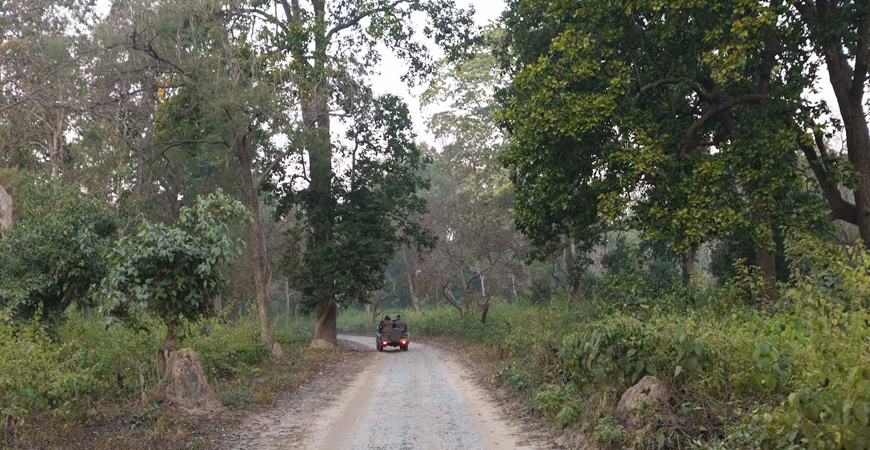
Jim Corbett National Park : Where Adventure Never Ends
Corbett has much more to offer than tigers. You can also enjoy adventure activities like river rafting, hiking, biking and much more.
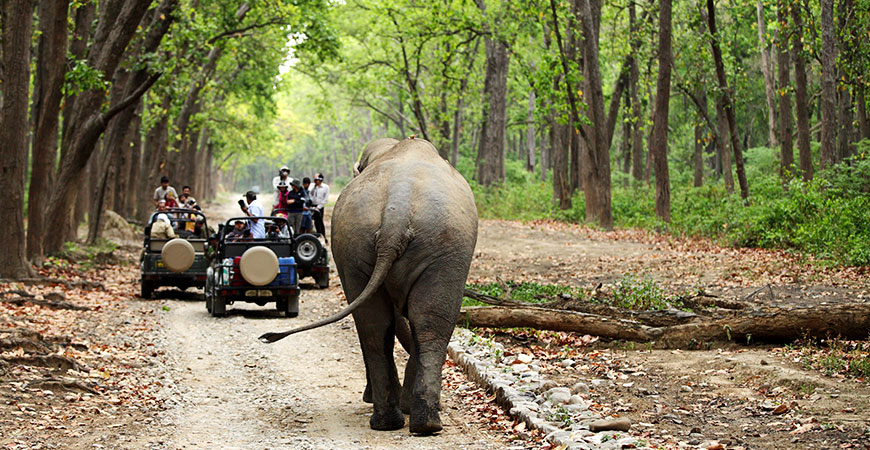
Dhikala Safari: A Rendezvous with your Wild Side
Given how massive and awe-inspiring this zone of the Corbett Reserve is, it is a challenge not to get lost in its wilderness, metaphorically.
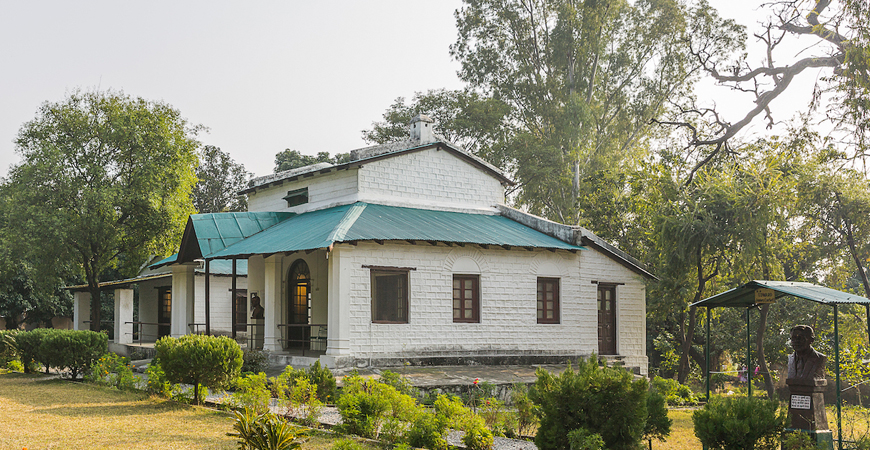
Choti Haldwani: The Village That Jim Corbett Built
Did you know that the British hunter, illustrious author and naturalist, Jim Corbett also built a village from the ground-up?

Ramganga: Corbett 's Meandering Lifeline
River Ramganga flows through the Jim Corbett Reserve for 40 kms. Anyone with a thirst for nature or wildlife, should visit here to see the amazing flora and fauna.
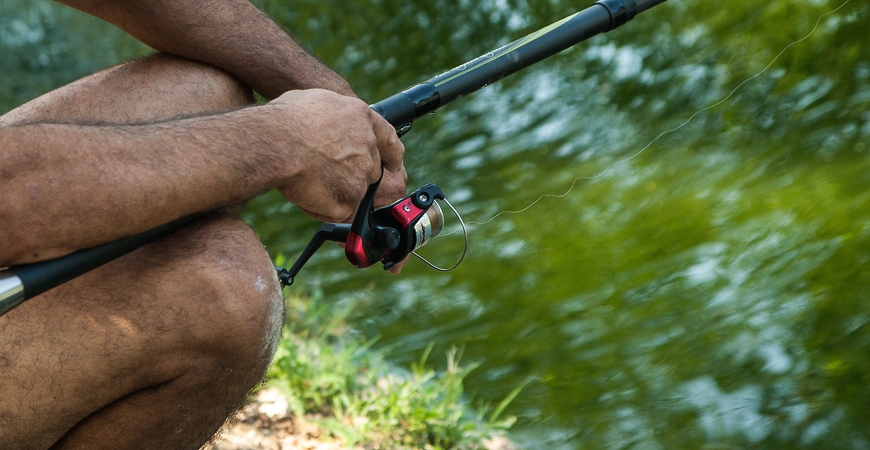
Ramganga: Fish Away
Angling in the bluish-green waters of River Ramganga is a serene experience. The banks of the river also make for a great picnic spot.
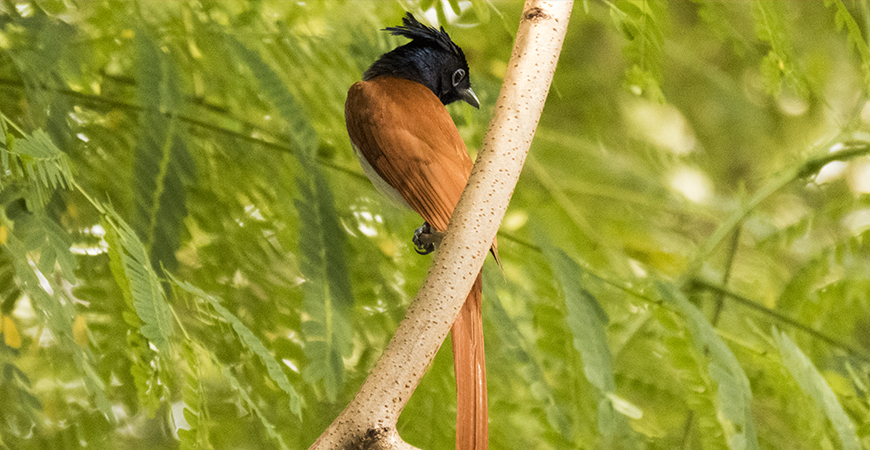
Corbett : A Paradise for Bird Lovers
Birdlife International declared Jim Corbett National Park as an "Important Bird Area" (IBA), as it is the natural habitat of over 550 species of birds. Come and explore.
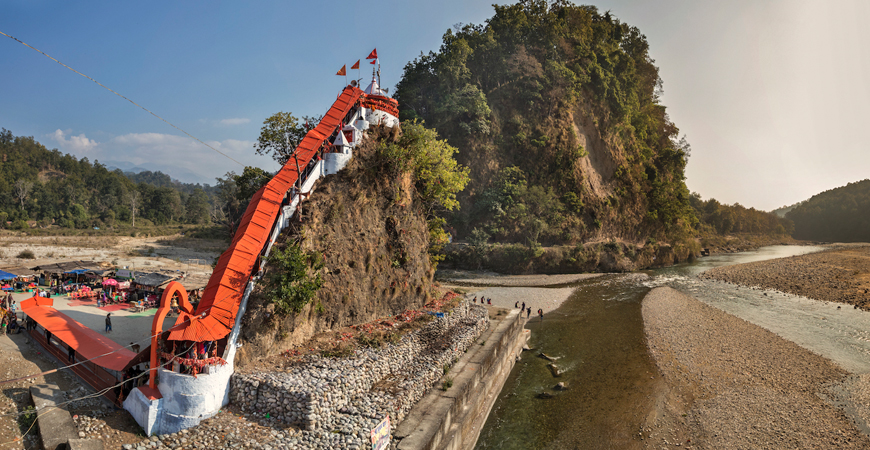
Garjiya Temple : A Pilgrimage To The Mystic Temple
The Gajaria temple is wrapped in mystery and mythology. Known to have been blessed by the Goddess Parvati, floods have never affected this divine place.
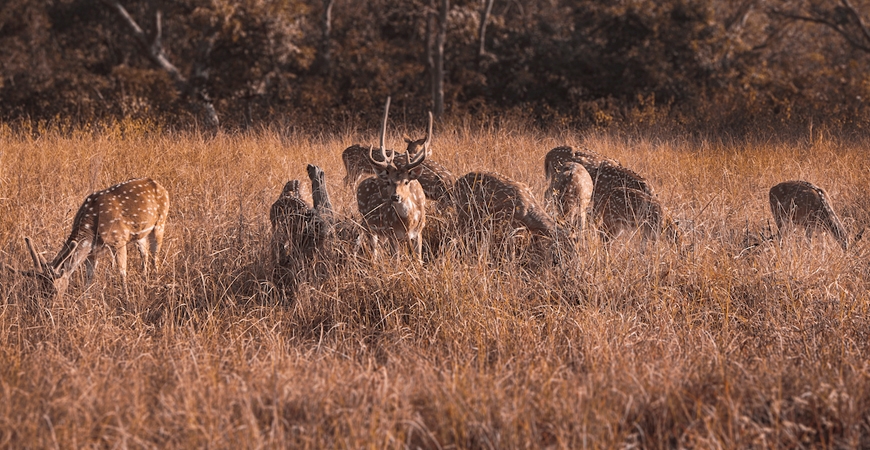
Bijrani: In the Heart of the Jungle
At first glance, Bijrani looks like an illustration out of a storybook. In this famous jungle that inspires one's imagination, you are likely to sight, among other wild animals, the magnificent tiger.